
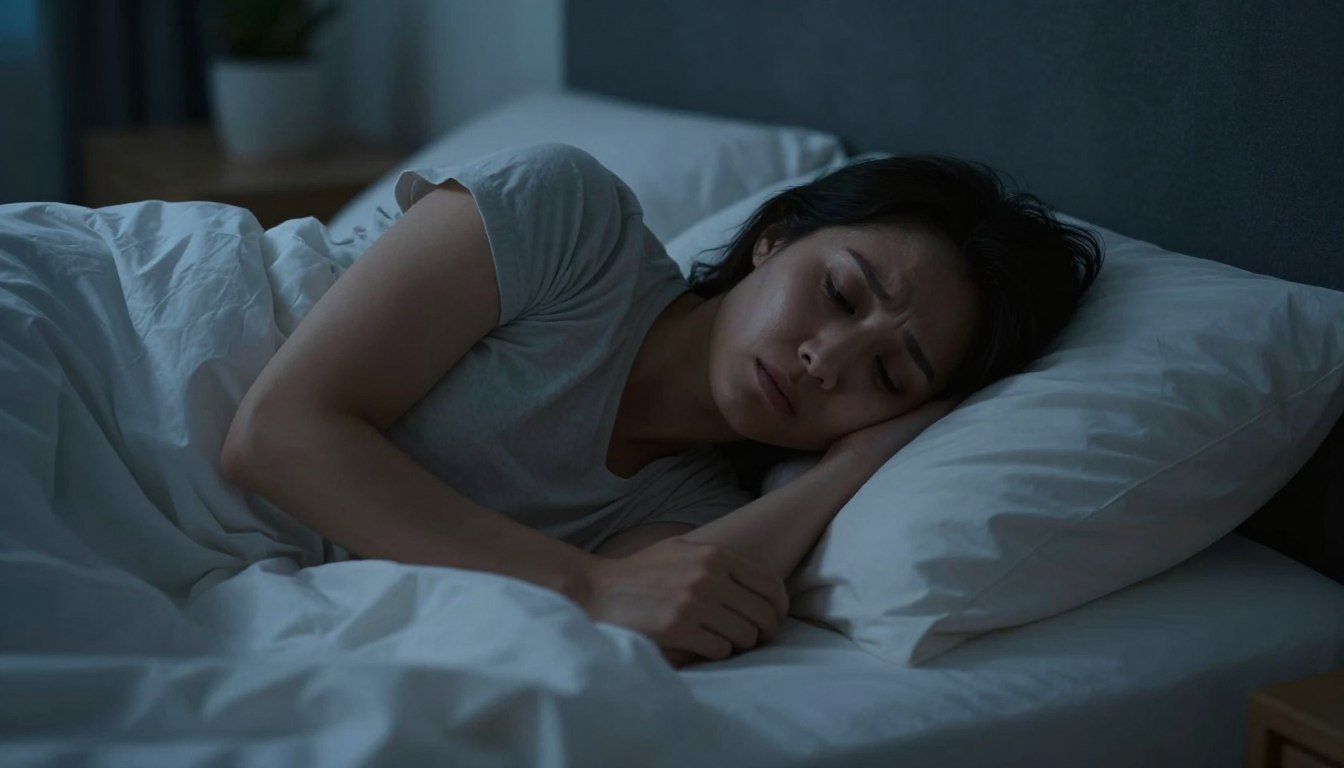
If you dread the thought of sleeping by yourself, you’re far from alone. Fear of sleeping alone affects millions of adults and children worldwide. It’s a real psychological issue that deserves understanding and compassionate support, not dismissal or shame.
This comprehensive guide explores what fear of sleeping alone really means, why it happens, how it affects your life, and most importantly, what you can do to overcome it. Whether you’re struggling yourself or helping someone you care about, you’ll find evidence-based insights and practical strategies here.
What Is Fear of Sleeping Alone?
Fear of sleeping alone is an anxiety condition where a person experiences significant distress at the thought or reality of sleeping by themselves. Sometimes called monophobia when it relates specifically to being alone, or somniphobia when it involves fear of sleep itself, this condition goes beyond simple preference.
This isn’t about enjoying company or preferring to share a bed with a partner. It’s about genuine fear that creates physical symptoms and emotional distress. The anxiety can be so intense that it interferes with daily functioning and quality of life.
How Common Is This Fear?
Sleep anxiety is remarkably prevalent. Research shows that over 35% of adults in the United States sleep less than the recommended seven hours each night, with anxiety being a major contributing factor. Studies on childhood fears reveal that approximately 64% of children and adolescents report having nighttime fears at some point.
Among adults, the fear of sleeping alone often emerges during life transitions. Divorce, death of a partner, moving to a new home, or experiencing trauma can all trigger this condition. Many people who never had sleep issues suddenly find themselves unable to face bedtime alone after significant life changes.
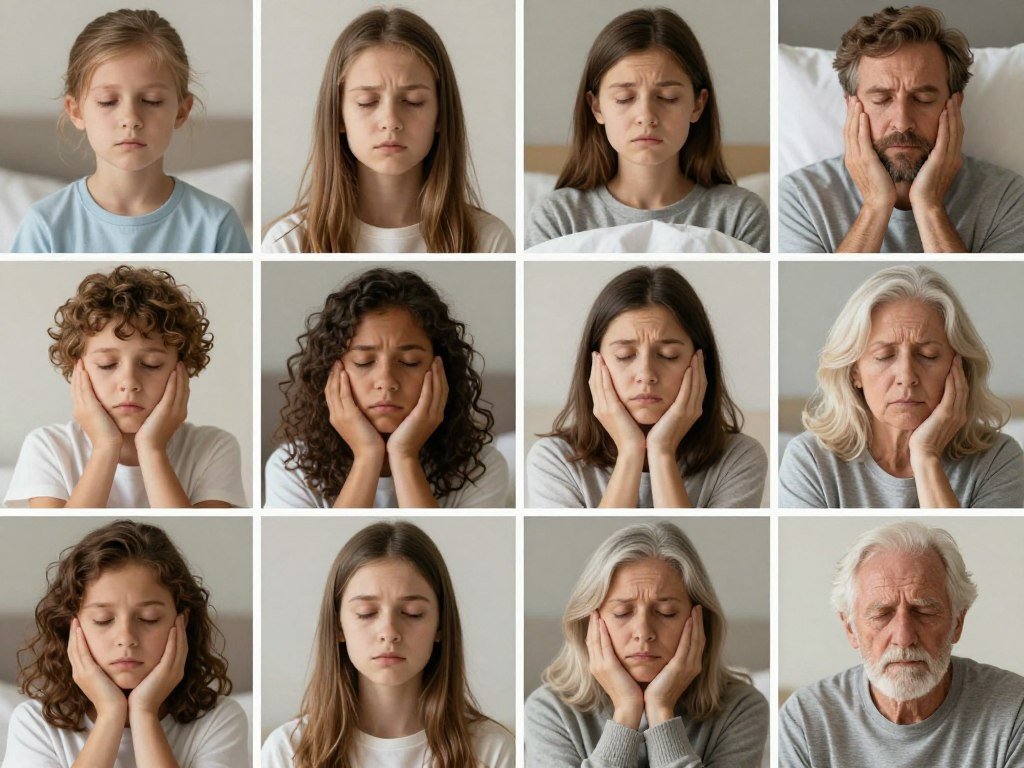
The Root Causes of Fear of Sleeping Alone
Understanding why this fear develops is the first step toward overcoming it. The causes are complex and often interconnected, involving psychological, emotional, and environmental factors.
Anxiety Disorders and Sleep Anxiety
Fear of sleeping alone frequently stems from underlying anxiety disorders. When you have generalized anxiety disorder, panic disorder, or social anxiety, these conditions don’t clock out at bedtime. In fact, anxiety often intensifies when the distractions of daytime activities fade away.
Sleep anxiety, or somniphobia, is the clinical term for fear of falling asleep. This condition creates a vicious cycle. You fear sleep because of what might happen when you’re unconscious. Perhaps you worry about nightmares, sleep paralysis, or dying in your sleep. This worry triggers stress hormones that make falling asleep even harder.
Your body releases cortisol when you’re stressed. This hormone is designed to wake you up and keep you alert. When cortisol floods your system at bedtime, it works directly against your body’s natural sleep mechanisms. The more anxious you become about sleeping alone, the more cortisol your body produces, creating a self-perpetuating problem.
Separation Anxiety in Adults and Children
While we often associate separation anxiety with childhood, many adults experience it too. This condition involves intense fear or worry when separated from attachment figures. For adults, this might be a romantic partner, family member, or even a roommate.
Separation anxiety disorder has specific diagnostic criteria that include persistent reluctance to sleep without being near a major attachment figure. People with this condition may experience recurrent distress when anticipating separation, worry excessively about harm coming to loved ones, and have nightmares involving separation themes.
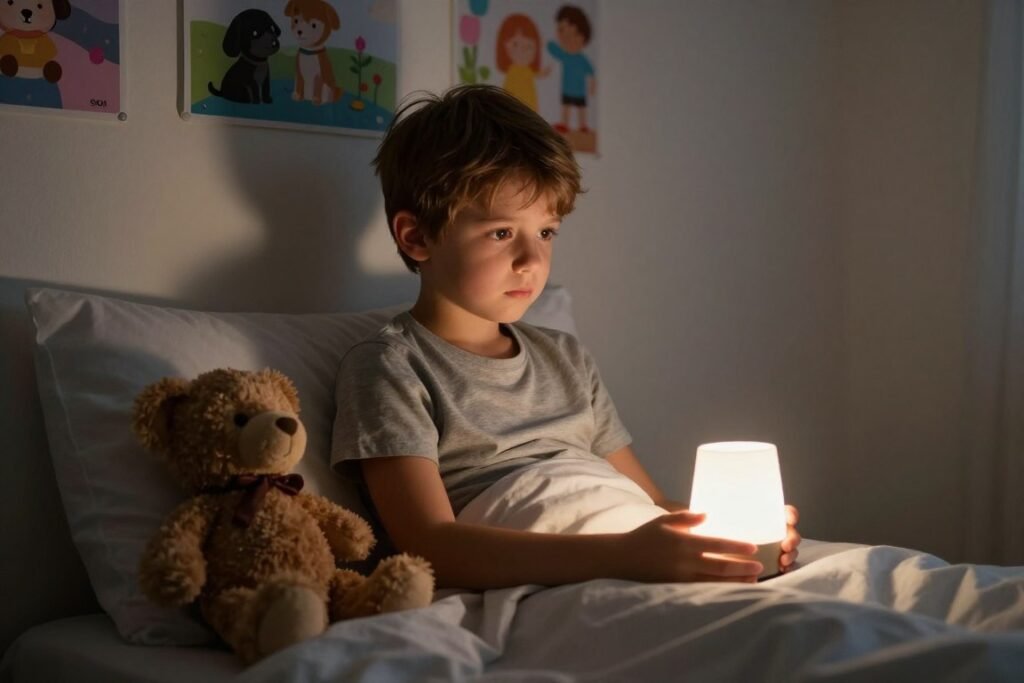
In children aged 5 to 12, bedtime fears are extremely common. A child’s imagination is vivid and powerful. They hear scary stories at school, watch frightening videos, or experience disturbing events. Their developing brains struggle to distinguish real threats from imagined ones, especially in the darkness.
Common Separation Anxiety Symptoms
Separation anxiety manifests in several ways that can make sleeping alone particularly difficult:
- Excessive worry about being alone or without specific people
- Physical symptoms like headaches or stomachaches when separation occurs
- Difficulty falling asleep without someone present
- Heightened awareness of every sound or movement indicating someone might leave
- Panic or distress when left alone even briefly
- Avoidance behaviors around bedtime routines
Grief, Loss, and Life Transitions
The sudden loss of a loved one, particularly a spouse or partner, can trigger intense fear of sleeping alone. The empty space beside you in bed becomes a painful reminder of what you’ve lost. Grief doesn’t follow a timeline. Some nights are manageable, while others feel unbearable.
Loss isn’t limited to death. Divorce, breakups, children leaving home, job loss, and health changes can all create feelings of grief. When you lose something significant, your brain goes into protection mode. The vulnerability of sleep, especially alone, can feel threatening.
Complicated grief, which persists intensely over long periods, often develops into chronic anxiety and stress. This type of grief can manifest most powerfully at bedtime when you’re alone with your thoughts and the weight of your loss settles upon you.
Past Trauma and PTSD
Post-traumatic stress disorder profoundly affects sleep. If you’ve experienced physical abuse, assault, a life-threatening accident, or witnessed violence, your brain may associate vulnerability with danger. Sleep is the ultimate state of vulnerability, and being alone while sleeping can feel terrifying.
Trauma survivors often experience intrusive thoughts, flashbacks, and nightmares. These frightening images commonly resurface as you’re falling asleep, when your conscious defenses are lowering. Your brain may have learned that being alone equals being unsafe, creating a conditioned fear response at bedtime.
Environmental and Safety Concerns
Sometimes fear of sleeping alone is rooted in legitimate safety concerns. Living in a high-crime area, experiencing a break-in, or feeling unsafe in your home or neighborhood can create rational anxiety about being alone at night.
Your bedroom environment itself might contribute to anxiety. Strange sounds, shadows that look menacing in the dark, creaky floors, or unfamiliar noises in a new home can all trigger fear. While these concerns might seem minor during the day, they can feel overwhelming in the darkness.
Recognizing the Symptoms and Understanding the Impact
Fear of sleeping alone manifests through various psychological and physical symptoms. Recognizing these signs in yourself or someone you care about is important for seeking appropriate help.
Psychological and Emotional Symptoms
The mental burden of this fear extends beyond bedtime. People struggling with fear of sleeping alone commonly experience:
- Overwhelming dread or anxiety as bedtime approaches
- Racing thoughts that become uncontrollable when lying in bed
- Intense fear of being alone in the bedroom
- Procrastination around going to bed, staying up excessively late
- Hypervigilance to sounds, shadows, or perceived threats in the room
- Difficulty concentrating during the day due to worry about the coming night
- Feelings of shame or embarrassment about the fear
- Irritability and mood changes from sleep deprivation
Physical Symptoms
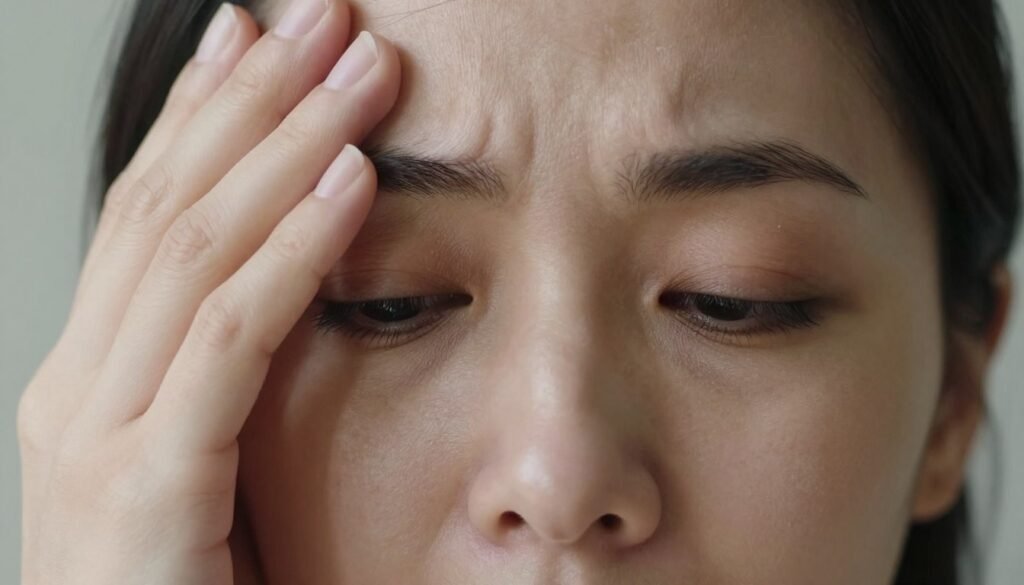
Anxiety doesn’t stay in your head. It creates real physical responses that can be quite distressing:
- Rapid or irregular heartbeat
- Sweating or feeling hot despite cool room temperature
- Nausea or upset stomach
- Shortness of breath or feeling unable to breathe deeply
- Trembling or shaking
- Muscle tension, particularly in neck and shoulders
- Dizziness or lightheadedness
- Chest tightness or pain
Impact on Daily Life and Health
When fear of sleeping alone leads to chronic sleep deprivation, the consequences extend into every area of life. Sleep deficiency has been linked to numerous serious health problems.
Your immune system weakens without adequate rest, making you more susceptible to illnesses. Cognitive functions decline. Memory, decision-making, concentration, and reaction time all suffer. This affects work performance, academic achievement, and even driving safety.
Mental health deteriorates with poor sleep. Depression and anxiety disorders often worsen. Your emotional regulation becomes impaired, leading to increased irritability, mood swings, and difficulty managing stress.
Physical health suffers too. Chronic sleep deficiency increases risk for cardiovascular disease, diabetes, obesity, and high blood pressure. Your body needs sleep to repair tissues, regulate hormones, and maintain healthy metabolic function.
Relationships can strain when sleep issues persist. Partners may become frustrated. Children might develop their own sleep anxieties by observing parental distress. The fear can create avoidance behaviors that limit social activities, travel opportunities, and life experiences.
When Fear Becomes a Health Crisis
If you’re experiencing severe physical symptoms like chest pain, difficulty breathing, or symptoms that feel like a heart attack, seek immediate medical attention. Panic attacks can mimic cardiac events, but it’s always better to be evaluated by healthcare professionals. Additionally, if your fear of sleeping alone is causing thoughts of self-harm or if you’re using alcohol or drugs to cope, please reach out for professional help immediately.
You Don’t Have to Face This Alone
Recognizing these symptoms is an important first step. Professional support can help you understand your fear and develop effective strategies for peaceful sleep. Our licensed therapists specialize in sleep anxiety and can create a personalized plan for you.
The Psychology Behind Fear of Sleeping Alone
Understanding the psychological mechanisms driving this fear can help you realize it’s not a character flaw or weakness. Your brain is responding to perceived threats, even if those threats aren’t rational or immediate.
The Role of Intrusive Thoughts
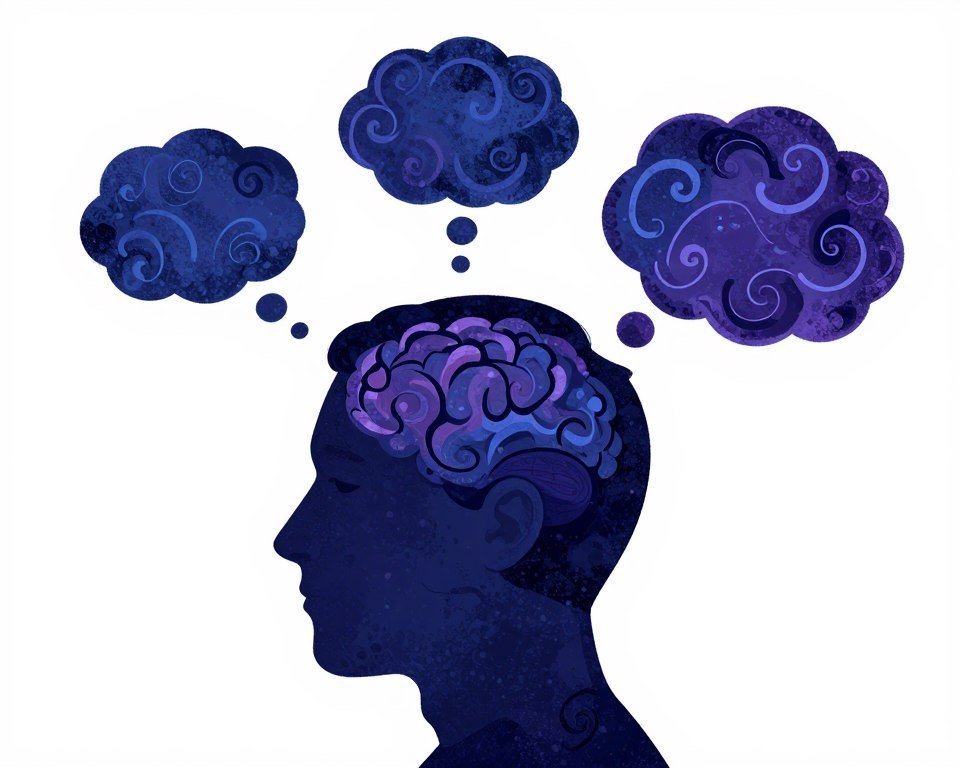
When you lie down to sleep, your mind finally gets quiet time. Unfortunately, this silence can become filled with unwanted, distressing thoughts. These intrusive thoughts are a hallmark of anxiety disorders and can be particularly troublesome at bedtime.
You might find yourself imagining worst-case scenarios. What if someone breaks in? What if you have a medical emergency and no one is there? What if you never wake up? These thoughts feel vivid and real, even when logically you know they’re unlikely.
Intrusive thoughts create what psychologists call “cognitive hijacking.” Your rational brain knows you’re probably safe, but your emotional brain has taken control. Once these thoughts start, they can spiral, feeding on themselves and creating more anxiety.
Anticipatory Anxiety
One of the most challenging aspects of fear of sleeping alone is anticipatory anxiety. This is the dread and worry you experience before the feared event even happens. You might start feeling anxious hours before bedtime, or even first thing in the morning when you think about the coming night.
Anticipatory anxiety activates your sympathetic nervous system, the part responsible for your fight-or-flight response. Your body floods with stress hormones, preparing you to face danger. But there’s no actual threat to fight or flee from, so all that energy and alertness works against your need for sleep.
This creates a terrible paradox. The more you worry about not being able to sleep alone, the more your body becomes physiologically unable to sleep. The anticipation becomes a self-fulfilling prophecy.
The Fear-Avoidance Cycle
Many people dealing with fear of sleeping alone develop avoidance behaviors. You might sleep on the couch with the TV on, ask someone to stay with you, or avoid situations that require sleeping alone entirely. While these strategies provide short-term relief, they reinforce the fear long-term.
Avoidance teaches your brain that the feared situation is genuinely dangerous. Each time you avoid sleeping alone, you confirm to your brain that you needed to avoid it. This strengthens the fear pathway in your brain rather than diminishing it.
Breaking this cycle requires gradually facing the fear in manageable steps, which we’ll explore in the coping strategies section.
Evolutionary Perspectives
From an evolutionary standpoint, fear of being alone at night makes sense. Our ancestors who slept in groups were safer from predators and threats. Those who remained vigilant during vulnerable times were more likely to survive and pass on their genes.
Your brain still carries these ancient protective mechanisms. The amygdala, your brain’s threat-detection center, doesn’t distinguish between a saber-toothed tiger and the shadows in your bedroom. It simply processes potential danger and triggers fear responses.
Understanding this evolutionary context can help you have compassion for yourself. Your fear isn’t irrational from your brain’s perspective. It’s trying to protect you, even if the threat it perceives isn’t real.
Seven Common Bedtime Fears That Keep People Awake
While fear of sleeping alone is the overarching issue, it typically involves one or more specific fears. Identifying which particular fear affects you can help target your coping strategies more effectively.
Fear of the Dark
Darkness removes visual information, making your brain fill in the blanks with imagination. What you can’t see becomes potentially threatening.
- Shadows appear to move or take shape
- Inability to verify surroundings increases anxiety
- Primal fear response to darkness
- Heightened other senses create startle responses
Fear of Being Alone
The absence of another person creates vulnerability. No one is there to help if something goes wrong or to provide comfort.
- Feeling isolated and disconnected
- No immediate help available
- Silence amplifies internal thoughts
- Loss of security from another’s presence
Fear of Sounds in the House
Houses make noises. Settling foundations, heating systems, appliances, and outside sounds can all seem threatening in the quiet of night.
- Normal house sounds seem amplified
- Difficulty distinguishing safe vs. threatening sounds
- Hypervigilance to every creak or bump
- Imagination turning sounds into threats
Fear of Intruders or Break-ins
Worry that someone might enter your home while you’re sleeping is one of the most common and distressing bedtime fears.
- Vulnerability while unconscious
- Past experiences with crime or break-ins
- Media exposure to home invasions
- Feeling unable to protect yourself alone

Fear of Waking During the Night
Many people fear waking up in the middle of the night and being unable to fall back asleep, especially when alone.
- Disorientation upon waking
- Increased anxiety in the quiet hours
- Worry about lost sleep time
- Feeling more vulnerable at 3 AM
Fear of Nightmares and Bad Dreams
Recurring nightmares or night terrors can create anxiety about falling asleep, especially without someone nearby for comfort.
- Vivid, frightening dream content
- Sleep paralysis experiences
- No one to provide reassurance after waking
- Trauma-related nightmare content
Fear of Medical Emergencies
Worry about having a heart attack, stroke, or other medical crisis while sleeping alone with no one to help.
- Health anxiety or hypochondria
- Past medical scares or conditions
- Awareness of bodily sensations
- Fear of dying alone
Fear of the Unknown
Sometimes the fear isn’t specific. It’s a general sense of dread, vulnerability, or that something bad might happen.
- Undefined sense of threat
- Existential anxiety
- Overthinking and rumination
- General life stress manifesting at bedtime
Understanding Your Fear Is the First Step to Freedom
If you’ve recognized your specific fears in this list, you’re already making progress. Our specialized therapists can help you address these fears directly using proven cognitive-behavioral techniques. You deserve peaceful, restorative sleep.
Evidence-Based Strategies to Overcome Fear of Sleeping Alone
The good news is that fear of sleeping alone is highly treatable. With the right combination of strategies, most people see significant improvement. These evidence-based techniques have helped thousands of individuals reclaim peaceful nights.
Cognitive Behavioral Therapy Techniques
Cognitive Behavioral Therapy, or CBT, is the gold standard treatment for anxiety disorders, including sleep-related anxiety. CBT helps you identify and change the thought patterns that fuel your fear.
Cognitive Restructuring
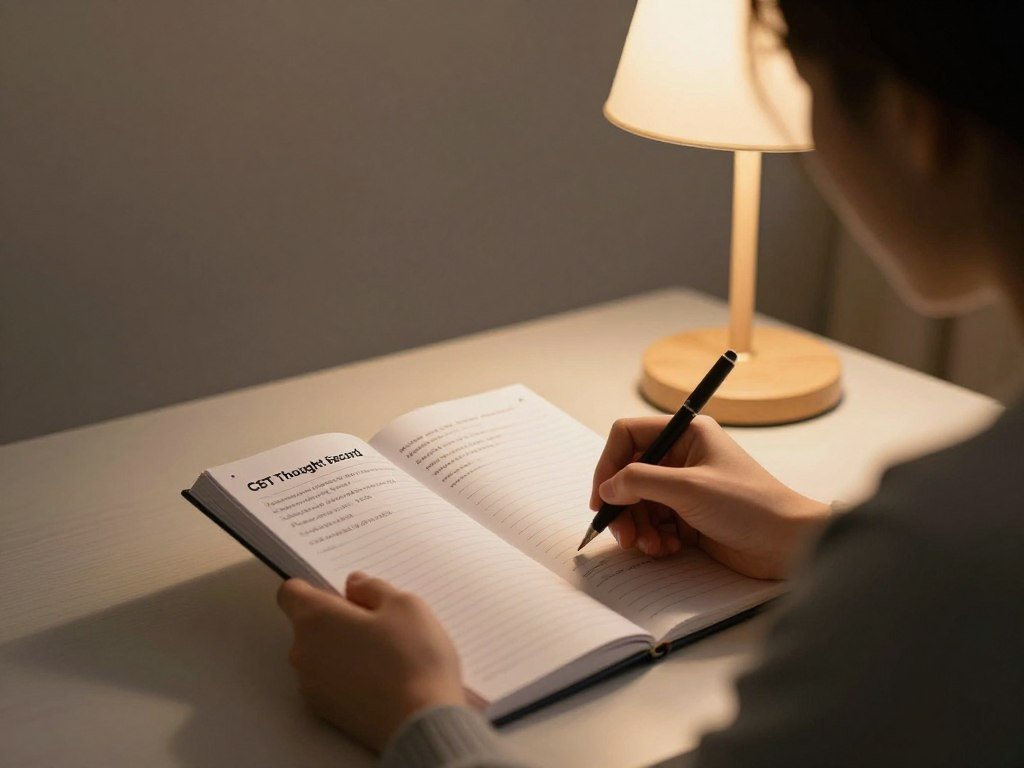
This technique involves examining your fearful thoughts and challenging their validity. When you think “Something terrible will happen if I sleep alone,” you learn to question this thought. What evidence supports it? What evidence contradicts it? What would you tell a friend having this thought?
You then work on replacing distorted thoughts with more balanced, realistic ones. Instead of “I’m in danger alone,” you might think “I’ve slept alone safely many times. My home is secure. I have a phone if I need help.”
Exposure Therapy
Gradual exposure is one of the most effective methods for overcoming fears. The idea is to face your fear in small, manageable steps rather than avoiding it entirely. This approach is sometimes called systematic desensitization.
You create a fear hierarchy, ranking situations from least to most anxiety-producing. Then you systematically work through each level, starting with the easiest. For example:
- Staying alone in your bedroom during the day for 10 minutes
- Lying in bed alone during daylight for 20 minutes
- Staying in your bedroom alone for 30 minutes in the evening
- Going to bed at your normal bedtime with someone checking on you every 15 minutes
- Going to bed with someone checking once after 30 minutes
- Sleeping through the night alone with someone available in the house
- Sleeping completely alone in your home
Each step becomes easier as your brain learns that the feared outcome doesn’t occur. You build tolerance and confidence gradually.
Relaxation and Grounding Techniques
When anxiety spikes at bedtime, having concrete tools to calm your nervous system is essential. These techniques work by activating your parasympathetic nervous system, which counteracts the fight-or-flight response.
Deep Breathing Exercises
Controlled breathing is powerful because it directly affects your autonomic nervous system. Try the 4-7-8 breathing technique:
- Breathe in through your nose for 4 counts
- Hold your breath for 7 counts
- Exhale completely through your mouth for 8 counts
- Repeat this cycle four times
Box breathing is another effective method. Inhale for 4 counts, hold for 4, exhale for 4, hold for 4. Visualize tracing a square as you breathe.
Progressive Muscle Relaxation
This technique involves systematically tensing and relaxing different muscle groups. Start with your toes, squeeze tight for 5 seconds, then release completely. Move up through your legs, stomach, hands, arms, shoulders, neck, and face. The contrast between tension and relaxation helps your entire body release stress.
The 5-4-3-2-1 Grounding Technique
This sensory awareness exercise pulls you out of anxious thoughts and into the present moment:
- Name 5 things you can see in your room
- Name 4 things you can physically feel (your sheets, the pillow, your clothes)
- Name 3 things you can hear
- Name 2 things you can smell (or like the smell of)
- Name 1 thing you can taste
This technique redirects your mind away from fear and toward concrete, present-moment sensory information.
Creating a Safe and Comfortable Sleep Environment
Your bedroom should be your sanctuary. Making environmental changes can significantly reduce bedtime anxiety and help you feel more secure.
Optimize Your Sleep Space
Temperature matters. Keep your room between 60-67 degrees Fahrenheit, which is optimal for sleep. Your body temperature naturally drops during sleep, and a cooler environment supports this process.
Address lighting thoughtfully. Complete darkness is ideal for sleep quality, but if darkness increases your anxiety, use a very dim nightlight. Plugin LED nightlights that emit warm tones work well. Avoid bright lights or screens, as blue light suppresses melatonin production.
Sound management is important too. If silence feels uncomfortable, consider white noise machines, fans, or gentle nature sounds. These create a sound buffer that masks startling noises while providing soothing background audio.
Security Enhancements
If fear of intruders is your primary concern, taking practical security steps can ease anxiety:
- Install quality locks on doors and windows
- Consider a home security system with monitoring
- Add motion-sensor exterior lighting
- Keep a phone charger near your bed
- Have a plan for emergencies
- Get to know your neighbors
Sometimes knowing you’ve taken reasonable precautions allows your mind to relax. You’ve done what you can to stay safe, and continuing to worry doesn’t add protection.
Comfort Objects and Companionship
There’s no shame in using comfort objects. A weighted blanket can provide soothing pressure that reduces anxiety. Many people find the sensation similar to being hugged, which can ease feelings of loneliness.
If you have a pet, consider allowing them in your bedroom. Dogs and cats can provide companionship without the complexity of human relationships. Even having a pet bed in your room can reduce feelings of being alone. Studies show that pet owners often sleep better and feel more secure.
Establishing a Consistent Bedtime Routine
Your brain loves routines. A consistent bedtime ritual signals your body that it’s time to wind down and prepares you psychologically for sleep.
Start your routine about 60-90 minutes before your target sleep time. Your routine might include:
- Dimming lights throughout your home
- Taking a warm bath or shower
- Gentle stretching or yoga
- Reading something calming (not on a screen)
- Listening to peaceful music or guided meditation
- Journaling or writing down tomorrow’s tasks
- Practicing gratitude exercises
- Drinking caffeine-free herbal tea
Avoid stimulating activities before bed. Skip intense exercise, work tasks, difficult conversations, scary movies, or disturbing news. Your mind needs time to decompress before you can sleep peacefully.
Mindfulness and Meditation Practices
Mindfulness teaches you to observe thoughts and feelings without judgment or reaction. This skill is invaluable for managing bedtime anxiety.
Try a body scan meditation as you lie in bed. Starting with your toes, bring awareness to each part of your body, noticing any sensations without trying to change them. This practice grounds you in physical sensation rather than anxious thoughts.
Guided sleep meditations are available through many apps and websites. These lead you through relaxation visualizations specifically designed to ease you into sleep. Even 10-15 minutes can make a significant difference.
Challenging Scary Thoughts About Sleep
Many fears about sleeping alone involve catastrophic thinking. You imagine the worst possible outcomes, which your brain then treats as likely or even inevitable.
When intrusive thoughts arise, try these strategies:
Unhelpful Thought Patterns
- “What if someone breaks in and I’m asleep?”
- “I might die in my sleep and no one will know.”
- “Something terrible always happens when I’m alone.”
- “I can’t handle being by myself at night.”
Helpful Reframes
- “My home has good locks and security. Break-ins are statistically rare.”
- “Millions of people sleep alone safely every night. I have my phone nearby.”
- “I’ve slept alone successfully many times without incident.”
- “I’ve handled challenges before. I’m stronger than I think.”
Remember that thoughts are not facts. Just because you think something doesn’t make it true or likely to happen. Your anxious brain generates worst-case scenarios to try to protect you, but you don’t have to believe every thought that crosses your mind.

Medication and Natural Sleep Aids
While behavioral strategies should be your first approach, sometimes medication or supplements can provide temporary support as you work on overcoming your fear.
Natural Options
Melatonin is a hormone your body produces naturally to regulate sleep-wake cycles. Supplemental melatonin can help with falling asleep, though it doesn’t address underlying anxiety. Start with a low dose of 0.5-1mg about an hour before bedtime.
Magnesium supplements may help with relaxation and sleep quality. Magnesium glycinate is a well-absorbed form that’s gentle on the stomach.
Herbal teas like chamomile, valerian root, or passionflower have mild calming effects. While not as powerful as medications, they can be part of a soothing bedtime routine.
Prescription Medications
If your fear of sleeping alone is severe and not responding to other treatments, discuss medication options with your doctor. Anti-anxiety medications like SSRIs can reduce overall anxiety levels. Sleep medications might provide short-term relief while you work on behavioral strategies.
However, medications should complement therapy and lifestyle changes, not replace them. Sleep medications can create dependency and don’t address the root cause of your fear. Work with your healthcare provider to create a comprehensive treatment plan.
When to Seek Professional Help
While self-help strategies are valuable, sometimes professional support is necessary. Consider reaching out to a mental health professional if:
- Your fear of sleeping alone has persisted for more than a month despite trying self-help strategies
- The fear is significantly impacting your daily functioning, work, or relationships
- You’re experiencing symptoms of depression alongside sleep anxiety
- You have a history of trauma and believe it’s contributing to your fear
- You’re using alcohol or substances to help you sleep
- You’re having panic attacks at bedtime or during the night
- The fear is affecting your physical health
- You’re avoiding important activities or opportunities because of sleep concerns

Types of Professional Support
Several types of mental health professionals can help with fear of sleeping alone:
- Psychologists and therapists – Provide CBT, exposure therapy, and other evidence-based treatments
- Psychiatrists – Medical doctors who can prescribe medication if needed
- Sleep specialists – Focus specifically on sleep disorders and sleep-related anxiety
- Trauma therapists – Specialized training in PTSD and trauma-related sleep issues
What to Expect from Therapy
If you’ve never attended therapy before, it’s natural to feel uncertain about what happens. In your first session, your therapist will ask about your sleep history, when the fear began, what you’ve tried, and how it’s affecting your life. They’ll work with you to develop a personalized treatment plan.
Treatment typically involves weekly sessions where you’ll learn and practice coping techniques. Your therapist might assign homework, such as practicing relaxation exercises or gradually facing feared situations. Progress isn’t always linear, and that’s okay. Most people see significant improvement within 8-12 weeks of consistent therapy.
Many therapists now offer teletherapy options, which can be particularly helpful if leaving home causes anxiety. Online therapy has been shown to be just as effective as in-person sessions for anxiety disorders.
Take the First Step Toward Peaceful Sleep Tonight
You’ve learned about the causes and solutions for fear of sleeping alone. Now it’s time to take action. Our experienced mental health professionals are ready to support you with personalized strategies that work. Free initial consultations available.
Helping Children Overcome Fear of Sleeping Alone
If your child struggles with fear of sleeping alone, the approach differs somewhat from adult interventions. Children have vivid imaginations and are still learning to distinguish real threats from imagined ones.
Age-Appropriate Understanding
Children between ages 5 and 12 commonly develop bedtime fears. Their cognitive development means they’re becoming aware of dangers in the world, but they lack the life experience to assess actual risk accurately. A scary story at school or a frightening image on a video can seem very real to a child.
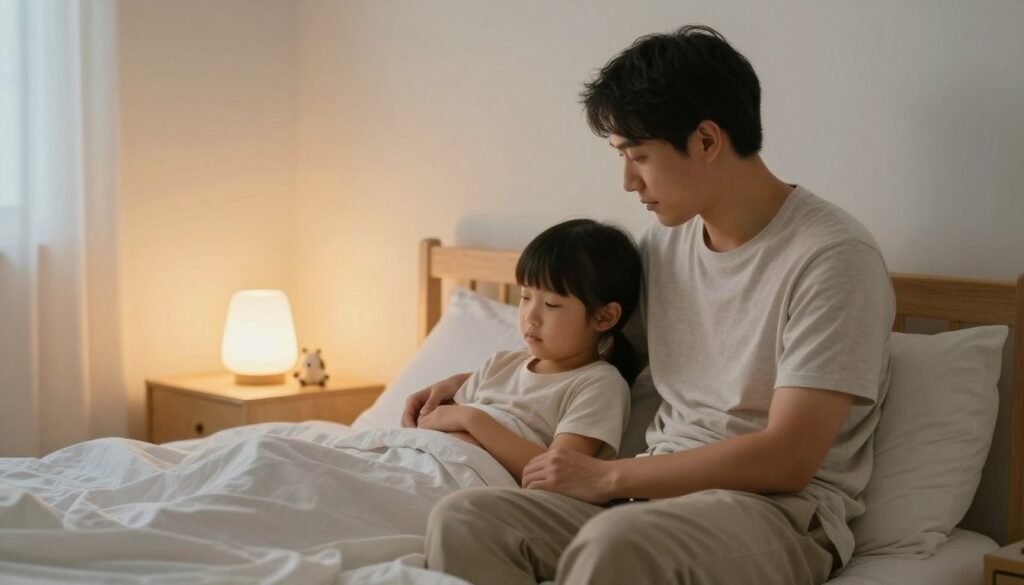
Validate your child’s feelings rather than dismissing them. Saying “There’s nothing to be afraid of” doesn’t help because to your child, the fear is very real. Instead, acknowledge their feelings: “I understand you’re feeling scared right now. Let’s figure this out together.”
Practical Strategies for Parents
The Check-In Method
This graduated approach helps children build confidence slowly. After your bedtime routine, leave the room but return to check on your child at increasing intervals. Start with every 5 minutes, then 10, then 15, and so on. This teaches your child that you will come back and that they’re safe during the intervals.
Empowerment Through Problem-Solving
Involve your child in creating solutions. Ask them what would help them feel safer. They might want a nightlight, the door left open a certain amount, or a specific stuffed animal. When children participate in solving the problem, they feel more in control.
Facts Over Fiction
If your child fears monsters, intruders, or specific threats, provide age-appropriate factual information. Explain that monsters aren’t real, they exist only in stories. For fear of break-ins, you can show them the locks on doors and windows and explain that your home is secure.
Reward Systems
Small rewards can motivate children and create positive associations with sleeping alone. Create a chart where your child earns a star or sticker for each successful night. After accumulating a certain number, they earn a special privilege or small toy. Keep rewards modest and focus on effort, not just outcomes.
What Not to Do
Avoid these common mistakes that can worsen childhood sleep anxiety:
- Don’t use punishment for bedtime fear. This is not willful misbehavior
- Don’t let them watch scary content before bed or at all if they’re particularly sensitive
- Don’t make sleeping alone contingent on being “brave” – this implies fear is shameful
- Don’t let the situation drag on indefinitely without seeking help if it’s not improving
- Don’t share your own anxieties about them sleeping alone – children pick up on parental worry
When Children Need Professional Help
Most childhood bedtime fears resolve with consistent, supportive parenting. However, seek professional help if:
- The fear has persisted for more than six months without improvement
- Your child’s fear is intensifying rather than gradually improving
- The sleep problem is affecting your child’s daytime functioning, school performance, or social life
- You suspect your child may have experienced trauma
- Your child shows signs of anxiety disorder or depression
- The situation is causing significant family conflict or stress
Child psychologists and family therapists have specialized training in childhood anxiety disorders. They can provide play therapy, CBT adapted for children, and family interventions that address the issue comprehensively.
Lifestyle Factors That Impact Sleep Anxiety
Your daily habits and overall lifestyle significantly influence your ability to sleep peacefully alone. Making adjustments in these areas can reduce anxiety and improve sleep quality.
Diet and Nutrition
What you eat and drink affects your sleep more than you might realize. Caffeine stays in your system for 6-8 hours, so avoid coffee, tea, chocolate, and energy drinks after early afternoon. Alcohol might make you drowsy initially but disrupts sleep quality and can increase anxiety.
Heavy meals close to bedtime can cause discomfort and interfere with sleep. However, going to bed hungry can also prevent sleep. A light snack that combines protein and complex carbohydrates can be helpful. Examples include a small bowl of oatmeal, whole grain crackers with cheese, or a banana with almond butter.
Stay hydrated during the day, but reduce fluid intake in the evening to minimize nighttime bathroom trips, which can trigger anxiety when you wake up alone.
Exercise and Physical Activity
Regular exercise is one of the most effective natural anxiety reducers. Physical activity helps burn off excess stress hormones, improves mood through endorphin release, and promotes better sleep quality.
Aim for at least 30 minutes of moderate exercise most days. Morning or afternoon exercise is ideal. Intense workouts close to bedtime can be too stimulating and make sleep difficult. However, gentle activities like yoga, stretching, or leisurely walking in the evening can be beneficial.

Screen Time and Technology
The blue light emitted by phones, tablets, computers, and TVs suppresses melatonin production, making it harder to fall asleep. More importantly for anxiety, engaging with social media, news, work emails, or stimulating content keeps your mind active and alert when it should be winding down.
Implement a technology curfew at least one hour before bed. Charge devices outside your bedroom if possible. If you must keep your phone nearby for emergencies, use airplane mode or do-not-disturb settings to prevent notifications from disturbing you.
Stress Management During the Day
Bedtime anxiety often stems from stress that accumulates throughout the day. If you don’t address stress during waking hours, it manifests at night when your mind finally has time to process.
Build stress-reduction practices into your daily routine. This might include meditation, journaling, talking with friends, engaging in hobbies you enjoy, or spending time in nature. Taking breaks during work, setting boundaries, and not over-scheduling yourself all help manage stress levels.
Social Connection
Isolation increases anxiety and depression. Even if you sleep alone, maintaining strong social connections during the day is crucial for mental health. Regular contact with friends, family, or community groups provides emotional support and reduces feelings of loneliness.
If you live alone and struggle with loneliness that contributes to bedtime fear, consider ways to increase social interaction. Join clubs or groups aligned with your interests, volunteer, take classes, or connect with neighbors. Video calls with distant loved ones can also provide meaningful connection.
Real Stories of Overcoming Fear of Sleeping Alone
Reading about others who’ve successfully overcome this fear can provide hope and inspiration. Here are composites of experiences from people who’ve worked through fear of sleeping alone.
Sarah’s Story: After Divorce
“After 15 years of marriage, suddenly sleeping alone felt impossible. Every sound scared me. I avoided bedtime, staying up until exhaustion forced me to sleep. Through therapy, I learned my fear wasn’t really about being alone. It was grief and fear of my new life.”
“My therapist had me practice sleeping alone gradually. First with my sister staying over, then with her in the next room, then on her own. I created a bedtime routine that felt nurturing rather than lonely. It took about three months, but now I actually enjoy my peaceful bedroom. It’s my sanctuary.”
Michael’s Journey: PTSD Recovery
“I’m a veteran, and nightmares made sleep terrifying. I couldn’t sleep without someone else in the house. My anxiety convinced me something bad would happen if I let my guard down. It affected my relationships and my ability to live independently.”
“Working with a trauma therapist who specialized in PTSD changed everything. EMDR therapy helped process my traumatic memories. I learned grounding techniques for when I wake up scared. My dog also helps tremendously. He’s trained to sense when I’m having nightmares and wake me. I’m not completely there yet, but I’ve gone from never sleeping alone to managing several nights a week on my own.”
Emma’s Success: Helping Her Daughter
“My 8-year-old daughter refused to sleep in her room for almost a year. She’d come to our bed every single night. We tried everything – rewards, punishments, sitting with her. Nothing worked, and we were all exhausted and frustrated.”
“We found an online program specifically for childhood bedtime fears. It worked with her to identify what exactly scared her and helped her create her own solutions. The check-in system was key. Knowing we’d come back made her feel safe enough to try. Within two weeks, she was sleeping through the night in her own room. She’s so proud of herself, and honestly, so are we.”
These stories illustrate that recovery is possible, though the timeline and approach vary by individual. The common threads are seeking support, consistent effort, and compassion for yourself during the process.
Frequently Asked Questions About Fear of Sleeping Alone
Is fear of sleeping alone a real phobia?
Yes, fear of sleeping alone is a recognized anxiety condition. When it involves fear of being alone in general, it may be related to autophobia or monophobia. When it specifically involves fear around sleep, it relates to somniphobia or sleep anxiety. If the fear is severe enough to significantly impact daily functioning, it meets criteria for a specific phobia or anxiety disorder. The important thing to know is that it’s a legitimate psychological issue, not something you should feel ashamed about or just “get over.”
Why did my fear of sleeping alone suddenly start as an adult?
Adult-onset fear of sleeping alone often develops after significant life changes or stressful events. Common triggers include divorce or breakup, death of a partner or loved one, moving to a new home, experiencing trauma, developing a medical condition, or going through a period of high stress or anxiety. Sometimes watching disturbing news or media can trigger these fears as well. Your brain may be responding to a perceived increase in vulnerability or threat, even if rationally you know you’re safe.
How long does it take to overcome fear of sleeping alone?
The timeline varies significantly based on the severity of your fear, underlying causes, and treatment approach. With consistent practice of coping strategies, many people see improvement within 4-8 weeks. Working with a therapist using CBT or exposure therapy typically shows results within 8-12 weeks. Some people experience relief more quickly, while others with complex trauma or severe anxiety may need several months of treatment. The key is consistent effort and patience with yourself. Progress isn’t always linear, and setbacks are normal parts of the recovery process.
Should I force myself to sleep alone if I’m terrified?
Forcing yourself into a situation that creates severe panic isn’t helpful and can actually reinforce the fear. Instead, take a graduated approach. Start with manageable challenges that create some anxiety but not overwhelming terror. This might mean sleeping alone for just part of the night, having someone check on you regularly, or starting with less anxiety-provoking situations during the day. Gradual exposure combined with coping skills is much more effective than forcing yourself to endure overwhelming fear.
Can medication help with fear of sleeping alone?
Medication can be helpful for some people, especially if you have an underlying anxiety disorder or are experiencing severe symptoms that prevent you from engaging in therapy or practicing coping strategies. Anti-anxiety medications (SSRIs or SNRIs) can reduce overall anxiety levels. Short-term sleep medications might provide relief while you work on behavioral strategies. However, medication works best when combined with therapy and lifestyle changes, not as a standalone solution. Talk to your doctor about whether medication might be appropriate for your situation. Natural supplements like melatonin or magnesium may also help and have fewer side effects.
Is it normal for the fear to be worse some nights than others?
Absolutely. Anxiety fluctuates based on many factors including stress levels, how much sleep you got the night before, what’s happening in your life, hormonal changes, and even what you ate or drank. Some nights will be harder than others, and that’s completely normal. Don’t interpret a difficult night as failure or regression. The overall trend matters more than any single night. Keep practicing your coping strategies even when you have a setback, and be compassionate with yourself on the tough nights.
Will I ever enjoy sleeping alone, or will I just tolerate it?
Many people who overcome fear of sleeping alone genuinely come to appreciate and enjoy it. They discover benefits they hadn’t considered: controlling the temperature and lighting exactly how they like, spreading out in bed, reading or watching what they want, following their own schedule without coordinating with someone else. Recovery isn’t just about reducing fear—it’s about building positive associations with solo sleep. With time and practice, what once felt frightening can become genuinely peaceful and even preferred.
How do I explain this fear to my partner or family?
Be honest and direct. Explain that you’re dealing with anxiety that’s not under your control, and that you’re working on it. Help them understand that dismissing the fear or pushing you to “just get over it” isn’t helpful. Let them know specific ways they can support you—whether that’s checking in at certain times, being patient while you practice coping strategies, or accompanying you to therapy appointments. Most people are more understanding than you might expect when they understand it’s a genuine mental health concern, not attention-seeking or manipulation.
Moving Forward: Your Path to Peaceful Sleep
Fear of sleeping alone is more than just a preference for company. It’s a genuine anxiety condition that affects your sleep, health, relationships, and quality of life. But here’s the important truth: this fear is treatable, and recovery is possible.
You’ve learned that this fear can stem from anxiety disorders, separation anxiety, grief and loss, past trauma, or environmental concerns. You understand now that thoughts and feelings you experience at bedtime have psychological explanations rooted in how your brain processes threat and vulnerability.
More importantly, you now have concrete strategies to address this fear. Cognitive behavioral techniques help you challenge anxious thoughts. Relaxation and grounding exercises give you tools to calm your nervous system. Environmental changes make your bedroom feel safer. Gradual exposure builds your confidence step by step. Professional support provides expert guidance when you need it.
Remember that overcoming this fear is a journey, not a destination. Some nights will be easier than others. Progress isn’t always linear. You might have setbacks, and that’s okay. What matters is your overall trajectory and your commitment to working through this challenge.
Be patient and compassionate with yourself. You’re not weak for having this fear. You’re not alone in struggling with it. And seeking help—whether through self-help strategies, therapy, or both—is a sign of strength, not weakness.
Take the first step today. Whether that’s practicing one relaxation technique tonight, reaching out to a therapist, making your bedroom feel more secure, or simply acknowledging that you deserve peaceful sleep, every small action moves you closer to your goal.
Peaceful, restorative sleep alone is within your reach. With understanding, the right strategies, and consistent effort, you can reclaim your nights and wake up feeling rested, confident, and ready to face each new day.
Remember These Key Points
- Fear of sleeping alone is a real, treatable condition affecting millions of people
- The causes are complex and often involve anxiety, trauma, grief, or life transitions
- Evidence-based treatments like CBT and exposure therapy are highly effective
- Self-help strategies including relaxation techniques, environmental changes, and routines make a significant difference
- Professional help is available and recommended if self-help isn’t sufficient
- Recovery takes time, and setbacks are normal parts of the process
- You deserve restful, peaceful sleep—and you can achieve it
Start Your Journey to Better Sleep Tonight
Don’t spend another night struggling alone with fear and anxiety. Professional, compassionate support is just a phone call or click away. Our specialized therapists understand what you’re going through and have helped hundreds of people just like you overcome fear of sleeping alone.
24/7 Crisis Support: 1-800-273-8255
Special Offer: Mention this article for a free 30-minute consultation • All sessions confidential • Licensed professionals • Insurance accepted