

Getting behind the wheel should feel empowering. For millions of people, driving represents freedom and independence. Yet for many others, the simple act of starting a car triggers overwhelming panic. If your hands shake when you think about merging onto the highway, or if you’ve turned down job opportunities because they required driving, you’re experiencing something very real.
This fear has a name. Mental health professionals call it vehophobia or driving phobia. It affects people of all ages and backgrounds. The condition can range from mild nervousness to complete avoidance of vehicles.
The good news? This fear doesn’t have to control your life. With proper understanding and treatment, people overcome driving anxiety every day. This guide will walk you through everything you need to know about conquering this challenge.
What Is Fear of Driving?
Fear of driving goes beyond normal caution on the road. It’s an intense, persistent anxiety that interferes with daily life. Mental health professionals recognize this as a specific phobia related to operating or riding in motor vehicles.
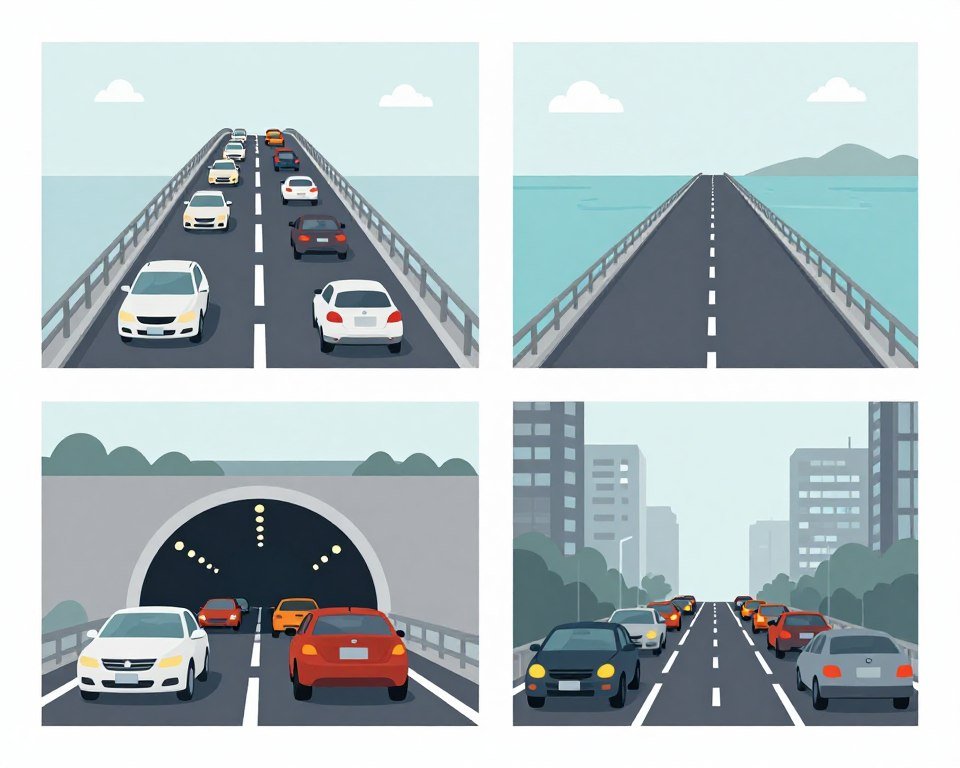
Some people fear driving altogether. Others experience anxiety only in certain situations. You might feel fine on quiet neighborhood streets but panic at the thought of highway driving. Or perhaps bridges and tunnels trigger your fear response.
The medical community also uses other terms for this condition. Amaxophobia refers to fear of being in a vehicle as either driver or passenger. Some sources mention hamaxophobia or motorphobia. All these terms describe the same basic problem.
About 8 to 12 percent of adults in the United States experience a specific phobia in any given year. Driving phobia represents a significant portion of these cases. The condition tends to persist without proper treatment.
This fear differs from typical driving stress. Everyone feels some tension in heavy traffic or bad weather. That’s normal and actually helpful for staying alert. But when fear becomes so intense that it limits where you go and what you do, it crosses into phobia territory.
Recognizing the Symptoms of Driving Phobia
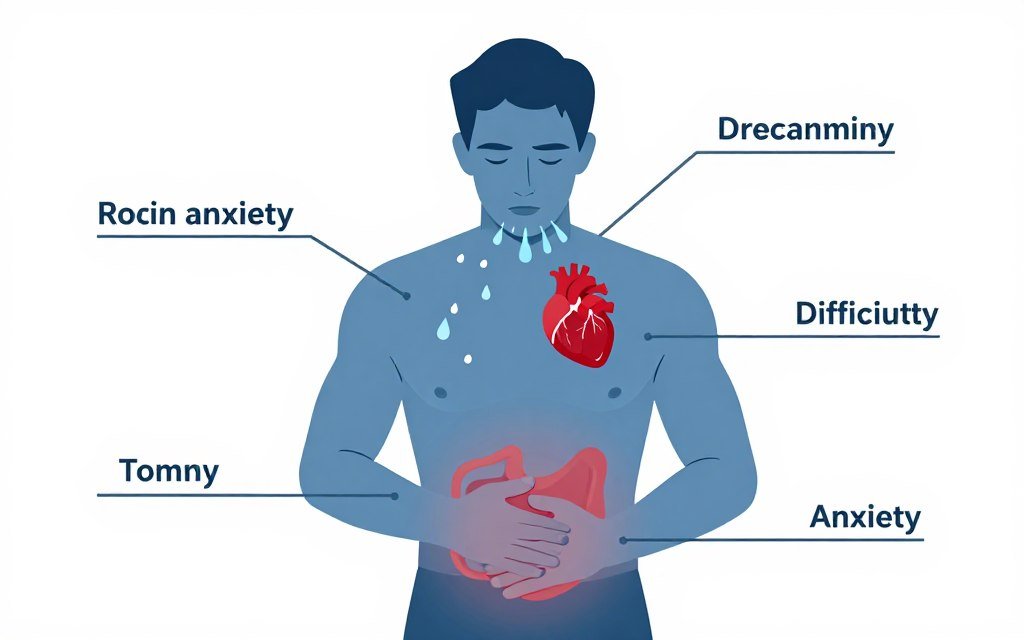
Driving anxiety manifests through physical sensations, emotional responses, and behavioral changes. Understanding these symptoms helps you recognize when normal caution becomes problematic fear.
Physical Symptoms
Your body activates its fight-or-flight response when you encounter driving situations. This natural survival mechanism can produce intense physical reactions even when no real danger exists.
- Rapid heartbeat or heart palpitations
- Sweating, especially on palms
- Trembling or shaking hands
- Shortness of breath or feeling smothered
- Chest pain or tightness
- Dizziness or lightheadedness
- Nausea or stomach discomfort
- Tingling or numbness in extremities
- Feeling detached from reality
- Muscle tension throughout body
- Dry mouth
- Difficulty swallowing
Emotional and Mental Symptoms
The psychological aspects of driving fear can be just as debilitating as physical symptoms. These thoughts often feel intrusive and uncontrollable.
- Intense worry about being in a severe accident
- Fear of losing control of the vehicle
- Anxiety about causing harm to others
- Dread of being trapped inside a car
- Panic about having a panic attack while driving
- Concerns about being stranded on the roadside
- Obsessive thoughts about potential dangers
- Feeling overwhelmed when planning trips
These worries don’t limit themselves to actual driving moments. Many people experience anticipatory anxiety. You might feel distress days before a planned drive. Even hearing others discuss driving can trigger physical symptoms.
Behavioral Changes
Perhaps the most visible symptom is avoidance. People with driving phobia often restructure their entire lives around their fear.
You might turn down job opportunities that require commuting. Social events become stressful if they involve driving. Some people rely heavily on others for transportation. Others limit activities to places within walking distance.
This avoidance brings short-term relief but strengthens the fear long-term. Each time you avoid driving, your brain learns that driving is dangerous. The phobia becomes more entrenched.
Important Note: If you experience thoughts of harming yourself or extreme panic attacks while driving, seek immediate help from a mental health crisis line or emergency services. Your safety matters most.
What Causes Fear of Driving?
Understanding why this fear develops can help guide treatment. The causes vary widely from person to person. Sometimes multiple factors combine to create driving anxiety.
Direct Traumatic Experiences
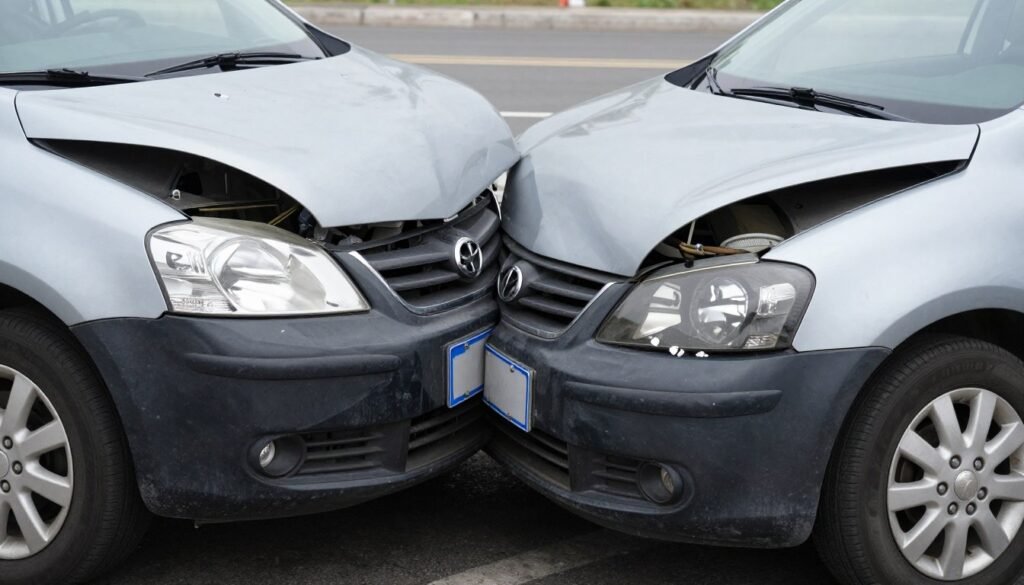
Car accidents represent the most obvious trigger. Being involved in a crash, even a minor one, can create lasting psychological effects. The trauma doesn’t require severe physical injury to impact mental health.
Witnessing accidents also causes fear. Seeing someone you care about injured in a collision can be traumatic. Even watching dramatic accident coverage on television affects some people deeply.
Other negative experiences contribute too. Getting lost in an unfamiliar area creates anxiety. Driving through severe weather like intense rainstorms or snowstorms proves frightening. Road rage incidents or aggressive drivers can leave lasting impressions.
Panic Attacks and Anxiety Disorders
Many people develop driving fear after experiencing panic attacks behind the wheel. A panic attack produces terrifying physical sensations. Your heart races, you can’t catch your breath, and you feel like something terrible is happening.
Having this experience while driving creates a powerful association. Your brain links driving with danger. You begin avoiding driving to prevent another panic attack. This avoidance strengthens the fear through a process mental health professionals call negative reinforcement.
People with generalized anxiety disorder or other anxiety conditions show higher risk for developing specific phobias. If you already struggle with anxiety in other areas of life, driving anxiety may emerge more easily.
Lack of Experience or Confidence
New drivers often feel anxious. Learning to drive involves mastering complex skills while managing traffic dangers. Most people work through initial nervousness with practice.
However, some never gain that confidence. Limited driving experience prevents skill development. Without regular practice, driving continues feeling overwhelming. This creates a cycle where anxiety prevents practice, and lack of practice maintains anxiety.

Learned Behaviors
Children absorb attitudes from parents and caregivers. Growing up around fearful drivers influences your own relationship with driving. If your parents constantly expressed anxiety about car travel, you may have internalized those fears.
Overprotective parenting sometimes contributes. When caregivers emphasize driving dangers excessively, children develop heightened fear responses. These learned behaviors can persist into adulthood.
Medical Conditions
Certain health conditions increase driving anxiety. Vision problems make driving feel dangerous. Inner ear issues causing dizziness or vertigo create legitimate concerns about safety. Heart conditions might make physical symptoms of anxiety feel more threatening.
Some medications affect alertness or coordination. Discussing these concerns with healthcare providers helps separate medical issues from psychological fear.
Life Transitions and Stress
Major life changes sometimes trigger driving phobia. Pregnancy, becoming a parent, or caring for elderly relatives can increase anxiety about safety. Work stress or relationship problems may lower your overall anxiety threshold.
Sometimes driving fear appears without clear cause. The human brain is complex. Not every phobia traces back to a specific event. That’s okay. Treatment works regardless of whether you understand the original trigger.
Related Mental Health Conditions
Fear of driving sometimes overlaps with other mental health conditions. Understanding these connections helps ensure you receive appropriate treatment.
Post-Traumatic Stress Disorder (PTSD)
PTSD can develop after traumatic car accidents. This condition involves more than just fear. People with PTSD experience intrusive memories, flashbacks, and nightmares about the traumatic event.
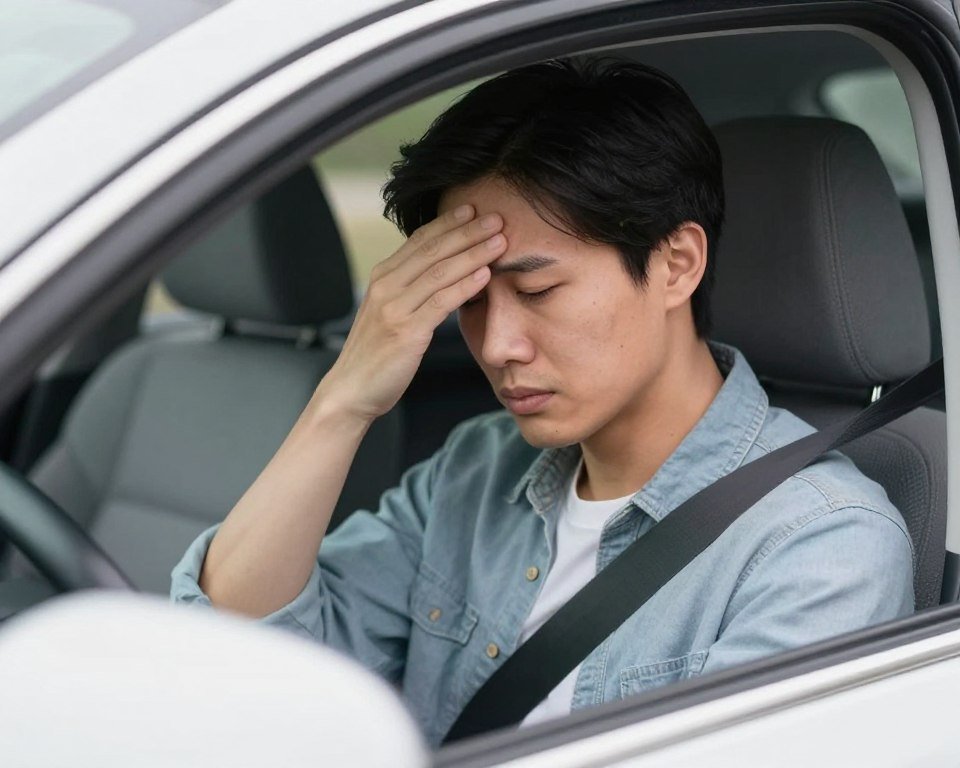
Driving-related PTSD causes hypervigilance on the road. You might constantly scan for potential dangers. Certain locations, sounds, or situations trigger intense emotional reactions. The fear feels overwhelming and uncontrollable.
PTSD symptoms extend beyond driving. People often experience emotional numbness, difficulty sleeping, and irritability. Professional treatment specifically designed for trauma helps address these symptoms.
Obsessive-Compulsive Disorder (OCD)
OCD sometimes manifests as driving fears. Hit-and-run OCD is a specific subtype where people experience intrusive thoughts about having hit someone without realizing it.
You might drive over a bump and immediately worry you struck a pedestrian. These doubts feel agonizing. They lead to compulsive behaviors like constantly checking mirrors, retracing your route, or seeking reassurance from passengers.
The key difference from general driving phobia is the obsessive doubt component. You’re not afraid of driving itself. You’re afraid you’ve done something terrible without knowing. Specialized treatment for OCD, particularly exposure and response prevention therapy, addresses these symptoms effectively.
Panic Disorder
Some people develop driving fear as part of broader panic disorder. Panic disorder involves recurrent, unexpected panic attacks followed by persistent worry about having more attacks.
If you have panic disorder, you might avoid any situation where escape seems difficult. This includes not just driving but also crowded stores, theaters, or public transportation. Treatment for panic disorder helps reduce both the panic attacks and the avoidance behaviors.
Common Specific Driving Fears
Many people don’t fear all driving equally. Certain situations trigger more intense anxiety. Understanding your specific triggers helps focus treatment efforts.
Highway and Freeway Driving
High-speed roads top the list of common fears. The faster pace leaves less reaction time. Multiple lanes require frequent attention shifts. Merging and lane changes feel risky.
Some people fear losing control at high speeds. Others worry about other drivers’ behavior. The inability to easily pull over or exit increases anxiety.
Bridges and Tunnels
These enclosed or elevated spaces trigger fear in many drivers. Bridges combine height fears with the inability to turn around. Tunnels create feelings of confinement.
Weather conditions on bridges feel more dangerous. Wind affects vehicle stability. In tunnels, the enclosed space amplifies any panic symptoms. Both situations offer limited escape options if anxiety strikes.

Heavy Traffic and Congestion
Bumper-to-bumper traffic triggers fears of being trapped. If panic symptoms arise, you can’t easily pull over. The constant stop-and-go requires sustained attention. Other drivers’ unpredictability adds stress.
Night Driving
Reduced visibility makes nighttime driving more challenging. Headlight glare bothers many drivers. Depth perception changes in darkness. Fatigue often accompanies night driving, increasing worry about reaction time.
Unfamiliar Routes
Driving in new areas combines multiple anxiety triggers. You don’t know the roads. GPS might fail or give confusing directions. Finding parking presents unknown challenges. The fear of getting lost compounds other anxieties.
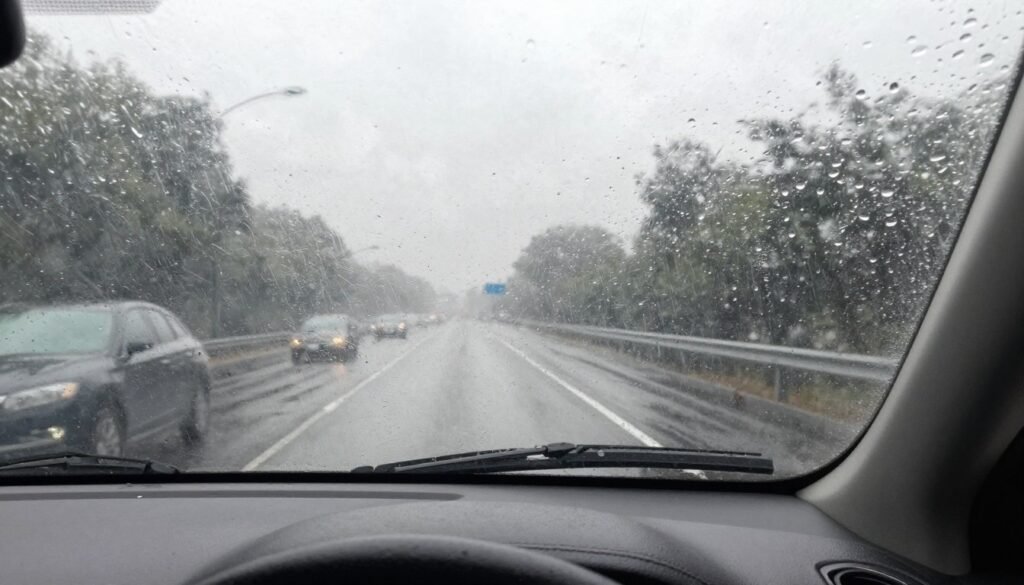
Weather-Related Fears
Rain, snow, ice, and fog reduce traction and visibility. These conditions require extra caution from all drivers. For anxious drivers, weather becomes a reason to avoid travel entirely.
How Driving Fear Affects Daily Life
The consequences of driving phobia extend far beyond simply not driving. This condition reshapes how you live, work, and connect with others.
Employment and Career
Many jobs require reliable transportation. Without the ability to drive, your employment options narrow significantly. You might turn down promotions that involve travel or different work locations.
Relying on others for rides to work creates stress. Public transportation isn’t available everywhere. The career impact of driving fear can be substantial.
Social Connections
Social isolation often follows driving avoidance. Visiting friends and family becomes complicated. You decline invitations to events outside walking distance. Over time, relationships suffer from reduced contact.
Dating presents challenges. Many social activities assume participants can drive. Constantly asking for rides feels burdensome. Some people withdraw socially rather than explain their fear.

Healthcare Access
Medical appointments require transportation. Avoiding driving can lead to delayed or missed healthcare. This poses genuine health risks, especially for people with chronic conditions requiring regular monitoring.
Daily Necessities
Grocery shopping, banking, and other errands become obstacles. You might pay premium prices for delivery services. Or you depend on others’ schedules for basic needs. This dependency affects your sense of autonomy.
Family Responsibilities
Parents with driving fear struggle to meet children’s needs. School pickups, medical appointments, and activities all involve transportation. Partners often shoulder additional burden. Family dynamics shift under this pressure.
Mental Health Impact
Living with driving phobia affects overall mental health. The constant avoidance creates stress. You might feel ashamed or embarrassed about your fear. Self-esteem suffers when you perceive yourself as unable to do what others find routine.
Depression sometimes develops alongside driving anxiety. The isolation and limitations feel hopeless. Without treatment, quality of life continues declining.
Getting Diagnosed
Professional diagnosis helps ensure you receive appropriate treatment. Mental health providers use established criteria to assess whether your fear constitutes a clinical phobia.
When to Seek Professional Help
Consider consulting a mental health professional if your driving fear significantly disrupts your life. Red flags include turning down opportunities due to driving, relying completely on others for transportation, or experiencing panic attacks related to driving.
You don’t need to wait until fear becomes debilitating. Early intervention often leads to faster improvement. If driving anxiety affects your work, relationships, or daily functioning, that’s sufficient reason to seek help.

What to Expect During Assessment
A thorough assessment typically involves detailed questions about your symptoms, their history, and their impact. The provider will ask about specific situations that trigger fear. They’ll explore whether you’ve experienced trauma or have other mental health conditions.
Your provider might use standardized questionnaires to measure anxiety severity. These tools help track progress during treatment. Be honest about all symptoms, even if they seem embarrassing. Mental health professionals have heard it all before.
Self-Assessment Considerations
While self-diagnosis isn’t reliable, self-awareness helps. Ask yourself these questions:
- Does thinking about driving cause significant anxiety?
- Do you avoid driving even when it creates major inconvenience?
- Have you turned down opportunities because they required driving?
- Do physical symptoms arise when you consider driving?
- Has your driving avoidance increased over time?
- Do you feel your fear is excessive compared to actual danger?
Answering yes to several questions suggests professional evaluation would be beneficial. Remember that self-assessment questionnaires online don’t replace professional diagnosis. They simply indicate whether consultation makes sense.
Evidence-Based Treatment Options
The good news about driving phobia is that effective treatments exist. With proper intervention, most people see significant improvement. Treatment success depends on finding the right approach for your situation.
Cognitive Behavioral Therapy (CBT)
Cognitive behavioral therapy represents the gold standard treatment for specific phobias, including driving fear. This structured, goal-oriented approach helps you identify and change thought patterns that fuel anxiety.

CBT teaches that thoughts, feelings, and behaviors interconnect. When you think “I’m going to crash,” your body responds with fear. That fear reinforces the belief that driving is dangerous. CBT breaks this cycle.
Your therapist helps you recognize distorted thinking patterns. Common ones include catastrophizing (imagining worst-case scenarios), overgeneralizing (assuming one bad experience means all driving is dangerous), and black-and-white thinking (believing you must avoid driving completely).
You’ll learn to challenge these thoughts with evidence. Instead of “I’ll definitely crash,” you might think “I’ve driven safely many times before. Most trips end without incident.” This cognitive restructuring reduces anxiety over time.
Behavioral experiments test your fears in real situations. These experiences provide powerful evidence that your worries don’t match reality. The combination of cognitive and behavioral work makes CBT highly effective.
Exposure Therapy
Exposure therapy is often a component of CBT for phobias. This approach involves gradually facing feared situations in a controlled, systematic way. The goal is to reduce fear through repeated, safe exposure.
Treatment starts by creating a fear hierarchy. You and your therapist list driving situations from least to most anxiety-provoking. This might range from sitting in a parked car to highway driving in heavy traffic.

You begin with the easiest step. Once that no longer triggers significant anxiety, you move to the next level. Progress happens at your pace. There’s no rushing or pressure.
For example, you might start by simply sitting in a parked car. Next, you might start the engine. Then drive around an empty parking lot. Gradually, you work up to short trips on quiet roads, then busier streets, and eventually highway driving.
Exposure works through a process called habituation. Repeated exposure to feared situations teaches your brain that the danger you expect doesn’t materialize. Your anxiety naturally decreases as your brain learns driving is safe.
Some therapists use virtual reality exposure for initial steps. This technology allows practice in simulated driving environments before real-world exposure. While helpful, actual driving practice remains essential for full recovery.
Relaxation Techniques
Learning to manage physical anxiety symptoms helps you feel more in control. Several techniques prove effective for driving anxiety.
Deep Breathing Exercises
Slow, controlled breathing counteracts the fight-or-flight response. When anxiety strikes, your breathing becomes rapid and shallow. This sends danger signals to your brain.
Practice diaphragmatic breathing daily. Breathe in slowly through your nose for four counts. Hold for four counts. Exhale through your mouth for six counts. This pattern activates your body’s relaxation response.
Use this technique before driving and whenever anxiety rises on the road. Keep your breathing steady and controlled. Over time, this becomes automatic.
Progressive Muscle Relaxation
This method involves tensing and releasing muscle groups systematically. It teaches awareness of physical tension and how to release it.
Start with your toes. Tense them tightly for five seconds, then release. Notice the difference between tension and relaxation. Move up through your body—calves, thighs, stomach, shoulders, arms, and face.
Practice when not anxious so the skill becomes familiar. Then use it before driving to start with a relaxed body.
Mindfulness and Grounding
Mindfulness keeps you focused on the present moment rather than catastrophic future scenarios. When anxiety strikes, your mind races ahead to imagined disasters.

Try the 5-4-3-2-1 grounding technique. Identify five things you can see, four you can touch, three you can hear, two you can smell, and one you can taste. This anchors you in reality.
While driving, notice specific details. The texture of the steering wheel. The sound of tires on pavement. The color of the car ahead. These observations keep you present rather than lost in fearful thoughts.
Medication Considerations
Medication isn’t typically the first-line treatment for specific phobias. However, it sometimes plays a supporting role, especially when anxiety is severe or other conditions exist.
Anti-Anxiety Medications
Benzodiazepines like alprazolam or lorazepam reduce acute anxiety quickly. Some people take them before driving during early treatment stages. However, these medications can impair driving ability. They also carry risks of dependence with long-term use.
If your doctor prescribes anti-anxiety medication, understand how it affects you before driving. Never start a new medication and immediately get behind the wheel.
Antidepressants
Selective serotonin reuptake inhibitors (SSRIs) or serotonin-norepinephrine reuptake inhibitors (SNRIs) help with anxiety disorders. These medications don’t impair driving. They work gradually over weeks to reduce overall anxiety levels.
SSRIs often help when panic attacks accompany driving fear. They’re also appropriate if you have coexisting depression or generalized anxiety disorder.
Beta-Blockers
These medications target physical symptoms like rapid heartbeat. They don’t affect cognitive function. Some people find them helpful for performance-type anxiety.
Beta-blockers don’t treat the underlying fear. They simply make physical symptoms less intense. They’re best used alongside therapy, not as standalone treatment.
Important Medication Considerations
Never rely solely on medication for driving phobia. Therapy provides skills that last. Medication offers temporary symptom relief.
Discuss all options thoroughly with a psychiatrist or prescribing physician. Ask about side effects, particularly those affecting alertness or coordination. Be honest about your driving needs.
Some people benefit from short-term medication support while learning coping skills in therapy. As therapy progresses, medication often becomes unnecessary.
Driving Courses for Anxious Drivers
Specialized driving courses designed for anxious drivers exist in some areas. These programs combine driving instruction with anxiety management techniques.
Instructors in these courses understand anxiety disorders. They proceed at a comfortable pace. Lessons focus on building confidence through positive experiences.
Defensive driving courses help some people feel safer. Learning advanced vehicle control techniques and collision avoidance strategies reduces fear. Knowledge builds confidence.
Even standard driving refresher courses benefit people who’ve avoided driving long-term. Updating your skills and learning modern vehicle features makes driving less overwhelming.
Ready to Overcome Your Fear of Driving?
Professional support makes recovery faster and more effective. Licensed therapists who specialize in anxiety disorders can guide you through proven treatment methods. You don’t have to face this challenge alone.
Practical Self-Help Strategies
While professional treatment offers the most effective path to recovery, several self-help strategies support your progress. These techniques work best alongside therapy, not as replacement for it.
Start Small and Build Gradually
Don’t try to conquer your biggest fear immediately. Success comes through small, manageable steps. Create your own exposure hierarchy.
Begin with whatever feels achievable. Maybe that’s sitting in a parked car with the engine off. Or driving to the end of your street and back. Celebrate each success, no matter how minor it seems.
Practice regularly. Daily short sessions work better than occasional long ones. Consistency builds confidence faster than sporadic attempts.

Choose Optimal Practice Conditions
Make early practice as anxiety-free as possible. Drive during low-traffic times. Choose well-lit conditions if darkness increases fear. Pick routes you know well.
Avoid rush hour initially. Weekend mornings often offer empty roads for practice. As confidence grows, gradually introduce more challenging conditions.
Bring a Supportive Companion
Having a calm, supportive person with you reduces anxiety. Choose someone who won’t criticize or increase pressure. Their role is to provide reassurance, not instruction.
Eventually, practice driving alone. But in early stages, support helps. Make sure your companion understands their job is to stay calm and encouraging.
Plan Routes in Advance
Uncertainty increases anxiety. Planning your route thoroughly before leaving reduces surprises. Use GPS or mapping apps to study the route.
Identify landmarks along the way. Know where you can pull over if needed. Understanding your route provides a sense of control.
Allow extra time. Rushing adds pressure. When you have plenty of time, you feel less stressed.
Challenge Catastrophic Thoughts
Notice when your mind jumps to worst-case scenarios. Ask yourself: “What evidence supports this thought? What evidence contradicts it? What’s more likely to happen?”
Most feared catastrophes never occur. When you examine thoughts rationally, they lose power. Keep a thought log noting anxious predictions and actual outcomes. Over time, you’ll see the pattern of worry without consequence.
Focus on the Present
Anxiety lives in the future. “What if I panic?” “What if I crash?” These thoughts pull you from the present moment where you’re actually safe.
When you notice future-focused worry, redirect attention to right now. What are you actually experiencing this second? Usually, things are fine in the present.
Use present-moment phrases: “Right now, I’m driving safely.” “In this moment, I’m in control.” These statements anchor you in reality.

Create a Comfort Kit
Keep items in your car that promote calm. This might include water, tissues, breath mints, or hand sanitizer. Some people benefit from stress balls or fidget tools.
Having these items provides reassurance. You’re prepared if anxiety symptoms arise. Often, knowing you’re prepared reduces the likelihood you’ll need them.
Use Positive Affirmations
Positive self-talk counteracts negative internal dialogue. Create statements that feel genuine and believable. Examples include:
- “I’m learning to drive confidently.”
- “I’ve handled this situation before.”
- “My anxiety is uncomfortable but not dangerous.”
- “I’m doing something brave right now.”
- “Each drive makes the next one easier.”
Repeat these before and during driving. Your brain gradually accepts these messages as true.
Join Support Groups
Connecting with others who understand your experience reduces isolation. Support groups provide encouragement and practical tips.
Online forums and local anxiety support groups often include people working on driving fears. Hearing recovery stories instills hope. Sharing your own struggles feels validating.
Some communities have specific driving anxiety support groups. Ask mental health organizations in your area about options.
Maintain Overall Wellness
General health affects anxiety levels. Regular exercise reduces overall anxiety. Physical activity releases tension and improves mood.
Sleep matters enormously. When you’re tired, everything feels harder. Anxiety increases with sleep deprivation. Prioritize consistent sleep schedules.
Limit caffeine, especially before driving. Caffeine can mimic and intensify anxiety symptoms. Some people find it helpful to avoid caffeine entirely when working on driving fear.
Eat regularly. Low blood sugar creates physical sensations similar to anxiety. Stable nutrition supports stable mood.
Download Your Free Coping Guide
Get our comprehensive PDF guide: “10 Evidence-Based Techniques to Manage Driving Anxiety.” Includes printable worksheets, breathing exercises, and exposure hierarchy templates.
Handling Panic Attacks While Driving
Experiencing a panic attack behind the wheel feels terrifying. Having a plan helps you manage these situations safely. Remember: panic attacks are intensely uncomfortable but not dangerous.
Recognize What’s Happening
When panic symptoms start, acknowledge them immediately. Tell yourself: “This is a panic attack. It’s uncomfortable but harmless. It will pass.”
Understanding what’s occurring reduces additional fear. You’re not having a heart attack. You’re not losing your mind. You’re experiencing your body’s alarm system activating unnecessarily.

Use Your Breathing Technique
Immediately begin slow, controlled breathing. Panic makes breathing rapid and shallow. This worsens symptoms. Deliberate, slow breathing activates your calming response.
Count your breaths. Inhale for four, hold for four, exhale for six. Focus entirely on the counting. This gives your mind something to do besides panic.
Continue Driving If Safely Possible
This might sound counterintuitive, but stopping and pulling over can reinforce fear. Your brain learns “driving is so dangerous I had to stop.”
If you can safely continue driving, do so. Use your breathing technique. Keep your attention on the road. The panic will subside while you drive.
However, safety always comes first. If you genuinely cannot focus on driving, find a safe place to pull over. Don’t create actual danger.
If You Must Pull Over
Find a safe location—parking lot, rest area, or wide shoulder. Turn on your hazard lights. Take as long as you need.
Continue using your breathing technique. Don’t sit there catastrophizing. Focus on physical sensation of breathing. Notice the panic intensity decreasing over time.
When ready, resume driving. Don’t wait until anxiety is completely gone. As soon as you feel capable of safely operating the vehicle, get back on the road. This prevents avoidance from strengthening.
After the Episode
Don’t beat yourself up. Panic attacks happen during recovery. They don’t mean you’re failing. Actually, how you handle them matters more than whether they occur.
If you continued driving or quickly resumed, congratulate yourself. You didn’t let panic dictate your behavior. This builds resilience.
Use the experience as learning. What triggered the panic? What helped? What would you do differently next time? Each episode teaches you something.
Crisis Support Available: If you’re experiencing severe panic attacks or thoughts of harming yourself, reach out immediately. National Crisis Hotline: 988 (call or text available 24/7)
Long-Term Management and Relapse Prevention
Recovery from driving fear isn’t always linear. Understanding how to maintain progress and handle setbacks helps ensure lasting improvement.
Maintain Regular Driving Practice
Don’t stop driving once you feel comfortable. Regular practice keeps skills sharp and anxiety low. Make driving part of your routine, even when unnecessary.
Take short weekly trips purely for practice. Visit new places occasionally to maintain confidence with unfamiliar routes. Continued exposure prevents fear from returning.

Expect and Accept Setbacks
Almost everyone experiences temporary increases in anxiety during recovery. A near-miss on the road, a stressful life event, or even no obvious trigger can cause temporary setbacks.
Don’t interpret setbacks as failure. They’re normal parts of recovery. The difference now is you have tools to manage anxiety. Use your skills. Return to basics if needed.
Often, setbacks resolve quickly when you don’t catastrophize about them. “I’m more anxious today” doesn’t mean “I’m back to square one.”
Continue Using Anxiety Management Skills
Keep practicing breathing exercises, mindfulness, and cognitive restructuring even when anxiety is low. These skills maintain their effectiveness through regular use.
Think of anxiety management like physical fitness. You don’t stop exercising once you’re fit. Ongoing practice maintains results.
Build Resilience Through Varied Experiences
Challenge yourself gradually with new driving situations. Take different routes. Drive in various weather conditions when safe. Each new experience builds confidence.
Don’t let comfort zone become too narrow. Growth happens at the edges of your comfort zone. Purposefully expand what feels manageable.
Stay Connected to Support
Maintain contact with your therapist or support group even after formal treatment ends. Periodic check-ins help catch problems early. Booster sessions prevent major relapses.
Some people benefit from annual or semi-annual therapy sessions to review progress and reinforce skills. There’s no shame in ongoing support.
Address New Stressors
Life stress affects anxiety levels. When work becomes overwhelming or relationship problems arise, your driving anxiety might increase.
Don’t ignore overall stress management. Exercise, adequate sleep, healthy relationships, and work-life balance all protect against anxiety increases.
If new major stressors emerge, consider returning to therapy briefly. A few sessions can help you manage the stressor before it significantly impacts your progress.
Celebrate Your Progress
Acknowledge how far you’ve come. Remember when driving felt impossible? Notice what you can do now. Each milestone deserves recognition.
Keep a victory log. Record successful drives, new situations you’ve handled, and moments of reduced anxiety. During difficult times, reviewing this log reminds you of your capability.
Frequently Asked Questions
How long does it take to overcome fear of driving?
Treatment duration varies by individual. With consistent therapy and practice, many people see significant improvement within 8 to 16 weeks. Severe phobia or complex cases may require longer treatment.
Progress depends on several factors: fear severity, treatment consistency, practice frequency, and whether other mental health conditions exist. Some people feel comfortable driving again after a few months. Others need six months to a year.
The key is consistent effort. Weekly therapy sessions combined with regular practice between sessions produces fastest results. Remember that “overcoming” doesn’t mean never feeling anxious. It means managing anxiety effectively so it doesn’t control your choices.
Can I overcome driving fear without therapy?
Some people manage mild driving anxiety through self-help strategies and gradual exposure. Books, online resources, and support groups provide valuable tools.
However, professional treatment offers significant advantages. Therapists provide structure, accountability, and expertise. They help you avoid common pitfalls and maintain progress through difficult moments.
If your fear significantly limits your life, professional help is strongly recommended. Self-help can supplement therapy but rarely replaces it for moderate to severe phobia. Think of it like physical injury—minor issues heal with self-care, but serious problems need professional treatment.
What if I’ve been avoiding driving for years?
Long-term avoidance makes treatment more challenging but certainly not impossible. Many people successfully return to driving after years or even decades of avoidance.
Extended avoidance means your driving skills may need refreshing. Consider working with both a therapist for anxiety and a patient driving instructor for skills. This combination addresses both psychological and practical aspects.
Expect treatment to take longer than for someone with recent-onset fear. Your brain has spent years confirming that driving is dangerous through avoidance. Unlearning this takes time and patience. But recovery absolutely remains possible regardless of avoidance duration.
Should I tell my doctor about my driving fear?
Yes, discussing driving anxiety with your doctor is advisable. They can rule out medical conditions that might contribute to symptoms. Certain health issues cause dizziness, heart palpitations, or vision problems that legitimately affect driving safety.
Your doctor can also provide referrals to mental health specialists. They may identify other factors affecting anxiety, such as medication side effects or hormonal changes.
If medication might help your treatment, your doctor or a psychiatrist can discuss options. Remember that most driving phobia treatment focuses on therapy, not medication, but medical evaluation ensures you receive appropriate comprehensive care.
Will my driving anxiety ever completely go away?
Most people achieve dramatic reduction in driving anxiety through treatment. Many reach a point where anxiety no longer interferes with driving decisions or enjoyment.
However, complete elimination of all anxiety isn’t a realistic goal. Everyone experiences some nervousness in genuinely risky situations. The goal is reducing anxiety to normal, manageable levels.
After successful treatment, you’ll likely experience occasional mild anxiety in challenging driving situations. But you’ll have skills to manage it. The anxiety won’t control your behavior or cause significant distress. This represents successful treatment outcome.
Is it normal to be scared of driving after an accident?
Yes, increased caution and nervousness after a car accident is completely normal. Your brain’s primary job is keeping you safe. It naturally becomes more vigilant after experiencing actual danger.
For most people, this heightened anxiety gradually decreases with continued safe driving experiences. Your brain learns that accidents are infrequent events, not constant threats.
However, if fear persists beyond a few months, worsens over time, or prevents you from driving, professional help becomes important. This might indicate development of PTSD or driving phobia requiring treatment. Early intervention prevents fear from becoming entrenched.
Moving Forward With Confidence
Living with fear of driving doesn’t have to be permanent. Thousands of people successfully overcome this challenge every year. With proper understanding, effective treatment, and committed practice, you can reclaim your independence and freedom.
Remember these key points as you move forward:
- Driving phobia is a real, recognized condition affecting millions
- Your fear developed for understandable reasons
- Multiple effective treatment options exist
- Cognitive behavioral therapy offers the strongest evidence base
- Gradual exposure helps you face fear safely
- Self-help strategies support professional treatment
- Progress happens through small, consistent steps
- Setbacks are normal and don’t erase progress
- Recovery timelines vary but improvement is achievable
- Professional support makes the journey easier

Taking the first step often feels hardest. Whether that step is calling a therapist, sitting in your parked car, or simply admitting you need help—each action moves you toward recovery. You don’t need to be brave enough to drive immediately. You only need to be brave enough to start.
Your fear is valid. The limitations it creates are real. But so is the possibility of change. Mental health treatment has helped countless people overcome fears that once seemed insurmountable. You deserve that same opportunity for freedom and independence.
Don’t let embarrassment or shame delay seeking help. Driving phobia isn’t a character flaw or sign of weakness. It’s a treatable condition that responds well to appropriate intervention. Mental health professionals understand this fear. They’ve helped many others through similar struggles.
The road ahead may feel challenging. Recovery requires effort and patience. But consider what lies at the end of that road—the ability to go where you want, when you want. The freedom to pursue career opportunities. The joy of spontaneous adventures. The independence that comes with reliable transportation.
These possibilities await you. Your fear of driving doesn’t define you. It’s simply a challenge you’re learning to overcome. Every person who has successfully conquered this fear started exactly where you are now—uncertain but willing to try.
Take that first step. Reach out for support. Begin your journey toward confidence behind the wheel. The life you want is waiting on the other side of this fear.
Begin Your Journey to Confident Driving Today
You’ve taken an important step by educating yourself about driving fear. Now it’s time to take action. Connect with a licensed therapist who specializes in anxiety disorders and phobias. Professional guidance can help you develop a personalized treatment plan and provide the support you need throughout your recovery journey.
Prefer to speak with someone? Call our support line: