

The good news is that driving phobia is treatable. With proper understanding and the right approach, you can reclaim your independence and confidence on the road. This guide will walk you through everything you need to know about driving phobia and how to overcome it.
What Is Driving Phobia?
Driving phobia is a specific phobia characterized by intense, persistent fear related to operating a vehicle. This condition differs significantly from the normal caution or nervousness that new drivers might experience. People with driving phobia feel overwhelming anxiety that is out of proportion to the actual risks involved in driving.
The fear can be general, affecting all aspects of driving, or it can be specific to certain situations. Some people only experience anxiety when driving on highways or crossing bridges. Others might feel panic in heavy traffic or when driving alone. Regardless of the specific trigger, driving phobia seriously impacts quality of life.

Mental health professionals recognize driving phobia as a legitimate anxiety disorder. It falls under the category of situational phobias, which also includes fears of flying, elevators, or enclosed spaces. Like other anxiety disorders, driving phobia responds well to treatment when addressed properly.
Important distinction: Feeling nervous as a new driver is normal and typically decreases with experience. Driving phobia persists despite experience and requires professional intervention to overcome.
Recognizing the Symptoms of Driving Phobia
Driving phobia manifests through physical, emotional, and cognitive symptoms. Understanding these symptoms helps you recognize whether your driving anxiety might be more than just everyday stress.
Physical Symptoms
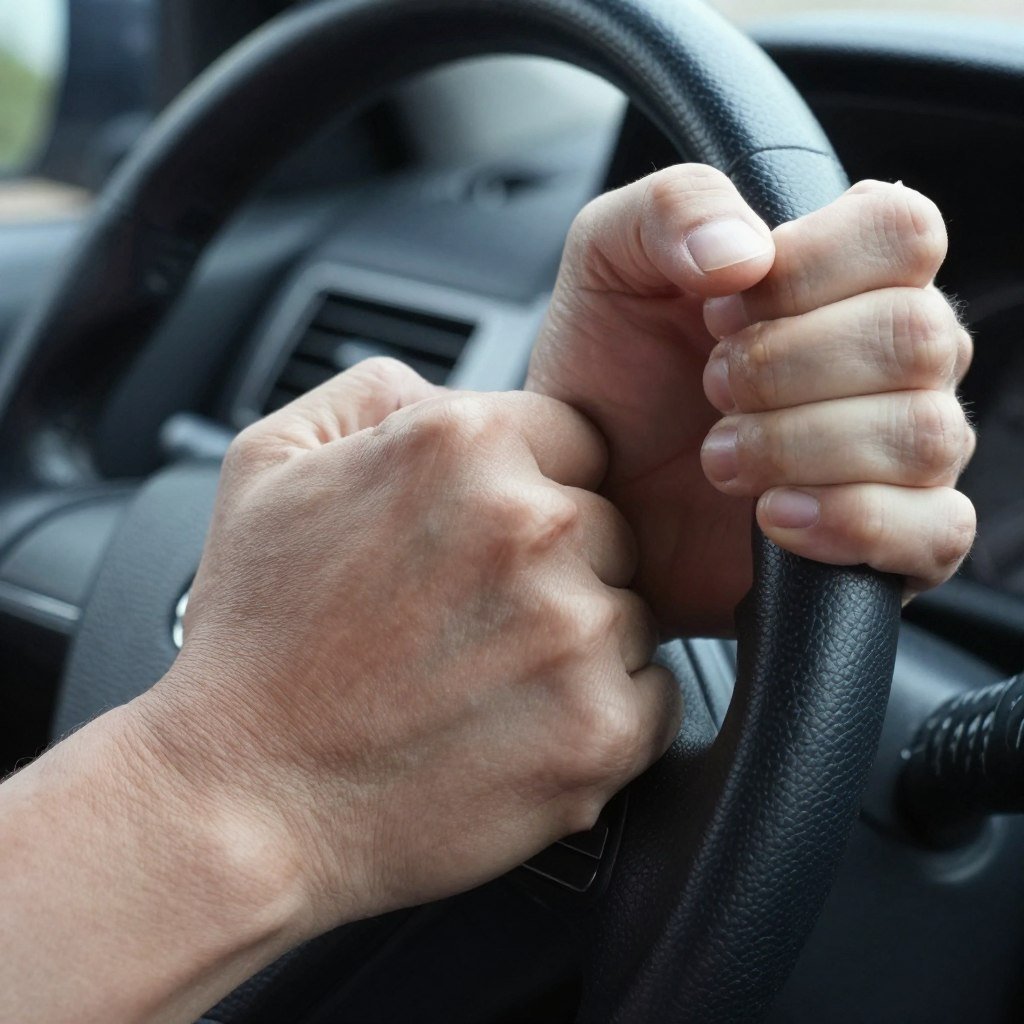
Your body’s fight-or-flight response activates when you think about or attempt driving. This natural reaction to perceived danger creates uncomfortable physical sensations that can include:
- Rapid heartbeat or pounding heart
- Sweating profusely, especially on palms
- Trembling or shaking hands
- Shortness of breath or feeling like you cannot breathe
- Chest tightness or pain
- Dizziness or lightheadedness
- Nausea or stomach discomfort
- Tingling sensations in hands or feet
Emotional and Mental Symptoms
Beyond physical reactions, driving phobia creates intense emotional distress and intrusive thoughts:
- Overwhelming sense of dread before driving
- Panic attacks while behind the wheel
- Feeling detached from reality while driving
- Intense worry about future driving situations
- Fear of losing control of the vehicle
- Catastrophic thinking about accidents
- Obsessive thoughts about driving dangers
Behavioral Symptoms
The fear often leads to avoidance behaviors that provide temporary relief but worsen the phobia over time:
Complete Avoidance
- Refusing to drive at all
- Depending entirely on others for transportation
- Declining job opportunities requiring driving
- Missing important events due to driving anxiety
Partial Avoidance
- Only driving on familiar routes
- Avoiding highways, bridges, or tunnels
- Refusing to drive at night
- Taking unnecessarily long routes to avoid triggers
When symptoms interfere with daily life: If your driving anxiety prevents you from maintaining employment, caring for family, or participating in activities you value, professional help can make a significant difference.
Take the First Step Toward Overcoming Your Fear
You don’t have to face driving phobia alone. Connect with experienced mental health professionals who specialize in anxiety disorders and can help you regain your independence on the road.
What Causes Driving Phobia?
Understanding what triggers driving phobia can help you address the root of your fear. While not everyone can identify a specific cause, several common factors contribute to the development of this condition.
Traumatic Experiences
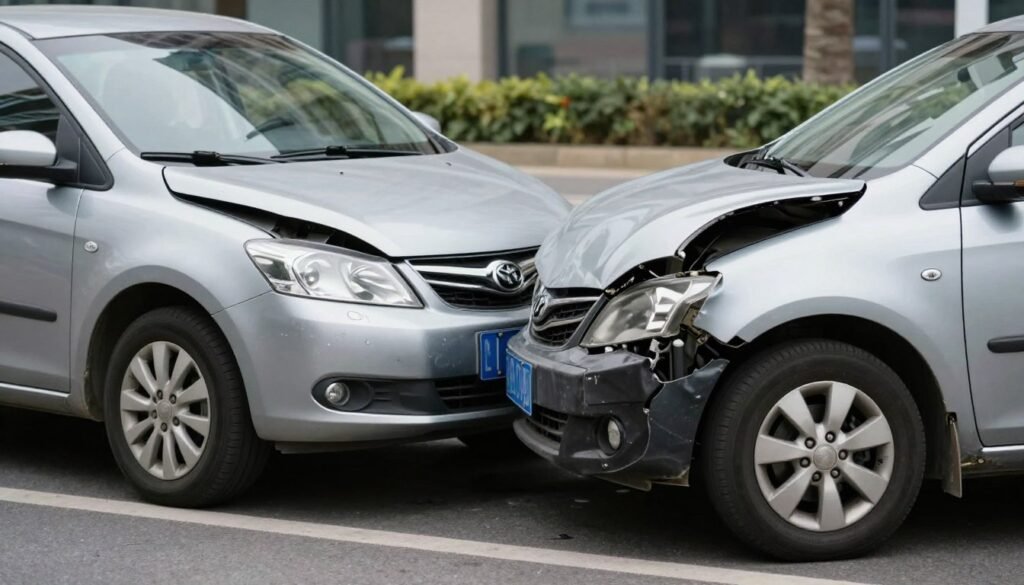
Direct involvement in a car accident ranks as the most common cause of driving phobia. The trauma from an accident can create lasting psychological effects that make driving feel dangerous, even when you understand rationally that most trips are safe.
You don’t need to be the driver to develop trauma-related driving anxiety. Passengers involved in accidents or people who witness serious crashes can develop the same intense fear. Even hearing detailed accounts of accidents from others can sometimes trigger anxiety about driving.
Panic Attacks While Driving
Experiencing a panic attack while driving creates a powerful negative association. The terrifying physical symptoms of a panic attack combined with the responsibility of controlling a vehicle can cement fear in your mind. You may start avoiding driving to prevent another panic attack, which actually increases your anxiety over time.
This cycle becomes self-reinforcing. The more you avoid driving, the more your anxiety grows. When you finally must drive, your heightened anxiety makes another panic attack more likely, further strengthening your fear.
Learned Behavior and Family Influence
Children who grow up around anxious drivers often develop similar fears. If your parents frequently expressed worry about driving, avoided certain roads, or displayed visible anxiety behind the wheel, you may have internalized these patterns. This learned anxiety can persist into adulthood even without a personal negative experience.

Common Learned Patterns
- Excessive worry about weather conditions
- Constant commentary about other drivers
- Visible tension or fear from adults while driving
- Frequent stories about accidents or close calls
- Avoidance of certain routes or driving situations
Lack of Driving Experience
New drivers naturally feel some anxiety as they learn complex skills. However, if you avoided getting your license during typical teenage years, starting to learn as an adult can feel overwhelming. The combination of unfamiliarity with vehicles, traffic rules, and spatial awareness can trigger intense anxiety that develops into a full phobia.
Underlying Anxiety Disorders
People with generalized anxiety disorder, panic disorder, or other anxiety disorders face higher risk of developing driving phobia. The tendency toward anxious thinking makes it easier to fixate on the potential dangers of driving. These pre-existing conditions can amplify normal driving concerns into debilitating fear.
Co-occurring conditions: Driving phobia sometimes overlaps with other mental health conditions like PTSD, OCD, or agoraphobia. A thorough assessment by a mental health professional can identify all factors contributing to your driving anxiety.
Driving Phobia and Related Conditions
Several mental health conditions can involve fear of driving, though the underlying mechanisms differ. Understanding these distinctions helps ensure you receive the most effective treatment.
Driving Anxiety and PTSD
Post-Traumatic Stress Disorder can develop after experiencing or witnessing a severe car accident. PTSD involves more than just fear of driving. People with driving-related PTSD often experience flashbacks to the accident, nightmares about crashes, and intense physical reactions when reminded of the traumatic event.
The fear in PTSD stems from actual trauma rather than an exaggerated perception of danger. Triggers might include driving past the accident location, seeing similar vehicles, or encountering weather conditions that match those during the trauma. Avoiding these triggers provides temporary relief but prevents emotional healing.

Driving Fear and OCD
Obsessive-Compulsive Disorder can manifest as hit-and-run OCD, where you experience intrusive thoughts about having accidentally hit someone while driving. These obsessive thoughts create intense doubt and anxiety, leading to compulsive behaviors like constantly checking mirrors, repeatedly driving back over routes, or avoiding driving altogether.
Unlike straightforward driving phobia where you fear losing control or being in an accident, OCD involves tormenting uncertainty about whether something bad already happened. The anxiety comes from the doubt itself rather than fear of future danger.
Agoraphobia and Driving
Some people develop fear of driving as part of agoraphobia, which involves anxiety about being in situations where escape might be difficult. If you primarily fear being trapped in traffic, stuck on a bridge with no exit, or far from help, agoraphobia might be the underlying issue rather than specific driving phobia.
Accurate diagnosis matters: While these conditions all involve fear related to driving, they require different treatment approaches. A qualified mental health professional can determine which condition best explains your symptoms and recommend appropriate therapy.
Common Specific Driving Fears
Driving phobia often focuses on particular situations rather than all driving. Identifying your specific triggers helps you and your therapist develop a targeted treatment plan.
Fear of Highways and Freeways
High speeds and limited exit options make highways especially frightening for many people with driving phobia. The inability to pull over quickly if you feel panic creates intense anxiety.
- Fast-moving traffic
- Merging difficulties
- Long distances between exits
- Multiple lanes to navigate
Fear of Bridges and Tunnels
These structures trigger claustrophobia and fear of being trapped. The height of bridges and enclosed feeling of tunnels combine to create powerful anxiety responses.
- Height and exposure
- No immediate escape route
- Structural concerns
- Limited visibility in tunnels
Fear of Driving Alone
Having a passenger provides reassurance and potential help if something goes wrong. Driving alone amplifies anxiety about being unable to handle an emergency situation.
- No one to help if needed
- Full responsibility for navigation
- Increased isolation
- Sole decision-maker

Other Common Specific Fears
- Driving in heavy traffic
- Night driving with reduced visibility
- Driving in bad weather conditions
- Making left turns across traffic
- Parking in crowded lots
- Driving in unfamiliar areas
Physical Concerns While Driving
- Fear of fainting behind the wheel
- Worry about heart attack symptoms
- Concern about losing consciousness
- Fear of having a medical emergency
- Anxiety about panic attack symptoms
- Worry about sudden illness
Find a Therapist Who Understands Your Specific Fears
Whether you fear highways, bridges, or all driving situations, specialized therapists can help you develop a personalized treatment plan. Start your journey to confident driving today.
Effective Treatment Options for Driving Phobia
The most important message about driving phobia is that it is highly treatable. You do not have to live with this fear forever. Several evidence-based approaches have helped thousands of people overcome driving anxiety and reclaim their independence.

Cognitive Behavioral Therapy
Cognitive Behavioral Therapy represents the gold standard treatment for driving phobia and other anxiety disorders. CBT works by helping you identify and change the thought patterns that fuel your fear. A skilled therapist guides you through this process step by step.
During CBT sessions, you learn to recognize catastrophic thinking about driving. Your therapist helps you examine the evidence for and against your fearful thoughts. You develop more balanced, realistic ways of thinking about driving situations that previously triggered panic.
Core Components of CBT for Driving Phobia
- Identifying automatic negative thoughts about driving
- Challenging distorted beliefs about danger
- Learning the difference between anxiety and actual danger
- Developing coping statements for anxious moments
- Building confidence through cognitive restructuring
- Understanding the cycle of avoidance and anxiety
Exposure Therapy
Exposure therapy is often integrated into cognitive behavioral therapy for phobias. This powerful technique involves gradually facing your fear in a controlled, systematic way. The process might sound frightening, but it happens at your pace with full support from your therapist.
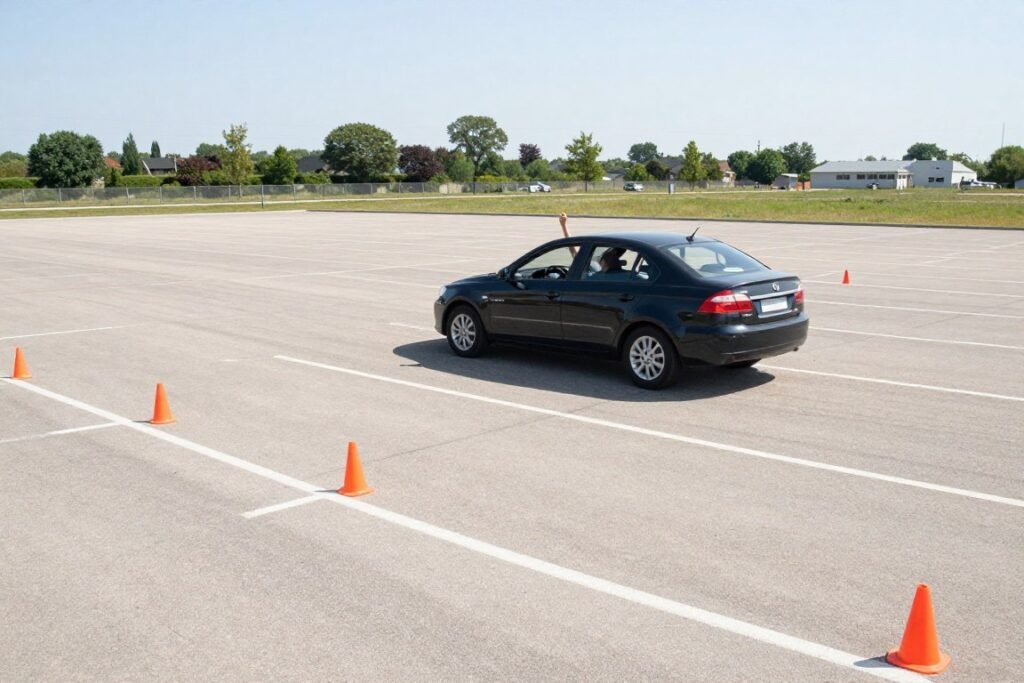
Treatment typically begins with less threatening situations and slowly progresses to more challenging ones. You might start by sitting in a parked car, then progress to starting the engine, driving in an empty parking lot, and eventually working up to highway driving. Each successful experience reduces your fear and builds confidence.
Sample Exposure Hierarchy
- Looking at pictures of cars and roads
- Sitting in a parked car
- Starting the car engine
- Driving in an empty parking lot
- Driving on quiet residential streets
- Driving on busier streets with traffic
- Driving on highways during off-peak hours
- Driving in various weather conditions
Virtual Reality Therapy
Some therapists use virtual reality technology to supplement traditional exposure therapy. VR allows you to experience driving situations in a completely safe, controlled environment. This approach can be particularly helpful if your anxiety is so severe that getting into an actual car feels impossible initially.
Virtual reality therapy works well as a stepping stone toward real-world driving practice. It allows you to experience various driving scenarios, including challenging situations like heavy traffic or bad weather, without any actual risk. However, VR should complement rather than replace real-world exposure for complete treatment success.
EMDR for Trauma-Based Driving Fear
Eye Movement Desensitization and Reprocessing offers an effective treatment specifically for driving fears rooted in trauma or PTSD. EMDR helps your brain process traumatic memories in a way that reduces their emotional intensity and power over you.
During EMDR sessions, your therapist guides you through recalling the traumatic event while engaging in bilateral stimulation, typically through eye movements. This process helps your brain reprocess the trauma, reducing the distress it causes and making it possible to think about driving without overwhelming panic.
Medication
While therapy addresses the root causes of driving phobia, medication can sometimes provide short-term relief as you work through treatment. A psychiatrist or doctor might prescribe medication if your anxiety is so severe that it prevents you from engaging in therapy or attempting exposure exercises.
Medication considerations: Anti-anxiety medications should be viewed as a temporary aid, not a long-term solution. They work best when combined with therapy. Always consult with a medical professional before starting any medication, and never rely on medication alone to overcome driving phobia.
Support Groups
Connecting with others who share your fear can provide validation and encouragement. Support groups, whether in-person or online, let you share experiences and learn from people who understand what you’re going through. Many people find tremendous relief in knowing they’re not alone in their struggle.
Some communities offer support groups specifically for driving phobia. Others focus on anxiety disorders more broadly. Your therapist can help you find appropriate groups in your area or recommend reputable online communities.
Self-Help Strategies and Coping Techniques
While professional treatment provides the foundation for overcoming driving phobia, you can practice several techniques on your own to manage anxiety and support your recovery.
Breathing Techniques
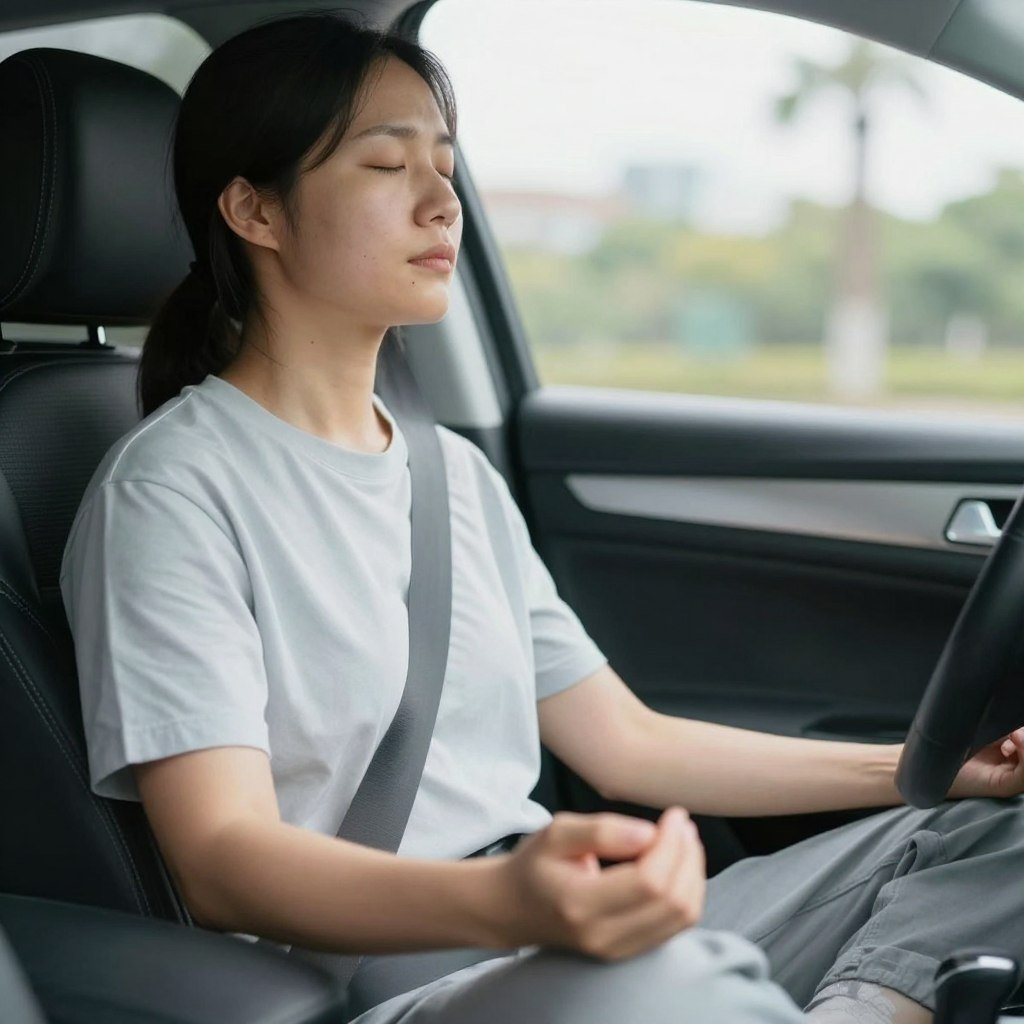
Proper breathing directly counters the physical symptoms of panic. When anxiety strikes, your breathing becomes rapid and shallow, which actually increases feelings of panic. Learning to control your breath gives you a powerful tool for managing anxiety in real-time.
4-7-8 Breathing Method
- Breathe in quietly through your nose for 4 counts
- Hold your breath for 7 counts
- Exhale completely through your mouth for 8 counts
- Repeat this cycle four times
Practice this technique regularly when you’re not driving so it becomes automatic. Then you can use it whenever anxiety begins to rise while behind the wheel or even before getting into the car.
Progressive Muscle Relaxation
This technique helps release physical tension that accompanies anxiety. You systematically tense and then relax different muscle groups in your body. Regular practice of progressive muscle relaxation trains your body to recognize and release tension more quickly.
Before driving, take five minutes to practice this technique. Start with your toes and work up through your legs, abdomen, chest, arms, and face. Tense each muscle group for five seconds, then release and notice the feeling of relaxation for ten seconds before moving to the next group.
Mindfulness and Grounding Techniques
Mindfulness helps you stay present rather than getting lost in anxious thoughts about what might happen. When anxiety tries to pull your attention toward catastrophic thinking, grounding techniques bring you back to the current moment.
5-4-3-2-1 Grounding Exercise
When anxiety strikes while driving, use your senses to ground yourself:
- Name 5 things you can see
- Name 4 things you can touch
- Name 3 things you can hear
- Name 2 things you can smell
- Name 1 thing you can taste
Positive Self-Talk
The way you talk to yourself matters enormously. Negative self-talk increases anxiety, while supportive, realistic self-talk helps you stay calm. Develop a set of coping statements you can use when fear begins to rise.
Unhelpful Thoughts
- “I’m going to crash”
- “I can’t handle this”
- “Something terrible will happen”
- “Everyone can tell I’m panicking”
- “I’m going to lose control”
Helpful Coping Statements
- “I’m feeling anxious, and that’s okay”
- “This feeling is uncomfortable but not dangerous”
- “I’ve driven safely before”
- “Anxiety is just a feeling; it will pass”
- “I can handle whatever comes”
Gradual Exposure Practice
You can begin your own gentle exposure practice before or alongside formal therapy. Start extremely small and increase difficulty very gradually. The key is to stay in each situation long enough for your anxiety to decrease naturally rather than escaping when panic peaks.
Guidelines for Self-Directed Practice
- Choose times when traffic is light and conditions are favorable
- Start with routes you know well rather than unfamiliar roads
- Bring a trusted person along for initial practice
- Stay in the situation until anxiety decreases by at least half
- Repeat each level multiple times before moving to the next
- Celebrate small victories and progress
Lifestyle Factors
Your overall mental health significantly impacts driving anxiety. Taking care of your general well-being makes managing specific fears easier.

- Get adequate sleep each night to reduce baseline anxiety
- Exercise regularly to burn off stress hormones
- Limit caffeine, which can increase anxiety symptoms
- Avoid alcohol, which may worsen anxiety over time
- Maintain regular eating habits to keep blood sugar stable
- Practice stress management in all areas of life
What to Do If You Have a Panic Attack While Driving
Having a panic attack while driving ranks among the most feared scenarios for people with driving phobia. Understanding how to handle this situation can reduce your fear and help you stay safe if it happens.
Understanding Panic Attacks
First, recognize what a panic attack actually is. Despite how it feels, a panic attack cannot harm you physically. The symptoms result from your body’s fight-or-flight response activating when no real danger exists. Your body is doing what it’s designed to do, just at the wrong time.
Panic attacks typically peak within ten minutes and then gradually subside. No panic attack lasts forever, even though it may feel endless while you’re experiencing it. This knowledge can provide crucial reassurance when symptoms strike.
Steps to Take During a Panic Attack
- Acknowledge what’s happening: Say to yourself, “I’m having a panic attack. This is uncomfortable but not dangerous.”
- Continue driving if safe to do so: Pulling over reinforces the message that driving is dangerous when you panic, which strengthens your phobia. If you can safely continue, do so.
- Start paced breathing: Slow your breathing down deliberately. Breathe in for four counts, hold briefly, exhale for four counts.
- Use grounding techniques: Notice specific details around you. Describe what you see out loud.
- Remind yourself it will pass: Keep repeating that the panic will peak and then decrease.
When to pull over: If you genuinely cannot continue driving safely, find the nearest safe place to stop – a parking lot, gas station, or wide shoulder. Once stopped, stay there and practice breathing until your anxiety reduces by at least half before continuing. Then resume your trip rather than calling for rescue, which reinforces avoidance.
After a Panic Attack While Driving
What you do after experiencing a panic attack while driving matters enormously. Your response either strengthens or weakens your phobia.
- Drive again as soon as possible, even a very short distance
- Don’t let the panic attack convince you that driving is too dangerous
- Talk to your therapist about the experience
- Recognize that having a panic attack doesn’t mean you’re failing
- Use the experience to practice coping skills
- Avoid letting others drive you as a result of the panic attack
Ready to Regain Your Freedom and Independence?
Thousands of people have overcome driving phobia with professional help. You can too. Take action today and start your journey toward confident, comfortable driving.
Finding the Right Professional Help
Choosing the right mental health professional makes a significant difference in your treatment outcome. Not all therapists have specific training in anxiety disorders or phobias, so finding someone with relevant expertise matters.

What to Look for in a Therapist
- Specialization in anxiety disorders or specific phobias
- Training in cognitive behavioral therapy and exposure therapy
- Experience treating driving phobia specifically
- Licensed professional (psychologist, licensed clinical social worker, licensed professional counselor)
- Good rapport and communication style that works for you
- Practical approach focused on concrete progress
Questions to Ask Potential Therapists
Don’t hesitate to interview therapists before committing to treatment. Most professionals offer brief phone consultations to determine if they’re a good fit for your needs.
About Their Approach
- What type of therapy do you use for phobias?
- Have you treated driving phobia before?
- How do you incorporate exposure therapy?
- What does a typical treatment timeline look like?
Practical Considerations
- Do you accept my insurance?
- What are your fees if paying out of pocket?
- Do you offer sliding scale fees?
- Can therapy include in-car sessions for exposure?
Types of Mental Health Professionals
Psychologists
Doctoral-level professionals (PhD or PsyD) with extensive training in psychological assessment and therapy. Many specialize in CBT and anxiety disorders.
Licensed Clinical Social Workers
Master’s-level professionals (LCSW) trained in therapy. Many have expertise in CBT and work specifically with anxiety and phobias.
Licensed Professional Counselors
Master’s-level professionals (LPC, LPCC) who provide counseling and therapy services, including treatment for anxiety disorders and phobias.
Treatment Settings
Therapy for driving phobia can occur in various settings. Consider which option works best for your situation and preferences.
- Traditional office therapy: Meet with your therapist in their office for regular sessions
- Teletherapy: Conduct sessions via video call, convenient but limiting for exposure practice
- In-vivo exposure: Some therapists will accompany you during driving practice as part of treatment
- Intensive programs: Some anxiety treatment centers offer intensive programs focusing specifically on phobias
What to Expect in Treatment
Understanding the typical treatment process helps you know what to anticipate and stay committed when challenges arise.
Initial Phase (Weeks 1-3)
- Assessment and understanding your specific fears
- Learning about anxiety and phobias
- Developing coping skills
- Building the exposure hierarchy
Active Treatment (Weeks 4-12)
- Beginning exposure exercises
- Gradually increasing difficulty
- Practicing new skills regularly
- Processing setbacks and progress
Maintenance (Weeks 13+)
- Continuing practice independently
- Addressing remaining challenges
- Preventing relapse
- Transitioning out of regular therapy
Treatment length varies based on severity and individual progress. Some people see significant improvement in 8-12 weeks, while others need longer. The key is consistent attendance and practice between sessions.
Maintaining Progress and Preventing Relapse
Successfully overcoming driving phobia is an incredible achievement. However, maintaining that progress requires ongoing attention and practice. Understanding how to preserve your gains helps ensure long-term success.
Continue Regular Driving
The most important factor in maintaining progress is continued exposure to driving. Even after your anxiety decreases significantly, avoiding driving can allow fear to creep back in. Make driving a regular part of your routine rather than something you only do when absolutely necessary.

Challenge Yourself Periodically
Don’t let your driving world shrink over time. Periodically tackle situations that still cause mild anxiety to prevent those fears from growing. This might mean occasionally driving on the highway even if you don’t need to, or driving in challenging weather conditions when they arise rather than always waiting for perfect conditions.
Watch for Avoidance Creeping Back
Stay aware of subtle avoidance behaviors that might return. Catching them early prevents them from becoming entrenched again. If you notice yourself starting to make excuses not to drive or taking unnecessarily long routes to avoid certain roads, address these patterns immediately.
Red flags for potential relapse: Making excuses to avoid driving, asking others to drive when you could do it yourself, feeling anxiety increasing again about situations you’d conquered, or canceling plans that require driving.
Refresh Your Coping Skills
Even after treatment ends, continue practicing the techniques you learned. Regular use of breathing exercises, mindfulness, and positive self-talk keeps these skills sharp and readily available when you need them.
Know When to Return to Therapy
Sometimes life events trigger a temporary increase in anxiety. A car accident, even a minor one, medical issues, or major life stress can affect your driving confidence. Don’t hesitate to schedule a few booster sessions with your therapist if you notice anxiety increasing significantly.
Frequently Asked Questions About Driving Phobia
Is driving phobia common?
Yes, driving phobia affects a significant number of people. While exact statistics are difficult to determine, studies suggest that 8-12% of adults experience some form of specific phobia in a given year. Driving-related fears are particularly common, especially following car accidents. Research indicates that approximately one-third of people involved in motor vehicle accidents develop some degree of driving anxiety or PTSD.
Can I overcome driving phobia without professional therapy?
While self-help strategies can provide some relief, professional therapy offers the most effective path to fully overcoming driving phobia. Cognitive behavioral therapy with exposure exercises has proven success rates for treating phobias. Attempting to face a phobia alone without proper guidance can sometimes worsen anxiety if you don’t know how to structure exposure properly. That said, working with a therapist doesn’t mean you can’t also practice self-help techniques. The combination of professional guidance and personal practice typically produces the best results.
How long does treatment for driving phobia typically take?
Treatment length varies based on several factors including severity of the phobia, whether trauma is involved, your commitment to practice, and individual progress rates. Many people see significant improvement within 8-16 weeks of consistent cognitive behavioral therapy with exposure exercises. Some individuals with milder symptoms may progress faster, while those with severe phobia or co-occurring conditions like PTSD may need several months of treatment. The key factors affecting timeline include regular attendance at therapy sessions, consistent practice of exposure exercises between sessions, and willingness to face uncomfortable situations gradually.
Will I ever feel completely comfortable driving?
Many people who successfully overcome driving phobia reach a point where driving feels routine and unremarkable, just as it does for people without phobias. You may not feel excitement about driving, but you can certainly reach a state where it no longer causes significant anxiety. Treatment aims to reduce fear to normal, manageable levels rather than eliminate all caution. Some healthy awareness of driving responsibilities and potential hazards is appropriate. The goal is comfortable confidence rather than complete fearlessness.
What if I haven’t driven in years due to my phobia?
Long periods of avoidance don’t prevent recovery, though treatment may take longer since you’re dealing with both the phobia and lack of recent driving experience. Treatment typically starts with rebuilding basic skills and confidence in very controlled settings before addressing anxiety-provoking situations. Your therapist might recommend working with a driving instructor who has experience with anxious drivers in addition to therapy. The exposure hierarchy would start even more gradually, perhaps beginning with just sitting in a parked car. With patience and proper guidance, people who haven’t driven in years can and do return to regular driving.
Moving Forward with Hope and Confidence
Living with driving phobia can feel isolating and limiting. The fear may have kept you from opportunities, strained relationships, or made you feel less capable than others. These struggles are real, and your feelings about them are valid.
But here’s what matters most: driving phobia is not a permanent condition. Treatment works. Thousands of people who once felt paralyzed by driving anxiety now drive regularly without overwhelming fear. You can be one of them.

The journey to overcoming your fear won’t always be easy. You’ll face uncomfortable moments as you practice driving in situations that currently scare you. Progress may feel slow at times. You might experience setbacks. All of this is completely normal and expected.
What’s important is taking that first step. Reaching out for professional help demonstrates strength, not weakness. Acknowledging that you need support shows wisdom and self-awareness. Every person who has successfully overcome driving phobia started exactly where you are now, uncertain but willing to try.
Remember that your fear makes sense given your experiences or thought patterns. Your brain is trying to protect you, even if the protection has become excessive. Treatment doesn’t require you to just “get over it” through willpower alone. Instead, you’ll learn specific skills and practice systematic exercises that gradually retrain your brain’s response to driving.
The freedom that comes with overcoming driving phobia extends far beyond just being able to operate a vehicle. You’ll regain independence in your daily life. Career opportunities that required driving become possible again. You can spontaneously visit friends or take trips without depending on others. Small errands stop being major obstacles. This independence touches every aspect of your life.
If you’re ready to begin this journey, take action today. Contact a therapist who specializes in anxiety disorders. Talk to your doctor about your symptoms. Reach out to others who have successfully overcome driving phobia. Join a support group. Read more about cognitive behavioral therapy and exposure therapy. Every small step forward matters.
Your driving phobia doesn’t define you. It’s a challenge you’re facing, not a permanent limitation. With proper treatment, consistent practice, and patience with yourself, you can overcome this fear and reclaim the freedom and independence you deserve.
Begin Your Journey to Confident Driving Today
Don’t let driving phobia control your life any longer. Connect with experienced therapists who specialize in anxiety disorders and have helped countless people overcome their fear of driving. Your path to freedom starts with one simple action.
Or call our helpline to speak with someone who understands: