
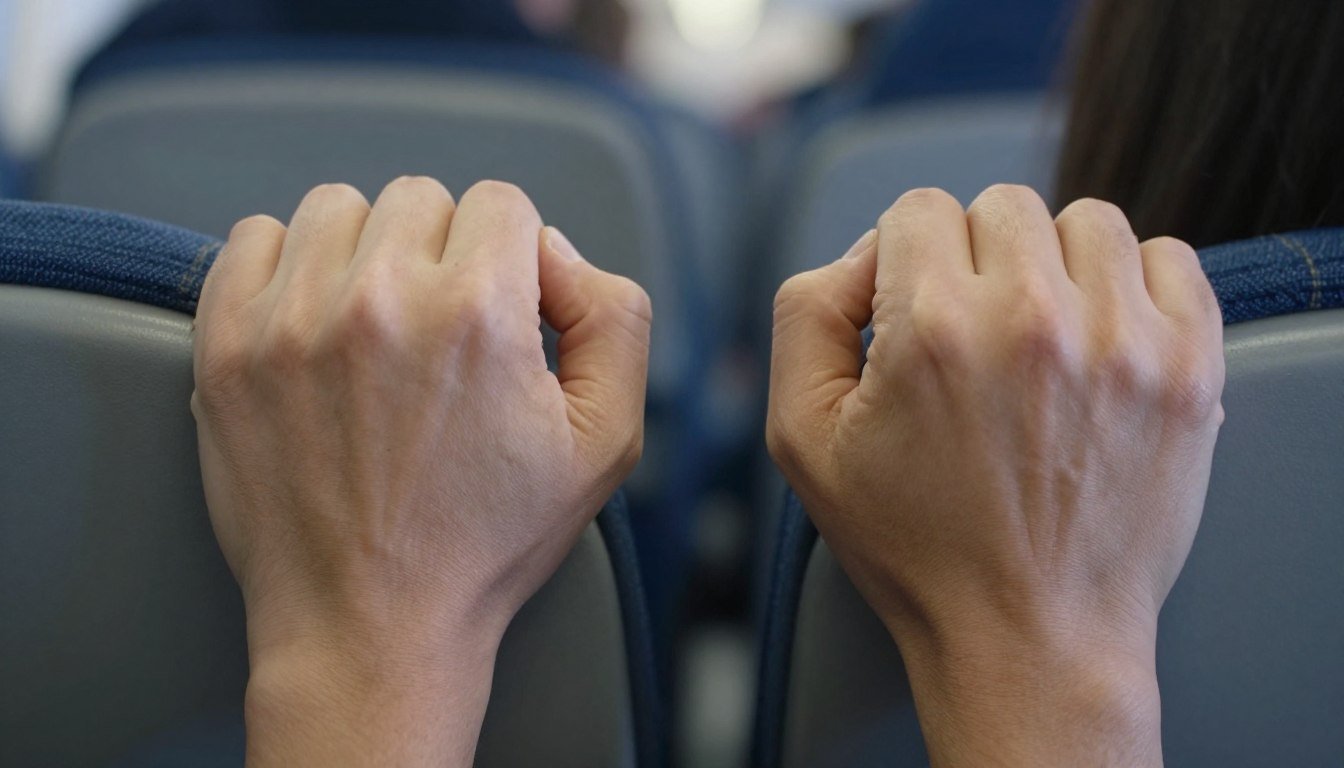
This condition affects far more people than you might imagine. Research shows that between 2.5% and 40% of people experience flying-related anxiety each year. That means you’re definitely not alone in this struggle.
The good news? Fear of flying is one of the most treatable anxiety disorders. With the right knowledge and support, you can overcome this phobia and open up a world of possibilities. This comprehensive guide will help you understand aerophobia and provide proven strategies to conquer your fears.
What Is Fear of Flying Phobia?
Aerophobia, also known as aviophobia, is a specific phobia involving an intense and persistent fear of flying or air travel. It goes beyond normal nervousness about flying. People with this phobia experience overwhelming anxiety that can significantly impact their quality of life.
The fear manifests differently in each person. Some people feel comfortable at the airport but panic when boarding. Others experience anticipatory anxiety days or weeks before a scheduled flight. Many people avoid air travel entirely, limiting career opportunities and personal experiences.
What makes aerophobia particularly challenging is its irrational nature. Most people with this fear understand that flying is statistically the safest form of travel. The annual risk of dying in a plane crash in America is just 1 in 13.5 million. Compare that to a 1 in 5,000 risk of dying in a car accident.
Yet knowing these statistics doesn’t eliminate the fear. The brain’s anxiety center operates on a primal level, reacting to perceived threats regardless of logical reasoning. This disconnect between rational understanding and emotional response is what makes the fear of flying phobia so frustrating for many people.
Common Symptoms of Fear of Flying Phobia
Recognizing the symptoms of aerophobia is the first step toward addressing it. The fear of flying produces both physical and psychological symptoms that can range from mild discomfort to full panic attacks.
Physical Symptoms
When confronted with flying or even thinking about air travel, your body activates its fight-or-flight response. This triggers a cascade of physical reactions:
- Increased heart rate and heart palpitations
- Shortness of breath or feeling like you can’t breathe
- Excessive sweating, especially on palms and forehead
- Trembling or shaking hands
- Nausea and gastrointestinal upset
- Dizziness or feeling faint
- Chest tightness or pain
- Chills or hot flashes
- Clouded thinking and difficulty concentrating
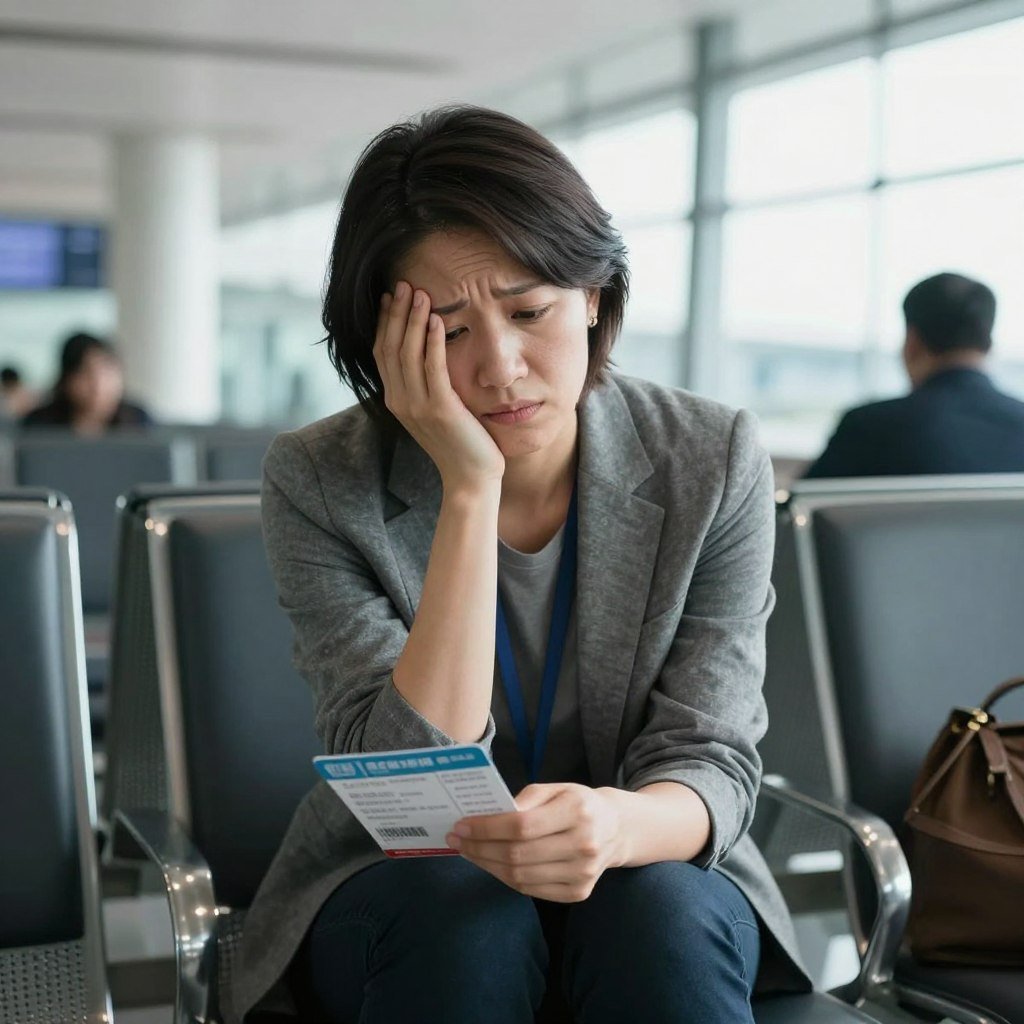
Psychological and Emotional Symptoms
Beyond physical sensations, fear of flying creates significant mental and emotional distress:
- Overwhelming sense of dread or impending doom
- Intense fear of losing control
- Difficulty sleeping before scheduled flights
- Obsessive thoughts about plane crashes
- Irritability and mood changes
- Feeling detached from reality during episodes
- Persistent worry about upcoming travel
Some people experience panic attacks when flying or thinking about flights. A panic attack includes intense fear accompanied by physical symptoms that can feel like a heart attack. These episodes typically peak within minutes but can leave you feeling exhausted and shaken.
Experiencing These Symptoms?
You don’t have to face this fear alone. Mental health professionals specializing in anxiety disorders can help you overcome aerophobia with proven treatment methods.
Anticipatory Anxiety
Many people with fear of flying phobia experience anticipatory anxiety. This means the fear starts long before you reach the airport. You might begin worrying weeks in advance, losing sleep and feeling stressed about an upcoming trip.
Anticipatory anxiety can be just as debilitating as the fear during the actual flight. It can lead people to avoid booking flights altogether or to cancel travel plans at the last minute. This avoidance behavior reinforces the phobia, making it stronger over time.
Related Conditions That Worsen Fear of Flying
Fear of flying rarely exists in isolation. Often, other phobias and anxiety disorders contribute to or amplify aviation anxiety. Understanding these connections can help you address the root causes more effectively.
Claustrophobia
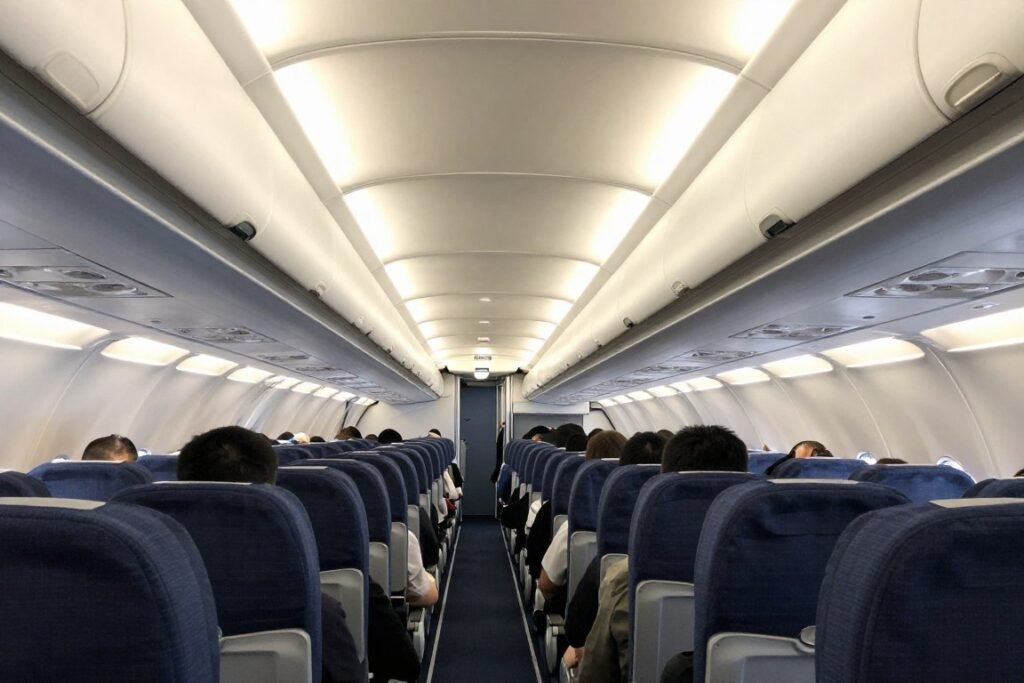
Many people with fear of flying actually struggle with claustrophobia, the fear of enclosed spaces. Being trapped in a pressurized metal tube with no easy exit triggers intense anxiety. The confined quarters, limited personal space, and inability to leave create a perfect storm for claustrophobic reactions.
Acrophobia: Fear of Heights
A general fear of heights can translate directly into fear of flying. Knowing you’re thousands of feet above the ground can trigger vertigo and panic, even though you’re safely inside the aircraft. This fear becomes particularly intense during takeoff and landing when you’re most aware of the altitude change.
Social Anxiety
People with social anxiety disorder may develop fear of flying because they must spend extended periods in close proximity to strangers. Concerns about having a panic attack in front of others or needing to use the restroom in a crowded plane can amplify flying anxiety.
Germaphobia
Fear of germs contributes to flying anxiety for some people. Airplanes are shared spaces with recycled air, making those with contamination fears particularly uncomfortable. This became even more pronounced during and after the COVID-19 pandemic.
Physical Health Conditions
Certain medical conditions can create legitimate concerns about flying:
- Sinus or middle ear problems causing pain during pressure changes
- Chronic sinus issues or vertigo
- Cardiovascular conditions increasing blood clot risks
- Respiratory conditions affected by cabin pressure
Addressing Multiple Fears
The good news is that treating these underlying conditions often reduces fear of flying. Therapy approaches like cognitive behavioral therapy address multiple anxiety disorders simultaneously. By working on claustrophobia or social anxiety, you’ll likely see improvement in your fear of flying as well.
What Causes Fear of Flying Phobia?
Understanding why you developed aerophobia can be helpful in overcoming it. The causes vary greatly from person to person, influenced by a complex mix of physiological, psychological, and social factors.
Traumatic Experiences
A frightening flight experience often triggers aerophobia. This might include:
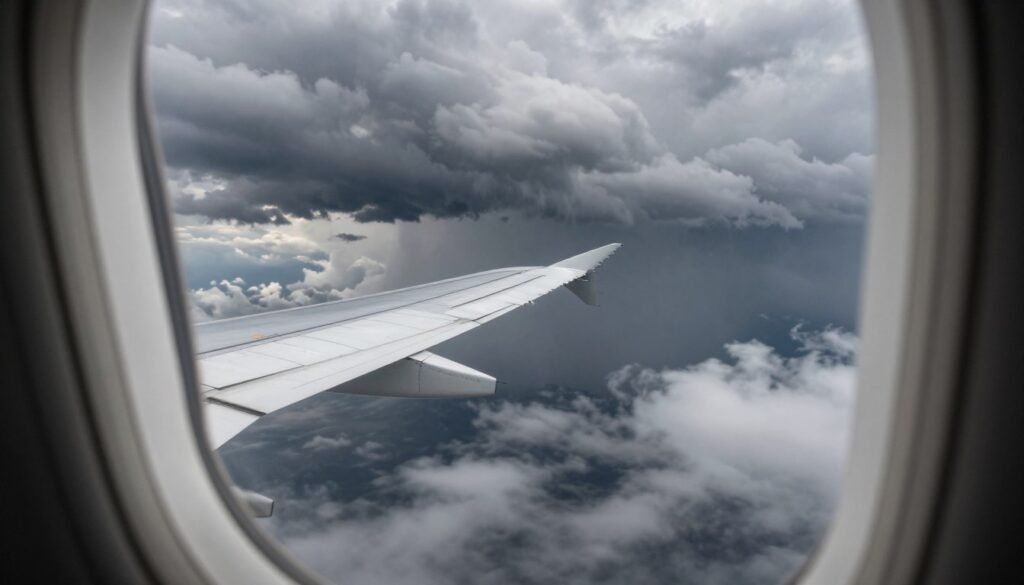
- Severe turbulence that felt life-threatening
- An emergency landing or mechanical problem
- Witnessing another passenger’s panic or medical emergency
- Being on a flight during a terrorist threat
Even witnessing a plane crash on the news can trigger fear of flying. Major aviation disasters receive extensive media coverage, creating lasting impressions. Many people developed or worsened their fear of flying after September 11, 2001, despite air travel becoming even safer afterward.
Environmental and Social Learning
Fear of flying can be learned from others, especially during childhood. If your parents expressed anxiety about flying, you may have internalized their fears. Children are particularly susceptible to adopting their parents’ phobias and anxieties.
Similarly, hearing frightening stories from friends or family members about their flight experiences can plant seeds of fear. Social media and news coverage amplify these effects by making dramatic flight incidents seem more common than they actually are.
Lack of Control
For many people, the core issue isn’t flying itself but the loss of control. When you’re a passenger, you’re entirely dependent on the pilots and the aircraft. You can’t pull over, take a break, or change your mind mid-flight. This lack of control triggers anxiety in people who need to feel in charge of their environment.
Unrelated Life Stressors
Sometimes fear of flying develops as a displaced anxiety from other life circumstances. For example:
- Job promotion requiring frequent travel might trigger fear related to career stress rather than flying itself
- Children flying to visit divorced parents may develop aerophobia as a coping mechanism for family trauma
- Major life changes like marriage, divorce, or death of a loved one coinciding with increased travel needs
Research shows that aerophobia often emerges between ages 17 and 34, typically during significant life transitions. Understanding this connection can help you address the underlying anxiety source.
Common Flight Triggers
Studies identify specific aspects of flying that most commonly trigger anxiety:
- Turbulence – unpredictable shaking and bumping
- Takeoff – feeling of acceleration and altitude gain
- Landing – descent and approach to runway
- Bad weather visible from windows
- Unfamiliar aircraft sounds and mechanical noises
- Long flights over water or remote areas
Knowing your specific triggers helps you prepare targeted coping strategies. If turbulence is your main concern, learning about how planes handle air pockets differently than if your fear centers on takeoff procedures.
How Fear of Flying Affects Your Life
The impact of aerophobia extends far beyond discomfort during flights. This phobia can significantly limit personal and professional opportunities, affecting overall quality of life.

Professional Limitations
Many careers require air travel. Fear of flying can:
- Force you to turn down job promotions involving travel
- Limit career advancement opportunities
- Restrict you to local or regional positions
- Cause you to miss important conferences and networking events
- Create tension with employers who expect travel flexibility
In today’s global economy, the ability to travel by air is often considered a basic job requirement. Aerophobia can effectively put a ceiling on your career prospects.
Personal and Social Consequences
Beyond work, fear of flying limits personal experiences:
- Missing destination weddings and family celebrations
- Inability to visit distant relatives and friends
- Turning down vacation opportunities
- Feeling embarrassed or ashamed around others who travel easily
- Straining relationships when partners want to travel
Emotional and Mental Health Impact
Living with untreated aerophobia takes an emotional toll. The constant avoidance and worry can lead to:
- Decreased self-esteem and confidence
- Feelings of helplessness and frustration
- Social isolation and withdrawal
- Depression related to missed opportunities
- Increased overall anxiety levels
Effective Treatment Options for Fear of Flying
The encouraging news is that fear of flying phobia is highly treatable. Multiple evidence-based approaches have shown remarkable success rates. Most people who commit to treatment see significant improvement in their symptoms.

Cognitive Behavioral Therapy (CBT)
Cognitive Behavioral Therapy is considered the gold standard for treating phobias, including fear of flying. CBT focuses on identifying and changing the negative thought patterns that fuel your anxiety.
During CBT sessions, you’ll work with a therapist to:
- Identify irrational thoughts about flying
- Challenge catastrophic thinking patterns
- Replace anxious thoughts with realistic assessments
- Develop coping strategies for managing symptoms
- Practice new thought patterns until they become automatic
Research consistently shows that CBT produces lasting results. Unlike medication alone, CBT gives you tools you can use independently long after therapy ends.
Exposure Therapy
Exposure therapy involves gradually confronting your fear in a controlled, systematic way. This approach is based on the principle that avoidance strengthens phobias while exposure weakens them.
A typical exposure therapy progression might look like:
- Looking at pictures of airplanes
- Watching videos of flights and takeoffs
- Visiting an airport and observing planes
- Going through security without flying
- Boarding a stationary aircraft
- Taking a short flight with therapist support
- Flying independently
Each step is repeated until your anxiety decreases before moving to the next level. This gradual approach allows your brain to learn that flying is safe without becoming overwhelmed.
Virtual Reality Exposure Therapy (VRET)
Virtual reality technology offers a new frontier in treating fear of flying. VRET allows you to experience realistic flight simulations in a therapist’s office. You can practice managing anxiety during virtual takeoffs, turbulence, and landings in a completely safe environment.
Studies show that internet-based and virtual reality exposure programs are effective in treating flying phobia. This approach is particularly helpful for people who aren’t ready to visit an actual airport or board a real plane.
Fear of Flying Courses
Many airlines and independent organizations offer specialized fear of flying courses. These programs typically combine education, therapy techniques, and actual flight experience.
A typical course might include:
- Education about how planes work and aviation safety
- Meeting pilots and asking questions
- Learning about what causes turbulence and aircraft sounds
- Practicing relaxation and breathing techniques
- Touring aircraft and flight simulators
- A graduation flight with the instructor
British Airways’ “Flying with Confidence” program reports a 98% success rate. These intensive weekend courses can produce rapid results for many people.
Medication Options
While not a standalone solution, medication can support other treatments:
- Anti-anxiety medications like Xanax or Valium for acute anxiety
- SSRI or SNRI antidepressants for ongoing anxiety disorders
- Motion sickness medication to address physical discomfort
- Beta-blockers to reduce physical symptoms
Medication works best when combined with therapy. Pills can reduce symptoms in the short term, but therapy teaches you long-term coping skills. Always consult with a healthcare provider before taking any medication for anxiety.
Hypnotherapy
Some people find success with hypnotherapy for aerophobia. This approach uses guided relaxation and focused attention to access subconscious fears and reframe them. While research on hypnotherapy for flying phobia is limited, some individuals report significant improvement.
Ready to Overcome Your Fear of Flying?
Professional treatment can help you conquer aerophobia and reclaim your freedom to travel. Connect with a licensed therapist who specializes in anxiety disorders and phobia treatment.
Practical Self-Help Strategies for Managing Fear of Flying
While professional treatment offers the most comprehensive solution, you can also implement self-help strategies to manage your fear of flying. These techniques can be used alone or alongside therapy.

Education and Understanding
Knowledge truly is power when it comes to overcoming fear of flying. The more you understand about aviation, the less mysterious and threatening it becomes.
Educate yourself about:
- How airplanes fly and stay airborne
- Why turbulence happens and why it’s safe
- What various sounds and sensations mean during flight
- Pilot training requirements and safety protocols
- Aircraft maintenance and inspection procedures
- Aviation safety statistics and accident rates
Many aviation websites and YouTube channels offer accessible explanations of flight mechanics. Pilots often share content specifically designed to help nervous flyers understand what’s happening during normal flight operations.
Breathing and Relaxation Techniques
Learning to control your breathing is one of the most effective ways to manage acute anxiety. When you’re anxious, your breathing becomes shallow and rapid, which increases panic. Deliberate breathing exercises counteract this response.
Try these techniques:
- Box breathing: Inhale for 4 counts, hold for 4, exhale for 4, hold for 4
- 4-7-8 breathing: Inhale for 4 counts, hold for 7, exhale slowly for 8
- Diaphragmatic breathing: Breathe deeply into your belly rather than chest
- Progressive muscle relaxation: Systematically tense and release muscle groups
Practice these techniques regularly before your flight so they become automatic. Apps like Headspace offer guided meditations specifically designed for anxious flyers.
Identifying and Challenging Irrational Thoughts
Much of the fear of flying stems from irrational or catastrophic thinking. Learning to recognize and challenge these thoughts can reduce anxiety.
Common irrational thoughts and rational responses:
Irrational Thought
- “This turbulence means we’re going to crash”
- “The plane sounds wrong – something is broken”
- “If I panic, I’ll lose control completely”
- “Flying is incredibly dangerous”
Rational Response
- “Turbulence is normal and planes are built to handle it easily”
- “I’m unfamiliar with plane sounds, but pilots hear these all the time”
- “Panic is uncomfortable but temporary and not dangerous”
- “Flying is statistically the safest form of travel”
Write down your anxious thoughts before and during flights. Then challenge each one with facts and rational alternatives. Over time, this practice weakens the power of irrational fears.
Practical Flight Preparation
Taking practical steps before your flight can significantly reduce anxiety:
- Choose your seat strategically – window seats let you see the horizon (helpful for orientation), aisle seats provide easier exit access, and seats over the wings experience less turbulence
- Arrive early to avoid rushing and additional stress
- Limit caffeine before and during the flight as it increases anxiety
- Stay hydrated but avoid alcohol which can worsen anxiety
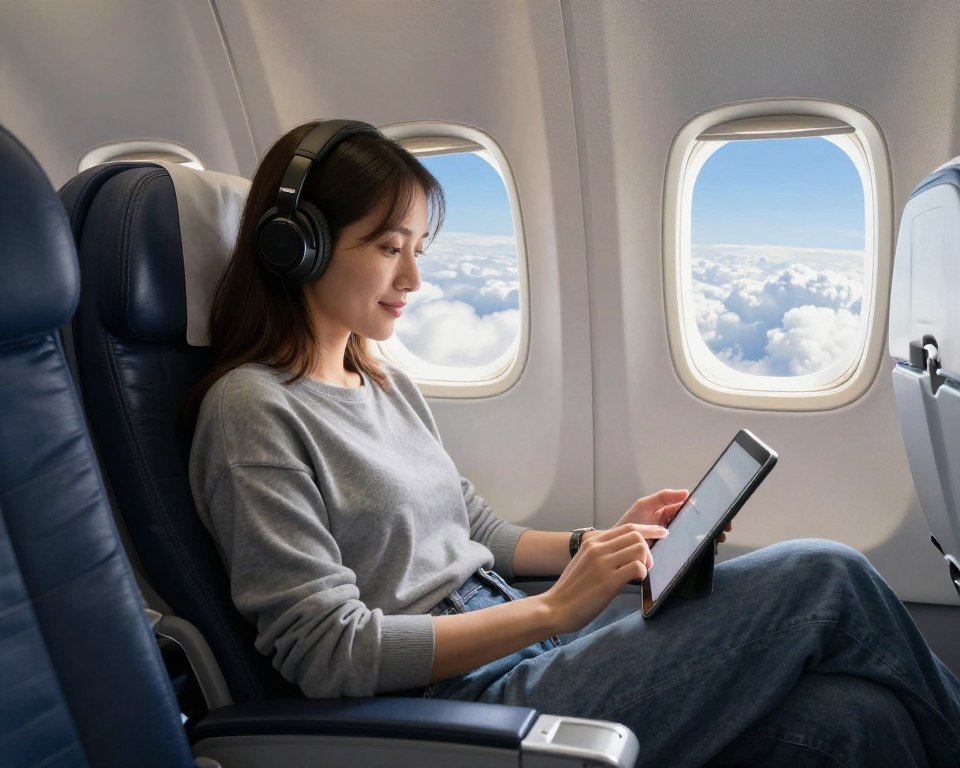
- Bring comfort items like noise-canceling headphones, favorite music, or a good book
- Download calming apps or movies before the flight
- Wear comfortable clothing that doesn’t restrict breathing
- Inform flight attendants about your anxiety – they’re trained to help
Distraction Techniques
Having a “distraction toolkit” ready can help redirect your attention away from anxious thoughts:
- Engaging podcasts or audiobooks
- Puzzle books or mobile games requiring concentration
- Work tasks that require focus
- Conversation with travel companions
- Writing in a journal
- Counting exercises (count backwards from 100 by 7s)
The key is finding activities that genuinely capture your attention rather than allowing your mind to wander to anxious thoughts.
Visualization and Mental Rehearsal
Athletes use visualization to improve performance, and you can use the same technique to prepare for flying. Spend time before your flight visualizing yourself:
- Calmly going through security
- Boarding the plane feeling confident
- Taking your seat and settling in comfortably
- Experiencing takeoff while using breathing techniques
- Handling turbulence calmly
- Landing safely and feeling proud
Mental rehearsal helps your brain become familiar with the experience before it happens, reducing the shock of the actual event.
Debunking Common Myths About Flying
Much of the fear of flying stems from misconceptions about aviation safety. Let’s separate fact from fiction.
Myth 1: Turbulence Can Cause Crashes
Fact: Turbulence has never caused a modern commercial aircraft to crash. Planes are engineered to withstand turbulence far more severe than passengers ever experience. Wings can flex up to 90 degrees without breaking. Turbulence is uncomfortable but not dangerous.
Myth 2: Flying Is More Dangerous Than Driving
Fact: Flying is dramatically safer than driving. The fatality rate for air travel is 0.07 deaths per billion passenger miles compared to 7.28 for cars – over 100 times safer. You’re more likely to be struck by lightning than die in a plane crash.
Myth 3: Mechanical Problems Cause Most Crashes
Fact: Modern aircraft undergo rigorous maintenance and inspection. Multiple redundant systems ensure that if one component fails, backups take over. The overwhelming majority of aviation incidents involve human error, not mechanical failure, and even those rarely result in crashes.
Myth 4: Bad Weather Makes Flying Dangerous
Fact: Pilots are extensively trained to fly in all weather conditions. Modern weather radar allows pilots to navigate around storms. Flights are delayed or canceled when weather poses any safety concern – the priority is always passenger safety over schedules.
The Reality of Aviation Safety
Consider these facts about modern air travel:
- Commercial pilots undergo thousands of hours of training and regular proficiency checks
- Aircraft are inspected before every flight and undergo detailed maintenance regularly
- Air traffic control monitors every flight continuously
- Multiple backup systems exist for every critical aircraft function
- The Federal Aviation Administration enforces strict safety regulations
- 2023 saw zero commercial airline crash fatalities in the United States despite millions of flights
Understanding these facts won’t immediately eliminate your fear, but they provide a rational foundation for challenging anxious thoughts.
Success Stories: People Who Overcame Fear of Flying
Reading about others who have successfully conquered aerophobia can provide hope and motivation. You’re not alone in this journey, and recovery is absolutely possible.

From Bus Travel to International Flights
Whoopi Goldberg, the famous actor and television host, developed severe aerophobia after witnessing a plane crash in her neighborhood in 1978. Her fear became so intense that she hired a bus with two full-time drivers to travel across the country, making the trip in just 30 hours.
For international travel, she initially hired an anesthesiologist to sedate her during flights so she wouldn’t experience the fear. However, through talking with pilots, learning about aviation safety, and gradual exposure, she eventually overcame her phobia. Today, she flies commercially between destinations without sedation.
Her story demonstrates that even the most severe cases of aerophobia can be successfully treated with the right approach and support.
The Pilot Who Conquered His Own Fear
Dr. Martin Seif, a renowned anxiety treatment specialist, didn’t take his first flight until he was almost 30 years old. Overcoming his own fear of flying was one of the most difficult achievements of his life. Today, he specializes in helping others overcome aerophobia and has spent 40 years developing innovative treatment methods for anxiety disorders.
His personal experience gives him unique insight into what fearful flyers face. As he says, “Having once been flight phobic myself, now I am constantly rewarded by the pleasure of being able to jump on a plane and fly anywhere in the world.”
Common Themes in Recovery
Success stories share several common elements:
- Seeking professional help rather than trying to white-knuckle through it
- Educating themselves about aviation safety and mechanics
- Practicing exposure therapy gradually rather than forcing immediate confrontation
- Using breathing and relaxation techniques consistently
- Celebrating small victories along the way
- Persistence even when progress feels slow
Most people who overcome fear of flying describe the experience as life-changing. The freedom to travel opens up personal and professional opportunities they never imagined possible while constrained by their phobia.
Expert Insights on Overcoming Fear of Flying Phobia
Mental health professionals who specialize in anxiety disorders offer valuable perspectives on treating aerophobia effectively.
From Captain Sully Sullenberger
Captain Chesley “Sully” Sullenberger, famous for safely landing US Airways Flight 1549 in the Hudson River, offers this insight on why so many people fear flying:
“Riding in a car is a common, everyday occurrence. We understand how cars work, we often know the driver, and we can just pull over and stop. Being in an airplane isn’t an everyday thing, we may not understand the physics of flight, we probably don’t know the pilots, and we can’t just pull over.”
This lack of familiarity and control drives much of the fear. Captain Sullenberger emphasizes that airplanes are “expertly designed, built, and operated, with lots of redundancy and many levels with huge margins of safety.”
The Importance of Exposure
Experts universally agree that exposure to feared triggers is the “active ingredient” for overcoming phobias. Avoidance keeps your phobia alive and intense. Each time you avoid flying, you reinforce the message to your brain that flying is dangerous.
However, exposure must be done thoughtfully. Forcing yourself onto a plane before you’re ready can make the phobia worse. Working with a therapist to create a gradual exposure plan produces the best results.
Why Traditional Anxiety Medication Has Limitations
While anti-anxiety medications like benzodiazepines can reduce acute symptoms, they have significant limitations for treating phobias. Research shows that medications like Xanax can actually interfere with the therapeutic effects of exposure therapy.
A 1997 Stanford study found that while alprazolam reduced some self-reported anxiety symptoms, it also raised heart rates and didn’t prevent panic attacks in many cases. The medication provided temporary relief but hindered long-term learning.
This doesn’t mean medication has no place in treatment. SSRIs or SNRIs taken daily can help manage underlying anxiety disorders. Beta-blockers can reduce physical symptoms. But for lasting recovery, medication works best when combined with therapy that addresses the root cause of the fear.
The 98% Success Rate
British Airways’ “Flying with Confidence” course reports a remarkable 98% success rate in helping nervous flyers overcome their fears. The program combines education from pilots, therapy techniques from psychologists, and actual flight experience. This multi-modal approach addressing cognitive, emotional, and behavioral aspects of the phobia produces outstanding results.
Living Well While Managing Fear of Flying
Even as you work on overcoming your fear, you may need to fly before you’re completely comfortable. Here’s how to manage your phobia while building confidence over time.
Start Small and Build Confidence
You don’t need to book a 14-hour international flight as your first step. Begin with short, direct flights during good weather. Choose airlines with excellent safety records and newer aircraft if that provides additional reassurance.
Each successful flight builds confidence for the next one. Keep a “flight journal” documenting your experiences and how you managed anxiety. Reviewing past successes helps when facing future flights.
Build Your Support Network
Don’t try to overcome this fear alone:
- Tell travel companions about your anxiety so they can support you
- Join online support groups for people with fear of flying
- Work with a therapist specializing in anxiety disorders
- Inform flight attendants who can check on you during the flight
- Connect with others who have overcome aerophobia
Celebrate Progress, Not Just Perfection
Recovery isn’t linear. You might have a great flight one time and struggle the next. This doesn’t mean you’re failing. Celebrate every step forward:
- Booking a flight without canceling it
- Making it through security without panic
- Boarding the plane even if you’re anxious
- Using coping techniques during turbulence
- Completing any flight, regardless of how you felt
Each experience teaches your brain that you can handle flying, gradually weakening the phobia’s grip.
Know When to Seek Additional Help
If your fear of flying significantly impacts your life quality, interferes with relationships or career, or causes you to avoid important events, professional help is strongly recommended. A qualified mental health professional can diagnose your phobia, identify any underlying conditions, and develop a personalized treatment plan.
Take the First Step Toward Freedom
You don’t have to let fear of flying control your life. Professional mental health support can help you overcome aerophobia using evidence-based treatments with proven success rates. Many people who once avoided flying entirely now travel comfortably around the world.
Moving Forward: Your Journey to Overcoming Fear of Flying Phobia
Fear of flying phobia affects millions of people, limiting opportunities and experiences. But this condition is highly treatable. Whether your fear stems from lack of control, past experiences, related phobias, or other factors, effective solutions exist.
The journey to overcoming aerophobia typically involves understanding your specific triggers, educating yourself about aviation safety, challenging irrational thoughts, and gradually exposing yourself to flying. Professional treatments like cognitive behavioral therapy and exposure therapy have excellent success rates.
Remember these key points:
- You’re not alone – between 2.5% and 40% of people experience some form of flying anxiety
- Flying is objectively the safest form of transportation despite how it feels
- Your fear is real and valid, even if it’s not rational
- Treatment works – most people who commit to therapy see significant improvement
- Progress takes time, patience, and often professional support
- The freedom gained by overcoming this fear is life-changing
Every person who now flies comfortably was once where you are now. Many faced fears just as intense as yours. The difference is they took that first step toward treatment and kept moving forward, even when progress felt slow.
Your fear of flying doesn’t have to be a permanent limitation. With the right support and strategies, you can overcome this phobia and open up a world of possibilities. The question isn’t whether you can overcome your fear – it’s whether you’re ready to take that first step.
Take action today. Connect with a mental health professional who specializes in anxiety disorders. Start educating yourself about aviation. Practice breathing techniques. Join a support group. Whatever your first step is, take it. Your future self, traveling confidently to destinations around the world, will thank you.