
Have you ever felt so bombarded by the sights, sounds, and demands of your day that your mind races and your body feels on constant high alert?
This state, often called hyperstimulation anxiety, occurs when our senses become overwhelmed. It leads to intense stress and a heightened sense of unease. While not a formal medical condition, the experience is very real for countless people.
Our modern life delivers a relentless stream of input. Screens, notifications, and social pressures can trigger persistent symptoms that disrupt our well-being.
We created this guide to help you understand this response. We’ll explore how your nervous system reacts and share practical ways to find calm. Knowing when everyday stress signals a deeper issue, like an anxiety disorder, is a vital part of caring for your mental health.
Key Takeaways
- Hyper anxiety results from sensory overload in our fast-paced world.
- It is a common experience, though not a formal clinical diagnosis.
- This state impacts both mental and physical health, causing significant distress.
- Understanding the body’s stress response is the first step toward management.
- Effective, evidence-based strategies and professional treatments are available.
- Recognizing when to seek help for persistent feelings is crucial for long-term wellness.
- Regaining control starts by connecting your environment to your emotional state.
Understanding Hyper Anxiety
Our modern environment constantly floods us with more input than our brains can comfortably process. This deluge can trigger a specific state of distress.
Defining Hyper Anxiety and Overstimulation
We define this state as sensory overload. Multiple inputs—sights, sounds, and physical sensations—overwhelm the nervous system at once.
Our body‘s stress response activates. It processes signals from both external events and internal thoughts. This creates a cascade of unease.
How It Differs from General Anxiety
General anxiety often stems from a specific worry. In contrast, this form stems from the sheer volume of stimulation. The source is the environment’s intensity, not a single threat.
Research shows some people have heightened sensory sensitivity. A 2019 study found this sensitivity in preschool could predict later anxiety.
While not a formal disorder, it shares symptoms with recognized anxiety disorders. Managing it is a key part of overall mental health and well-being.
Recognizing Symptoms and Effects of Hyper Anxiety
When our system becomes overstimulated, distinct patterns of mental and physical symptoms emerge. These signs tell us our body is struggling to process too much input at once.
Learning to spot these indicators early helps us take action. It prevents long-term impacts on our health and daily life.
Mental and Emotional Indicators
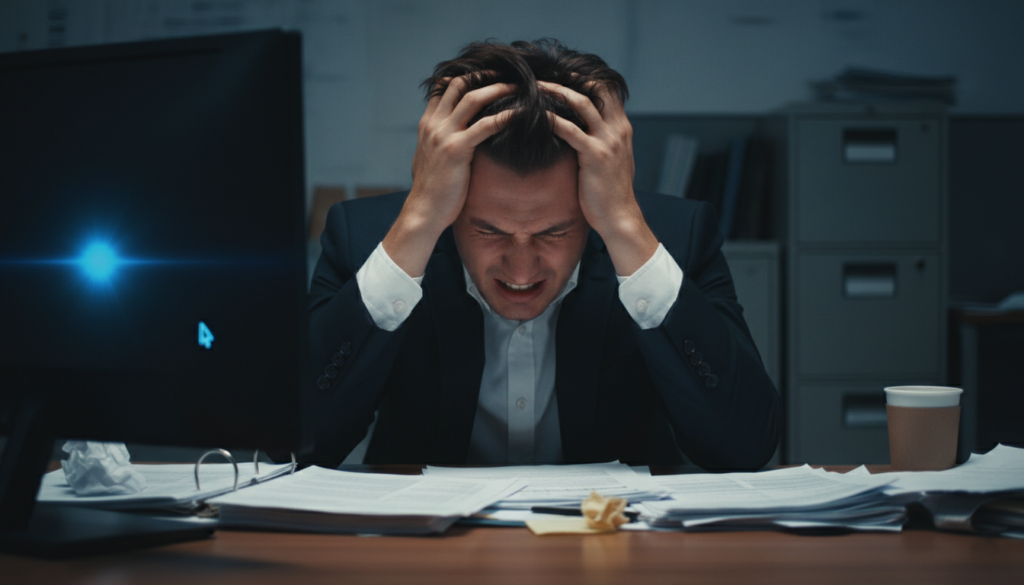
Our mind often shows distress first. We might experience constant nervousness that won’t fade.
Racing thoughts about future tasks or worries become hard to control. This makes it difficult to concentrate on work or simple activities.
Sleep problems are common too. Many find themselves unable to fall asleep due to a busy mind. Recognizing these signs of anxiety is the first step toward management.
Physical Manifestations and Health Impacts
Our body responds with clear physical signals. A rapid heart rate and chest tightness are frequent complaints.
Headaches, stomach issues, and muscle tension often accompany the mental strain. Chronic stress keeps our system in constant alert mode.
Over time, this sustained response can affect overall wellness. It may lead to exhaustion and reduced tolerance for everyday situations.
| Symptom Type | Common Indicators | Potential Impact |
|---|---|---|
| Mental | Racing thoughts, poor concentration, constant worry | Reduced work performance, difficulty with decisions |
| Emotional | Irritability, nervousness, fear of social situations | Strained relationships with others, social withdrawal |
| Physical | Rapid heartbeat, headaches, muscle tension, stomach issues | Chronic fatigue, increased health risks over time |
| Daily Function | Sleep disturbances, loss of appetite, avoidance of activities | Lower quality of life, potential development of anxiety disorder |
Causes and Triggers Behind Hyper Anxiety
Several factors, both external and internal, converge to create the perfect storm for sensory overload and distress. Pinpointing these triggers helps us understand our body‘s heightened response.
The Role of Sensory Overstimulation
Sensory overload is a primary source. Our brain gets more input than it can process. Constant digital notifications, loud spaces, and multitasking demands flood our system.
This barrage triggers a stress response. It activates the fight-or-flight mechanism. Hormones like cortisol surge, preparing the body for action even when no real threat exists.
Stress, Environmental, and Internal Factors
Chronic stress from unresolved pressures keeps cortisol levels high. Over time, this sensitizes the nervous system. Everyday situations then feel overwhelming.
Environmental factors include workplace demands and major life events. Internal factors are equally powerful. Our thought patterns, past experiences, and even genetic predispositions shape our behaviors.
Some people have a natural sensitivity to stimuli. They process sensory data more deeply. This can make managing feelings of unease more challenging, impacting overall mental health.
Diagnosis and Professional Insights on Hyper Anxiety
Knowing when to consult an expert is a critical step in managing overwhelming sensory experiences. A clear diagnosis provides a roadmap for effective treatment and long-term relief.

We encourage reaching out when feelings of distress disrupt your routine for weeks. If avoiding places or people becomes a habit, it’s time to seek help.
When to Seek Help from a Mental Health Professional
Persistent symptoms that hinder your life or work signal a need for support. A mental health professional can assess whether you’re dealing with an anxiety disorder or chronic stress.
These experts conduct thorough evaluations. They check for physical conditions affecting your body‘s response. This ensures your care plan addresses all factors.
Differential Considerations and Related Conditions
Sensory overload isn’t exclusive to anxiety disorders. It can be a feature of other conditions like autism or ADHD.
For some people, bright lights or noise cause genuine distress. A mental health professional distinguishes between these disorders. Accurate diagnosis leads to specialized, effective help for your mental health.
Coping Strategies and Self-Management Techniques
Taking charge of our well-being starts with practical self-management techniques we can use daily. We can build a personalized toolkit of coping strategies to navigate overwhelming situations and find calm.
Mindfulness, Meditation, and Relaxation Practices
Foundational coping strategies begin with training our mind. Mindfulness teaches us to focus on the present moment, not future worries.
A short daily meditation practice helps calm our nervous system. It reduces stress hormone levels and creates a buffer against anxiety.
For acute moments, the 3-3-3 grounding technique is powerful. We name three things we see, hear, and feel. This anchors our mind and interrupts overwhelming feelings.
Daily Lifestyle Adjustments to Minimize Stress
Small changes to our daily life make a big difference. We recommend reducing caffeine and setting consistent sleep schedules.
Regular physical activities like yoga or aerobic exercise metabolize stress hormones. They release endorphins that improve our mood naturally.
Creating quiet spaces at home and setting boundaries around work time are key. Sharing coping strategies in support groups can also provide great help.
These management techniques empower us to maintain balance. They help us regain control over our mental state and body‘s response.
Medical and Therapeutic Treatments for Hyper Anxiety
When self-management techniques aren’t enough, evidence-based clinical treatments provide powerful relief. Healthcare professionals often use psychotherapy, medications, or a blend of both to help people cope.
These approaches target the root causes of distress. They offer structured pathways to reclaim control over our mental health.
Psychotherapy Approaches like Cognitive Behavioral Therapy
Cognitive Behavioral Therapy (CBT) is a highly effective psychotherapy. It helps us identify and change thought patterns that fuel our distress.
We learn constructive strategies to challenge catastrophic thinking. This reframes how we interpret sensory input.
Exposure Response Prevention (ERP) is another specialized treatment. It gradually exposes us to triggering stimuli in a safe setting.
This builds tolerance and develops effective coping techniques. Our fear responses diminish over time.
Medication Options and Mindfulness-Based Therapies
Medications can relieve emotional and physical symptoms. Antidepressants like SSRIs are used for long-term management.
Anti-anxiety medications, such as benzodiazepines, offer short-term relief. Medication works best when combined with therapy.
Mindfulness-based therapies train our attention to achieve calm concentration. Practices like Mindfulness-Based Stress Reduction (MBSR) involve group classes and daily exercises.
They help us observe anxious thoughts without becoming overwhelmed. This fosters positive emotions and resilience.
| Treatment Type | Key Features | Common Use |
|---|---|---|
| Cognitive Behavioral Therapy | Changes thought patterns & behaviors; teaches coping strategies | First-line psychotherapy for anxiety disorders |
| Exposure Response Prevention | Gradual, controlled exposure to triggers; reduces fear response | Specialized treatment for specific phobias and OCD |
| Medication | Alters brain chemistry; relieves acute symptoms | Used alongside therapy for moderate to severe cases |
| Mindfulness-Based Therapies | Trains attention and awareness; promotes non-judgmental observation | Enhances overall stress management and emotional regulation |
Effective treatment requires a personalized plan. Collaboration with a mental health professional is key. With patience, these interventions yield significant improvements in our daily life and overall condition.
Additional Resources and Support for Managing Hyper Anxiety
Effective management extends beyond individual techniques to include community resources and ongoing self-care. Building a strong network helps us sustain progress and feel less alone in our journey.
Online Communities, Support Groups, and Expert Tools
Connecting with others who understand provides immense support. We recommend exploring online forums and groups focused on anxiety disorders.
Digital tools like mental health apps offer guided meditations and tracking features. National organizations provide directories for finding professional treatments and educational materials.
Guidelines for Ongoing Self-Care and Prevention
Continuous education about our body and mind empowers better decisions. We advise setting non-negotiable self-care rules for sleep, nutrition, and physical activities.
Sharing information with family and friends helps them offer meaningful help. Creating a personal prevention plan for tough days is also wise.
This proactive approach builds resilience for everyday life and work. It turns learned strategies into lasting habits for overall health.
Conclusion
The journey toward managing overwhelming feelings is deeply personal, yet grounded in shared principles of mental health. We’ve seen that a blend of self-care, professional support, and lifestyle changes forms the most effective path forward.
Remember, this is a process, not a single fix. Be patient with yourself as you learn what works for your life. Small, consistent steps can transform how you experience each day.
Seeking support is a sign of strength. For ongoing mental health guidance and compassionate resources, know that you are not alone. Your mind and body deserve peace.