
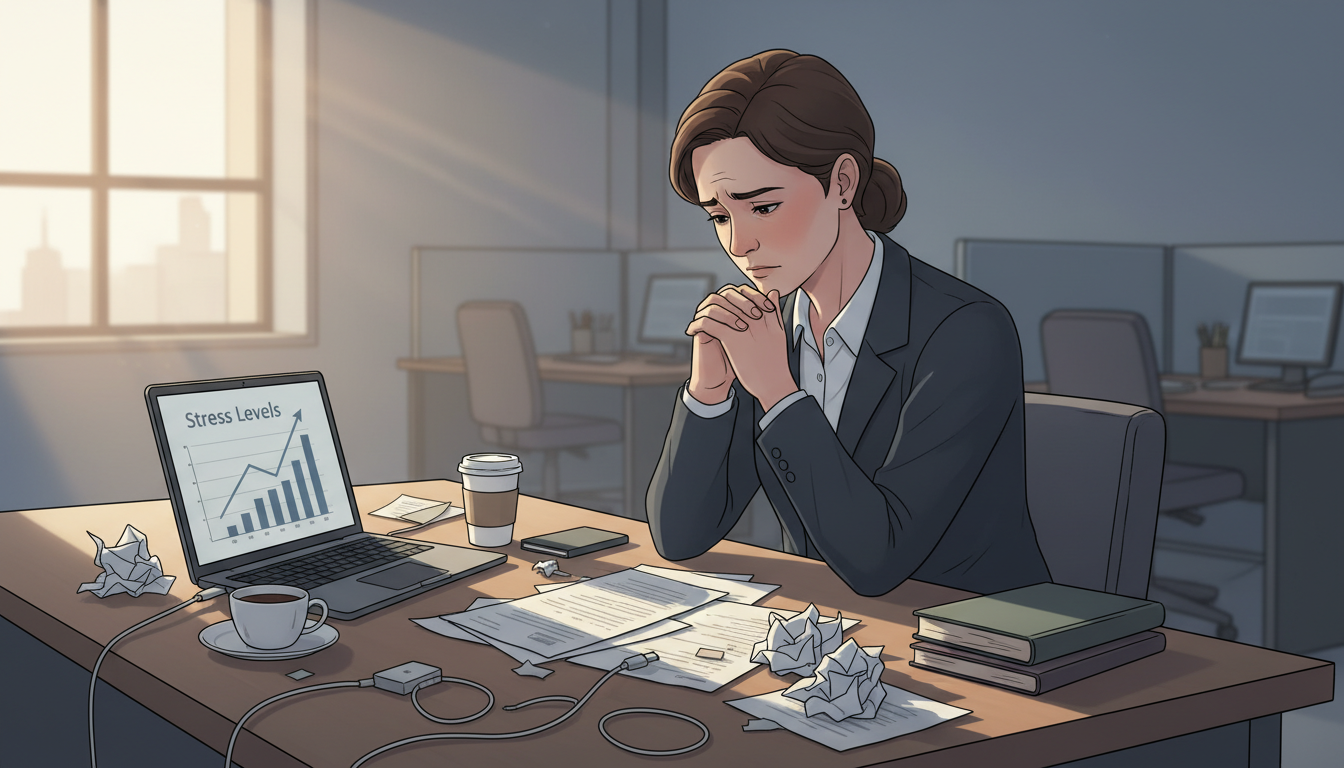
What if your everyday worries weren’t just normal stress, but a sign of a deeper mental health condition?
We are here to explore a common yet often misunderstood challenge. Generalized anxiety disorder (GAD) is a specific and recognized psychiatric condition. It goes far beyond typical daily concerns.
This condition involves excessive, uncontrollable worry. The nervous feelings persist for months and touch many areas of life, like health, work, and family. The anxiety is often out of proportion to the actual situation.
It’s a chronic state of dread that can interfere with how you live. It is not a character flaw or something you can simply “snap out of.” Millions of Americans navigate this reality, with it often beginning in the teen or early adult years.
Our mission is to provide clear, evidence-based information. This guide serves as your ultimate resource. We will cover everything from biological roots to practical management strategies for this anxiety disorder.
Key Takeaways
- Generalized anxiety disorder is a medical condition, not just everyday stress or a personality trait.
- It is defined by excessive and difficult-to-control worry that lasts for months and impacts multiple life areas.
- This anxiety disorder affects a significant portion of the population, often starting in adolescence or early adulthood.
- Effective diagnosis and treatment are available and can dramatically improve daily functioning and quality of life.
- Understanding the difference between normal worry and a clinical disorder is the first step toward seeking help.
- Management involves a combination of professional therapy, potential medication, and supportive lifestyle changes.
- You are not alone, and with the right resources, you can learn to manage your symptoms effectively.
Introduction to GAD Disease
Our goal is to demystify the experience of chronic worry by providing evidence-based insights. This mental health challenge often starts in early adulthood but can occur at any stage of life. With the right support, people can manage their symptoms and significantly improve their daily lives.
Our Mission and Approach
We are dedicated to offering comprehensive, scientifically-accurate information. Our approach integrates medical, psychological, and lived-experience perspectives. This ensures our guide addresses diverse needs while working to reduce stigma.
Scope of This Ultimate Guide
This resource provides a complete overview, from basic definitions to advanced management strategies. You will find details on diagnosis, risk factors, therapy options, and lifestyle changes. It serves both individuals navigating these feelings and their supportive loved ones.
What Is GAD Disease?
Generalized anxiety disorder represents a specific pattern of persistent and excessive worry that differs from everyday stress. This recognized mental health diagnosis involves chronic apprehension that can dominate a person’s thoughts.

Defining GAD Disease and Its Role in Mental Health
Generalized anxiety disorder is characterized by uncontrollable worry about multiple life areas. This worry lasts for months and feels out of proportion to real events.
It is not the same as normal stress. Stress is a response to an external cause, like a work deadline. The anxiety in this disorder can occur without any current threat.
“Generalized anxiety disorder is not a choice or a weakness; it’s a medical condition that requires understanding and treatment.”
This condition significantly interferes with daily functioning. People may struggle with work, relationships, and personal well-being due to constant dread.
| Aspect | Generalized Anxiety Disorder | Normal Worry/Stress |
|---|---|---|
| Duration | Persists for months or years | Temporary, linked to specific events |
| Triggers | Often none, or disproportionate to situation | Identifiable external cause |
| Intensity | Excessive, difficult to control | Manageable, proportional to concern |
| Impact on Life | Interferes with daily functioning | Minimal disruption to routine |
GAD is a legitimate psychiatric condition with biological and environmental roots. Understanding this distinction is the first step toward effective management.
Recognizing the Symptoms of Generalized Anxiety
Identifying the signs of generalized anxiety is crucial for understanding when everyday worry crosses into a clinical condition. The symptoms are persistent and multifaceted, affecting both mind and body.
Physical and Emotional Symptoms
People experience excessive worry about routine things, with trouble controlling these nervous feelings. Emotional signs include constant irritability, feeling “on edge,” and difficulty concentrating.
The physical symptoms are equally telling. These can include restlessness, muscle tension, headaches, stomach discomfort, trembling, and sweating. Persistent trouble with sleep or feeling fatigued is very common.
“The body keeps the score. Chronic anxiety often manifests as very real physical sensations that can be debilitating.”
For a formal diagnosis, these challenges must be consistent for at least six months.
Impact on Daily Life
This disorder significantly interferes with daily functioning. Adults with generalized anxiety are often highly nervous about job security, health, finances, and family well-being.
Children and teens may fixate on school performance, friendships, and future outcomes. The constant worry makes completing routine responsibilities a major source of stress for all ages.
Exploring the Causes and Risk Factors
Exploring the origins of generalized anxiety reveals a picture shaped by family history, brain function, and personal stress. No single cause explains this condition fully.

It results from a complex mix of genetic, biological, and environmental influences. We will break down these key contributors.
Genetic and Family Influences
Family and twin studies show a strong hereditary basis. If a close relative has this disorder, your risk is higher.
Genes may account for 30-40% of the risk for anxiety disorders. They also create a link between this condition and major depression.
Environmental and Lifestyle Triggers
Life experiences play a larger role. Trauma, chronic stress, or an accumulation of minor events can trigger overwhelming anxiety.
Parenting that models constant worry can influence children. For women, factors like partner abuse or hormonal changes during pregnancy are significant risks.
Understanding Stress Responses
The brain’s threat detection system, centered on the amygdala, can become overly sensitive. This is like a “smoke detector” going off too easily.
This heightened state creates a cycle of fear and vigilance. Both inherited traits and learned behaviors from family shape this reactive pattern.
Diagnosing and Differentiating GAD
The process of diagnosing generalized anxiety involves both ruling out other causes and confirming specific symptom patterns. A clear diagnosis is the foundation for an effective treatment plan.
Screening Tools and Assessments
If you experience persistent worry, a health care provider will conduct a detailed assessment. They ask about when your symptoms started, how long they last, and their impact.
Clinicians often use quick screening tools like the GAD-7 or GAD-2 questionnaires. These help determine if a formal evaluation for an anxiety disorder is needed.
A physical exam is also common. This step rules out medical conditions that can mimic anxiety.
Differentiating GAD from Normal Anxiety
The key difference lies in persistence and impact. Occasional stress is normal. Generalized anxiety disorder involves excessive worry most days for at least six months.
Formal diagnosis requires difficulty controlling worry plus three or more physical or cognitive symptoms. These include restlessness, fatigue, and trouble concentrating.
Your provider will also ensure symptoms aren’t due to other anxiety disorders, substance use, or medication.
| Feature | Generalized Anxiety Disorder (GAD) | Normal Anxiety |
|---|---|---|
| Duration | Persists for 6+ months | Short-term, situational |
| Control | Worry feels uncontrollable | Worry is manageable |
| Impact on Life | Causes significant distress & impairment | Minimal disruption to routine |
| Triggers | Often vague or disproportionate | Linked to a clear, current stressor |
Consulting a primary care doctor, psychiatrist, or psychologist is the best step for a proper evaluation. They provide clarity and a path forward.
Comprehensive Treatment Options for GAD
Managing generalized anxiety disorder effectively requires a multi-faceted approach tailored to each individual. Effective treatment typically involves psychotherapy, medication, or a blend of both.
Your health care provider will collaborate with you to create a plan. This plan is based on your specific symptoms, needs, and overall health.
Tailoring Treatment Plans to Individual Needs
No single approach works for everyone. A personalized strategy considers symptom severity, personal preferences, and medical history.
Finding the best treatment may require some trial and error. Both therapy and medication can take time to show full benefits.
“Research consistently shows that the largest improvement in managing anxiety disorders comes from a combined approach—integrating medication with psychotherapy.”
The two primary treatment categories are psychotherapeutic and pharmacological. They are often used together for optimal results.
| Modality | Primary Focus | Typical Timeframe |
|---|---|---|
| Psychotherapy (e.g., CBT) | Changing thought and behavior patterns | Weeks to months |
| Medication (e.g., SSRIs) | Regulating brain chemistry | Several weeks for effect |
| Combined Treatment | Addressing both psychological and biological factors | Ongoing, with sustained management |
Combining Therapy and Medication
A combination of cognitive behavioral therapy and medication is often the most desirable strategy. This integrated method tackles the disorder from multiple angles.
Many people find this dual approach offers superior outcomes. Ongoing consultation with your provider is key to monitoring progress and making adjustments.
This collaborative process ensures your plan evolves with your needs. It provides a solid foundation for managing generalized anxiety disorder long-term.
Psychotherapy Approaches for Anxiety Management
Talk therapy provides structured methods to address the thought patterns and behaviors central to chronic anxiety. These psychological treatments are a core component of comprehensive care.
We will explore several evidence-based options. The right approach depends on individual needs and preferences.
Cognitive Behavioral Therapy (CBT)
Cognitive behavioral therapy is the most effective and widely used psychological treatment for this condition. It helps you identify and change negative thoughts that fuel excessive worry.
The goal is to challenge irrational beliefs through techniques like journaling and cognitive restructuring. CBT also uses exposure exercises to reduce fear responses over time.
This therapy can be delivered in-person or online as iCBT. Both formats are effective for managing anxiety disorders.
Additional Therapeutic Methods
Acceptance and Commitment Therapy (ACT) takes a different path. It encourages accepting thoughts without judgment while focusing on meaningful life activities.
Psychodynamic therapy explores how subconscious conflicts may drive worry. Another option is exposure therapy, which systematically reduces anxiety by facing fears in a safe setting.
For children struggling with anxiety, group-based exposure treatment is often preferred. It builds social skills while addressing worry.
Medication and Alternative Interventions
While therapy addresses thought patterns, medication targets the biological underpinnings of persistent worry. A complete treatment plan often includes a review of prescription options.
This approach can help stabilize brain chemistry. It allows other coping skills to become more effective.
Prescription Medications Overview
First-line pharmacological treatment often involves antidepressants. Selective serotonin reuptake inhibitors (SSRIs) and similar drugs help regulate serotonin levels.
They may take several weeks to reduce anxiety symptoms effectively. Starting with a low dose helps manage potential side effects like headaches.
For rapid relief during severe episodes, benzodiazepines may be used short-term. A care provider monitors these closely due to tolerance risks.
Other options include buspirone and pregabalin. Each medication class has a distinct role in managing this disorder.
| Medication Class | Common Examples | Key Considerations |
|---|---|---|
| Antidepressants (SSRIs/SNRIs) | Sertraline, Venlafaxine | First-line treatment; takes weeks for full effect. |
| Anti-anxiety (Benzodiazepines) | Alprazolam, Clonazepam | Fast-acting; recommended for short-term use only. |
| Other Agents | Buspirone, Pregabalin | Alternative options with different risk profiles. |
Complementary and Alternative Treatments
Many seek additional support beyond conventional medicine. Regular exercise and therapeutic massage have shown promise in studies.
These practices can lower physical tension and improve mood. They work well alongside standard treatment plans.
Emerging research explores novel interventions like brain stimulation. For comprehensive support, explore resources at Workshift Anxiety.
Science continues to expand the toolkit for managing chronic anxiety. This offers hope for more personalized future solutions.
Lifestyle, Coping Strategies, and Healthy Habits
Beyond professional treatment, everyday habits play a crucial role in shaping your mental well-being. We emphasize that healthy lifestyle practices are valuable complementary strategies. They enhance the effectiveness of psychotherapy and medication.
Implementing Stress Management Techniques
Researchers show that specific choices reduce anxiety symptoms. Regular exercise, mindfulness, and meditation are powerful tools. These practices lower physical tension and improve mood.
They also amplify the benefits of your professional treatment. For instance, mindfulness can help you observe worried thoughts without reaction. This skill supports the work done in therapy sessions.
Building a Healthy Daily Routine
A consistent daily routine supports overall mental health. Key habits include ensuring adequate sleep and limiting caffeine intake. Caffeine can exacerbate anxiety by increasing arousal and disrupting sleep.
Balanced nutrition and regular physical activity are also foundational. Engage in meaningful activities and maintain a healthy work-life balance. Purposeful engagement reduces anxiety, while isolation can worsen symptoms.
Always consult your healthcare provider. They can help tailor these lifestyle modifications to your individual needs.
Building Support Systems and Self-Advocacy
Self-advocacy skills empower individuals to navigate the mental health system with confidence. Building a robust network is a cornerstone of managing chronic worry.
Finding Community and Professional Help
Peer support groups, both in-person and online, offer safe spaces. People share experiences and reduce isolation among others facing similar challenges.
Always discuss group advice with your health care provider. Their professional guidance is essential for your treatment plan.
Educate yourself about generalized anxiety disorder. Research symptoms and information to make informed decisions.
Have honest talks with trusted family or friends about your feelings. If anxiety disrupts work or school, seek help.
Be patient and acknowledge small progress. Setbacks are normal in managing mental health.
Your primary care doctor can refer you to specialists. These include psychologists or psychiatrists.
Many adults with this disorder also experience depression. Integrated care addresses both anxiety depression concerns.
Ask questions and seek information actively. Developing strong self-advocacy skills is crucial for your health.
| Type of Support | Key Benefits | Considerations |
|---|---|---|
| Peer Support Groups | Reduces isolation, shares coping strategies | Advice should not replace professional care |
| Professional Therapy | Evidence-based treatment for symptoms | May require multiple sessions for effect |
| Primary Care Provider | Initial evaluation and referral to specialists | Gatekeeper to comprehensive mental health services |
Conclusion
This journey through the complexities of chronic worry underscores a central truth: effective management is within reach. Generalized anxiety disorder is a treatable mental health condition that often begins in early adulthood. It affects millions of people, particularly women.
With the right treatment and support, individuals can significantly improve their quality of life. A formal diagnosis typically requires difficulty controlling worry most days for at least six months. Effective care often combines therapy like CBT with medication, tailored to each person.
If you recognize symptoms of an anxiety disorder, seeking professional health care is a courageous step. We are committed to providing accurate information and ongoing information to empower your journey toward well-being.