

What if the constant worry you feel isn’t just everyday stress, but a sign of one of America’s most common mental health conditions?
This question lies at the heart of understanding generalized anxiety disorder. It’s a condition marked by persistent, excessive fear that feels impossible to control. This anxiety goes beyond normal nervousness. It can dominate thoughts and disrupt daily life.
According to the American Psychiatric Association, nearly 30% of adults experience an anxiety disorder in their lifetime. Generalized anxiety disorder itself affects about 2.9% of U.S. adults in any given year. It often starts around age 30.
Many people struggle for years without a proper diagnosis. Their symptoms are often mistaken for physical health problems. This guide will help you understand the official DSM-5 diagnostic criteria. We will explore what this disorder really looks like and how it can be effectively managed.
Our goal is to provide clear, actionable information. With the right knowledge and support, living a full and productive life is absolutely possible.
Key Takeaways
- Anxiety disorders are the most common mental disorders in the United States.
- Generalized anxiety disorder involves excessive, hard-to-control worry about everyday situations.
- This condition causes significant distress and can impair work, social, and personal functioning.
- It is a treatable condition, and most people find relief with proper diagnosis and evidence-based care.
- Symptoms include both psychological worry and physical signs like restlessness, fatigue, and muscle tension.
- Women are statistically more likely than men to experience anxiety disorders.
- Accurate diagnosis using established criteria is the crucial first step toward effective management.
Introduction to GAD DSM 5
The line between typical life stress and a clinical anxiety disorder can be blurry. Many people struggle for years without seeking help.
We created this guide to clear up the confusion. Our focus is on adults experiencing persistent worry. We aim to provide clear, actionable knowledge.
Our Motivation and Scope
Excessive worry is the core feature of generalized anxiety disorder. It’s more than everyday stress. This type of anxiety is persistent and hard to control.
It can severely impact daily life and functioning. Yet, effective treatments exist. Our scope is specific to adult diagnosis and care.
| Feature | Normal Worry | Generalized Anxiety Disorder |
|---|---|---|
| Duration | Short-term, related to a specific event. | Persists more days than not for 6+ months. |
| Control | Manageable, you can shift focus. | Feels excessive and uncontrollable. |
| Impact on Life | Minimal interference with daily tasks. | Causes significant distress or impairment. |
| Physical Symptoms | Few or mild (e.g., brief tension). | Multiple symptoms like restlessness, fatigue, muscle tension. |
What You Will Learn in This Ultimate Guide
This resource will help you recognize key symptoms. You will understand the formal DSM-5 diagnostic criteria.
We will differentiate this condition from other anxiety disorders. You will also learn about evidence-based treatment options. Knowledge is the first step toward better mental health.
Understanding GAD DSM 5 Diagnostic Criteria
Clinicians rely on a standardized framework to identify and differentiate clinical anxiety from everyday stress. This framework provides the specific rules for a formal diagnosis.
DSM-5 Overview and Key Elements
The Diagnostic and Statistical Manual of Mental Disorders (DSM-5) is the primary guide used by the American Psychiatric Association. It sets the official standards for diagnosing mental health conditions.
For generalized anxiety disorder, key elements include persistent worry lasting at least six months. The worry must be about multiple events and feel excessive and uncontrollable.
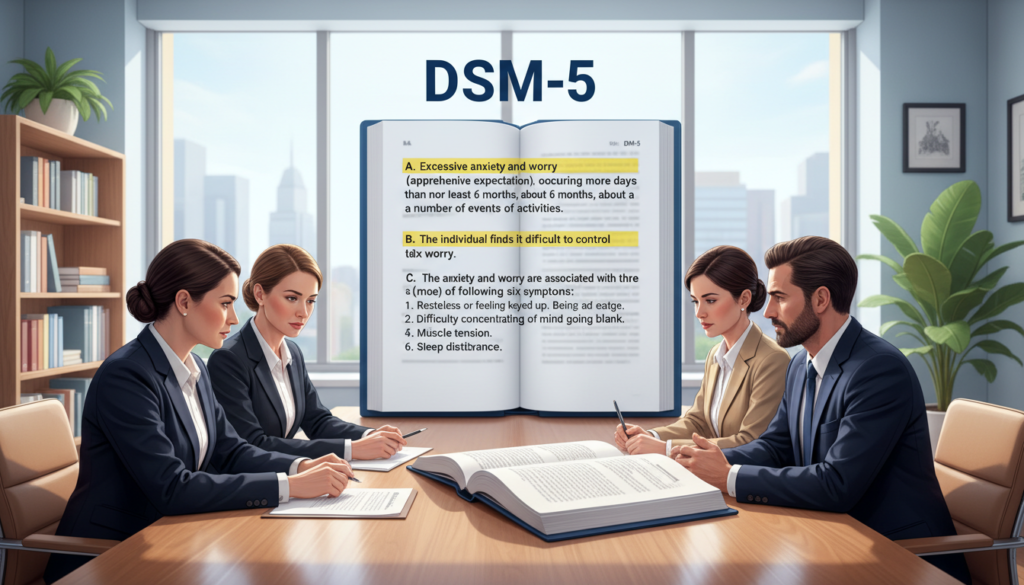
Interpreting the Specific Criteria
Criterion A requires excessive anxiety and worry occurring more days than not for six months. This distinguishes it from short-term stress.
Criterion B states the worry must be difficult to control. This loss of control is a core feature of the disorder.
Criterion C lists physical and cognitive symptoms. A person must experience at least three, like restlessness, fatigue, or muscle tension.
Further criteria ensure the anxiety disorder causes significant life impairment. It must not be due to substance use, a medical condition, or another panic disorder. Tools like the GAD-7 questionnaire help clinicians apply these criteria effectively.
Recognizing Symptoms of Generalized Anxiety Disorder
The symptoms of clinical anxiety weave through both the mind and body in distinctive ways. Recognizing them is the first step toward managing this common disorder.
Physical and Cognitive Signs
This condition presents with clear physical symptoms. People often feel restless or keyed up. Persistent muscle tension, especially in the neck, is common.
Chronic fatigue and sleep troubles are frequent. Many experience stomach issues or headaches. These are tangible signs of the body’s stress response.
Cognitive signs involve the mind. There is excessive, hard-to-control worry about everyday things. Concentration becomes difficult, and irritability may surface.
| Physical Symptoms | Cognitive Signs |
|---|---|
| Restlessness or feeling on edge | Persistent, uncontrollable worry |
| Muscle tension and aches | Difficulty concentrating or mind going blank |
| Easily fatigued | Irritability |
| Sleep disturbance (trouble falling/staying asleep) | Anxiety that feels excessive to the situation |
| Gastrointestinal upset or headaches | Racing thoughts about multiple life domains |
Impact on Daily Life and Functioning
These symptoms are not just uncomfortable. They cause real impairment in daily life. Work performance can suffer due to poor focus.
Personal relationships may strain under constant irritability. The worry itself becomes a major distraction. It can stop people from enjoying activities they love.
Life stressors can make the anxiety worse. Recognizing these patterns is crucial. It leads to seeking proper help for generalized anxiety disorder.
Comparative Overview: GAD and Other Anxiety Disorders
A sudden, overwhelming surge of fear is not the same as a constant hum of worry. This contrast lies at the heart of differentiating between anxiety disorders.
We provide a clear comparison to help identify distinct patterns. Accurate diagnosis guides effective care.
Differentiating from Panic Disorder
Panic disorder is defined by recurrent, unexpected panic attacks. These are abrupt surges of intense fear that peak within minutes.
In contrast, generalized anxiety involves persistent, chronic worry without these acute episodes. The table below highlights key differences.
| Feature | Panic Disorder | Generalized Anxiety Disorder |
|---|---|---|
| Core Experience | Sudden, episodic panic attacks | Persistent, excessive worry |
| Symptom Pattern | Acute surge (peaks in minutes) | Chronic, daily tension |
| Key Physical Symptom | Palpitations (most common) | Muscle tension and restlessness |
| 12-Month Prevalence (U.S. Adults) | 3.1% | 2.9% |
Understanding Overlapping Symptoms
Many conditions share features like excessive anxiety and physical arousal. This overlap can complicate diagnosis.
For example, both disorders may involve avoidance of certain situations. They also commonly occur alongside other mental health conditions.
Proper evaluation is essential. Tailored treatment plans, like those discussed at Workshift Anxiety, address the specific symptoms of each anxiety disorder.
Epidemiology, Etiology, and Pathophysiology
Epidemiological data reveals that generalized anxiety disorder touches millions of lives, with distinct patterns across demographics. Understanding its roots and reach is crucial for effective public health strategies.
Genetic, Environmental, and Psychological Factors
The causes of this anxiety disorder are multifaceted. Research, including twin studies, points to a mix of genetic vulnerability and environmental triggers.
Specific risk factors include being female, unmarried, having lower education, and experiencing significant life stressors. Poor physical health also increases susceptibility.
Neuroscience suggests brains in those with chronic worry show persistent activation in areas linked to introspective thinking. This highlights a potential biological basis for the dysregulation of normal worry.
How Prevalence Shapes Our Understanding
About 2.9% of U.S. adults experience this condition in any given year. Lifetime rates show a clear gender gap: 7.7% of women and 4.6% of men.
The median age of onset is 30 years, though symptoms can appear at various ages. This anxiety disorder rarely occurs alone.
It commonly co-occurs with other mental disorders, like mood or substance use conditions. This high comorbidity informs screening and comprehensive care approaches in clinical settings.
Effective Treatment Strategies: Medications and Therapies
Effective management of chronic anxiety rests on two pillars: modern medication and structured therapy. Both are reasonable initial treatment options. Research shows combined approaches often yield the largest improvement for moderate to severe generalized anxiety disorder.
Medication Options and Their Role
Selective serotonin reuptake inhibitors (SSRIs) are first-line antidepressants. These include escitalopram, fluoxetine, and sertraline. Serotonin-norepinephrine reuptake inhibitors (SNRIs) like venlafaxine are also effective.
Azapirones such as buspirone work better than placebo. Tricyclic antidepressants can help but have more side effects.
Medications should be started low and increased slowly. A medication trial needs at least four weeks at an adequate dose. Once symptoms improve, continue treatment for 12 months to prevent relapse.
Benzodiazepines reduce anxiety quickly. They carry a high risk of dependence. Guidelines recommend only short-term use during crises.
| Medication Class | Common Examples | Role in GAD Treatment | Key Considerations |
|---|---|---|---|
| SSRIs | Escitalopram, Sertraline | First-line therapy; well-tolerated | Slow titration reduces initial side effects |
| SNRIs | Venlafaxine XR, Duloxetine | First-line; effective for persistent worry | Also used for comorbid panic or pain |
| Azapirones | Buspirone | Alternative option; less sedating | May take weeks for full effect |
| Benzodiazepines | Alprazolam, Clonazepam | Short-term crisis use only | High dependence risk; not for long-term care |

Psychotherapy, CBT, and Relaxation Techniques
Cognitive behavioral therapy has the strongest evidence for treating this anxiety disorder. It teaches new ways of thinking and reacting. CBT can be as effective as medication.
Therapy includes cognitive restructuring and exposure exercises. Relaxation and mindfulness techniques are also core components. Structured cognitive behavioral therapy works well in primary care settings.
Psychotherapy should be weekly for at least eight weeks. Successful treatment is tailored to the individual. Many people benefit from a combined plan of medications and therapy.
Lifestyle Adjustments and Anxiety Management Techniques
Daily habits and routines hold surprising power to either fuel or soothe persistent anxiety. While not a replacement for professional care, these changes provide essential tools for management.
They can reduce symptoms and improve overall well-being. We outline key areas where simple shifts in behavior make a significant difference.
Diet, Exercise, and Improved Sleep Practices
Identifying and removing common triggers is a crucial first step. Caffeine and nicotine are major culprits that can worsen anxiety symptoms.
Smoking cessation, contrary to belief, leads to better anxiety scores over time. Relapse, however, is linked to increased worry.
Physical activity is a cost-effective management strategy for generalized anxiety. Regular exercise at 60-90% of max heart rate for 20 minutes, three times weekly, decreases anxiety.
Yoga is particularly effective, combining movement with mindfulness. This behavior also boosts physical health and life satisfaction.
| Common Trigger | Recommended Adjustment | Expected Benefit |
|---|---|---|
| Caffeine & Stimulants | Reduce or eliminate use | Less physiological arousal, fewer panic-like responses |
| Poor Sleep Habits | Establish consistent sleep schedule & hygiene | Improved sleep quality, reduced next-day anxiety |
| Sedentary Lifestyle | Incorporate regular aerobic exercise or yoga | Decreased symptoms, better mood regulation |
| Unmanaged Stress | Practice meditation & stress management techniques | Enhanced coping skills, lower daily tension |
Sleep and anxiety have a complex relationship. Disordered sleep often accompanies this disorder.
Improving both sleep quality and quantity is vital. Good sleep hygiene helps break the cycle of fatigue and anxiety.
Beyond triggers, a balanced diet supports stable mood. Regular meals prevent blood sugar crashes that can mimic anxiety symptoms.
These lifestyle adjustments are most powerful when part of a comprehensive plan. For moderate to severe generalized anxiety disorder, they complement therapy and medication.
Empowering Recovery Through Professional Care and Support
The path to managing generalized anxiety disorder often begins with a conversation in a doctor’s office. Seeking professional care is the most powerful step toward reclaiming your life from chronic worry.
When to Seek Help and Building a Treatment Plan
If excessive worry occurs most days for several months and disrupts your life, consult a provider. A primary care doctor can first rule out physical health issues that mimic anxiety symptoms.
An accurate diagnosis leads to an effective plan. Mental health specialists offer evidence-based treatment. This includes therapy and medication.
Collaboration between patient and provider is key. A strong therapeutic alliance builds trust and improves outcomes. Compassionate listening and education reduce fear about the process.
Many people with these disorders never seek help. They may not know treatment works. Stigma or hopelessness can be barriers.
For lasting recovery, medication is often continued for a year after symptoms ease. Primary care physicians play a vital role in ongoing care.
Special considerations are needed for children with anxiety disorders. With proper support, most people with generalized anxiety can live fully.
Conclusion
Millions find their daily lives shadowed by excessive fear, yet a clear path forward exists with proper knowledge. Anxiety disorders are among the most common mental health challenges, affecting nearly one in three adults.
These conditions are highly treatable. With the right treatment, most people can lead full, productive lives.
A key part of diagnosis is recognizing when worry is out of proportion. For generalized anxiety, this means persistent, hard-to-control concern lasting many months. It must cause real problems at work, home, or in relationships.
People may start avoiding situations that worsen their anxiety. This is true for adults and children alike.
If you see these signs, seeking help is a sign of strength. Effective care, including therapy and medication, can transform this disorder‘s course. You can reclaim your life from overwhelming anxiety.