
What if the sudden rush of fear that grips millions could be managed effectively? We begin by exploring this critical question.
Every year, up to 11% of people in the United States face these intense episodes. They bring overwhelming physical reactions during ordinary moments.
About 2% to 3% of Americans live with panic disorder. This condition affects women about twice as often as men.
While these episodes are not physically dangerous, frequent occurrences can deeply impact one’s quality of life. They create ongoing challenges in daily functioning.
This guide provides actionable information on various management approaches. We cover professional interventions and self-help strategies you can use right away.
With the right support, individuals can regain control. Improving overall mental health and well-being is absolutely possible. For detailed medical guidance, explore effective treatment options.
Key Takeaways
- Sudden, intense fear episodes are a common experience for millions of Americans each year.
- While not physically harmful, frequent episodes can significantly reduce daily quality of life.
- Panic disorder is a specific diagnosis that affects a smaller percentage of the population.
- Effective management strategies exist and can lead to significant improvement.
- This guide will provide comprehensive information on both professional and self-help approaches.
- Understanding your options is the first step toward better mental health and wellness.
Understanding Panic Attacks and Their Impact
A clear definition of these intense episodes separates myth from reality, paving the way for control. We define a panic attack as a sudden, temporary surge of intense fear and powerful physical symptoms when there is no real danger.
Recognizing Symptoms and Physical Reactions
The body’s alarm system goes off full blast. You might experience a racing heartbeat, profuse sweating, chest pain, or shortness of breath. Other common signs include trembling, dizziness, nausea, and feelings of choking or impending doom.
These symptoms are so severe they are often mistaken for a heart attack. It’s a frightening experience, but the physical sensations are not life-threatening. Most episodes peak within 5 to 20 minutes.
Distinguishing Panic Attacks from Anxiety Attacks
While the terms are often used interchangeably, key differences exist. Understanding them helps in identifying the right management approach.
| Feature | Panic Episode | Anxiety Episode |
|---|---|---|
| Onset | Sudden & unexpected | Gradual build-up |
| Common Triggers | Often none apparent | Specific stressors |
| Symptom Intensity | Very high, peak quickly | Generally lower, more persistent |
| Typical Duration | Brief (5-20 min) | Longer-lasting (hours, days) |
Anxiety often involves persistent worry that causes physical tension. A panic attack is an abrupt, intense wave of fear. Recognizing your symptoms early is crucial. It allows you to seek appropriate support and explore resources like workshiftanxiety.com.
Insights into Panic Disorder
When recurrent panic attacks become a pattern, they may signify a deeper anxiety disorder. This condition involves multiple unexpected episodes of intense fear.
Not everyone who has a panic attack develops panic disorder. A formal diagnosis requires specific criteria over time.
Core Characteristics and Triggers
Panic disorder is a specific anxiety condition. The attacks often happen without any clear trigger or warning.
To be diagnosed, a person must have recurrent, unexpected panic attacks. They must also spend at least one month in persistent worry.

This worry focuses on having more attacks or changing behavior to avoid them. The fear of the next episode can become a central concern.
It commonly begins in late teens or early adulthood. Understanding these features helps identify the need for support.
| Feature | Panic Disorder | Isolated Panic Attack |
|---|---|---|
| Onset | Unexpected, no clear trigger | May be linked to stress |
| Frequency | Recurrent and frequent | Occasional or single episode |
| Diagnostic Requirement | 1+ month of persistent worry/behavior change | No ongoing worry required |
| Primary Concern | Fear of future attacks (“fear of fear”) | Fear during the attack itself |
The Broader Impact on Daily Life
Many people with this disorder start avoiding certain situations. They fear these places might trigger another attack.
This avoidance can severely restrict daily activities. It creates a cycle where life becomes organized around avoiding fear.
Agoraphobia can develop as a co-occurring condition. It involves intense anxiety about places where escape seems hard.
Recognizing these impacts is crucial. It signals when professional help can improve quality of life.
Effective Panic Attack Treatment Options
The journey toward reducing overwhelming fear episodes involves exploring two primary avenues: medication and psychotherapy. Professional guidance helps tailor a plan to your unique situation.
Medication versus Therapy: What Works Best?
Choosing the right approach depends on personal needs and medical history. A mental health professional can help decide between talk therapy, pharmaceuticals, or a blend of both.
Common medications include antidepressants like SSRIs and SNRIs. These reuptake inhibitors help regulate brain chemistry.
They are often used for depression but also ease symptoms of panic disorder. It takes time for them to work fully, often several weeks.
The goal is to reduce the frequency and intensity of these episodes. Many find a combination of therapy and medicine offers the most relief.
Breathing Techniques and Relaxation Strategies
You don’t need special equipment to find relief; effective techniques start with how you inhale and exhale. When an intense episode begins, try to stay where you are. Remind yourself this frightening wave will pass.
It is not life-threatening. Learning to control your breath is one of the most accessible tools for immediate symptom management.
Deep Breathing Exercises for Immediate Relief
Proper breathing techniques work by calming your body’s alarm system. They activate the parasympathetic nervous system.
This counters the rapid, shallow breaths common during high stress. It can reduce dizziness and chest tightness.
Practice methods like diaphragmatic breathing, box breathing, and the 4-7-8 pattern. Regular rehearsal makes them automatic for use during difficult moments.
Focus on positive, peaceful images while you breathe. This combination redirects your mind away from distressing symptoms.
| Technique | Steps | Key Benefit |
|---|---|---|
| Diaphragmatic Breathing | Breathe deeply into your belly, not your chest. Place a hand on your stomach to feel it rise. | Promotes full oxygen exchange and slows heartbeat. |
| Box Breathing | Inhale for 4 counts, hold for 4, exhale for 4, hold for 4. Repeat. | Creates a rhythmic pattern that fosters focus and calm. |
| 4-7-8 Breathing | Inhale quietly for 4, hold for 7, exhale completely for 8. | This extended exhale is particularly effective for soothing the nervous system. |
These strategies serve a dual purpose. They provide immediate relief during attacks and lower overall stress to help prevent future ones. For a deeper understanding of how these methods interact with the body’s fear response, review this resource on breathing techniques.
Exploring Cognitive Behavioral Techniques
Cognitive behavioral therapy offers a structured path to regain control over overwhelming fear. This research-supported psychotherapy is considered the gold standard for addressing panic disorder.
It teaches different ways of thinking, behaving, and reacting to intense feelings. By altering responses to physical sensations, the frequency of distressing episodes can decrease.
How CBT Helps Manage Panic Symptoms
A therapist works with you to examine reactions during high-stress moments. They help identify thought patterns that intensify fear. You learn practical ways to maintain calm when symptoms arise.
This approach changes your relationship with bodily signals. It reduces the power these sensations have over your daily life.
Exposure Therapy and Its Role
Exposure is a common CBT method. It focuses on confronting fears linked to disorder symptoms. This helps people re-engage in activities they avoid.
Interoceptive exposure is a specific technique. It involves safely experiencing bodily sensations associated with fear surges. Combined with relaxation exercises, it builds tolerance.
CBT provides lasting benefits by addressing underlying thought patterns. It offers more than temporary relief, fostering long-term resilience.
Self-Help Strategies for Managing Panic Attacks
Beyond professional guidance, daily habits and personal practices offer a toolkit for navigating overwhelming feelings. These approaches empower you to build resilience and reduce the frequency of distressing episodes. They work best as a complement to a comprehensive care plan.
Practicing Mindfulness and Stress Reduction
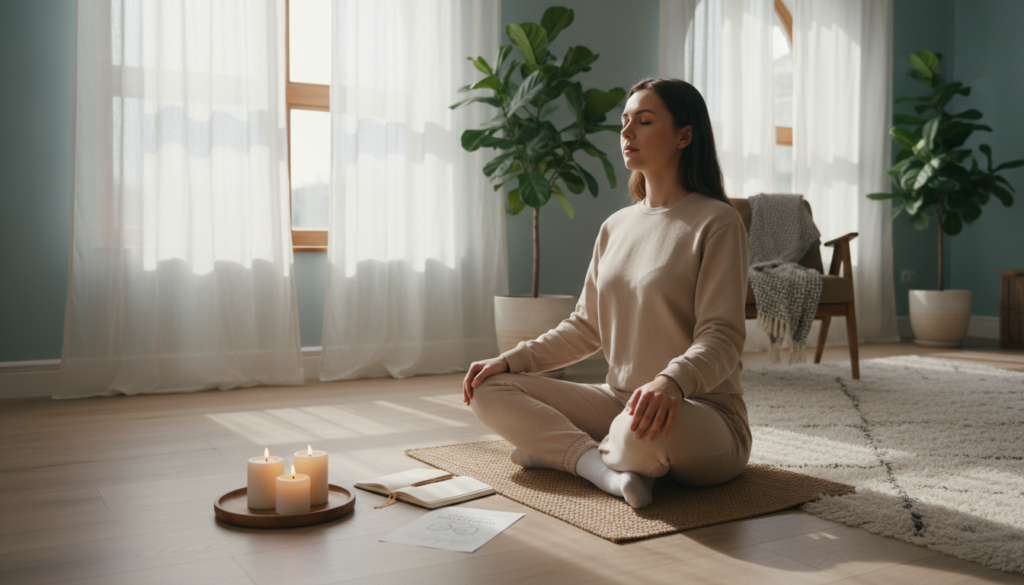
Mindfulness teaches you to stay present. Instead of worrying about future episodes, you learn to observe your current feelings and physical sensations without judgment.
Techniques like body scan meditation and grounding exercises provide immediate relief during moments of high stress. They help calm the nervous system and break the cycle of fear.
Regular physical activity is another powerful tool. Exercise naturally lowers tension and improves overall mental health, making you less vulnerable to anxiety.
Simple dietary changes can also make a difference. Avoiding sugary foods, caffeine, and alcohol helps prevent spikes in symptoms. Quitting smoking is equally important for long-term wellness.
Many people find value in self-help books based on cognitive behavioral therapy. These resources offer structured ways to understand and manage your reactions.
While these strategies can significantly improve your quality of life, they support—rather than replace—professional help for ongoing challenges.
Complementary Natural and Alternative Therapies
Many find that movement-based disciplines provide a tangible sense of mastery over their body’s responses. These supportive approaches work alongside standard care to enhance overall well-being.
They offer additional tools for managing distress and building resilience. A holistic focus on health can improve daily life.
Benefits of Yoga, Pilates, and Regular Exercise
Yoga integrates physical postures, breathing exercises, and meditation. This mind-body practice promotes deep relaxation and stress reduction.
It helps people become more attuned to early signs of discomfort. Pilates emphasizes controlled breathing, core strength, and body awareness.
This focus can build physical control, which may ease anxiety symptoms. Regular physical activity is a cornerstone of a natural approach.
“Movement is a medicine for creating change in a person’s physical, emotional, and mental states.”
Exercise releases endorphins, improves mood, and provides a healthy outlet. It directly reduces overall tension, a key factor in panic disorder.
| Practice | Key Elements | Primary Mental Benefit |
|---|---|---|
| Yoga | Postures, breathwork, meditation | Promotes mindfulness & reduces stress reactivity |
| Pilates | Core strength, controlled movement, alignment | Enhances body awareness & control |
| Regular Exercise | Aerobic & strength activities | Lowers baseline anxiety & improves mood |
These disciplines teach skills usable in various situations. For example, learned breathing techniques can curb the intensity of future attacks.
While highly beneficial, they are best viewed as complementary to evidence-based treatment. They support, but do not replace, professional care for this disorder.
When to Seek Professional Assistance
Recognizing your personal limits and the warning signs that demand professional help can prevent a manageable condition from escalating.
If you experience regular, unexpected panic attacks followed by a month of worry, consult a doctor. They will discuss your symptoms and may do a physical exam to rule out other health issues.
Identifying Warning Signs and Personal Limits
Self-help has its place. When fear starts dictating your daily choices, it’s time for expert support. This is especially true if episodes prevent you from working, attending school, or maintaining relationships.
Untreated, this disorder can worsen. The risk of developing other mental health challenges increases. These include agoraphobia, depression, and substance misuse problems.
| Warning Sign | Typical Stress Response |
|---|---|
| Recurrent, unexpected panic attacks | Occasional anxiety linked to a specific stressor |
| Persistent fear of future attacks for over a month | Temporary worry that fades after a stressful event |
| Avoiding many situations due to fear | Feeling uneasy but still engaging in activities |
| Physical symptoms severe enough to mimic a heart attack | General tension or a nervous stomach |
Some people with panic disorder have co-occurring disorders. These can be other anxiety disorders, PTSD, or physical health conditions.
This makes treatment more complex. A primary care provider can give an initial assessment. They can refer you to a specialist like a psychiatrist.
Involving trusted family members in your care can be valuable. Their understanding provides crucial support for recovery.
Final Reflections on Living with Panic and Finding Relief
Embracing a journey toward mental wellness means acknowledging struggles and celebrating progress. With the right combination of support, people with panic disorder can manage their symptoms and significantly improve daily life.
These intense fear episodes are frightening but not harmful. They typically last between 5 and 20 minutes. Frequency varies based on each person’s condition.
Some medications, like beta-blockers, help control physical reactions such as a racing heart and sweating. Benzodiazepines work quickly but require careful, brief use due to tolerance risks.
Practice self-compassion and patience. Family support plays a vital role in recovery. Educate loved ones to create a nurturing environment.
If you or someone you know is struggling, call or text the 988 Suicide & Crisis Lifeline. In emergencies, call 911. Use this information to take informed action toward relief and recovery.