
What if the overwhelming worry you feel isn’t just stress, but something that can stop you in your tracks? Many of us have moments where fear feels bigger than the situation. This intense distress is often called an anxiety attack.
These episodes describe periods of excessive worry and dread. They can make daily tasks seem impossible. People report trouble sleeping, focusing, and feeling on edge for days.
While not a formal medical term, the experience is very real. It differs from everyday nervousness in its intensity and duration. It can affect work, relationships, and overall health.
The good news is you’re not alone. These feelings are common and, more importantly, manageable. With the right information and strategies, you can take control of your response.
This guide provides evidence-based knowledge. We’ll help you recognize signs, explore management techniques, and find long-term strategies for a better life.
Key Takeaways
- Anxiety attacks involve intense, disproportionate worry that disrupts daily functioning.
- They are not a formal diagnosis but represent a very real and challenging experience.
- The symptoms, which can last for days, are more severe than everyday stress.
- These episodes are surprisingly common, meaning many people share this struggle.
- Effective management and treatment strategies are available and can lead to significant improvement.
- Understanding your personal triggers and responses is the first step toward control.
- This guide will provide practical information for navigating these challenging moments.
Understanding Anxiety Attacks
Many people confuse different types of distressing episodes, but knowing the distinctions is crucial. We will clarify the terms and provide essential information.
Defining an Anxiety Attack
An anxiety attack describes a period of intense worry tied to real-life stressors. The fear feels disproportionate to the actual situation. This is not a formal diagnosis, but the experience is a genuine health concern.
Differences Between Anxiety and Panic Attacks
Panic and anxiety episodes differ in key ways. A panic attack strikes suddenly with intense fear. It often peaks within minutes.
Specific symptoms like a racing heart or dizziness are required for a diagnosis. In contrast, anxious feelings usually build gradually. They can linger for days.
Recurrent panic attacks may indicate panic disorder. This involves ongoing worry about future episodes. Understanding these differences helps you communicate with a doctor. It also guides you to resources like Workshift Anxiety for support.
Recognizing the Signs and Symptoms
When intense worry strikes, it communicates through a distinct set of physical and emotional signs. These symptoms are your body’s alarm system. They typically fall into two clear categories.

Physical Manifestations
Your body reacts strongly during a panic attack. The stress response triggers several common physical symptoms.
- Pounding or racing heart
- Sweating, chills, or trembling
- Difficulty breathing or shortness of breath
- Weakness, dizziness, or tingling hands
- Chest or stomach pain
These sensations can be severe. For many, chest pain and dizziness feel like a heart problem. This fear often worsens the panic.
Emotional and Mental Cues
The feelings that accompany the physical signs are equally powerful. People report sudden waves of intense fear.
There is often a sense of losing control or impending doom. Some feel detached from reality during the episode.
A panic attack can last from a few minutes to over an hour. Recognizing these symptoms early is crucial. It allows for a faster, calmer response.
Identifying Triggers and Causes
A wide range of factors, from medical conditions to daily pressures, can act as catalysts for intense distress. Knowing your personal triggers is the first step to reducing the fear they create.
Medical and Physiological Factors
Sometimes, physical health conditions mimic or cause distressing symptoms. Thyroid problems, asthma, and certain heart conditions are common examples.
Neurologic issues and stimulant use can also play a role. Psychiatric disorders like other anxiety disorders, depression, or panic disorder are frequent co-occurring conditions. A full medical check-up is crucial, as explained by the Mayo Clinic.
Life Stressors and Past Experiences
For many people, overwhelming stress comes from life itself. Job pressure, financial debt, or family conflict are potent triggers.
Past trauma, like abuse or a serious accident, can lead to posttraumatic stress disorder (PTSD). Even positive events, like a wedding, can spark excessive worry. This ongoing distress may signal generalized anxiety disorder.
Understanding these situations helps you build better coping strategies.
| Category | Common Examples | Potential Impact |
|---|---|---|
| Health Conditions | Thyroid issues, Asthma, Heart arrhythmias | Can cause physical symptoms that mimic a panic attack |
| Psychiatric Disorders | Depression, OCD, Other anxiety disorders | Often co-occur, increasing overall distress |
| Life Stressors | Job loss, Debt, Caregiving, Trauma | Directly trigger episodes of intense anxiety |
| Substance Use | Caffeine, Stimulants, Certain medications | Can induce or worsen nervousness and physical symptoms |
How to Manage an Anxiety Attack
You can regain control during moments of intense distress by using specific, immediate techniques. These simple plans help counter the overwhelming feelings common in such attacks.
Step-by-Step Breathing Techniques
Focused breathing is a core skill. It activates your body’s natural relaxation response. This directly calms a racing heart and eases shortness of breath.
Practice deep, rhythmic breathing during a panic attack. Inhale slowly for a count of four, hold for four, and exhale for six. A supporting person can do this alongside you to provide a calm model.
Muscle Relaxation and Visualization Methods
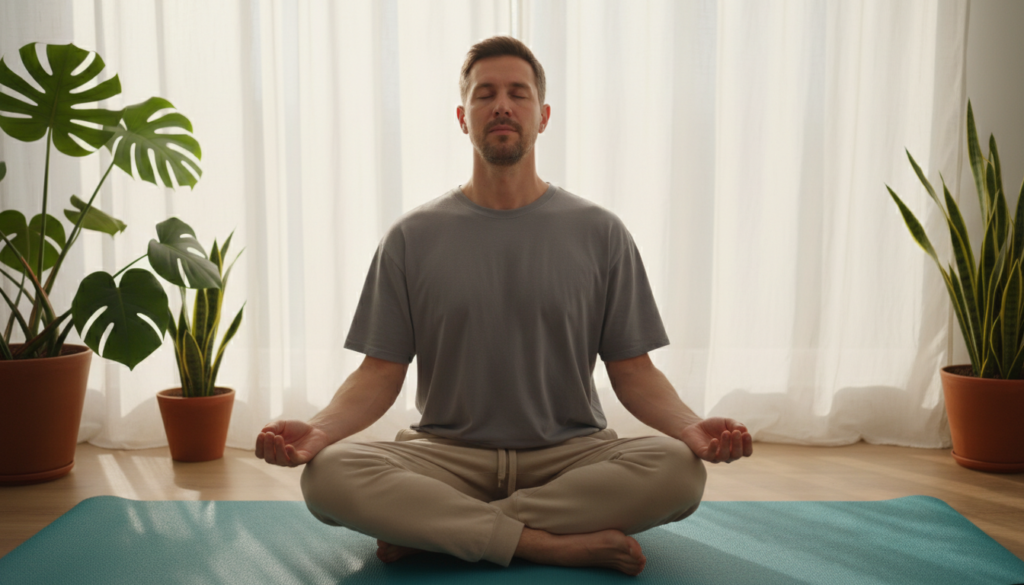
Release physical tension by consciously relaxing muscle groups. Start with your feet and work upward. Pair this with visualization—picture a safe, peaceful place.
Another powerful method is the 333 rule. It grounds you by engaging your senses:
- Name three things you can see.
- Identify three things you can hear.
- Find three things you can touch.
This disrupts the panic cycle. A key tip is to acknowledge you’re having a panic attack, not a medical emergency. This simple recognition reduces secondary fear.
Exploring Therapy and Treatment Options
Moving beyond immediate coping strategies, professional interventions offer structured paths to long-term relief. Effective treatment can significantly reduce the frequency and impact of distressing episodes.
Cognitive Behavioral Therapy and Exposure Therapy
Cognitive behavioral therapy (CBT) is the gold standard psychotherapy for panic disorder. This therapy teaches a person new ways to think about and react to physical symptoms.
By changing these thought patterns, future episodes often become less intense. A core method within CBT is exposure therapy.
It involves gradually confronting feared situations or bodily sensations in a safe setting. This process, called interoceptive exposure, helps reduce avoidance behaviors over time.
Medication is another powerful treatment tool. Antidepressants like SSRIs are common first-line options for managing panic disorder symptoms.
Beta-blockers can control physical reactions like a rapid heartbeat. For acute relief, benzodiazepines work quickly but are typically for short-term use due to dependency risks.
Finding the right approach often involves some trial and error. A combination of therapy and medication frequently provides the most comprehensive treatment plan.
| Treatment Type | Primary Use | Key Notes |
|---|---|---|
| Cognitive Behavioral Therapy (CBT) | Changing thought/behavior patterns | Gold standard; includes exposure techniques |
| SSRI/SNRI Antidepressants | Long-term symptom management | May take several weeks to become fully effective |
| Beta-Blockers | Controlling physical symptoms (e.g., rapid heart rate) | Useful for situational anxiety preceding a panic attack |
| Benzodiazepines | Rapid relief of acute symptoms | Generally prescribed for brief periods due to tolerance risk |
Lifestyle Adjustments for Better Mental Health
Beyond therapy and medication, your daily routine plays a powerful supporting role in managing distress. These foundational habits significantly enhance your overall mental health and resilience.
Building a Routine of Regular Exercise and Healthy Eating
Consistent physical activity is a cornerstone. It helps manage stress, improves mood, and builds confidence. For people with panic disorder, it’s a vital part of a comprehensive plan.
Your diet directly fuels your brain and body. Eating regular, nutritious meals maintains stable energy. This supports better overall health and emotional balance.
Never use substances like alcohol or drugs to cope. They worsen anxiety and create new problems. Prioritizing quality sleep is non-negotiable for good health.
Keep up with your regular activities and social life. Don’t let fear restrict you. Set small, achievable goals instead of overhauling everything at once.
Gradually increase time in challenging situations. This builds tolerance. Leaning on trusted friends provides crucial support for your mental health journey.
Sharing Real-Life Experiences and Practical Tips
Learning from the lived experiences of people who’ve been there transforms abstract strategies into practical tools.
Their stories provide powerful examples that you are not alone. Many describe a feeling of isolation before finding a support network.
Personal Stories of Overcoming Panic
One common thread in personal stories is the power of self-talk. Individuals remind themselves that the intense distress will pass.
“I tell myself, ‘This is uncomfortable, but it’s not dangerous. I can ride this wave.’ That simple statement changed my life.”
Sharing these experiences with a counselor or trusted friend often breaks the cycle of fear. It opens the door to solutions.
Everyday Strategies to Stay Calm
Practical tips from real people focus on action. A key strategy is to stay in the situation during a panic episode.
This proves you don’t need to escape for the distress to stop. It builds confidence for future challenges.
Here are effective calm-down strategies drawn from real-world use:
| Strategy | How It Helps | Real-Life Application |
|---|---|---|
| Coping Statements | Counters catastrophic thinking; provides immediate reassurance. | Saying, “This is temporary,” during a panic episode. |
| Staying Present | Prevents avoidance; teaches the body that fear subsides on its own. | Remaining in a store despite initial discomfort. |
| Reaching Out | Reduces isolation; provides emotional support and practical advice. | Texting a friend when feeling overwhelmed. |
Discussing personal struggles can feel difficult. Pushing through that discomfort is often the first step toward lasting change.
Final Thoughts and Next Steps
Your path to relief starts by recognizing that help is available and effective. The intense episodes described here are manageable with proper treatment and support.
Understanding your experience helps you communicate clearly for an accurate diagnosis. If frequent distress affects your mental health, talk to your primary care provider. They can evaluate symptoms and refer you to a specialist.
For immediate crisis support, call or text the 988 Suicide & Crisis Lifeline. In life-threatening situations, call 911. Organizations like the Anxiety and Depression Association of America offer valuable information.
Recovery takes time and may involve different approaches. With persistence, most people find significant relief from worry.
Taking this first step is a sign of strength. Millions manage these disorders and lead fulfilling lives.