
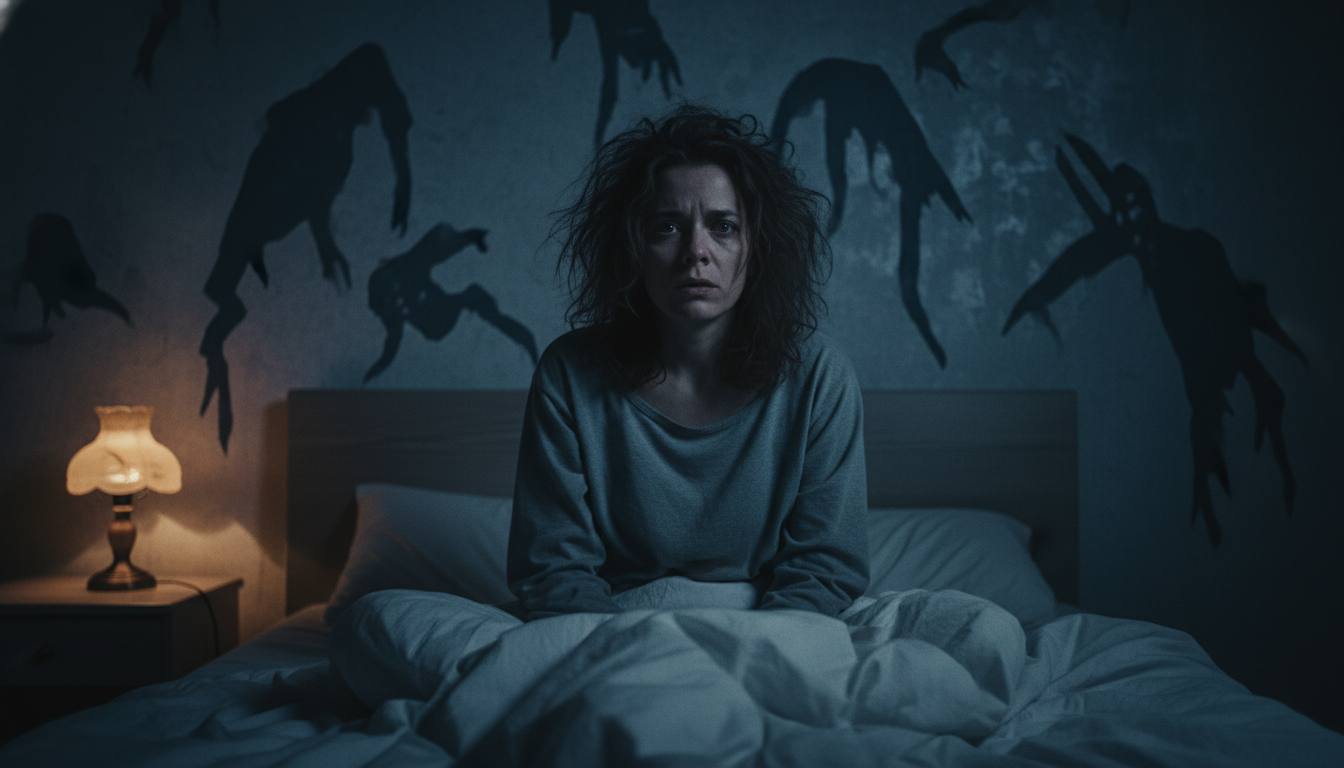
What if your body’s own alarm system goes off in the dead of night, jolting you awake in sheer terror?
Waking up feeling a sense of doom is both terrifying and confusing. These sudden episodes of intense fear interrupt peaceful rest. They leave people exhausted and fearful of the next occurrence.
We introduce nocturnal panic attacks as unexpected events during sleep. They are not just bad dreams. A person awakens fully, experiencing real physiological distress.
This is a recognized condition that affects many. You are not alone in these frightening experiences.
Our guide will explore symptoms and common causes. We will share prevention strategies and effective management techniques.
Understanding these events is the first step toward regaining control. It paves the way for more restful sleep.
We set an informational and supportive tone. Effective treatments and coping methods are available. Seeking professional help is a powerful and encouraged step.
Key Takeaways
- Nocturnal panic episodes are sudden awakenings with intense fear and physical symptoms.
- They are different from nightmares, leaving you fully awake and alert.
- This is a common and recognized condition, meaning many people experience it.
- Learning the symptoms and triggers is crucial for managing nighttime anxiety.
- Multiple strategies and professional treatments can help you regain control of your sleep.
- You do not have to face this alone; support and effective help are available.
Understanding Nocturnal Panic Attacks
A sudden surge of terror jolts you from sleep, your heart pounding as you struggle to understand what’s happening. These events are known as nocturnal panic attacks. They are intense fear episodes that strike unexpectedly during rest.
Definition and Overview
These nighttime episodes typically happen during transitions between light and deep sleep. They occur more often in the first half of the night. Unlike bad dreams, a person awakens fully, experiencing real distress.
The individual is conscious and remembers the frightening event clearly. This is a key difference from a nightmare.
Statistics show this is a common experience for those with anxiety conditions. As many as 71% of people with panic disorder will have at least one such event. Between 18% and 45% have recurring nighttime episodes.
Differences from Daytime Panic Attacks and Night Terrors
It is important to distinguish these events from night terrors. Someone having a night terror is not fully awake or conscious. They usually have no memory of it in the morning.
Night terrors most often affect young children and fade with age. Nocturnal panic attacks can begin in childhood or adulthood.
While symptoms mirror daytime panic attacks, triggers are often unclear at night. Understanding these distinctions helps people seek the right treatment for their specific experience.
Recognizing Symptoms and Warning Signs
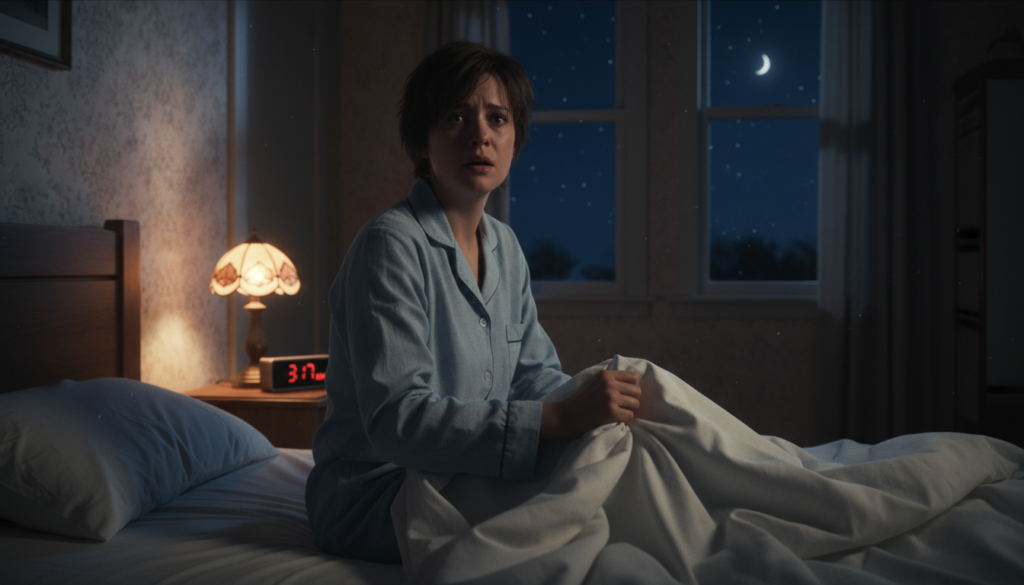
When sleep is shattered by intense physical distress and fear, it’s crucial to recognize the signs. Medical experts list 13 specific symptoms of a panic attack. Experiencing at least four of these qualifies as a clinical episode.
Physical Manifestations
The physical symptoms are intense and sudden. Your heart may feel like it’s racing or pounding. Chest pain or discomfort is common.
You might sweat, tremble, or shake. Feelings of shortness of breath or being smothered can occur. Nighttime episodes may involve a strong sensation of choking.
Other body signals include nausea, dizziness, and tingling. Chills or hot flashes can also happen during these events.
Psychological Effects and Aftereffects
The mind reacts with powerful fear. An overwhelming sense of impending doom is typical. Many people fear losing control or “going crazy.”
Feeling detached from your own body or reality is another sign. After waking, confusion and disorientation are common. Falling back asleep becomes very difficult.
This disrupted rest leads to daytime fatigue and mood changes. Recognizing these symptoms is the vital first step. It helps you understand what is happening and seek proper support, as detailed in resources from the Sleep Foundation.
Exploring the Causes Behind Nocturnal Panic Attacks
Researchers point to a blend of inherited traits, daily pressures, and physical conditions. The exact cause of nocturnal panic attacks isn’t fully known. Multiple factors often work together to trigger these frightening awakenings.
Stress, Genetic, and Environmental Influences
A family history of anxiety disorders raises your risk. Your genes can make you more likely to experience these events.
Day-to-day stress and anxiety build up. Your brain may try to process these feelings during sleep. This can sometimes manifest as a nighttime panic episode.
Conditions like sleep apnea are important. Breathing disruptions cause sudden awakenings. These awakenings can quickly spark a panic response.
Alcohol, caffeine, and some medications affect sleep. They can make rest less stable. This instability may increase the chance of an episode.
Some individuals feel unsafe at bedtime. They worry sleep lowers their guard. This fear can create anxiety that turns into a nighttime event.
Many mental health conditions are linked. These include panic disorder, PTSD, and depression. Physical health issues like asthma or chronic pain are also correlated.
Research continues to study the exact mechanisms. Understanding these contributors helps guide effective treatment plans.
| Factor Type | Description | Example |
|---|---|---|
| Genetic Predisposition | Inherited likelihood from family history of anxiety. | Parent with panic disorder. |
| Chronic Stress | Unresolved daily tension that surfaces during sleep. | High-pressure job or personal conflict. |
| Sleep Disruptions | Physical interruptions to normal sleep cycles. | Obstructive sleep apnea. |
| Substance Use | Consumption of items that destabilize sleep architecture. | Evening coffee or nightcap. |
| Underlying Health Conditions | Co-existing mental or physical illnesses. | Generalized anxiety disorder or asthma. |
Prevention Strategies for a Restful Night
Consistency in your pre-sleep actions teaches your nervous system to expect relaxation, not alarm. Proactive habits build a foundation that can help prevent nocturnal panic attacks. We focus on two powerful areas: a calming routine and optimized sleep hygiene.
Establishing a Calming Bedtime Routine
A predictable ritual signals to your body that it’s time to wind down. This transition from wakefulness to sleep lowers the anxiety that can trigger nighttime episodes.
Effective activities include reading a book, taking a warm bath, or gentle stretching. Practices like progressive muscle relaxation or guided imagery are also excellent. The key is doing them calmly and consistently each evening.
Enhancing Sleep Hygiene
Keep a regular schedule by going to bed and waking up at the same time daily. This regulates your internal clock for more stable sleep.
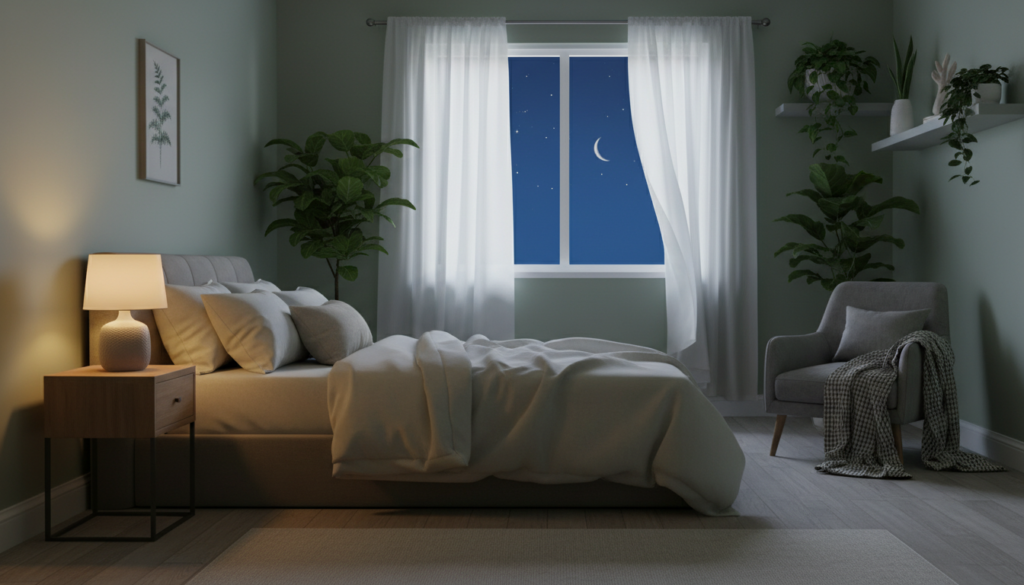
Make your bedroom ideal for rest. Ensure it is cool, dark, and quiet. A comfortable mattress and pillows support this goal.
Manage daytime stress with mindfulness or exercise. Lowering overall anxiety helps prevent issues at night.
Avoid caffeine and screens before bed. These stimulants interfere with your natural wind-down process. Prioritizing enough sleep each night keeps your mind and body in a healthier balance.
How to Manage Nocturnal Panic Attacks Effectively
Taking control of nighttime fear begins with proven strategies and professional support. Management often involves a two-pronged approach: therapeutic techniques and medical guidance.
Behavioral Therapy Techniques
Cognitive behavioral therapy (CBT) is a highly effective treatment. It teaches individuals to change their response patterns to anxiety triggers.
This form of therapy helps people develop coping skills. They learn to counter nighttime anxiety and recognize symptoms.
Understanding that these feelings are caused by anxiety, not a medical emergency, is a key goal.
Medication and Professional Guidance
Doctors often prescribe medications like SSRIs. These help regulate brain chemistry and reduce the frequency of episodes.
Other antidepressants or sedatives may be considered on a case-by-case basis. Treating underlying conditions is also crucial.
For example, managing sleep apnea with CPAP therapy can reduce these events. Consulting a mental health or sleep specialist provides a personalized treatment plan.
Do not hesitate to seek help. A healthcare provider can identify the cause and offer effective solutions.
Lifestyle Adjustments to Ease Nighttime Anxiety
What you consume during the day plays a direct role in how your body and mind respond during the night. Simple, consistent changes to daily habits can build resilience against evening distress.
Dietary Considerations and Reducing Stimulants
A balanced diet supports stable mood and stress regulation. This foundation makes you less vulnerable to sudden nighttime fear.
Alcohol may seem relaxing but disrupts sleep quality. It can worsen anxiety symptoms over time.
Caffeine is a stimulant that interferes with falling asleep. Avoid it for at least six hours before bedtime.
Nicotine is another stimulant that can increase restlessness. Reducing use supports more peaceful rest.
Regular exercise lowers overall stress levels. This reduces the likelihood of a panic episode during sleep.
Relying on substances for relief often backfires. Holistic habits create a safer environment for your nervous system.
| Adjustment | Primary Benefit | Practical Recommendation |
|---|---|---|
| Limit Caffeine | Improves sleep onset and quality | Cut off intake 6+ hours before bed |
| Reduce Alcohol | Prevents sleep disruption and rebound anxiety | Minimize evening consumption |
| Regular Exercise | Lowers daily stress and anxiety | Aim for 30 minutes most days |
| Balanced Nutrition | Supports stable mood and energy | Eat regular meals with whole foods |
| Nicotine Reduction | Decreases sleep interruptions | Seek support to cut back or quit |
Practical Tips for Real-Time Panic Management
The moment you wake in terror, specific techniques can help you regain a sense of safety and control. Having a plan ready turns a frightening episode into a manageable situation.
First, remind yourself this intense fear is not dangerous. The symptoms feel alarming but do not signal a medical emergency. This understanding can reduce secondary fear that worsens the attack.
Immediate Relaxation Techniques
Breathing is your most powerful tool. Rapid, shallow breaths increase dizziness. Instead, try slow, deep diaphragmatic breathing.
Use the 4-7-8 method: inhale for 4 counts, hold for 7, exhale for 8. This activates your body’s natural relaxation response.
Progressive muscle relaxation also helps. Tense each muscle group for five seconds, then release. Start with your feet and work upward. This reduces physical tension and calms your nervous system.
Grounding techniques reconnect you with the present. Try the 5-4-3-2-1 method. Identify five things you see, four you can touch, three you hear, two you smell, and one you taste.
Keep a simple “panic toolkit” by your bed. Useful items include:
- A stress ball for physical focus
- Calming essential oil like lavender
- A list of reassuring affirmations to read
Practice these skills during calm daytime moments. This makes them automatic for when you need them at night. Individuals who prepare feel more empowered during a nocturnal panic attack.
Nocturnal Panic Attacks: Overcoming Fears with Support
Effective management of sleep-related fear often hinges on a dual approach: expert guidance and compassionate community. You do not have to face this challenge alone.
Leveraging Peer and Professional Support
If you are unsure about your symptoms, talk to your healthcare provider. There is no reason for embarrassment. A doctor can help find the cause and offer effective treatment.
Mental health professionals provide accurate diagnosis. They rule out other conditions and create personalized plans. These plans address your specific patterns.
Peer support is also powerful. Trusted friends, family, or support groups offer understanding. They provide practical help during difficult times.
Integrating Therapy and Self-Care Practices
Therapy teaches strategies to manage triggering events. Preventing episodes during the daytime can significantly reduce them at night.
The most effective approach combines professional care with daily self-care. This integration supports overall mental health and well-being.
Many people experience these events. Tailored treatment is highly effective. Proper care reduces the impact on sleep and quality of life.
Be open with your doctor about all symptoms. Comprehensive information helps them understand the full scope of the disorder. Recovery and restful nights are achievable goals.
Embracing Restful Nights
Your journey toward restful nights free from sudden fear starts with the insights you’ve gained. These episodes are manageable with proper understanding and treatment.
Recognizing symptoms like a racing heart, chest discomfort, and shortness of breath is the first step. Understanding causes such as stress, anxiety disorders, and sleep apnea empowers you to seek targeted care.
Prevention through calming routines and good sleep hygiene is key. Effective management combines therapy, relaxation techniques, and professional support.
While nocturnal panic attacks may not vanish completely, their impact can shrink dramatically. Many individuals successfully reclaim peaceful sleep. Taking that first step begins your path to embracing restful nights.