
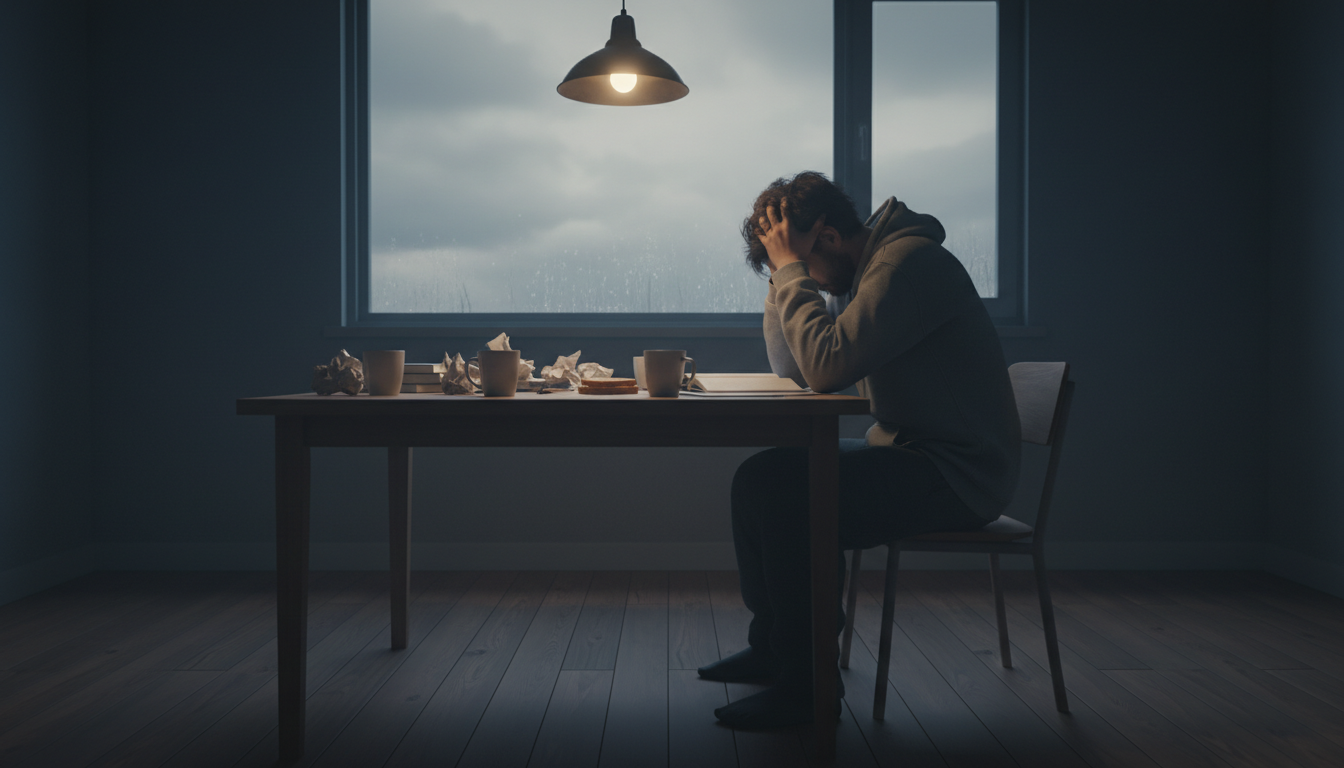
Why do you feel utterly drained even after a full night’s sleep? This isn’t just ordinary tiredness. For millions, it’s a deep, unshakable weariness tied directly to their mental state.
Statistics show that disorders related to worry affect a significant portion of adults in the United States at some point in their life. This constant state of alert can trigger a wide range of symptoms in your body and mind.
The result is a specific kind of exhaustion that doesn’t get better with regular rest. It impacts daily routines, work, and relationships. Understanding this link is the crucial first step toward managing your energy and health.
We’ll explore the science behind this condition and provide practical strategies. The goal is clear: to help people reclaim their vitality and improve their overall well-being.
Key Takeaways
- Anxiety fatigue is a recognized condition where persistent worry leads to profound physical and mental exhaustion.
- It affects daily life, work performance, and personal relationships, reducing overall quality of life.
- The body’s stress response systems are constantly activated, leading to energy depletion that sleep alone cannot fix.
- Recognizing the connection between your mental state and your energy levels is the essential first step toward improvement.
- This guide will cover the underlying causes, practical management techniques, and guidance on seeking professional support.
- With the right approach and understanding, it is possible to regain energy and reduce the impact of this draining experience.
Understanding the Connection Between Anxiety and Fatigue
To understand why worry wears you out, we need to look at the body’s primal survival mechanisms. This deep tiredness is a direct biological consequence of your nervous system working overtime.
How the Body Responds: Fight-or-Flight and Chronic Hyperarousal
When faced with a threat, real or perceived, your body activates its fight-or-flight response. This is managed by the sympathetic nervous system.
It causes immediate changes to prepare for action. Your heart rate and blood pressure rise. Digestion slows. Hormones like cortisol and adrenaline flood your system.
For some, this high-alert state doesn’t shut off. This is called chronic hyperarousal. The system is perpetually activated, draining your energy reserves and leading to persistent fatigue.

The Impact of Stress Hormones on Energy Levels
Cortisol and adrenaline are crucial for short-term bursts. However, when constantly elevated, they become depleting.
People with anxiety disorders experience this chronic activation more intensely. Their bodies struggle to return to a restful state.
While “adrenal fatigue” isn’t a formal medical diagnosis, the symptoms people report are very real. They reflect the profound impact of long-term stress on your health and energy levels.
Identifying the Physical and Mental Symptoms
Physical discomfort and mental fog often signal that your energy is being drained by persistent worry. These symptoms typically appear together, creating a complex picture that affects your entire well-being.

Recognizing Physical Symptoms: Headaches, Muscle Tension, and Sleep Disturbances
Your body often bears the first signs. Common physical symptoms include persistent headaches and chronic muscle tension, especially in the neck and shoulders.
Many people also experience a racing heart, restlessness, or shortness of breath. These sensations contribute directly to a state of exhaustion.
Perhaps the most telling sign is disrupted sleep. Even with adequate hours in bed, you may wake up unrefreshed. This lack of restorative rest is a hallmark of this condition.
| Aspect | Normal Tiredness | Anxiety-Related Fatigue |
|---|---|---|
| Improves with Rest? | Yes, after good sleep. | No, persists despite rest. |
| Sleep Pattern | Generally restorative. | Often disturbed, unrefreshing. |
| Mental State | Mild lack of focus. | Significant brain fog, worry. |
Emotional and Cognitive Signs of Exhaustion
The mental toll is equally heavy. You might struggle with concentration, experience “brain fog,” or find decision-making difficult.
A profound lack of motivation and loss of interest in hobbies are key emotional symptoms. This differs from simple tiredness.
When these cognitive and physical signs combine, it can be hard to pinpoint the cause. A proper health assessment is crucial for an accurate diagnosis. Recognizing these patterns early is the best step toward effective management.
Lifestyle Factors Affecting Anxiety Fatigue
Our everyday habits, from what we eat to how we rest, directly fuel or drain our mental and physical reserves. These choices are within our control and form the bedrock of managing our well-being.
Diet, Exercise, and Hydration Habits
A balanced diet rich in whole grains, lean proteins, and fresh produce provides sustained energy throughout the day. This avoids the spikes and crashes linked to sugary, processed foods.
Staying well-hydrated supports all your body functions. Pair this with regular exercise for a powerful combo.
The CDC recommends at least 150 minutes of moderate activity weekly. This protects your mood, boosts your overall energy, and enhances sleep quality.
Sleep Hygiene and Evening Routines
Prioritizing sleep hygiene is non-negotiable. Experts advise aiming for 7-9 hours of sleep every night.
Go to bed and wake up at a consistent time. This sets your body’s natural rhythm. Create a calming bedtime routine an hour before sleep.
Avoid screens and opt for reading or gentle stretching. Make your sleep environment dark, cool, and comfortable.
Also, limit caffeine, especially later in the day. Small, consistent changes in these areas build up to major improvements for your energy and health.
Effective Relaxation and Mindfulness Techniques
You can actively shift your body from a state of high alert to one of deep calm with proven methods. These evidence-based relaxation techniques offer powerful coping tools. They help quiet the mind and replenish your energy reserves.
Practicing Mindfulness and Deep Breathing
Mindfulness meditation involves focusing on your breath. This brings your attention to the present moment. It gently interrupts the worried thought patterns that drain you over time.
Simple deep breathing exercises are incredibly effective. Try inhaling for four counts, holding for seven, and exhaling for eight. This activates your parasympathetic nervous system, promoting relaxation.
Grounding Techniques to Reduce Stress
Grounding techniques are quick coping strategies. They bring you back to the here and now. A popular method is naming five things you see, four you feel, three you hear, two you smell, and one you taste.
These exercises provide a mental distraction. They help snap you out of the fight-or-flight response. This directly counteracts chronic stress.
Research shows even a brief practice can ease acute anxiety. We encourage people to experiment and find what works best. For more resources on building a calm routine, visit Workshift Anxiety.
Therapeutic Approaches and Professional Support
When self-management isn’t enough, proven clinical interventions can provide significant relief. A comprehensive treatment plan often combines professional therapy with other strategies to improve mental health.
Cognitive Behavioral Therapy and Alternative Therapies
Cognitive Behavioral Therapy (CBT) is a leading talk therapy. It helps you identify unhealthy thought and behavior patterns.
This process allows you to discover and work through underlying issues. You learn practical coping tools to manage symptoms effectively.
Therapy also examines how sleep habits and mental state affect each other. Other talk therapies can offer similar support for various conditions.
Medication Options and Seeking Professional Guidance
Sometimes, medication becomes an appropriate part of treatment. A doctor or psychiatrist must assess your individual conditions.
Common medication classes include SSRIs, SNRIs, Benzodiazepines, and Beta-blockers. Each works differently to reduce symptoms.
For many with generalized anxiety disorder, a combined approach of medication and therapy is most effective. It addresses both physiological and psychological aspects of the disorder.
If your quality of life is impacted by persistent fatigue, seeking professional help is a crucial step. Effective treatment and support are available for your mental health and overall well-being.
Managing “Anxiety Fatigue” Through Personalized Strategies
No single solution fits everyone when dealing with the draining effects of chronic worry. A generic approach often falls short. The most effective path forward involves crafting a personalized treatment plan.
Creating a Tailored Treatment Plan
Working with a mental health professional is key. They help you pinpoint specific anxiety symptoms and sleep problems. Together, you build a plan that fits your life.
This plan often blends several strategies. It may include therapy, lifestyle changes, and sometimes medication. Identifying your personal triggers is a crucial step.
“The best treatment meets the person where they are. It’s a collaborative map for recovery, not a standard prescription.”
The table below shows how a tailored plan integrates different elements:
| Plan Component | Professional Role | Personal Action |
|---|---|---|
| Trigger Identification | Guide exploration of patterns. | Keep a symptom journal. |
| Symptom Management | Teach coping tools (e.g., CBT). | Practice skills daily. |
| Lifestyle Support | Recommend sleep/exercise targets. | Implement gradual changes. |
| Progress Review | Adjust the treatment plan over time. | Set and celebrate small goals. |
Building a Consistent and Supportive Routine
Long-term management relies on a stable daily routine. Consistency in sleep, nutrition, and movement supports stable energy levels.
Improvement takes time and patience. It’s an ongoing process. Practicing your strategies between therapy sessions is vital.
Building a network of supportive people provides encouragement. With a tailored plan and steady effort, reclaiming your life from anxiety fatigue is an achievable goal.
Wrapping It Up: Steps Toward an Energized Tomorrow
The journey toward renewed vitality starts with recognizing the profound link between mental strain and physical depletion. This experience affects millions, yet it’s highly treatable with the right approach.
Effective management combines professional support with daily strategies. A personalized treatment plan may include therapy, lifestyle adjustments, and sometimes medication. Prioritizing 7-9 hours of quality sleep, balanced nutrition, and regular movement forms a solid foundation.
Modern mental health care is more accessible than ever. Online platforms connect you with professionals quickly. Consistency in your routine is key to rebuilding your energy reserves over time.
While the path requires effort, real improvement in your daily life and overall well-being is achievable. With understanding and the right tools, you can move toward more energized, fulfilling days ahead.