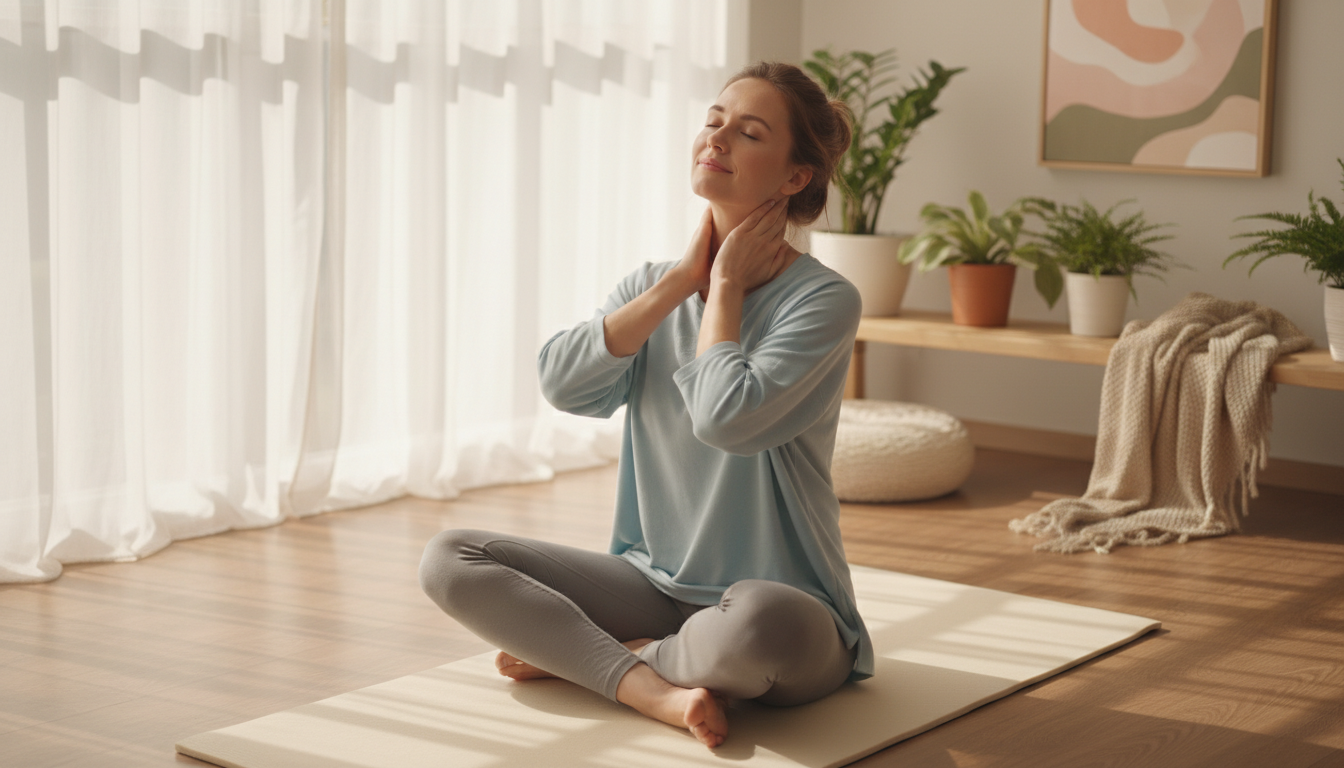
What if the persistent ache in your upper body isn’t just a random physical complaint, but a clear signal from your stressed mind?
We understand this is a growing health concern for millions across the United States. That familiar discomfort and tightness can disrupt daily life. The link between our emotional state and physical sensations is powerful and often overlooked.
In this guide, we explore this intricate mind-body connection. We focus on how stress manifests as physical pain. Our goal is to provide a clear roadmap for lasting relief.
We share evidence-based strategies that address both psychological and physical aspects. You’ll learn to identify symptoms, implement effective practices, and make supportive lifestyle adjustments. This holistic approach aims to improve your overall well-being.
Dealing with chronic discomfort can affect work and personal life. We want to empower you with actionable knowledge. By the end, you’ll have tools to manage the root causes and find effective relief.
Key Takeaways
- Chronic physical discomfort is often deeply connected to psychological stress.
- Millions of people experience this issue, which can significantly impact daily life.
- Effective management requires addressing both the mind and the body.
- Practical strategies and lifestyle changes can provide substantial relief.
- Identifying your personal triggers is a crucial first step toward improvement.
- A holistic approach considers all factors affecting your health and well-being.
- This guide provides a complete roadmap for understanding and managing these concerns.
Understanding Neck Tension Anxiety
Have you ever noticed how a stressful day seems to settle right between your shoulder blades? This common experience highlights a direct link between our mental state and physical sensations.
What Is Neck Tension Anxiety?
We define this condition as the physical result of psychological strain. It leads to tight muscles, pain, and discomfort focused in the upper back and shoulder area. This is often paired with other signs of emotional distress.
How Stress Impacts Neck and Shoulder Muscles
When we feel worried, our system triggers the fight-or-flight response. This automatic reaction causes muscles in the upper body to contract forcefully. It’s the body’s way of preparing for a perceived threat.
This primitive survival mechanism does not differentiate between real danger and modern pressures. Your physiology reacts the same way to a work deadline as it would to an actual physical challenge.
According to the American Psychological Association, our muscles only release once the brain senses the threat is over. Living with constant worry can keep these tissues in a prolonged state of contraction.
Understanding this mind-body link is vital. It confirms that the ache you feel is a legitimate physical response. Addressing both the psychological and physical aspects is key for effective relief.
Identifying Physical and Emotional Signs
Your body often communicates distress through a combination of physical sensations and emotional changes. Learning to spot these signals is a critical first step in managing stress-related discomfort effectively.
Recognizing Common Symptoms
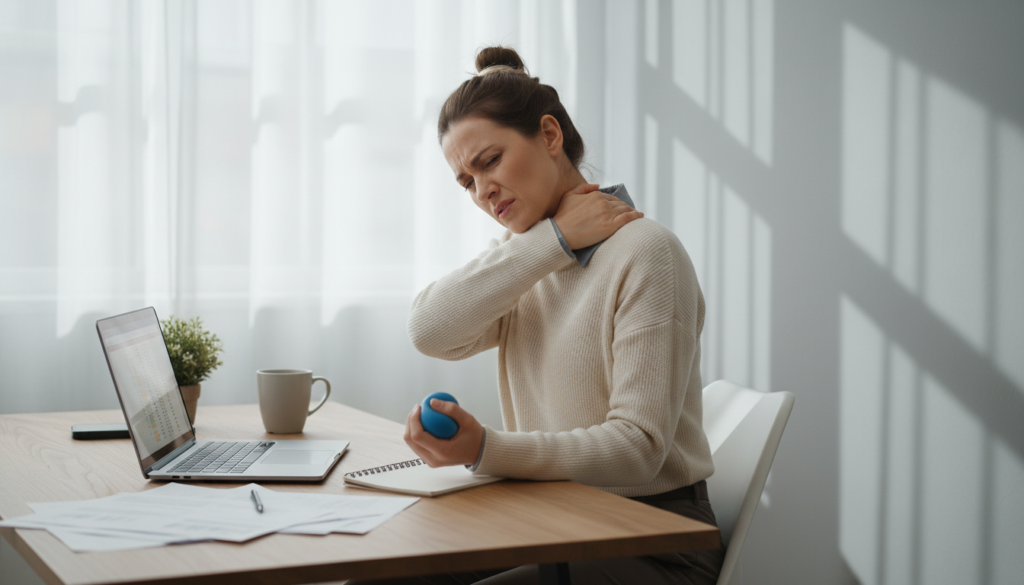
Primary physical symptoms often include a persistent ache that radiates from the upper back to the shoulders. Many people also experience frequent headaches originating at the base of the skull.
Noticeable muscle tightness that builds during the day is another common sign. This can lead to a reduced range of motion, making it hard to turn your head comfortably.
Poor posture, like hunching over a screen, creates undue strain. This often results in a forward head position and rounded shoulders.
Over time, chronic discomfort doesn’t exist in isolation. It can trigger secondary issues like fatigue, irritability, and sleep disturbances.
Some individuals report additional signs. These include jaw clenching, dizziness, or even fluctuations in blood pressure.
Recognizing these symptoms early is crucial. It allows for proactive management before a minor issue becomes a chronic condition.
Effective Neck and Shoulder Stretches for Relief
You can actively counteract stiffness with a few minutes of focused movement each morning. Starting your day with gentle stretches releases overnight tightness and prepares your muscles.
This routine provides immediate relief and helps prevent discomfort from building. Consistent practice is a key part of managing daily stress.
Easy Neck Stretches to Begin Your Day
Try a simple side stretch first. Stand tall and place your right hand on your head. Gently pull towards the right until you feel a stretch on the left side.
Hold for 20 to 30 seconds. Repeat on the opposite side two to three times.
Next, perform a neck release. Lower your chin to your chest. Gently tilt your head to the right and pause for 30 seconds.
You will feel a stretch on the left side. Return to center and repeat three to five times per side.
Yoga Poses to Reduce Muscle Tension
Child’s Pose is deeply restorative. Sit back on your heels and walk your hands forward. Hold for 60 to 90 seconds while focusing on your breath.
This pose releases tightness in the upper back and shoulders.
The Cat-Cow movement improves spinal flexibility. Inhale to arch your back and lift your chest. Exhale to round your spine toward the ceiling.
Flow through this exercise 10 to 12 times. It enhances circulation and reduces muscle tension.
For a deeper release, try Thread the Needle. From your hands and knees, slide your right hand across your body to the left side.
Your shoulder will touch the floor. Hold for 20 to 30 seconds before repeating on the other side. This stretch is excellent for shoulder relief.
Perform all stretches gently. Daily exercise yields the best long-term results for managing pain and improving your range of movement. For more on understanding this connection, explore additional resources.
Breathing and Relaxation Techniques for Stress Relief
Your nervous system holds a powerful key to calming your entire body: the relaxation response. This built-in system counteracts the physical effects of worry.
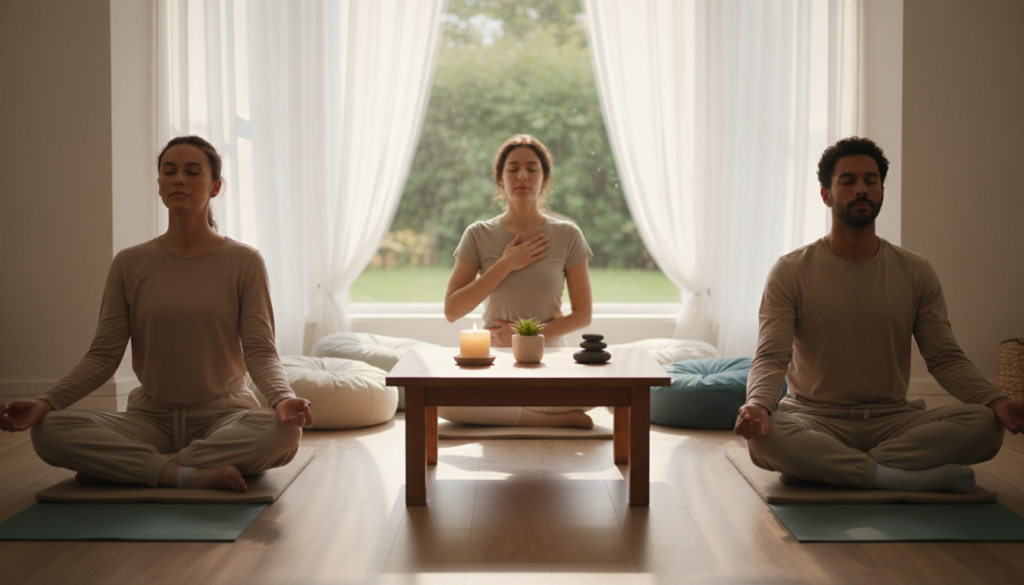
Learning to activate it through specific techniques is essential for managing discomfort.
Diaphragmatic Breathing and Mindfulness
Diaphragmatic breathing is a fundamental skill. Breathe deeply into your belly, not your chest.
This action helps reduce muscle contractions and can lower blood pressure. It signals your body to switch from alert to calm.
Try a structured pattern: inhale for four counts, hold for four, exhale for six. Repeat this several times a day.
According to the American Psychological Association, these techniques help relieve tension by restoring your systems to a resting state.
Mindfulness meditation focuses your attention on the present moment. Observe thoughts without judgment to reduce psychological stress.
Progressive muscle relaxation is another effective method. Systematically tense and release different body areas.
This practice promotes overall relief by teaching you to recognize the difference between tightness and ease.
These skills require regular practice over time. They may not offer immediate anxiety relief, but consistency trains your body to find calm more quickly.
Combining breathing with mindfulness creates a comprehensive approach for lasting relaxation.
Workstation and Posture Adjustments to Prevent Tension
Your daily workspace setup plays a crucial role in either supporting or straining your upper body. We recognize that poor posture during long work hours is a primary contributor to discomfort.
Hunching over a desk or craning forward to see a screen places undue strain on your muscles. This can lead to chronic pain over time.
Tips for an Ergonomic Setup
Our first tip is to adjust your monitor to eye level. This prevents tilting your head down and reduces shoulder strain.
Maintain proper posture by aligning your ears, shoulders, and hips. A straight vertical line distributes weight evenly through your spine.
Set up your keyboard and mouse so your elbows rest at a 90-degree angle. This keeps your wrists neutral and prevents compensatory tightness.
Follow the 20-20-20 rule for eye health and movement. Every 20 minutes, look at something 20 feet away for 20 seconds.
Adjust your chair height so your feet rest flat. Your knees should be level with your hips for stable support.
Even with perfect ergonomics, staying still creates tension. Incorporate gentle exercise and regular movement breaks throughout your day.
The most valuable tip is creating awareness. Periodically check your body position and make small adjustments. This prevents a gradual drift into poor posture.
Incorporating Self-Care and Professional Therapy
A holistic approach to managing physical discomfort integrates daily self-care with professional support.
We believe this dual path offers the most sustainable relief.
Simple Home Remedies and Therapies
Applying heat is a foundational home care strategy. Use a warm compress or take a bath to increase blood flow.
This simple act relaxes muscles and eases discomfort. Self-massage for a few minutes each hour can also provide significant pain relief.
Use gentle circular motions on tender areas. For deeper tissue work, we suggest trying foam rolling.
Nighttime support is crucial. A properly designed pillow keeps your head and spine aligned.
| Method | Primary Benefit | Best For |
|---|---|---|
| Heat Application | Relaxes tense muscles, improves circulation | Immediate, at-home relief |
| Self-Massage | Releases trigger points, reduces local pain | Managing hourly tension |
| Supportive Pillow | Maintains spinal alignment during sleep | Preventing chronic neck pain |
| Professional Physical Therapy | Addresses root causes with targeted exercises | Persistent or worsening symptoms |
When to Seek Help from a Specialist
Home strategies may not always be enough. We recommend consulting a therapist if pain persists for weeks.
Signs include intensifying symptoms or impact on your life. A healthcare professional can examine your shoulder and neck shoulders issues.
They develop a personalized care plan. This often includes structured physical therapy.
Comprehensive therapy may involve a multidisciplinary team. Specialists work together for integrated care.
Knowing when to seek this therapy is key to long-term well-being.
Practical Strategies to Manage Neck Tension Anxiety
Building a daily routine with multiple strategies offers the most reliable path to managing stress-related discomfort. We present practical, actionable ways you can implement immediately.
One of the most effective techniques is incorporating regular movement. This prevents muscles from remaining locked and promotes circulation.
We recommend taking brisk walks outside. This simple way addresses physical stress and mental strain simultaneously.
Dietary approaches represent another key strategy. Eating balanced meals with specific nutrients supports nervous system function.
Yoga serves as a particularly effective activity. Research suggests it provides a low-cost remedy that relieves pain and improves function.
Creating a daily schedule prevents issues from accumulating. Combine morning stretches, midday breathing, and evening relaxation.
| Activity | Primary Benefit | Recommended Frequency |
|---|---|---|
| Brisk Walking | Reduces mental anxiety and physical tension | Daily, 15-20 minutes |
| Balanced Nutrition | Supports body’s stress response regulation | Every meal |
| Restorative Yoga | Combines exercise, breathing, and mindfulness | 3-4 times per week |
| Symptom Tracking | Identifies personal patterns for better relief | Ongoing |
We encourage people to identify personal triggers at work. Apply specific methods before strain escalates.
Tracking your symptoms helps personalize your approach. Different people respond better to different combinations.
Remember, managing this is an ongoing process. Commitment over time yields lasting improvements.
Moving Forward with Neck Tension Anxiety Relief
Managing stress-related discomfort is not a destination, but an ongoing practice of self-awareness and care. We see this journey as a commitment to your long-term health and quality of life.
Building a sustainable routine is key. Celebrate small victories in your progress. Practice self-compassion on more challenging days.
Connecting with supportive people can provide valuable motivation. Remember, seeking professional care is a sign of strength, not weakness.
By consistently applying these strategies, you address the root causes. This leads to lasting relief from neck shoulders pain and underlying anxiety.