

What if the worry that helps you plan for a big meeting is the same feeling that, for millions, never turns off?
We all feel nervous from time to time. It’s a normal part of life. But for nearly one in three adults, this feeling becomes a constant companion. It grows beyond typical stress.
When worry or fear is intense, persistent, and disrupts your daily routine, it may signal an anxiety disorder. This isn’t just fleeting concern. It’s a condition that can worsen and interfere with work, school, and relationships.
Our guide is here to help. We’ll clarify how these persistent signs differ from common nervousness. You’ll learn to identify specific patterns and explore effective strategies for management. Recognizing these experiences early is a powerful step toward better mental health.
Key Takeaways
- Occasional anxiety is a normal stress response, but an anxiety disorder involves persistent and excessive worry.
- These conditions affect nearly one in three adults at some point in their lives.
- Symptoms often intensify over time and do not go away on their own.
- Daily life activities, including job performance and personal relationships, can be significantly impacted.
- Early recognition of symptoms is crucial for seeking help and improving outcomes.
- This guide will help you understand different types of disorders and management options.
- Effective treatment is available and can lead to a better quality of life.
Identifying Anxiety Disorder Symptoms
We can identify an anxiety disorder by assessing how it disrupts a person’s daily life and health. The signs are persistent physical, emotional, and mental changes. They go far beyond typical, temporary worry.
Definition and Key Indicators
These conditions involve ongoing manifestations that impact functioning. Key physical indicators include trouble sleeping and a racing heart. Shortness of breath, sweating, and dizziness are also common.
Emotional and mental signs are just as telling. People may feel a constant sense of unease or impending danger. Difficulty concentrating and an inability to stop repetitive thoughts are frequent challenges.
Recognizing Severity Levels
Ask yourself three critical questions. Does this worry interfere with your job or relationships? How intense does the feeling get?
Finally, is your reaction proportionate to the real situation? Normal nervousness is unpleasant but manageable. A clinical condition involves severe, exhausting reactions that feel impossible to control.
Understanding this difference helps determine when to seek support for your mental health.
Understanding the Spectrum of Anxiety Disorders
From persistent daily worry to sudden intense episodes, these conditions vary widely. They include several specific types, each with unique patterns.
Generalized Anxiety Disorder (GAD)
Generalized anxiety disorder involves a constant feeling of fear. It goes beyond normal worry about stressful events.
This experience can last for months or even years. People may feel restless, on-edge, and easily fatigued.
Difficulty concentrating and irritability are common. Physical signs include headaches, muscle aches, and trouble sleeping.
These manifestations arise from a mix of biological and environmental factors.
Panic Disorder Insights
Panic disorder is marked by frequent, unexpected panic attacks. These are sudden periods of intense discomfort.
A sense of losing control often happens without clear danger. During an episode, a person might have a rapid heart rate.
Shortness of breath, sweating, and trembling are also typical. Many report feelings of impending doom.
Afterwards, individuals often worry excessively about the next attack. This can lead to avoiding certain places.
Exploring Specific Phobias and Social Anxiety
While many fears are based on real threats, some intense reactions are triggered by objects or events that pose minimal risk. We explore two focused areas where this occurs.
Signs and Symptoms of Specific Phobias
A specific phobia is an intense, irrational fear of a particular object or situation. Common examples include heights, flying, animals, or enclosed spaces.
When faced with their trigger, people experience immediate panic. Physical signs include a racing heart, sweating, and trembling.
They often have an overwhelming desire to escape. A key aspect is awareness that the fear is unreasonable, yet feeling powerless to control it.
Manifestations of Social Anxiety
Social Anxiety Disorder involves a persistent fear of being watched and judged by others. It centers on social situations.
Physical manifestations include blushing, sweating, and a shaky voice. Emotionally, there is intense self-consciousness and embarrassment.
This can make everyday events like speaking up in class or attending a party very difficult. For some, even going to work or school feels overwhelming.
| Aspect | Specific Phobia | Social Anxiety Disorder |
|---|---|---|
| Primary Fear Trigger | Specific object or situation (e.g., spiders, heights) | Social or performance situations |
| Common Examples | Fear of blood, flying, enclosed spaces | Fear of public speaking, meeting new people, eating in public |
| Physical Reactions | Rapid heartbeat, trembling, shortness of breath | Blushing, sweating, stomachaches, heart palpitations |
| Behavioral Response | Intense avoidance of the feared trigger | Avoidance of social gatherings or performance events |
| Typical Onset | Can appear in childhood | Often begins in adolescence |
Impact of Anxiety on Everyday Life
When constant fear takes hold, it doesn’t just occupy the mind—it rewires routines and limits possibilities. This persistent state can intensify, complicating simple daily activities. Unlike normal stress, it doesn’t fade after a challenging event passes.

It creates a barrier between a person and their full participation in life. The interference is profound and multifaceted.
Effects on Work, School, and Relationships
In the workplace, focus splinters. Meeting deadlines becomes a major hurdle. Interacting with colleagues can feel overwhelmingly difficult.
At school, students may freeze during tests. Participating in class discussions feels impossible. Completing assignments on time is a constant struggle.
Personal connections suffer greatly. Communication with partners and family grows strained. Many withdraw socially to cope with their unease.
Avoidance becomes a common strategy. People start skipping places or situations that previously triggered discomfort. This cycle severely limits their world.
| Life Area | Key Challenges | Common Avoidance Behaviors | Potential Outcomes |
|---|---|---|---|
| Work & Career | Difficulty concentrating, missed deadlines, strained colleague interactions | Avoiding meetings, turning down promotions, frequent sick days | Reduced performance, job loss, stalled career growth |
| Education | Test anxiety, trouble participating in class, incomplete assignments | Skipping classes, dropping difficult courses, avoiding group projects | Lower grades, extended study time, dropping out |
| Personal Relationships | Communication barriers, emotional distance, constant reassurance seeking | Declining social invitations, isolating from family, avoiding intimacy | Strained friendships, family conflict, loneliness |
When left unaddressed, these disorders can lead to serious complications. Depression and substance use are significant risks. Recognizing this widespread impact highlights the urgent need for support and effective management strategies.
Practical Steps to Manage Anxiety
Effective management of overwhelming feelings is built on a foundation of consistent self-care and knowing when to ask for help. We outline a dual approach that empowers you.
Implementing Self-Care Practices
Research confirms certain activities reduce the body’s stress response. Practices like meditation, yoga, and Tai Chi are powerful tools. Regular exercise also significantly lowers intense worry.
A key management technique is gradual exposure. Slowly facing feared situations teaches your brain not to overreact. This breaks the cycle of avoidance that lets unease continue.
Building a personalized plan with these strategies is crucial for your mental health. Consistency turns these actions into lasting habits for well-being.
Knowing When to Seek Professional Help
Self-care is vital, but sometimes it’s not enough. If your symptoms are severe or disrupt your daily life, it’s time to seek support.
You don’t need to live with constant fear. Talking to a provider offers a clear path forward. Early diagnosis and treatment can limit future problems.
Viewing this step as proactive for your health is important. A professional can provide tailored information and support for your specific needs.
Effective Treatment and Therapy Options
Two primary pillars support most successful recovery plans: medication and targeted therapy. Both are evidence-based and highly effective for managing persistent worry.
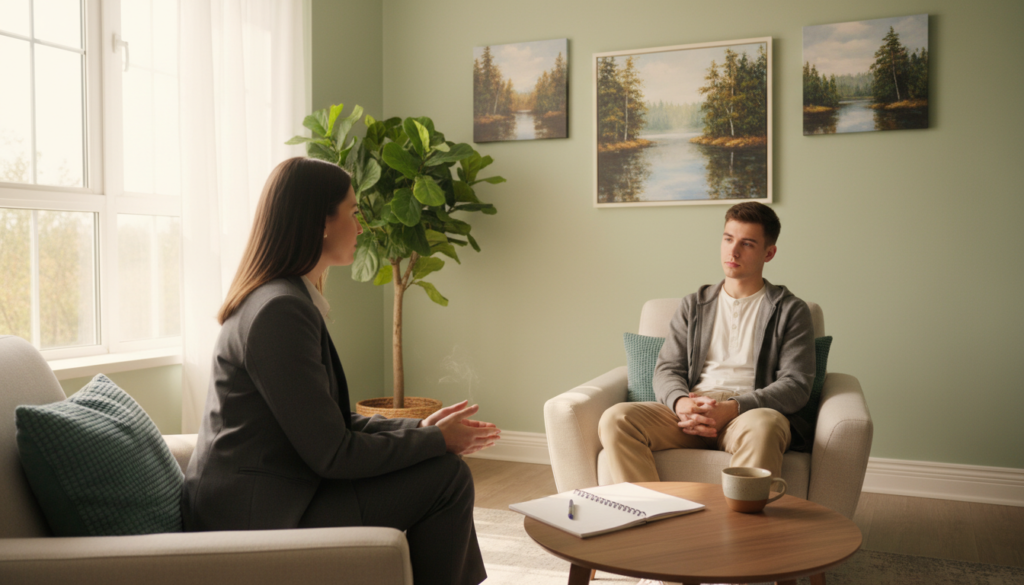
Working with a healthcare provider is key to creating a personalized treatment plan. This approach considers your specific needs and goals.
Medications and Their Role
The most commonly prescribed medications are antidepressants. They work very well to lessen the intensity of various manifestations.
For panic attacks, a class called benzodiazepines may be used short-term. Their use is limited due to dependency risks, especially for generalized worry.
Benefits of Cognitive Behavioral Therapy
Cognitive Behavioral Therapy (CBT) is a focused form of psychotherapy. It teaches you to change unhelpful thought and behavior patterns.
Unlike traditional talk therapy, CBT concentrates on present symptoms and practical coping strategies. It provides tools for lasting change.
Combining medication with counseling often yields the best results. This comprehensive care addresses both biological and psychological aspects.
Most people see significant benefit from these treatments. An individualized plan is your strongest path to better health.
Lifestyle Changes for Better Mental Health
Sustainable well-being often starts with three fundamental pillars: how you move, what you eat, and how you rest. These daily things form an essential part of a comprehensive strategy for your mental health.
Exercise, Nutrition, and Sleep Strategies
Regular physical activities like brisk walking, yoga, or strength training are powerful. They release endorphins and lower stress hormones, directly reducing feelings of anxiety.
What you eat also impacts your health. A balanced diet with plenty of whole foods helps stabilize your mood. Limiting caffeine and alcohol while staying hydrated are simple things you can do.
Quality sleep is non-negotiable for emotional balance. A consistent bedtime routine and a dark, cool room support deeper rest. Good sleep makes daily challenges easier to handle.
| Lifestyle Pillar | Key Benefit | Practical Action | Research Insight |
|---|---|---|---|
| Exercise | Reduces physiological stress response | 30 minutes of moderate activity most days | Movement practices like Tai Chi are proven to calm the nervous system |
| Nutrition | Stabilizes blood sugar and mood | Eat regular meals rich in fiber & protein | Diets high in processed foods may worsen emotional reactivity |
| Sleep | Restores emotional regulation capacity | Set a consistent sleep-wake schedule | Sleep deprivation significantly heightens sensitivity to worry |
These elements work together as a complete management plan. They are a foundational part of caring for your long-term mental health and managing a disorder.
Navigating Professional and Community Support
Accessing effective care extends beyond individual effort into the realm of shared resources and expert services. A robust support network is vital for lasting mental health and successful treatment.
Your first step is often a conversation with your primary healthcare provider. They can offer an initial evaluation and refer you to a specialist.
Finding the Right Counseling Services
Specialists like psychiatrists can prescribe medication, while psychologists provide talk therapy. Both offer crucial support for managing an anxiety disorder.
You can find these services through many channels:
- Community mental health centers
- Employee assistance programs
- Teletherapy platforms
- Specialized treatment centers
Peer support groups are another powerful resource. Connecting with other people facing similar challenges reduces isolation.
It provides practical information and coping strategies. Involving your family in the process also strengthens your treatment plan.
Educating loved ones improves home support. Clear communication about mental health concerns is key, whether for yourself or a family member.
Finding the right therapeutic fit might require trying different providers. Persistence in securing appropriate services is worthwhile for your long-term health.
Enhancing Your Daily Routine with Stress Management Techniques
Small, consistent practices woven into your day offer a powerful way to manage your body’s natural stress response. These techniques become a seamless part of your routine, helping you navigate difficult situations with greater ease.
We focus on simple methods you can use anytime. The goal is to build resilience, not add more tasks to your schedule.
Simple Relaxation and Mindfulness Tips
Start with deep breathing. Inhale slowly for four counts, hold for four, then exhale for six. This directly calms your nervous system’s response.
Progressive muscle relaxation is another great tool. Tense and release each muscle group from your toes to your head. It teaches your body to recognize and release tension.
Mindfulness means paying attention to the present moment without judgment. Notice the sights, sounds, and sensations around you right now. This practice stops the cycle of worrying about future events.
| Technique | How to Practice | Ideal Time |
|---|---|---|
| Deep Breathing | Follow the 4-4-6 breath pattern for one minute. | When you first feel stressed. |
| Progressive Muscle Relaxation | Tense each muscle for 5 seconds, then release. | Before bed or during a break. |
| Mindful Walking | Focus on the sensation of each step. | Walking to your car or during a short stroll. |
| 5-Minute Meditation | Listen to a short guided audio or focus on your breath. | Morning routine or afternoon slump. |
Consistency matters more than the length of time you spend. A few minutes daily is better than an hour once a week.
Schedule this decompression time like an important appointment. Experiment to find which techniques fit your personal plan best.
Moving Forward with Confidence
The journey toward managing overwhelming worry is paved with proven strategies and compassionate support. You do not need to accept constant fear as a permanent part of your life.
Effective treatments exist and offer significant improvement. Early action is key to limiting potential problems.
Remember, nearly one in three adults experiences an anxiety disorder at some point. This fact normalizes these conditions and reduces stigma.
Evidence-based approaches, including medication and therapy, work well. For young people, early recognition prevents long-term issues.
Family understanding creates a crucial environment for recovery. The path may include setbacks, but consistent care leads to meaningful progress.
Seeking help is a sign of strength. With proper treatment and support, you can manage your health and live fully.
Take that first step today. For shift workers, specific resources like sleep strategies that actually work for night can be invaluable for your mental health.