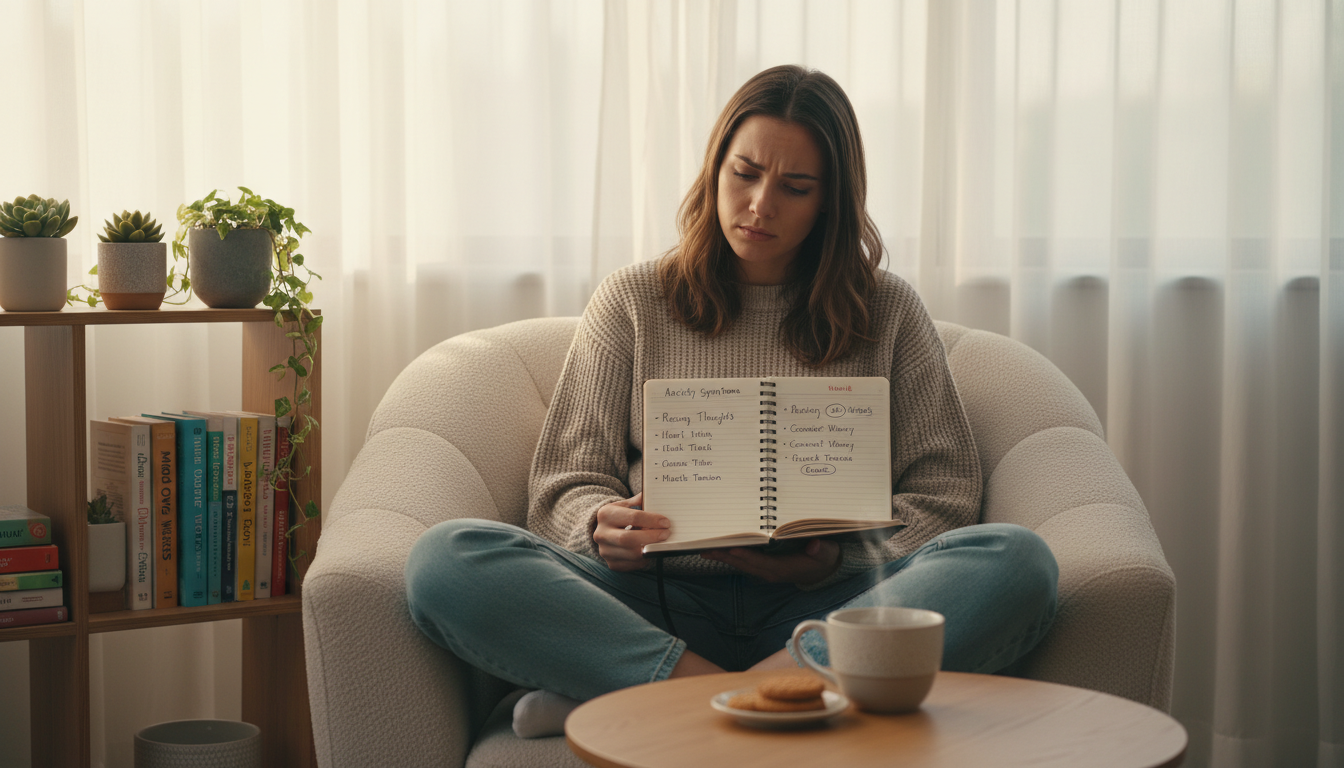
What if the nervous feeling you can’t shake is more than just stress?
Many of us experience worry or unease. It’s a normal part of life. But for nearly one in three adults, these feelings evolve into a lasting condition that impacts daily living.
This guide helps you recognize when typical stress crosses a line. We explain the common signs and how they affect your mental health. Knowing the difference is the first step toward getting the right support.
Our goal is to provide clear, actionable health information. We want to empower people to take control. For a deeper look at understanding anxiety symptoms, we link to trusted sources. We also offer specialized resources for shift workers facing unique challenges.
Key Takeaways
- Feeling anxious at times is a common human experience.
- Persistent, overwhelming worry may signal a deeper issue.
- Physical signs like a racing heart often accompany emotional distress.
- Recognizing these patterns is crucial for effective management.
- Professional resources are available to help distinguish normal stress from a disorder.
- Early awareness can lead to better long-term health outcomes.
- This guide provides a foundation for understanding and seeking help.
Understanding Anxiety and Its Effects on Our Lives
Our bodies are wired to react to perceived threats, but sometimes this alarm system doesn’t shut off as it should. This natural emotional response involves fear and unease. It differs from an anxiety disorder, which persists and intensifies over time.
What Is Anxiety and How Does It Affect Us?
When we face uncertainty, our bodies release stress hormones like adrenaline. These chemicals trigger physical and emotional reactions. This is a normal part of our health and survival.
Problems arise when the response doesn’t subside. Ongoing interference with daily activities and relationships can develop. This is how many anxiety disorders begin to form.
Identifying Common Anxiety Triggers
Many people encounter specific triggers. Work-related stress, like job pressure or unemployment, is a major one. Family dynamics and financial concerns also play a large role.
Health-related events, including personal illness or loss, impact our mental wellbeing. Even positive changes, like buying a home, can be triggers.
Recognizing these personal triggers is a foundational step. It helps us develop targeted coping strategies for better daily functioning.
Anxiety Symptoms: Recognizing the Signs
Distinguishing between everyday stress and clinical anxiety begins with understanding its hallmark signs. These indicators often show up in our bodies, emotions, and daily actions.
Physical and Emotional Indicators
Our bodies can send strong physical signals. A racing heart, shallow breathing, and sweating are common. Some people feel trembling, cold or tingling hands, dizziness, or general weakness.
Emotionally, there may be persistent worry or a sense of unease. Racing thoughts and trouble concentrating are frequent mental signs. Intense feelings of panic or danger can also surface unexpectedly.
Behavioral changes often follow. Sleep disturbances, restlessness, and avoiding specific places are key clues.
Sudden, intense episodes known as panic attacks may occur. These typically last 5 to 30 minutes. They involve a pounding heart, shortness of breath, sweating, and nausea. While frightening, these attacks are not dangerous to your physical health.

When to Consider Professional Help
If these signs are severe, persistent, or disrupt your work and relationships, consult a healthcare provider. An honest discussion about your experience is crucial for an accurate assessment.
Understanding the specific pattern and impact of your signs helps identify any underlying condition. For comprehensive information on anxiety disorders, trusted medical resources are available.
Exploring Different Types of Anxiety Disorders
Not all persistent worry looks the same. Several common conditions fall under this umbrella. Each type presents unique challenges while sharing features of excessive fear.
Generalized Anxiety and Social Anxiety Disorders
Generalized anxiety disorder (GAD) involves constant, unrealistic worry about daily tasks. This generalized anxiety can last for months. People often feel on-edge and struggle to control their concerns.
Social anxiety disorder centers on an overwhelming fear of social scrutiny. Individuals may avoid interactions. Physical signs like blushing or trembling are common.
Panic Attacks and Specific Phobias
Panic disorder is marked by sudden, intense panic attacks. These episodes strike without clear danger. Worry about future attacks is a hallmark of this disorder.
Specific phobias involve intense, irrational dread of particular things. Heights, animals, or flying are typical examples. People recognize the fear is unreasonable but feel powerless.
Other related conditions include PTSD and OCD. Each requires a tailored understanding for effective management.
Coping Strategies for Managing Anxiety in Daily Life
Managing persistent worry doesn’t require monumental changes. Small, consistent steps make a significant difference. We focus on building a toolkit of practical techniques you can use every day.
These ways help counter the body’s stress response. They promote calm and improve your sense of control over challenging situations.
Practical Relaxation and Mindfulness Techniques
Simple practices activate the body’s natural relaxation response. Controlled breathing is a powerful tool you can use anywhere.
Inhale slowly for four counts, hold, and exhale for six. This calms your nervous system during moments of fear.
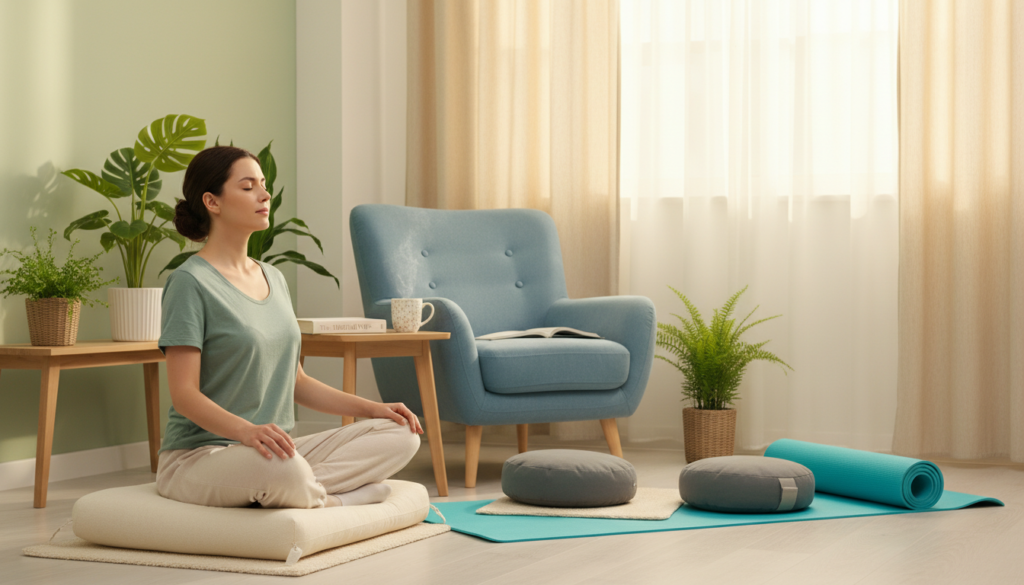
Mindfulness activities like meditation, yoga, or Tai Chi are also effective. They train your mind to stay present, reducing racing thoughts.
Using Lifestyle Changes to Alleviate Stress
Regular movement is a cornerstone of management. Running, walking, or swimming helps lower stress hormones.
It also releases mood-boosting endorphins. What you eat matters, too.
A healthy diet with regular meals stabilizes your energy. Good sleep routines and limiting caffeine support your overall life balance.
Our Approach to Gradual Exposure for Better Control
Avoiding feared situations offers short-term relief but strengthens fear over time. Our method involves gradual exposure.
Start with less challenging experiences. Slowly build tolerance as your brain learns the threat is manageable.
Set small, achievable goals. Focus your energy on things within your control. Talking about your experiences with trusted people or a support group is also valuable.
How Therapy and Treatments Can Help Us Overcome Anxiety
Modern mental health treatments provide powerful tools to regain control and improve daily life. Professional care is recommended when worry is severe or interferes with work and relationships.
Most people with an anxiety disorder experience significant improvement with proper treatment. The most effective approaches combine evidence-based therapy and medications.
Cognitive Behavioral Therapy and Its Benefits
Cognitive Behavioral Therapy (CBT) is a type of psychotherapy. It focuses on current symptoms rather than past events.
This therapy teaches practical techniques. You learn to change thought and behavior patterns that fuel distress. CBT provides lasting skills for managing various disorder types.
Medication Options and What to Expect
Antidepressants are the most commonly prescribed medications. They work as well for anxiety disorder as they do for depression.
They regulate brain chemistry to lessen worry. Full effects may take several weeks. For acute panic, benzodiazepines can offer rapid relief.
These are not for long-term use due to dependency risks. A health provider can guide the best choice.
| Treatment Type | How It Works | Best For | Key Considerations |
|---|---|---|---|
| Cognitive Behavioral Therapy | Teaches skills to change unhelpful thoughts and behaviors. | Generalized anxiety, social anxiety, panic disorder. | Provides long-term tools; often available through self-referral. |
| Antidepressants | Regulates serotonin/norepinephrine to improve mood and reduce worry. | Persistent anxiety disorders and co-occurring depression. | May take 4-6 weeks for full effect; requires medical supervision. |
| Benzodiazepines | Calms the nervous system quickly during intense episodes. | Short-term management of acute panic attacks. | High risk of dependence; not for generalized anxiety. |
Combining both treatments often yields the best outcomes. Medication can ease symptoms while therapy builds coping skills.
Many health systems offer direct access to talking therapies. Seeking professional care is a strong step for sustained mental health.
Self-Care Practices to Reduce Anxiety and Boost Mental Health
Taking charge of our mental health starts with simple, daily practices we can control. Consistent self-care builds a strong foundation for managing life’s pressures. It empowers us to feel more grounded and resilient.
Daily Routines That Support Emotional Wellbeing
Structure brings calm. A regular sleep schedule is crucial for good health. Going to bed and waking up at the same time helps regulate your body’s clock.
Eating balanced meals at consistent intervals stabilizes your energy. This directly supports mood regulation. Planning your day with predictable activities also reduces uncertainty.
Exercise, Meditation, and Other Stress-Relief Methods
Movement is a powerful tool. Running, walking, or swimming lowers stress hormones and boosts your mood. Mind-body practices like yoga add a calming, mindful element.
Meditation trains your focus to stay present, easing repetitive worry. Free audio guides can help you start these practices at home. Remember, progress comes from small, achievable goals.
Focus your energy on things within your control. Avoid using alcohol or drugs for relief, as they harm long-term mental health. True self-care involves nurturing your whole self with healthy habits.
Determining Normal Anxiety Versus an Anxiety Disorder
Three simple questions can help clarify if your worry is typical or a sign of a deeper issue. This framework helps you evaluate your own experience objectively.
Evaluating the Impact on Our Daily Lives
First, ask if your feelings interfere with your life. Typical worry can be bothersome but doesn’t stop you from living.
A true anxiety disorder significantly impairs daily functioning. It gets in the way of work, relationships, and important activities.
Recognizing When Anxiety Becomes Overwhelming
The second question is about severity. Normal unease is unpleasant but manageable. An anxiety disorder causes constant, overwhelming, and exhausting worry.
Infrequent panic attacks in stressful situations can be normal. Repeated attacks without a clear reason often signal a disorder.
Finally, consider if your reaction fits the risk. People with these conditions feel fear that is disproportionate to the actual danger.
They usually know their reaction is too strong but can’t control it. Fear responds to real, present threats. This type of distress is a reaction to emotions, often rooted in past experiences.
If you see these patterns, a professional evaluation can help. These conditions are highly treatable.
Navigating Mental Health Resources and Finding Support
Accessing effective mental health resources empowers individuals and family members to regain control. Knowing where to find the right support is a sign of strength.
How to Connect with Professional Care in the United States
Several pathways lead to professional care. You can start with your primary health provider. They can offer an initial assessment or a referral.
Mental health specialists like psychiatrists and psychologists provide focused treatment. Community centers also offer vital services. Many adults can refer themselves directly to talking therapy.
This means you don’t always need a doctor’s note. The diagnostic process involves questions about your history and patterns. Being honest is crucial for proper care.
There is no lab test for these conditions. Providers may run tests to rule out other health problems. Specialized services exist for children and young people.
Seek help when self-care isn’t working. Also seek help if feelings interfere with daily life. Immediate crisis support is available for urgent problems.
Peer groups provide community and shared information. They are a valuable part of the recovery journey.
| Provider Type | How to Access | Best For |
|---|---|---|
| Primary Care Physician | Schedule a routine visit. | Initial screening and referrals. |
| Psychologist/Therapist | Direct self-referral often possible. | Ongoing talk therapy and skill-building. |
| Psychiatrist | Usually requires a referral. | Medication management and complex diagnosis. |
| Community Mental Health Center | Contact directly; sliding scale fees. | Comprehensive, affordable treatment. |
This roadmap helps people take the first step. Professional support can prevent challenges from worsening. Your mental health deserves timely attention.
Our Final Reflections on Managing Anxiety Effectively
Moving forward with confidence begins by acknowledging that help is within reach. Anxiety disorders are highly treatable health conditions. Most people see great improvement in their quality of life with proper care.
Nearly one in three adults will face these disorders. This means effective treatments are well-researched and available. Seeking timely support prevents serious complications like depression.
Both Cognitive Behavioral Therapy and medications have proven effective. Professional guidance can tailor the right approach for you. Remember, experiencing anxiety is not a personal failure.
Our guide has highlighted recognition, coping strategies, and accessing help. Your mental health journey is supported. With the right tools and health focus, managing difficult symptoms is entirely possible.