
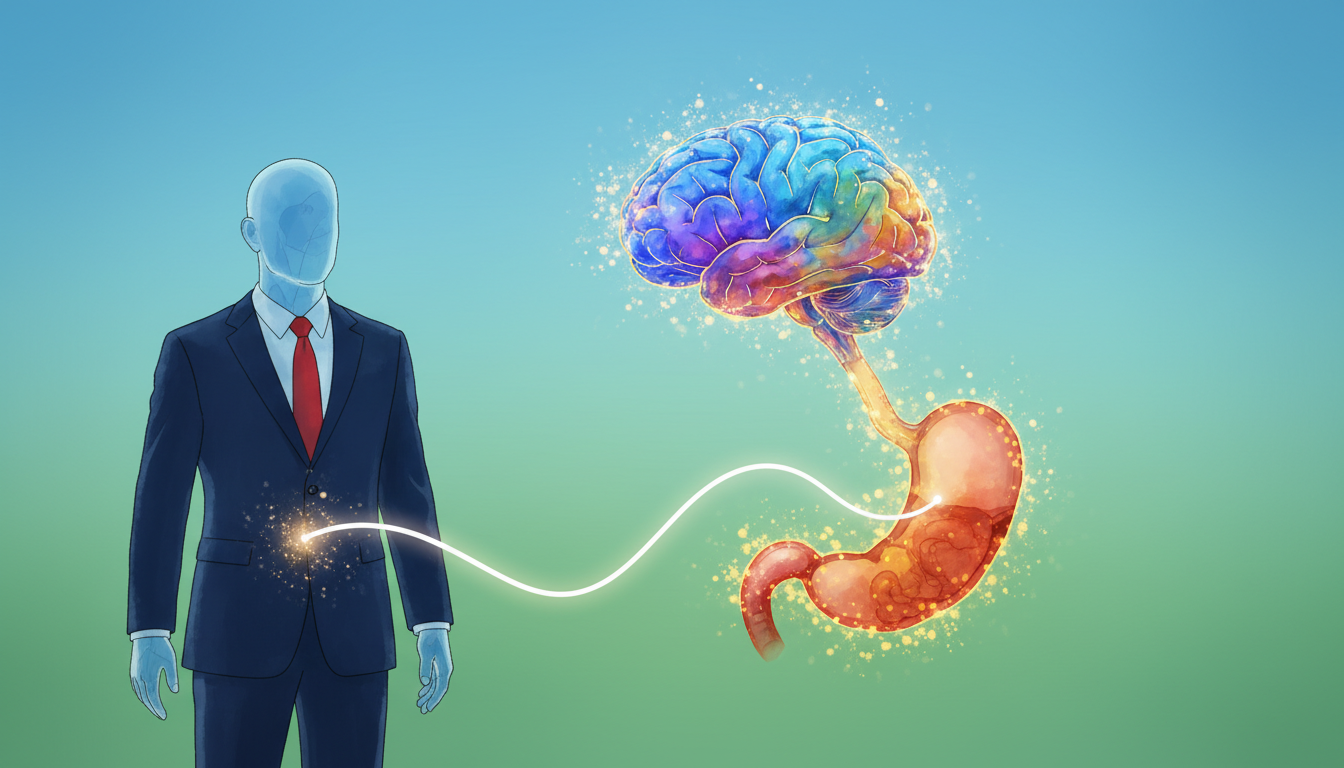
Have you ever felt a sudden cramp or ‘butterflies’ in your gut when facing a stressful situation? This common experience is more than just a feeling—it’s a real physical response.
Research shows a powerful link between our brain and digestive tract. They communicate constantly through the central nervous system. When we’re worried or stressed, this connection can trigger noticeable physical symptoms.
That knot or flutter you feel like is a legitimate signal from your body. It’s not something you’re imagining. Understanding this link is the first, crucial step toward finding relief and improving your overall health.
This guide provides clear information and practical steps. We’ll cover strategies for managing discomfort, helpful lifestyle adjustments, and signs that mean you should talk to a doctor. While occasional gut trouble from stress is normal, knowing when it’s more serious is key.
People experience this differently. Some deal with nausea, while others face cramping or bloating. The good news? You can find relief by managing stress and making smart choices for your digestive well-being.
Key Takeaways
- The brain and gut are directly connected through the nervous system.
- Physical discomfort during stress is a common, real bodily response.
- Symptoms vary and can include cramps, nausea, or bloating.
- Understanding this mind-body link is essential for managing stomach anxiety.
- Practical strategies and lifestyle changes can lead to significant relief.
- Knowing when to seek professional medical advice is important for your health.
Understanding Stomach Anxiety
This physical response to mental strain is rooted in a sophisticated biological link between two major systems. We define it as the physical manifestation of stress and worry within the digestive tract.
It ranges from mild flutters to significant gastrointestinal distress. This condition highlights a direct, two-way dialogue happening inside us.
Defining the Term and Its Impact
It’s crucial to see this not just as a mental health issue. It’s a legitimate physiological reaction. Our psychological state has a profound impact on our physical body.
The key is the gut-brain axis. This is a bidirectional communication pathway. It links our central nervous system and our digestive system.
How Stress and Our Minds Affect Our Stomachs
Our gut contains its own extensive network of nerve cells, called the enteric nervous system. Often dubbed our “second brain,” it can operate independently. Yet, it constantly chats with our main brain via the vagus nerve.
When we feel worried, our brain releases stress chemicals like cortisol and adrenaline. These hormones can disrupt normal digestion. They may speed up or slow gut motility and increase acid production.
“The gut is not just digesting food; it’s digesting our feelings and experiences.”
This process can make the brain misinterpret normal GI signals as pain. That’s why people under pressure often feel discomfort without an underlying disease. Understanding this connection is the foundation for effective management.
| System Component | Primary Role | Effect on Digestion |
|---|---|---|
| Central Nervous System (Brain) | Sends stress signals & releases hormones | Can trigger spasms, alter motility |
| Enteric Nervous System (“Second Brain”) | Manages local GI function | Directly controls muscle movement, fluid secretion |
| Vagus Nerve | Main communication highway | Transmits signals between brain and gut |
Recognizing this intricate link empowers us. We can then develop targeted strategies to soothe our system and improve our overall digestive well-being.
Recognizing Signs of a Nervous Stomach
Our digestive system often sends clear signals when we’re under mental pressure. Learning to identify these signs helps us manage our well-being effectively.
Common Symptoms and Their Signals
Common physical cues include that familiar flutter, nausea, bloating, and cramping. Changes in bowel habits, like diarrhea or constipation, are also frequent signals.
These symptoms are direct messages from our gut-brain axis. Some people feel discomfort mainly in the upper abdomen, while others experience it lower down.
Distinguishing Temporary Discomfort from Chronic Issues
Temporary, stress-induced pain typically fades within a few hours once the stressful event passes. If you feel like your upset lasts more than a day, another cause is likely.
Persistent issues warrant a closer look. Recognizing patterns—like symptoms flaring before big meetings—can pinpoint stress as the root cause.
“Listening to your body’s persistent signals is the first step toward lasting digestive health.”
It’s crucial to know the warning signs. Severe pain, blood in stool, unexplained weight loss, or black tarry stools require immediate medical evaluation.
| Symptom Type | Typical Duration | Recommended Action |
|---|---|---|
| Butterflies, mild cramps | Few hours | Monitor, use relaxation techniques |
| Persistent bloating, bowel changes | More than a day | Review diet, consider stress sources |
| Severe pain, bleeding, weight loss | Any duration | Seek professional evaluation promptly |
Occasional discomfort is normal. Frequent or severe symptoms, however, may indicate conditions like IBS or IBD. If your anxious stomach issues are persistent, consulting a doctor is a wise step for proper diagnosis.
Exploring the Gut-Brain Connection
The dialogue between our head and our gut is a constant, two-way street of chemical and electrical signals. This connection means our mental state directly influences our physical well-being.
The Role of the Enteric Nervous System
Our digestive system has its own local network of millions of neurons. This enteric nervous system controls digestion independently but stays in close touch with our brain.
It’s why our gut can “sense” our mood. This connection also works in reverse, influencing how we feel.
“Our intestinal state can send powerful signals that shape our perception of stress and emotional balance.”
How Stress Hormones Disrupt Digestion
When we feel pressured, our body releases cortisol and adrenaline. This “fight or flight” response shifts resources away from digestion.
These hormones can scramble gut motility. They may speed things up, causing urgency, or slow them down, leading to bloating.
This hormonal surge is a primary anxiety cause for digestive upset. It can increase acid production and disturb our delicate bacterial balance.
Critically, the enteric system can misinterpret normal signals as pain during stress. Understanding this body response confirms the discomfort is real, not imagined.
Step-by-Step Guide to Calming Your Stomach
Managing digestive discomfort begins with simple, accessible techniques we can use anywhere. When we’re feeling tension, our body signals for relief.
This guide offers a clear path. We start with immediate actions and build toward lasting habits.

Practical Stress-Relief Techniques We Can Use
Deep breathing is a powerful first step. Slow, diaphragmatic breaths activate our relaxation system.
This signals our body to shift out of a high-alert state. Try the 4-7-8 method: inhale for four counts, hold for seven, exhale for eight.
Short breaks during stressful tasks are crucial. Step away for just a few minutes to practice this breathing.
It prevents worry from building to a point of physical discomfort.
Mindful Breathing and Meditation Practices
Mindfulness is a way to calm both mind and body. It teaches us to observe thoughts without judgment.
Redirect attention to the present moment. This practice can rewire our brain’s stress response over time.
Using a meditation app or a guided recording is a helpful way to start. Regular sessions build resilience, even when we’re not feeling anxious.
Consistency strengthens our ability to manage symptoms. It’s a proactive strategy for long-term well-being.
Diet and Lifestyle Adjustments for a Healthy Gut
What we eat and how we eat can either soothe or stir up gastrointestinal distress. Our daily choices and routines directly impact our digestive health, especially during stressful times.
Foods and Behaviors That Support Digestion
Some specific foods can irritate the gut lining when we’re tense. It’s wise to avoid caffeine, alcohol, and spicy or fatty items. Products high in natural or artificial sugars are also common triggers.
These choices can increase acid production and worsen feelings of nausea. Instead, opt for gentle, easily digestible foods like plain crackers, toast, rice, and bananas. Clear broths and water help settle an upset system without overwhelming it.
Simple Eating Habits to Reduce GI Discomfort
How we eat matters just as much as what we eat. Slow down and chew each mouthful thoroughly. This simple act aids digestion significantly.
Try eating four to five smaller meals instead of three large ones. This prevents overloading and helps maintain stable energy. Also, avoid a big meal right before bed; give your body time to digest.
Proper hydration is essential for healthy gut function. Drinking plenty of water supports overall health and helps prevent symptoms like bloating or diarrhea. Making these adjustments can help you feel like you’re back in control.
The Impact of Chronic Stress on the Digestive System
When stress becomes a constant companion, it can rewrite the rules of our digestive health. Unlike temporary worry, ongoing mental strain can lead to persistent gastrointestinal problems.
It doesn’t typically cause ulcers or structural damage. Instead, it creates functional disorders that cause real, lasting pain.
Identifying Long-Term Gastrointestinal Challenges
For people with irritable bowel syndrome (IBS), stress is a major trigger. It can flare pain, bloating, and bowel changes.
Another common issue is functional dyspepsia. This involves chronic upper abdominal pain and early fullness.
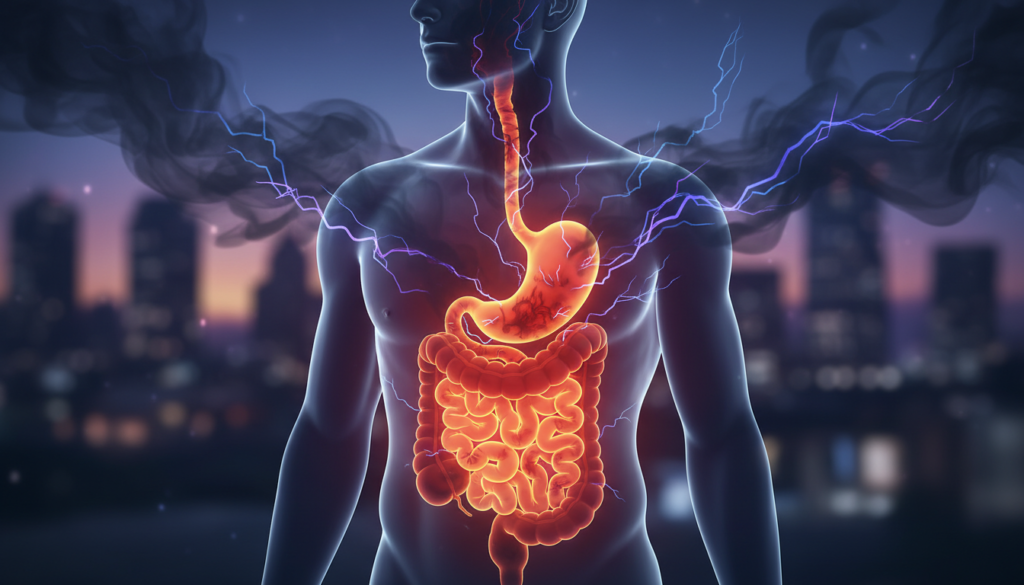
Mental health conditions like generalized anxiety disorder deeply connect to gut issues. This bidirectional link means one often worsens the other.
Chronic stress also disrupts our gut microbiome over time. This can increase inflammation and sensitivity.
| Common Condition | Key Symptoms | Role of Chronic Stress |
|---|---|---|
| Irritable Bowel Syndrome (IBS) | Abdominal pain, bloating, diarrhea/constipation | Primary trigger for symptom flares |
| Functional Dyspepsia | Upper abdominal pain, burning, early fullness | Can cause or worsen persistent discomfort |
| Anxiety/Depression Link | Digestive issues alongside mood changes | Creates a worsening cycle between mind and gut |
Spotting patterns where stomach issues arise with stress is crucial. This recognition is the first step toward getting the right help for these chronic conditions.
Effective Stress Management Strategies
Integrating simple, consistent habits into our routine can significantly lower our body‘s stress response. A comprehensive plan addresses both emotional and physical aspects of anxiety.
Incorporating Physical Activity and Relaxation
Regular movement is a powerful way to manage stress anxiety. Exercise reduces cortisol and releases mood-boosting endorphins. It also helps regulate digestion and promote gut motility.
Avoid sitting for long periods of time. Take short breaks during stressful tasks. Find activities we enjoy, like walking, swimming, or yoga.
Consistency matters more than intensity. Aim for at least 7 hours of sleep each night. Sleep deprivation increases stress hormones and worsens mental health and digestive health.
Using Mindfulness to Ease Tension
Mindfulness practices calm our thoughts and body. Deep breathing exercises can be done anytime to prevent tension from building.
Spend time outdoors in nature. Social connection and laughter are potent relievers. Talk about worries with friends or a professional.
Experiment to find what works best. Combining techniques offers long-term relief from tension.
Integrating Professional Support When Needed
While self-care strategies are powerful, some situations call for professional medical insight. Knowing when to seek help is a sign of strength, not weakness.
Healthcare experts have many effective treatment options available. They can provide relief when our own efforts aren’t enough.
When It’s Time to Consult a Medical Expert
Tell your primary care doctor about frequent digestive problems. They are the first point of contact for evaluation.
Seek advice if pain is severe or interferes with sleep. Unexplained weight loss or blood in stool are urgent red flags.
These signs mean it’s time for a professional assessment. Your doctor can determine if stress or another condition is the cause.
What to Expect During a Gastrointestinal Evaluation
A specialist, like a gastroenterologist, may be recommended. These experts perform tests to rule out specific conditions.
The process begins with a detailed history and physical exam. This helps pinpoint the source of your discomfort.
Working with a therapist can also be vital. They address the mental health factors, like anxiety or depression, that fuel physical symptoms.
| Evaluation Step | Purpose | Common Tools or Tests |
|---|---|---|
| Medical History Review | Identify patterns & triggers | Questionnaire, symptom diary |
| Physical Examination | Check for abdominal tenderness | Palpation, stethoscope |
| Diagnostic Testing | Rule out structural issues | Blood work, endoscopy, imaging |
The most effective treatment often combines medical and psychological care. This integrated approach tackles both the physical pain and its emotional roots.
Embracing a Healthier Future: Our Path Forward
Moving forward with our digestive well-being means embracing the mind-body link we’ve explored. This stomach anxiety is a real physical condition. Understanding this gives us power to take effective action.
Lasting relief requires a holistic approach. We must address both mental and digestive health together. Use the information here as a starting point for your unique journey.
For most people, these symptoms are temporary. They often ease once stress passes. Building strong management skills helps us face future challenges with more resilience.
Pay attention to your body’s patterns. Notice what triggers your anxious stomach. This self-awareness is a key tool for finding what brings you relief.
We can’t eliminate all stress from life. Yet, we can build tools to prevent anxiety from causing major discomfort. This leads to a greater sense of control and improved overall well-being.