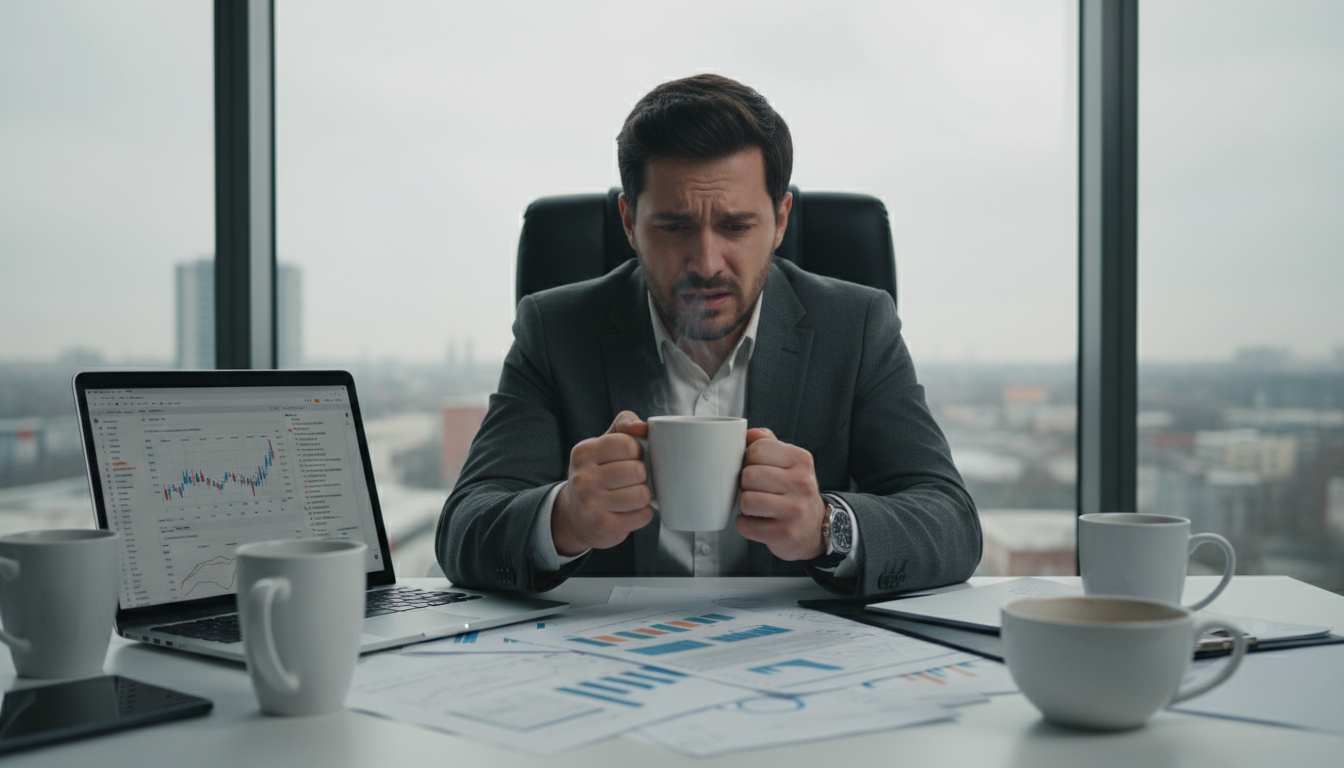
As days get shorter and colder, we feel a big change. Seasonal shifts affect our daily habits and how we eat. We often drink more coffee to wake up in the morning.
This habit can cause caffeine induced anxiety if we’re not careful. It stops us from resting by too much stimulation. This makes it hard to relax.
Our caffeine sensitivity anxiety might grow in the darker months. These feelings mix with mood changes in our lives. It’s hard to know what’s causing our stress.
We want to stay awake without losing our inner peace. Watching how stimulants affect our heart rate helps. Knowing these connections helps us handle our moods all year.
Key Takeaways
- Stimulants can block the natural ability of the body to relax.
- Winter shifts often lead to higher consumption of energy-boosting drinks.
- Physical jitteriness can mirror the feelings of seasonal stress.
- Overstimulating the nervous system disrupts emotional balance.
- Monitoring daily intake helps maintain better mental health.
- Recognizing triggers allows us to manage our moods effectively.
What is Seasonal Anxiety and Caffeine-Induced Anxiety?
Seasonal anxiety and caffeine-induced anxiety are two conditions that can affect us. They can make us feel anxious. Knowing about them helps us manage our feelings better.
Definition and Overview
Seasonal anxiety happens when the seasons change. It can be caused by less sunlight in winter or holiday stress.
Caffeine-induced anxiety comes from drinking too much caffeine. Caffeine is a stimulant that makes us feel jittery and nervous. This is hard for people who already feel anxious.
Even though they have different causes, they share similar symptoms. This makes it hard to figure out what’s wrong without knowing a lot.
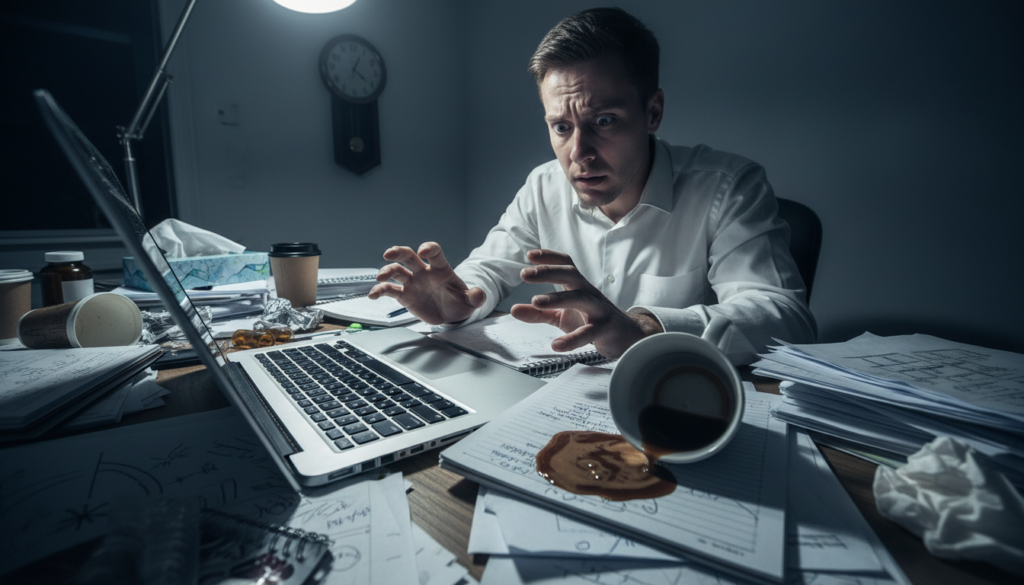
Symptoms of Seasonal Anxiety and Caffeine-Induced Anxiety
Symptoms of both can include feeling worried and scared. They can also make our heart beat fast and our hands shake.
| Symptom | Seasonal Anxiety | Caffeine-Induced Anxiety |
|---|---|---|
| Feelings of Apprehension | Common | Common |
| Rapid Heartbeat | Possible | Common |
| Trembling or Shakiness | Possible | Common |
To manage these symptoms, we need to know what causes them. By spotting the signs early, we can lessen the effects of caffeine and seasonal changes on our minds.
For those who get caffeine-induced panic attacks, cutting down on caffeine is key. Finding ways to manage caffeine-induced anxiety is important for our happiness.
Causes of Seasonal Anxiety and Caffeine-Induced Anxiety
Many things can cause seasonal and caffeine-induced anxiety. These include the environment, our biology, and our mind. Knowing what causes these feelings helps us deal with them better.
Environmental Factors
Things around us can make us feel anxious. Weather, daylight, and temperature changes can affect our mood. For example, less sunlight in winter can cause Seasonal Affective Disorder (SAD), a kind of depression linked to seasons.
Extreme weather like hurricanes or droughts can also make us anxious. These events disrupt our routines and add to our stress, making anxiety worse.
Biological Influences
Our biology, like genes and brain chemistry, can also lead to anxiety. Caffeine, for instance, changes our brain’s chemistry. It makes us more alert but can also cause anxiety.
People with anxiety history might feel more anxious from caffeine. Also, stopping caffeine can make anxiety symptoms worse. This shows how complex caffeine and anxiety are linked.
Psychological Triggers
Our mind can also trigger anxiety. Stress, trauma, and big life changes can cause it. The need to keep up a certain lifestyle or meet society’s expectations can make anxiety worse.
Feeling scared or worried about seasonal changes can also trigger anxiety. Knowing what triggers our anxiety is the first step to managing it.
The Impact of Seasonal Changes on Anxiety
Seasonal changes can deeply affect our mental health, especially anxiety. Weather, daylight, and social activities change with the seasons. Knowing these changes helps us manage seasonal anxiety.
Winter Blues vs. Seasonal Affective Disorder
“Winter blues” and Seasonal Affective Disorder (SAD) are often mixed up. Winter blues are mild and short. SAD is a serious depression that happens in winter.
SAD is more serious and needs professional help. It’s important to know the difference for the right support.
Effects on Daily Life
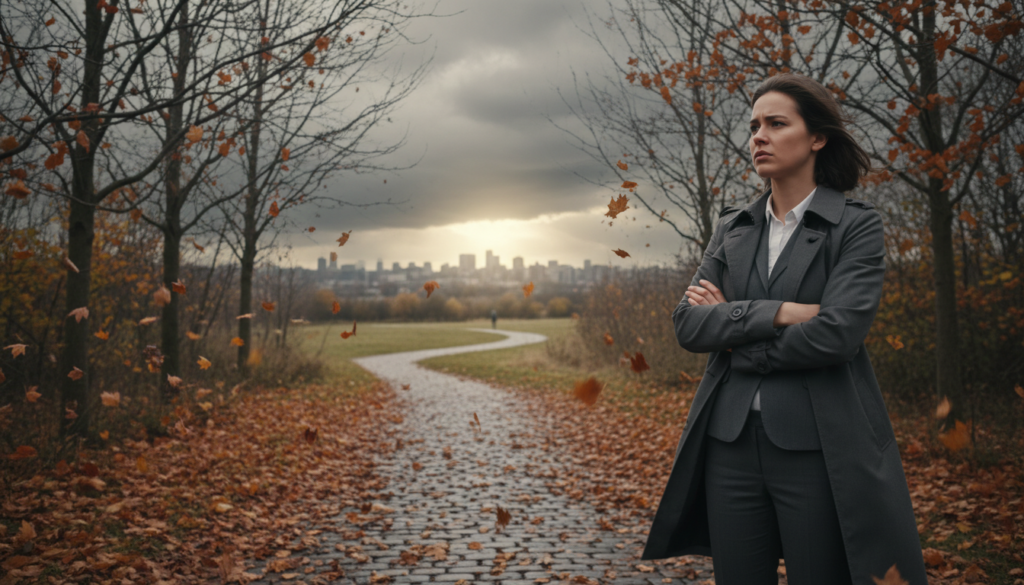
Seasonal changes can change our daily life a lot. Less daylight in winter can make us feel tired and anxious. Holiday pressure can also make anxiety worse.
A study on anxiety in autumn shows autumn can make anxiety worse. This is due to weather changes and the holiday season.
| Season | Common Anxiety Triggers | Coping Strategies |
|---|---|---|
| Winter | Reduced daylight, cold weather, holiday pressure | Light therapy, indoor activities, mindfulness |
| Spring | Allergies, increased social activities, changing routines | Exercise, social support, planning ahead |
| Summer | Heat stress, social pressures, vacations | Cooling techniques, time management, relaxation |
| Autumn | Changing weather, back-to-school stress, holiday preparations | Mindfulness, preparation, seeking support |
Coping Mechanisms
It’s key to find ways to cope with seasonal anxiety. Light therapy helps with SAD or winter blues. Mindfulness, relaxation, and exercise are also helpful.
Knowing how seasons affect anxiety and using the right strategies can help us deal with it better.
Identifying Your Triggers
The first step to manage anxiety is to find out what causes it. Understanding our personal triggers helps us make plans to feel better. This way, we can take steps to help our minds.
Keeping a Journal
One good way to find triggers is by keeping a journal. We can track how much caffeine we drink and how we feel. This helps us see patterns.
For example, we might feel more anxious when we drink more coffee. Or when we’re really stressed at work. Knowing these patterns helps us manage our caffeine and find ways to deal with stress.
Seasonal Patterns
It’s also key to notice seasonal patterns. For many, anxiety gets worse with weather changes or less daylight. Knowing these patterns helps us get ready for each season.
- Noting changes in mood and anxiety levels with the seasons
- Identifying specific seasonal triggers, such as lack of sunlight in winter or heat in summer
- Developing strategies to cope with these triggers, such as light therapy for Seasonal Affective Disorder
Noticing Emotional Changes
Noticing emotional changes is very important. It means paying attention to how we feel in different situations. This helps us understand what makes us anxious and how to handle it.
For example, feeling anxious in crowded places or when we’re under tight deadlines. We can learn to relax or break tasks into smaller parts to cope.
Strategies to Manage Seasonal Anxiety and Caffeine-Induced Anxiety
We can handle seasonal and caffeine anxiety by making lifestyle changes and using therapy. Knowing how to cope helps us feel better and live happier.
Light Therapy
Light therapy is great for seasonal anxiety, especially for SAD. It uses bright light to help our body clocks and moods.
Benefits of Light Therapy:
- Regulates circadian rhythms
- Improves mood and reduces symptoms of depression
- Enhances energy levels
Mindfulness and Relaxation Techniques
Mindfulness and relaxation are good for both seasonal and caffeine anxiety. Activities like meditation, deep breathing, and yoga calm our minds and lessen anxiety.
Some effective mindfulness techniques include:
- Meditation and mindfulness exercises
- Progressive muscle relaxation
- Visualization techniques
Physical Activity
Exercise is a natural way to reduce anxiety and boost mood. It releases happy hormones that help with both seasonal and caffeine anxiety.
| Activity | Benefits |
|---|---|
| Aerobic Exercise | Reduces anxiety, improves mood |
| Yoga | Combines physical movement with mindfulness and relaxation |
| Walking | Easy to incorporate into daily routine, reduces stress |
Lowering or stopping caffeine can also help with caffeine anxiety. Being careful with caffeine and finding other drinks is a good idea.
When to Seek Professional Help
Knowing when to ask for help is key in dealing with seasonal and caffeine anxiety. If your anxiety doesn’t get better or gets worse, it’s time to seek help.
Signs You Need Support
There are signs you might need professional help. These include:
- Persistent feelings of anxiety that interfere with your daily life
- Difficulty managing caffeine intake due to anxiety concerns
- Experiencing caffeine anxiety symptoms such as jitteriness, insomnia, or rapid heartbeat
If you see yourself in these signs, it’s time to talk to a mental health expert.
Therapy Options
There are many ways to manage anxiety through therapy. Cognitive Behavioral Therapy (CBT) is very helpful. It helps you change your thoughts and actions.
| Therapy Type | Description | Benefits |
|---|---|---|
| CBT | Focuses on identifying and challenging negative thought patterns | Effective in managing anxiety and improving coping mechanisms |
| Mindfulness Therapy | Emphasizes being present in the moment to reduce anxiety | Reduces stress and improves overall well-being |
| Acceptance and Commitment Therapy (ACT) | Encourages acceptance of difficult emotions while taking action towards valued life goals | Enhances psychological flexibility and resilience |
Medication Considerations
In some cases, medicine might be needed for severe anxiety. Always talk to a doctor about the good and bad sides of medication.
It’s also important to know how to handle caffeine anxiety. Cutting down on caffeine and knowing its effects can help a lot.
Resources and Support
Managing seasonal anxiety and caffeine-induced anxiety needs a full plan. This includes getting help from experts, taking care of yourself, and finding support. Knowing what causes and shows these issues is key to finding ways to cope.
Online Resources
Many websites have great info and tools to help with caffeine anxiety. They help understand caffeine sensitivity and offer tips for dealing with withdrawal.
Community Support
Being part of support groups and online forums is helpful. These places are safe to share your feelings and meet others facing the same issues.
Mental Health Apps
There are many mental health apps to help with anxiety. These apps have tools and methods to lessen caffeine anxiety and improve your mood.
# Understanding Seasonal Anxiety
We look at how seasons and stimulants affect us. Seasonal anxiety often comes with winter’s cold and short days. But, drinking Starbucks or Monster can make it worse.
We’ll see how caffeine and seasons mix, causing trouble. Knowing this can help us find a way out.
## What is Seasonal Anxiety and Caffeine-Induced Anxiety?
Seasonal anxiety happens when the seasons change, especially in autumn and winter. Adding caffeine to this can make things worse. It makes us feel jittery and stressed.
### Symptoms of Seasonal Anxiety and Caffeine-Induced Anxiety
When these two mix, we might feel our heart racing and be restless. We could also feel sick to our stomach. It’s like feeling anxious all the time.
### Causes of Seasonal Anxiety and Caffeine-Induced Anxiety
The main reason is less sunlight, which messes with our body clock. We might drink more coffee to feel awake, but it makes us anxious instead.
### Biological Influences
Our genes play a big part in how we react to light and caffeine. Some people are more prone to anxiety. Caffeine can make us feel like we’re in danger.
### Psychological Triggers
The holidays can add stress, making us feel worse. If we’re already stressed, caffeine can make us feel even more anxious.
## The Impact of Seasonal Changes on Anxiety
### Winter Blues vs. Seasonal Affective Disorder
It’s important to know the difference between feeling a bit down and Seasonal Affective Disorder. Both can make us want to drink more coffee, but it only makes things worse.
### Effects on Daily Life
These anxieties can mess with our work and social life. We might find it hard to focus or want to stay home. It’s like being tired but feeling wired at the same time.
### Coping Mechanisms
To deal with this, we need a routine. Getting enough sleep and eating well can help. Drinking herbal tea instead of coffee can also calm us down.
## Identifying Your Triggers
### Keeping a Journal
Keeping a journal helps us understand our triggers. We can see how much coffee we drink and how it affects us. It’s like tracking our emotions.
### Seasonal Patterns
Looking back at our journals, we can see patterns. We might find that we get anxious in November or December. Knowing this helps us prepare.
### Noticing Emotional Changes
We should notice how we feel throughout the day. If we get anxious in the afternoon, it might be because of too much coffee.
## Strategies to Manage Seasonal Anxiety and Caffeine-Induced Anxiety
### Light Therapy
Light therapy can help us feel better. Using a device like the Verilux HappyLight in the morning can improve our mood.
### Mindfulness and Relaxation Techniques
Mindfulness apps like Headspace or Calm can help. They teach us to relax when we feel jittery.
### Physical Activity
Exercise is great for managing anxiety. Working out or going to a class can help us feel better.
## When to Seek Professional Help
### Signs You Need Support
If we can’t control our caffeine or feel really anxious, we need help. Professional help is needed if anxiety stops us from doing daily things.
### Therapy Options
We suggest Cognitive Behavioral Therapy (CBT). Services like BetterHelp or Talkspace can help us change our thoughts and feelings.
### Medication Considerations
In some cases, a doctor might suggest medication. This can help us feel better while we work on changing our lifestyle.
## Resources and Support
### Helpful Websites
For reliable info, check out NAMI or ADAA. They have articles and insights on managing anxiety.
### Support Groups and Communities
Joining groups like Reddit’s r/anxiety can help. Local meetups can also offer support.
### Apps for Mental Health Management
Apps like Moodfit or Sanvello can track our progress. They offer daily activities to help us manage anxiety.
## FAQ
### Q: How can we find caffeine induced anxiety relief?
A: Stop drinking caffeine and drink water. Deep breathing and gentle movement can help calm down.
### Q: What are the most common caffeine anxiety symptoms?
A: Symptoms include a fast heartbeat, shaky hands, and feeling on edge. We might also feel cold or have an upset stomach.
### Q: How to manage caffeine induced anxiety effectively?
A: Gradually reduce caffeine intake. Start by mixing regular coffee with decaf to avoid withdrawal.
### Q: What should we do to reduce caffeine anxiety quickly?
A: Use the 4-7-8 breathing technique. Eating something with magnesium, like pumpkin seeds, can also help.
### Q: What are the best coping strategies for caffeine induced anxiety?
A: Replace coffee with herbal tea. Use grounding techniques to focus on the present and calm down.
### Q: Can excessive intake lead to caffeine induced panic attacks?
A: Yes, too much caffeine can cause panic attacks in sensitive people. It can make us feel like we’re in danger.
### Q: Why do some people experience caffeine sensitivity anxiety more than others?
A: It’s because of our genes and how our body breaks down caffeine. Slow metabolizers are more likely to feel anxious.
### Q: How do we handle caffeine withdrawal anxiety?
A: When cutting back, we might feel headaches and irritability. Stay hydrated, sleep well, and reduce intake slowly.