
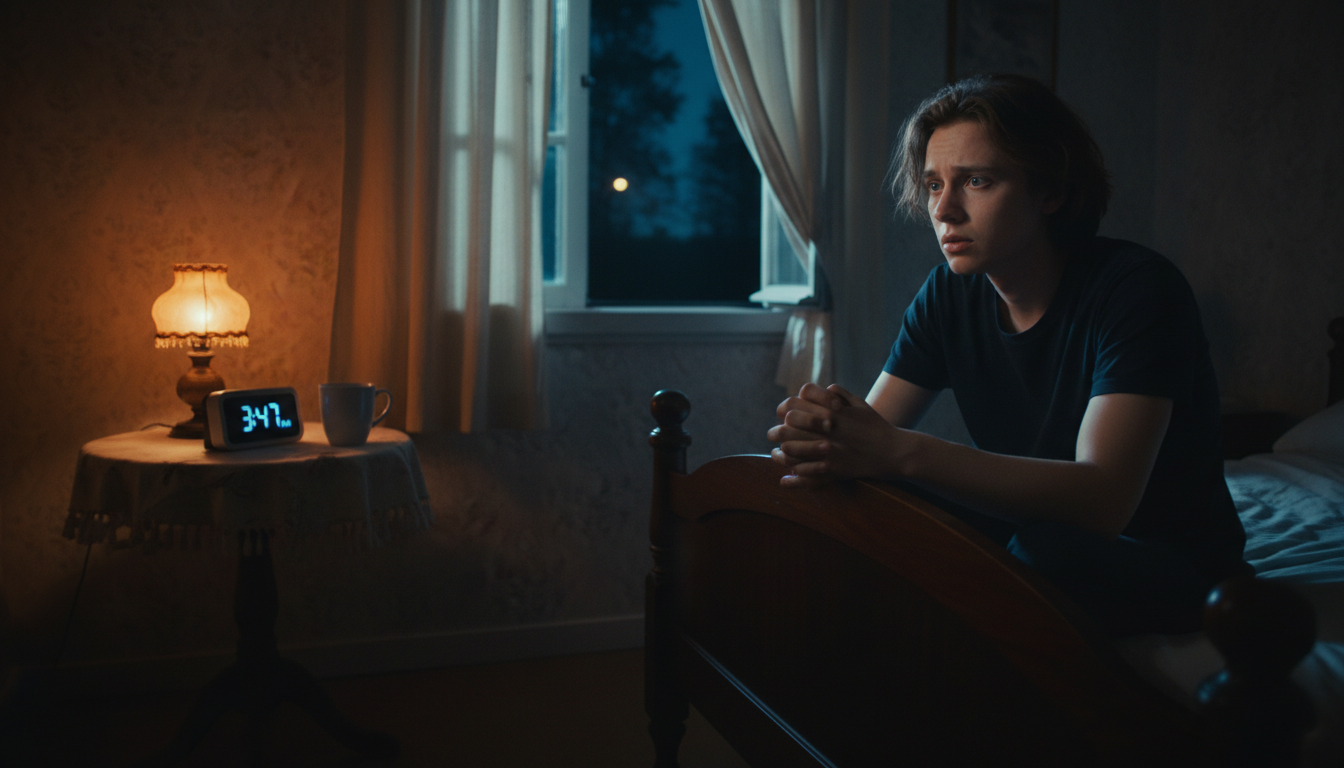
We often grab a hot drink to start the day. Over 90% of Americans drink caffeine to be more productive. About 75% of us do this every day to feel awake.
But, this energy boost can have a big downside. Many people feel their heart racing or have scary thoughts at night. This is because of caffeine anxiety, which is more common than we think.
The same thing that wakes us up can stay in our body for hours. It makes us feel stressed, leading to coffee anxiety even after we stop drinking it. We need to know how these drinks affect our peace.
By looking at our daily habits, we can find new ways to rest better. Finding out what triggers these feelings is the first step to better nights and improving our overall well-being. Let’s dive into the science behind these restless nights.
Key Takeaways
- Over 90% of the United States population consumes caffeine regularly.
- Approximately 75% of users drink caffeinated beverages every single day.
- The stimulation intended for morning alertness can cause evening restlessness.
- Caffeine mimics the body’s stress response, which may lead to jitters.
- Stimulants stay in the bloodstream much longer than most people expect.
- Understanding the link between diet and sleep is vital for mental health.
What is Nighttime Anxiety?
When the day ends, many feel anxious. This makes it hard to relax and sleep. Nighttime anxiety is when worry or fear grows as night falls. It can stop you from sleeping well.
Definition and Symptoms
Nighttime anxiety makes you feel worried and uneasy in the evening. You might have racing thoughts and an increased heart rate. Drinking caffeine close to bed can make it worse.
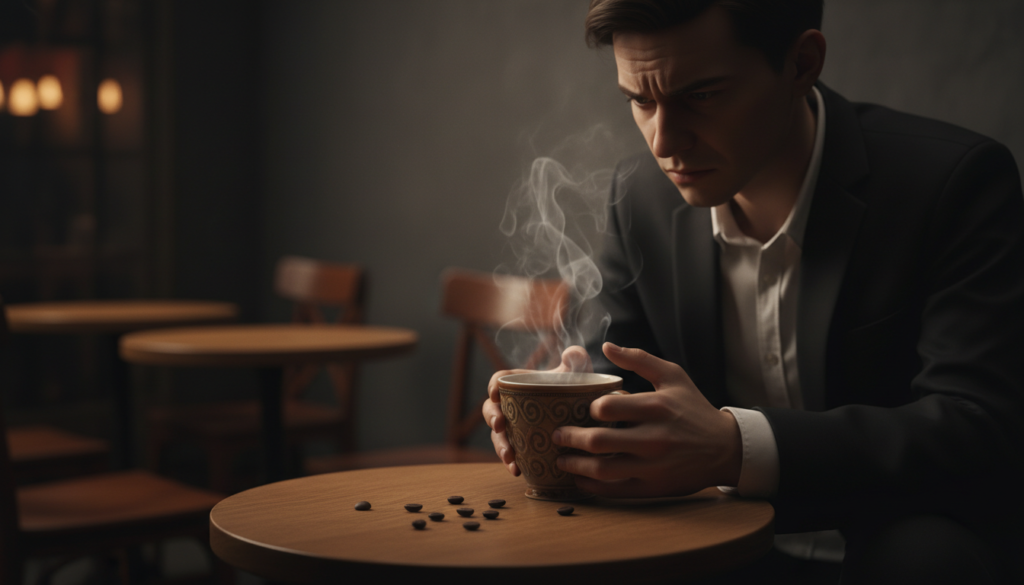
Caffeine in coffee, tea, and some meds can cause anxiety at night. Drinking too much caffeine can make you feel anxious. It stops your body from relaxing and can raise your heart rate and blood pressure.
Common Triggers
Many things can make nighttime anxiety worse. Stress, health issues, and some meds are common causes. For example, work or personal stress can make anxiety worse at night.
Health problems like generalized anxiety disorder can also increase evening anxiety. For tips on managing nighttime anxiety, check out Sleep Foundation’s guide on anxiety. Knowing what triggers your anxiety is key to finding ways to cope.
The Impact of Nighttime Anxiety on Sleep
Nighttime anxiety can really mess with our sleep. It makes it hard to fall asleep, stay asleep, or get good sleep. This is because anxiety at night changes how we sleep.
Sleep Quality Effects
Anxiety at night makes it hard to relax and sleep deeply. This leads to lighter sleep that doesn’t help us feel refreshed. Drinking too much caffeine before bed makes it worse.
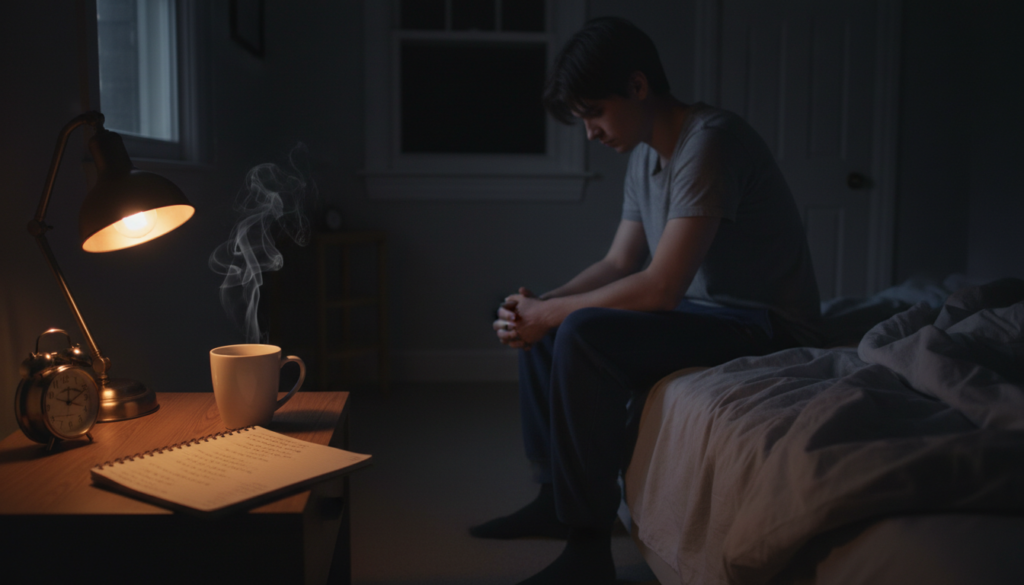
Studies show that not sleeping well can make anxiety worse. Drinking caffeine in your teens can mess with your body’s stress response. This shows why managing anxiety and caffeine is key for better sleep.
| Factors Affecting Sleep Quality | Impact on Sleep | Relation to Anxiety |
|---|---|---|
| Caffeine Consumption | Can interfere with sleep patterns | Exacerbates anxiety, especially at night |
| Nighttime Anxiety | Leads to difficulties in falling and staying asleep | Directly related to increased anxiety levels |
| Sleep Environment | Affects the quality of sleep achieved | Can be influenced by anxiety levels |
Consequences on Daily Life
Nighttime anxiety can really affect our daily lives. Bad sleep can make us tired, unfocused, and moody. It can hurt how we do our daily tasks, our relationships, and our happiness.
Understanding how nighttime anxiety affects sleep helps us find ways to improve it. This can make our daily lives better.
Causes of Nighttime Anxiety
It’s important to know why we get anxious at night. Nighttime anxiety can come from stress, big life changes, health issues, or medicines.
Stress and Life Changes
Stress is a big reason for nighttime anxiety. Big changes in life, like moving or getting a new job, can cause stress. This stress can make us anxious at night.
Also, daily stress can make us feel anxious in the evening. Learning to manage stress is key to feeling better at night.
Health Conditions and Medications
Some health problems can make us anxious at night. For example, chronic pain can make it hard to relax. This can lead to anxiety.
Some medicines can also make us feel anxious. It’s good to know about these side effects before starting a new medicine.
Caffeine is another thing that can make us anxious at night. Drinking too much caffeine or too close to bedtime can make our heart race and feel jittery. This is because caffeine changes how our body works, making anxiety worse.
Caffeine can cause anxiety in some people. This anxiety can feel like fear or make our heart beat fast. It’s important to watch how much caffeine we drink, especially before bed.
| Factor | Impact on Nighttime Anxiety |
|---|---|
| Caffeine Consumption | Increases heart rate and jitteriness, exacerbating anxiety |
| Stress and Life Changes | Can induce or increase anxiety levels |
| Health Conditions | Chronic pain or discomfort can lead to anxiety |
| Certain Medications | May have anxiety as a side effect |
Coping Strategies for Nighttime Anxiety
We can beat nighttime anxiety by using good relaxation methods every day. Nighttime anxiety can hurt our sleep and how we feel. So, it’s key to find ways to handle anxiety in the evening.
Relaxation Techniques You Can Try
Relaxation techniques calm our mind and body before bed. One good way is progressive muscle relaxation. This means tensing and then relaxing different muscles. Progressive muscle relaxation helps lower physical tension and makes us feel calm.
Visualization is another method. Imagine a calm, peaceful place or scene. This can take our mind off worries and help us relax. Mindfulness meditation is also great. It helps us stay in the moment and not worry about the past or future.
Breathing Exercises
Breathing exercises are simple but very helpful for nighttime anxiety. Diaphragmatic breathing, or belly breathing, uses the diaphragm for better oxygen. This slows down our heart and lowers stress.
The 4-7-8 breathing method is a special technique. Breathe in through your nose for 4 counts, hold for 7, and breathe out through your mouth for 8. This calms our nervous system and gets our body ready for sleep.
It’s also important to watch how much caffeine we drink. Coffee and other caffeinated drinks can make us feel more anxious, especially in the afternoon or evening. Reducing or avoiding caffeine before bed can help with nighttime anxiety.
| Technique | Description | Benefits |
|---|---|---|
| Progressive Muscle Relaxation | Tensing and relaxing muscle groups | Reduces physical tension |
| Visualization | Imagining a peaceful scene | Distracts from anxious thoughts |
| Diaphragmatic Breathing | Engaging the diaphragm for full oxygen exchange | Slows heart rate, reduces stress |
Natural Remedies to Alleviate Nighttime Anxiety
Natural remedies can help with nighttime anxiety. They offer a good choice instead of medicine. You can try herbal supplements, teas, or make big changes in your life. These steps can help you feel better at night.
Herbal Supplements and Teas
Herbal supplements and teas have been calming for a long time. Some top picks for easing nighttime anxiety are:
- Chamomile Tea: It’s known for making you feel calm and helping you sleep well.
- Lavender: Lavender can calm your nerves and lessen anxiety.
- Passionflower: It’s another herb that can help with anxiety.
Adding these herbs to your evening routine can be very helpful.
Lifestyle Changes
Making lifestyle changes is key to handling nighttime anxiety. Caffeine is a big factor. Caffeine can make anxiety worse because it blocks calming signals in the brain. Some people are more affected by caffeine than others. So, cutting down on caffeine, especially before bed, can help.
Other changes like sleeping at the same time every night and relaxing before bed also help. These steps can make you feel less anxious at night.
When to Seek Professional Help
If you have trouble sleeping because of anxiety, it’s time to get help. Nighttime anxiety can really hurt your life. Knowing when to see a therapist or doctor is key.
Signs It’s Time to Talk to a Therapist
There are signs you need help for nighttime anxiety. These include:
- Having trouble falling or staying asleep because of anxiety
- Anxiety that makes it hard to do daily things and feel good
- Having panic attacks or very bad anxiety at night
- Feeling anxious because of caffeine
Managing anxiety from caffeine is very important. Even a little caffeine can be bad with some anxiety medicines. Try to avoid or cut down on caffeine to help.
Types of Therapy That Can Help
There are many ways to deal with nighttime anxiety. These include:
- Cognitive Behavioral Therapy (CBT) to change bad thoughts
- Learning to relax and manage stress
- Behavioral therapy to help with caffeine anxiety by cutting down on caffeine
A doctor said, “Behavioral therapy is great for caffeine anxiety. It helps by changing how much caffeine you drink.” This, along with other therapies, can help a lot.
“The goal of treatment is not just to make symptoms go away. It’s to find and fix the reasons for nighttime anxiety.”
Knowing when to get help and what therapy is out there can help a lot. It’s a big step towards better sleep and life.
Tips for Creating a Calming Bedtime Routine
Creating a calming bedtime routine is key to managing nighttime anxiety. Lack of sleep can make anxiety worse. Good sleep habits can help ease these feelings.
Adding relaxing activities to your bedtime routine can help. This can make your sleep better and lower anxiety.
Best Practices for Sleep Hygiene
Stay away from caffeine before bed. It can make you anxious and disrupt sleep. Try to drink coffee only in the morning or early afternoon.
Creating a Soothing Sleep Environment
Make your bedroom a cozy place to sleep. It should be dark, quiet, and just the right temperature. A calm sleep space and good sleep habits can reduce anxiety at night.