
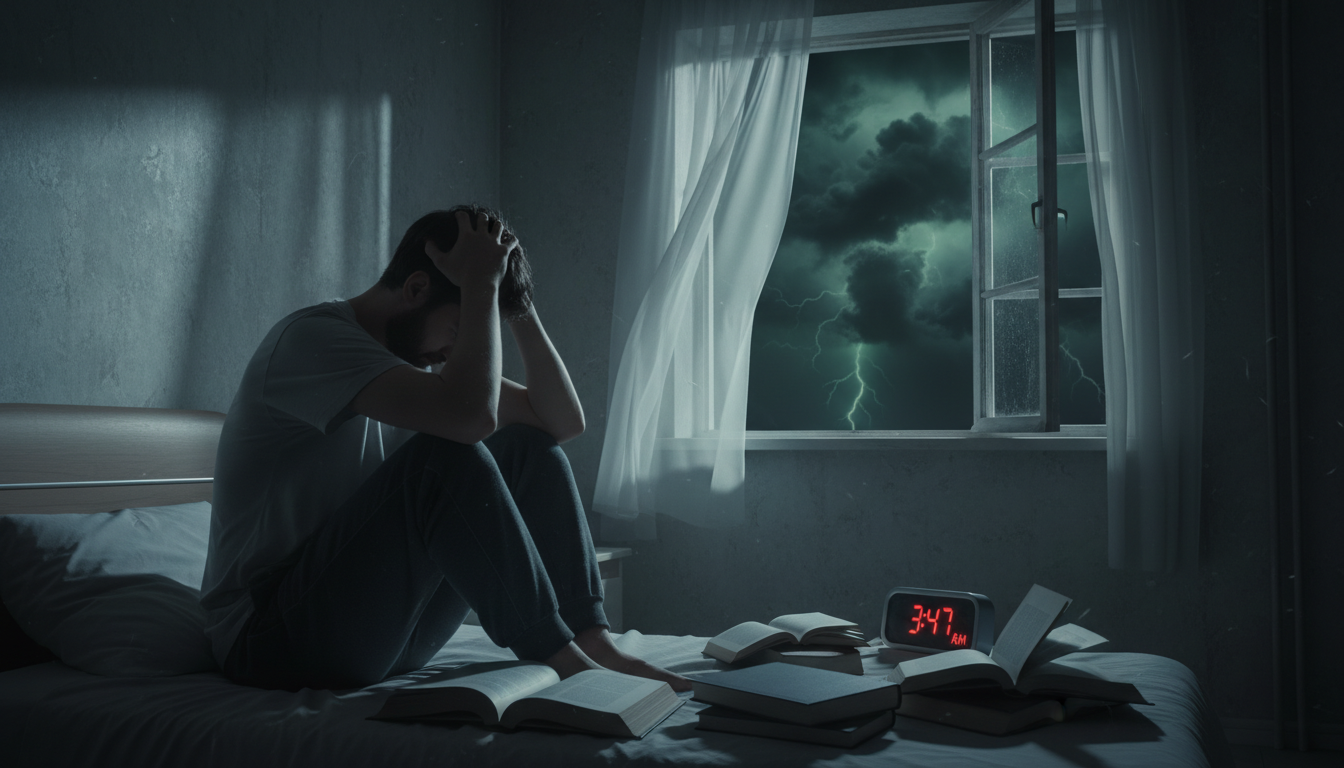
Feeling worried when it gets dark is common. Our minds often race when we try to sleep. Many people wonder why they feel increased tension after dark.
Stress, past trauma, or insomnia can cause this. Without daytime distractions, our brains focus on fears or worries. We might feel more stressed at night as we think about life’s challenges.
We will look into why these feelings grow before bed. We’ll share ways to manage them, from relaxation to medical advice. Let’s find ways to improve our sleep and well-being.
Key Takeaways
- Daily stress and past trauma often fuel evening restlessness.
- Fewer distractions make it easier for brains to focus on lingering fears.
- Physical symptoms like a racing heart can prevent reaching deep rest.
- Deep breathing and muscle relaxation techniques offer immediate relief.
- Professional therapy helps individuals address long-term mental patterns.
- Establishing a solid evening routine improves overall sleep quality.
Understanding Why Anxiety Worse at Night Occurs
When the sun goes down, our minds start to work harder. This can make us feel more anxious at night. Many things can make anxiety worse during these hours.
The Role of Cortisol and Circadian Rhythms
Our bodies have a natural rhythm that affects how we feel. This rhythm controls when we feel stressed or calm. For people with anxiety, this rhythm can get mixed up.
High levels of cortisol at night can make anxiety worse. This makes it hard to fall asleep or stay asleep.
Cortisol and anxiety are closely linked. High cortisol at night stops us from relaxing. This can start a cycle where we don’t sleep well, which makes cortisol levels go up, making anxiety worse.
How Reduced Distractions Amplify Anxious Thoughts
During the day, many things distract us from our worries. But at night, our worries seem bigger. Without distractions, our minds focus more on our fears.
- Lack of engagement in daytime activities
- Increased focus on worries due to reduced distractions
- Heightened awareness of anxious thoughts
The Connection Between Fatigue and Anxiety Symptoms
Being tired makes it harder to handle our emotions. This can make us feel more anxious. The fear of not sleeping or worrying about tomorrow can make us even more tired.
Knowing why we feel anxious at night is key to fixing it. By understanding the causes, we can start to feel better and live a better life.
Recognizing Nighttime Anxiety Symptoms
Understanding nighttime anxiety is key to healing. It shows up in many ways. Knowing these helps us manage it better.
Physical Symptoms That Emerge at Night
Nighttime anxiety has its own signs. You might feel headaches, shortness of breath, or restlessness. These can make it hard to relax and sleep.
Here are some common signs:
- Tension headaches
- Rapid heartbeat
- Sweating
- Nausea
| Physical Symptom | Description |
|---|---|
| Tension Headaches | Often described as a band or a squeezing sensation around the head |
| Rapid Heartbeat | Can feel like pounding or fluttering in the chest |
| Sweating | Excessive sweating, especially at night, can be a sign of heightened anxiety |
Mental and Emotional Warning Signs
Nighttime anxiety also shows up in our minds and feelings. You might feel increased worry, fear, or dread. These feelings can be hard to handle at night.
Spotting these signs is important. It helps us find ways to deal with them.
How Sleep Disruption Intensifies Anxiety
Sleep problems can make anxiety worse. Not sleeping well can make us feel more anxious. This creates a cycle we need to break.
Fixing sleep issues can help. Try going to bed at the same time every night. Make your bedroom cozy and relax before bed.
Step-by-Step Techniques for Managing Anxiety at Night
As the day ends, anxiety can rise. But, there are ways to calm your mind and body before sleep. A mix of relaxation, changing your environment, and thinking strategies can help. Follow a simple guide to manage night anxiety and sleep better.
Create a Calming Pre-Sleep Routine
Make a calm routine before bed. It tells your body it’s time to rest. Choose activities that relax you and lower anxiety.
Establishing Consistent Sleep and Wake Times
Go to bed and wake up at the same time every day. This helps your body’s clock. It also lowers anxiety about sleep. For more tips, visit Work Shift Anxiety.
Incorporating Relaxation Activities
Do things like reading, warm baths, or gentle stretches. Avoid screens an hour before bed. They can keep you awake.
Practice Grounding and Breathing Exercises
Grounding and breathing exercises can calm you. They keep your mind on now, away from worries.
The 4-7-8 Breathing Technique
Breathe in for 4 counts, hold for 7, and out for 8. This slows your heart and relaxes you.
Progressive Muscle Relaxation Method
Tense and then relax muscles from toes to head. It releases tension.
Manage Your Sleep Environment
Make your bedroom sleep-friendly. Adjust it to relax you and reduce anxiety triggers.
Optimizing Temperature and Lighting
Keep your room cool, dark, and quiet. Use curtains, earplugs, or a white noise machine for better sleep.
Removing Anxiety Triggers from Your Bedroom
Get rid of things that make you anxious in your room. Like phones or stressful stuff.
Address Racing Thoughts Effectively
Racing thoughts are common at night. Journaling and the worry time technique can help.
Journaling Before Bed
Write down your thoughts and worries before bed. It clears your mind and helps you see patterns.
The Worry Time Technique
Set a time each day to worry. This limits anxiety to that time, not at night.
Long-Term Strategies for Anxiety Relief at Night
Managing nighttime anxiety needs a big plan. We must change our day habits and get help when needed. This way, we can feel better at night.
Daytime Habits That Improve Nighttime Anxiety
What we do during the day affects our sleep and anxiety at night. Regular exercise and balanced nutrition are very important.
Exercise Timing and Its Impact on Sleep
Exercise helps reduce anxiety, but when we do it matters. Doing hard workouts too close to bed can mess up sleep. It’s best to finish workouts a few hours before bed.
“Exercise is great for anxiety, but timing is key to avoid sleep issues,” says a sleep expert. Morning or early afternoon workouts help sleep better and reduce night anxiety.
Nutrition Choices That Support Better Sleep
Eating foods rich in tryptophan, magnesium, and complex carbs helps sleep. Turkey, nuts, and whole grains boost serotonin for better sleep.
Cognitive Behavioral Therapy Techniques for Sleep and Anxiety
Cognitive Behavioral Therapy (CBT) is very effective for anxiety and sleep. It helps change negative thoughts and manage anxiety.
CBT methods like cognitive restructuring and exposure therapy are great for sleep anxiety. A therapist can teach you to beat night anxiety.
When to Seek Professional Help
If anxiety at night keeps coming back, get help. A mental health expert can make a plan just for you. They’ll tackle the root of your night anxiety.
“Seeking help is a sign of strength, not weakness. If you’re struggling with persistent nighttime anxiety, don’t hesitate to reach out to a mental health professional.”
Conclusion
Managing nighttime anxiety needs a full plan. We must know what causes it and how to spot its signs. Then, we use good ways to handle it.
By using many strategies, we can get anxiety relief at night. This helps us sleep better too.
We talked about many ways to fight nighttime anxiety. These include talking therapy, relaxing exercises, and keeping good sleep habits. Adding these to our daily life can lessen anxiety and make us feel better.
Remember, beating anxiety takes time, patience, and help from others. If nighttime anxiety is hard for you, get help from a mental health expert or doctor. With the right help, we can beat nighttime anxiety and sleep well.