

When fall turns cold, we feel a big change inside. Our energy goes down, and we feel sad more often. The short days make us feel tired and heavy.
This feeling is called seasonal affective disorder. It makes us want to do nothing as the sun goes away. We want to learn how to handle these feelings all year.
We want to share anxiety relief tips that fit your life. We also talk about staying well after drinking. Knowing these patterns helps us support each other in the cold months.
Key Takeaways
- Shifting seasons often lead to lower energy and sudden mood changes.
- SAD symptoms usually start in the fall and persist through the winter.
- Reduced sunlight can disrupt your circadian rhythm and serotonin levels.
- Effective treatments include light therapy and regular professional counseling.
- Proactive daily habits are vital for maintaining mental balance in winter.
- Managing alcohol intake helps stabilize your feelings during holiday events.
Understanding Seasonal Anxiety and Its Root Causes
As seasons change, it’s key to know why we feel anxious at certain times. Seasonal anxiety isn’t just feeling anxious when it’s cold or hot. It’s about how our body, environment, and lifestyle mix together.
To really get it, we need to know it’s different from regular anxiety. Regular anxiety can happen anytime, not just with the seasons. But seasonal anxiety is tied to the seasons changing.
What Makes Seasonal Anxiety Different from General Anxiety Disorders
Seasonal anxiety gets worse in certain seasons, like winter. This is different from regular anxiety, which doesn’t follow a seasonal pattern.
Key differences include:
- Temporal pattern: Seasonal anxiety follows a predictable seasonal pattern.
- Trigger factors: The primary triggers are related to seasonal changes, such as reduced sunlight.
- Symptom severity: Symptoms often correlate with the severity of the seasonal change.
The Biological Mechanisms Behind Seasonal Mood Changes
Seasonal anxiety’s roots are complex. It involves how less sunlight affects our brain and the roles of melatonin and serotonin.
How Reduced Sunlight Affects Our Brain Chemistry
Less sunlight in winter changes our brain chemistry. Serotonin levels drop with less sunlight. This can make us feel anxious and sad. Serotonin helps control our mood, hunger, and sleep.

The Role of Melatonin and Serotonin in Seasonal Patterns
Melatonin and serotonin are key for our mood and sleep. Melatonin helps us sleep, and serotonin affects our mood and hunger. Keeping these in balance is important for our mental health with the seasons.
| Neurotransmitter | Function | Impact of Seasonal Change |
|---|---|---|
| Serotonin | Regulates mood, appetite, and sleep | Levels drop with reduced sunlight, potentially leading to anxiety and depression |
| Melatonin | Involved in sleep regulation | Levels may increase with longer nights, affecting sleep patterns |
Environmental and Lifestyle Triggers We Experience
Environmental and lifestyle factors also affect seasonal anxiety. These can include changes in social activities, work, and diet with the seasons.
In winter, we tend to move less and get less sunlight. This can make anxiety worse. Knowing these triggers helps us find ways to deal with seasonal anxiety.
Recognizing the Signs and Symptoms of Seasonal Anxiety
As the seasons change, it’s important to know the signs of seasonal anxiety. This helps us manage it better. Seasonal anxiety shows up in different ways for everyone.
Physical Symptoms That Emerge with Changing Seasons
Seasonal anxiety can cause physical symptoms. You might sleep more or less, feel tired, or eat differently. Some people get a fast heart rate or stomach problems. Spotting these signs early is key.
Emotional and Cognitive Warning Signs
Emotional and thinking symptoms are also signs of seasonal anxiety. You might worry a lot or find it hard to focus. Mood swings or feeling restless are common too. Knowing these signs helps you spot seasonal anxiety.
Behavioral Patterns That Indicate Seasonal Anxiety
Behavioral changes can also show seasonal anxiety. You might avoid things or do too much of something. Spotting these patterns helps tackle the anxiety.
Distinguishing Seasonal Anxiety from Seasonal Affective Disorder
It’s important to tell seasonal anxiety apart from Seasonal Affective Disorder (SAD). SAD makes you feel sad, tired, or hopeless. Knowing the difference helps in finding the right way to feel better.
Winter SAD makes you sleep a lot and eat too much. Summer SAD makes you sleep poorly and eat less. Knowing these helps you find the right help.
Evidence-Based Methods for Managing Seasonal Anxiety
Seasonal anxiety can be tough. We need good ways to feel better. Making lifestyle changes, trying therapy, and using special devices or supplements can help. These methods can make our mental health better with the seasons.
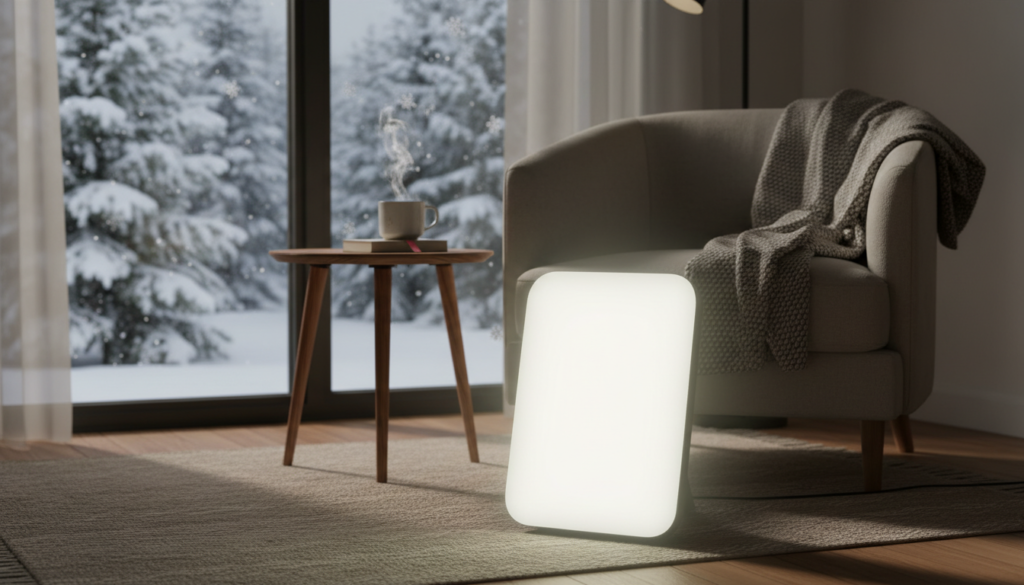
Step 1: Implement Light Therapy in Your Daily Routine
Light therapy helps with Seasonal Affective Disorder (SAD) and anxiety. It means using a bright light box or a portable light for a bit each day.
Selecting Appropriate Light Therapy Devices
Choosing the right light therapy device is important. Look for one that gives 10,000 lux. It should be made for SAD or light therapy and tested well.
Best Practices for Timing and Duration
When and how long we use light therapy matters. Use it in the morning for 30 minutes. Doing it at the same time every day helps our body clock.
Step 2: Optimize Your Sleep-Wake Cycle
Keeping a regular sleep schedule is key for anxiety. Bad sleep can make anxiety worse and hurt our mental health.
Setting Consistent Sleep Schedules Despite Daylight Changes
Stick to a sleep schedule, even when daylight changes. Go to bed and wake up at the same time every day. This keeps our body clock steady.
Creating a Sleep Environment That Supports Regulation
Our bedroom affects our sleep. Make it dark, quiet, and cool. Use blackout curtains or a white noise machine if needed.
Step 3: Design a Season-Appropriate Exercise Program
Exercise helps with anxiety and can change with the seasons.
Maximizing Outdoor Activity During Lighter Months
Use more daylight for outdoor activities. Walking, jogging, or cycling is great. For more tips, visit Work Shift Anxiety.
Effective Indoor Alternatives for Darker Seasons
Switch to indoor exercises in darker seasons. Yoga, Pilates, or swimming keeps us fit and calm.
Step 4: Modify Your Diet and Consider Targeted Supplements
What we eat affects our anxiety. Some foods and supplements can help.
Using these methods daily can help manage seasonal anxiety. It’s about finding the right mix and sticking to it.
Building Our Long-Term Resilience Against Seasonal Transitions
To manage seasonal anxiety, we need to build long-term resilience. This means using many strategies like planning, mindfulness, and getting support. We also need to keep an eye on our mental health.
Developing Your Personalized Seasonal Preparedness Plan
First, make a plan that fits you. Think about what you need, what makes you anxious, and how to cope. Knowing how seasons affect you helps you make good plans.
If winter makes you anxious, your plan might include light therapy. You could also plan social activities and learn to manage stress.
Practicing Mindfulness Techniques for Seasonal Stress
Mindfulness helps reduce stress and anxiety from seasons. It keeps us focused on the present. This reduces bad thoughts and feelings.
Breathing Exercises for Immediate Anxiety Relief
Breathing exercises are simple but powerful for anxiety. Diaphragmatic breathing calms the nervous system and reduces feeling overwhelmed.
To do diaphragmatic breathing, sit straight with your back. Put one hand on your belly and the other on your chest. Breathe in deeply through your nose, letting your belly rise. Then, breathe out slowly through your mouth, feeling your belly fall.
Cognitive Reframing Strategies for Seasonal Thoughts
Cognitive reframing changes negative thoughts that cause anxiety. Learning to see things in a better light helps our mental health.
For example, instead of thinking “I’ll never cope with this winter,” say “I’ve handled tough winters before. With my plan, I’ll get through this one too.”
Strengthening Our Social Connections Year-Round
Social support is key for managing seasonal anxiety. Keeping strong connections all year helps us get through tough times.
Join groups, volunteer, or stay in touch with loved ones. Strong social ties give us emotional support, help, and a sense of belonging. These are vital for staying strong.
| Social Connection Strategies | Benefits |
|---|---|
| Joining social groups or clubs | Expands social network, shared activities |
| Volunteering | Provides sense of purpose, meets like-minded individuals |
| Regular check-ins with friends and family | Maintains relationships, emotional support |
Monitoring Progress and Adapting Strategies Seasonally
It’s important to watch how we’re doing and change our plans as needed. This means tracking our mood and anxiety, finding what triggers them, and adjusting our ways to cope.
Tools for Tracking Mood and Anxiety Patterns
There are many tools for tracking mood and anxiety. You can use apps, journals, or spreadsheets. These help us see patterns and get ready for hard times.
Knowing When to Adjust Your Approach
It’s crucial to know when our current ways aren’t working. If our anxiety goes up or our coping doesn’t work, it’s time to try something new or get more help.
By being proactive and flexible, we can build strong resilience. This helps us deal with seasonal changes more easily and confidently.
Conclusion
Understanding seasonal anxiety is key. Knowing its causes and signs helps us manage it better. Light therapy, good sleep, and exercise can help a lot.
Building resilience means having a plan for each season. Mindfulness and strong social ties are also important. These help us feel better, not just in winter.
By being proactive, we can handle seasonal changes well. We keep our well-being up all year long.