
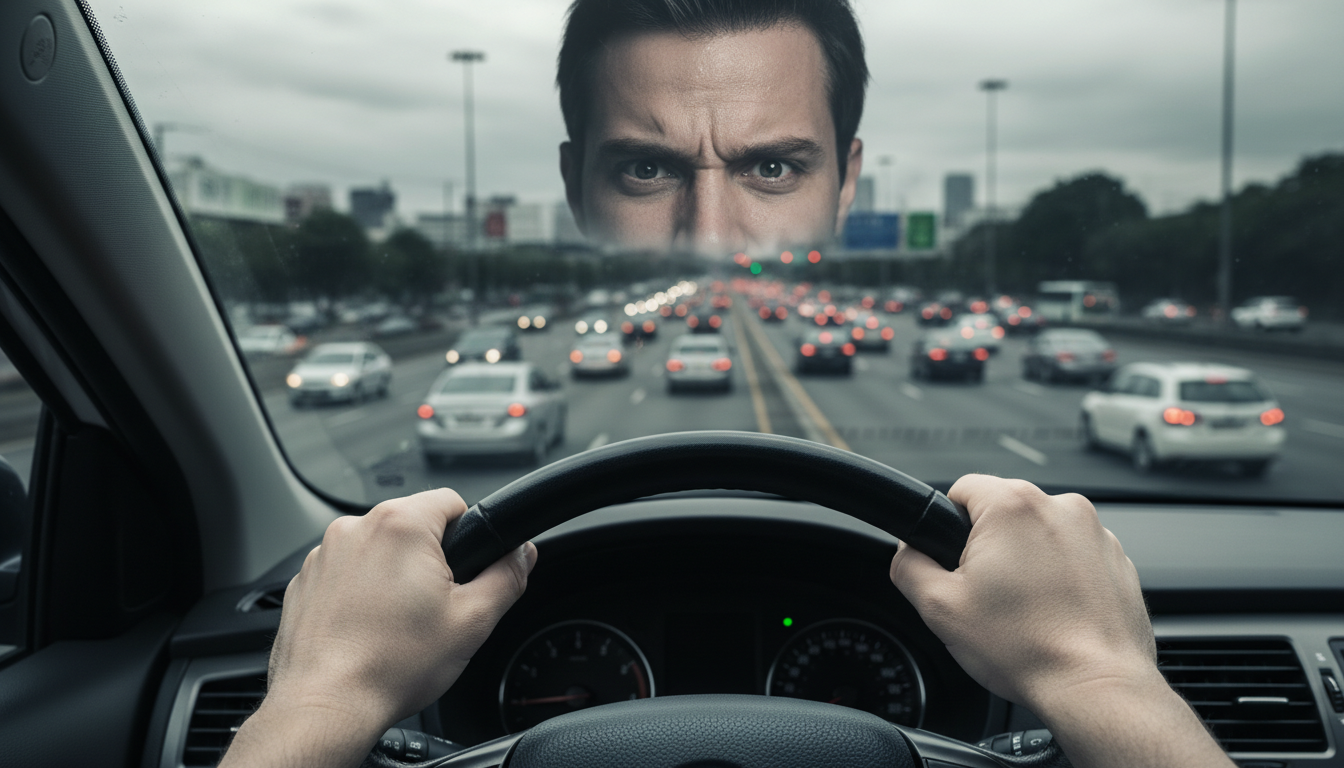
Many people feel nervous when driving. This stressful condition can turn simple trips into big challenges. It takes away your freedom and confidence on the road.
Several things can make you feel uneasy while driving. Past accidents or stressful traffic jams can cause long-term fear. For some, health issues make them feel unsafe in cars.
We have a guide to help you feel calm again. We’ll show you how to spot physical signs and stay calm. With the right tools and practice, you can stay relaxed and focused.
Overcoming these feelings takes time and the right strategies. We’re here to help you manage these moments. Let’s find ways to make your drives enjoyable again.
Key Takeaways
- Recognize early signs of panic.
- Identify common triggers on the road.
- Learn breathing techniques for calmness.
- Understand the impact of past experiences.
- Develop a personalized safety plan.
- Practice gradual exposure to build confidence.
Understanding Driving Anxiety and Its Effects
Driving anxiety is a big worry for many, even though it’s not in the DSM-5-TR. It’s linked to fears of driving, like amaxophobia or vehophobia. The National Institute of Mental Health (NIMH) says 12.5% of adults in the U.S. have specific phobias.
What Is Driving Anxiety?
Driving anxiety is fear or worry when driving or thinking about it. It can be mild or very scary. Experts say it can come from past experiences, general anxiety, or specific driving situations.
How Common Is This Condition?
Driving anxiety isn’t in the DSM-5-TR, but specific phobias are common. The NIMH says 12.5% of adults in the U.S. will have a specific phobia. Driving anxiety is a big part of this. For more info, visit Medical News Today.
The Impact on Your Daily Life and Independence
Driving anxiety can really affect your life and freedom. It can stop you from going to work, seeing family, or doing social things. This can make you feel alone and need others to drive you.
It’s important to deal with driving anxiety to be independent again and live better.
Understanding driving anxiety is the first step to managing it. We need to know the signs, what triggers it, and how to cope.
Recognizing Your Symptoms
Understanding driving anxiety starts with knowing its signs. It shows up in many ways. It’s key to spot the signs that are yours.
Physical Warning Signs
Physical signs are the first hints of driving anxiety. You might feel your heart race, sweat, or shake. Spotting these signs is the first step to managing anxiety while driving.
Watch out for these physical signs:
- Tachycardia or irregular heartbeat
- Excessive sweating
- Trembling or shaking
- Nausea or stomach discomfort
Emotional and Cognitive Symptoms
Emotional and cognitive symptoms can be tough too. You might feel intense fear or worry about driving. Or, you might feel overwhelmed when driving. For more help, check out anxiety management resources.
Look out for these emotional and cognitive signs:
- Intense fear of driving or being on the road
- Persistent worry about potential accidents or hazards
- Feelings of dread or panic when anticipating driving
Behavioral Patterns to Identify
Behavioral changes can also show driving anxiety. You might avoid certain routes or feel the need to control while driving. Or, you might always drive with someone for comfort. For tips for driving anxiety, check out blogs on driver anxiety recovery.
| Behavioral Pattern | Description |
|---|---|
| Avoidance | Avoiding certain routes or driving situations due to anxiety |
| Need for Control | Feeling a strong need to control the driving environment |
| Companion Preference | Preferring to drive with a companion for comfort and reassurance |

Identifying Your Personal Triggers
To manage driving anxiety, find out what makes you anxious. Knowing what causes your anxiety helps you find ways to deal with it. Think about your past, what makes you anxious while driving, and how your anxiety affects you.
Past Accidents or Traumatic Experiences
Being in a car accident can make you anxious about driving. Traumatic events can leave a lasting impact. It’s important to see how these events affect your driving.
For many, remembering a past accident makes them anxious while driving. Acknowledging the impact of these experiences is the first step to feeling better and more confident while driving.
Specific Driving Scenarios That Cause Fear
Some driving situations can make you anxious, like driving on highways or in heavy traffic. Identifying these scenarios helps you prepare and find ways to manage your anxiety.
By knowing what makes you anxious, you can face these situations slowly. This helps you build confidence and reduce anxiety over time.
Connection to General Anxiety Disorders
For some, driving anxiety is part of a bigger anxiety problem. Generalized anxiety disorder (GAD) can make driving anxiety worse. It’s important to tackle overall anxiety to manage driving fears better.
Seeing how driving anxiety relates to general anxiety disorders helps you get the right support. It also helps you find a better way to manage your anxiety.
Preparing Yourself Before Driving
Before you drive, get ready mentally and physically. This helps lower your stress and makes driving fun. We’ll show you how to get ready and drive with confidence.
Mental Preparation Strategies
Mental prep is key to beating driving anxiety. The right methods can calm your mind and help you focus. Try Deep Breathing Exercises and Positive Visualization Techniques.
Deep Breathing Exercises
Deep breathing calms your nerves and lowers stress. Sit comfortably, breathe in deeply, hold, and then breathe out slowly. Do this a few times before driving to relax.
Positive Visualization Techniques
Imagine yourself driving well and safely. Picture the road, your surroundings, and yourself driving smoothly. This boosts your confidence and lessens anxiety.
Physical Readiness Steps
Being physically ready is just as important as mentally. Make sure you’re comfortable and alert. This includes Ensuring Adequate Sleep and Managing Caffeine Intake.
Ensuring Adequate Sleep
Enough sleep is vital for safe driving. It helps you react faster and think clearer. Get a good night’s sleep before driving a lot.
Managing Caffeine Intake
Caffeine can give you a quick energy boost. But too much can make you shaky and anxious. Watch your caffeine intake, especially when driving.
Creating a Comfortable Vehicle Environment
Your car’s setup affects your comfort and anxiety. Make sure the seat, mirrors, and temperature are just right. A comfy car reduces distractions and anxiety.
Managing Anxiety While Driving: Immediate Techniques
When you feel anxious while driving, quick techniques can help a lot. These methods are easy to use and fit into your driving routine.
The 4-7-8 Breathing Technique
The 4-7-8 breathing is great for calming down. Breathe in for 4 counts, hold for 7, and breathe out for 8. It slows your heart and calms you.
Progressive Muscle Relaxation at Stoplights
Progressive muscle relaxation is another good way to relax while driving. Tense and then relax different muscles, starting from your toes to your head. It releases tension and makes you feel calm.
Grounding Methods for Panic Moments
Grounding techniques help you stay in the moment. They distract you from worries. Two good methods are the 5-4-3-2-1 sensory technique and positive affirmations.
The 5-4-3-2-1 Sensory Technique
The 5-4-3-2-1 technique makes you notice your surroundings. Look for 5 things you see, 4 things you touch, 3 things you hear, 2 things you smell, and 1 thing you taste. It takes your mind off anxiety.
Positive Affirmations and Self-Talk
Positive affirmations can also help. Say calming things to yourself, like “I am capable and safe.” It fights off negative thoughts and boosts your confidence.
Using Music and Audio to Stay Calm
Listening to calming music or audio can also help. Make a playlist of soothing tunes or listen to guided meditations for driving. It makes the car feel more relaxing.
Let’s look at how these techniques work:
| Technique | Immediate Effect | Long-term Benefit |
|---|---|---|
| 4-7-8 Breathing | Reduces heart rate and calms the nervous system | Enhances overall relaxation response |
| Progressive Muscle Relaxation | Releases physical tension | Increases body awareness and relaxation |
| Grounding Techniques | Distracts from anxious thoughts | Improves ability to stay present |
| Calming Music/Audio | Creates a relaxing atmosphere | Associates driving with relaxation |
Building Confidence Through Step-by-Step Exposure
Building confidence while driving is possible with a step-by-step plan. This plan helps you face driving situations that make you anxious. Over time, you’ll feel more comfortable and confident.
Step 1: Start with Short, Low-Stress Routes
Start with routes you know well and have little traffic. This could be around your neighborhood or quiet streets. It’s important to feel safe and in control.
Step 2: Practice During Off-Peak Hours
Driving during off-peak hours is less stressful. Try driving early morning or late evening. It’s less busy and lets you focus on driving.
Step 3: Gradually Increase Distance and Complexity
As you get more comfortable, drive on busier streets and through intersections. Make turns at busy crossroads too. This helps you get better at driving.
Adding Highway Driving
When you’re ready, try driving on highways. Start with short parts and get longer. It’s challenging but gets easier with practice.
Driving in Different Weather Conditions
Driving in rain, snow, or fog is tough. But practicing in different weather makes you a better driver. Start with light rain or cloudy days and get tougher.
Step 4: Drive with a Trusted Support Person
Driving with someone you trust is helpful. They can guide you, help in tough spots, and make you feel better.
Step 5: Track and Celebrate Your Progress
Write down your driving experiences. Celebrate every small win. Seeing your progress motivates you to keep getting better.
By slowly facing different driving situations, you can beat driving anxiety. Remember, it’s all about taking small steps and practicing often.
Creating Your Long-Term Coping Strategy
To manage driving anxiety, make a plan just for you. This plan should include help from experts, regular practice, and strategies that fit your needs.
Knowing When to Seek Professional Help
It’s important to know when to ask for help with driving anxiety. Experts can use treatments like Cognitive Behavioral Therapy (CBT) and exposure therapy.
Cognitive Behavioral Therapy Benefits
CBT is great for driving anxiety. It helps you change negative thoughts that make you scared. By fixing these thoughts, CBT helps you find better ways to cope.
“Cognitive-behavioral therapy has been shown to be effective in reducing driving anxiety by helping individuals confront and manage their fears.”
Exposure Therapy and Virtual Reality Options
Exposure therapy makes you face your fears little by little. Virtual reality (VR) technology makes this safe and controlled.
| Therapy Type | Description | Benefits |
|---|---|---|
| Cognitive Behavioral Therapy (CBT) | Identifies and changes negative thought patterns | Reduces anxiety by addressing root causes |
| Exposure Therapy | Gradual exposure to feared driving situations | Builds confidence and comfort |
| Virtual Reality (VR) Exposure | Controlled environment for exposure therapy | Safe and immersive experience |
Maintaining Consistent Driving Practice
Driving regularly helps you get better and feel more confident. Set goals and drive more often.
Developing Your Personal Anxiety Action Plan
Make a plan for your anxiety. It should have ways to cope, what to do in emergencies, and who to call. Make it fit your needs for the best results.
- Identify your triggers and coping strategies
- Establish a support network
- Practice relaxation techniques regularly
Connecting with Support Groups and Online Communities
Join groups or forums to meet others with similar issues. Sharing stories and advice helps a lot.
With professional help, regular practice, and a plan made just for you, you can beat driving anxiety. This will make you feel better overall.
Conclusion
Overcoming driving anxiety is a journey. It needs understanding, recognition, and good ways to cope. By knowing how driving anxiety affects us, we can start to feel better.
We looked at many ways to deal with driving fear. These include getting ready mentally and physically. We also talked about breathing and relaxing muscles.
Building confidence is key. We can do this by facing driving little by little. Having a plan to deal with anxiety long-term is also important.
Being patient and kind to ourselves is crucial. By practicing driving and making a plan, we can feel more confident. Keep working on your driving anxiety and celebrate your small wins.
With time and effort, we can feel less anxious while driving. Using the tips from this article can help you start feeling more calm and confident on the road.