
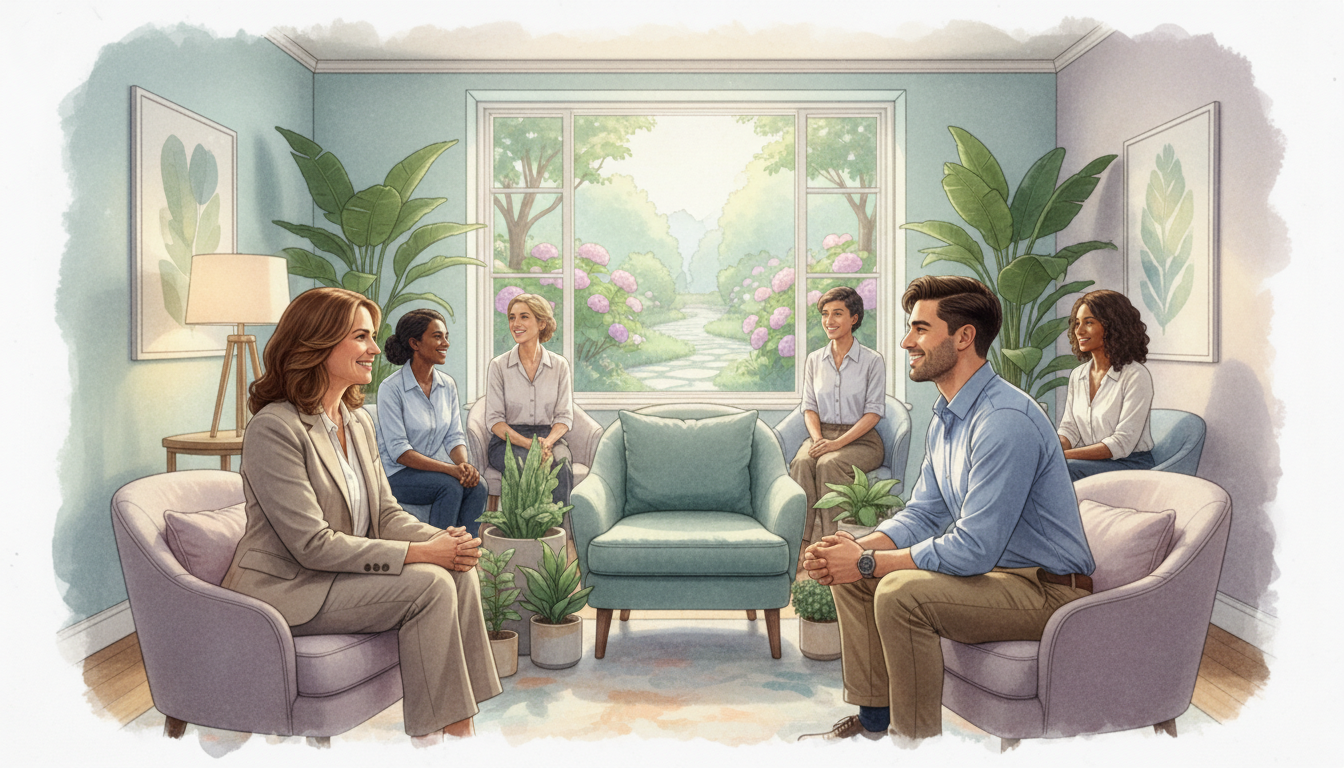
Have you ever felt trapped in a cycle where racing thoughts meet a crushing sense of dread? We believe understanding bipolar and anxiety is the first step toward healing our community.
These states often collide, creating a unique challenge for many families. About half of folks facing these mood swings also deal with comorbid worry disorders during their lives. This connection impacts how people function at home or work.
Effective management requires us to treat every symptom as part of a larger whole. By recognizing these patterns, we empower ourselves plus our loved ones. We strive to provide clarity for those navigating mental health hurdles.
Key Takeaways
- Dual diagnosis affects nearly 50% of patients.
- Mood stabilization plus stress relief are equally vital.
- Early screening improves long-term wellness.
- Professional care paths help manage complex symptoms.
- Support networks provide a safety net for recovery.
- Comprehensive care leads to better life outcomes.
What is Bipolar Disorder?
Bipolar disorder makes people feel very happy or very sad. It changes how they feel and act. It affects their energy and how they do things every day.
Definition and Overview
Bipolar disorder makes people feel very happy or very sad. Manic episodes are when they feel too happy. Depressive episodes are when they feel too sad.
When they’re manic, they might feel very energetic and want to do lots of things. When they’re depressed, they might feel tired and not want to do anything. These feelings can make it hard to live and get along with others.
Types of Bipolar Disorder
There are different kinds of bipolar disorder. Here are a few:
- Bipolar I Disorder: Has manic episodes and sometimes sad episodes.
- Bipolar II Disorder: Has sad episodes and happy but not too happy episodes.
- Cyclothymic Disorder (Cyclothymia): Has happy but not too happy and sad feelings for two years. But it’s not as bad as the other kinds.
| Type of Bipolar Disorder | Characteristics |
|---|---|
| Bipolar I Disorder | Manic episodes, often with depressive episodes |
| Bipolar II Disorder | Depressive episodes and hypomanic episodes |
| Cyclothymic Disorder | Periods of hypomanic and depressive symptoms for at least two years |
Knowing the different types helps doctors find the right treatment. Each type needs a special plan to help the person feel better.
The Nature of Anxiety
It’s key to know about anxiety when you have bipolar disorder. Anxiety can really hurt your mental health. It’s common in people with bipolar and makes treatment very important.
Understanding Anxiety Disorders
Anxiety disorders are a group of mental health issues. They cause too much fear, anxiety, and trouble with how you act. These can make it hard to live your daily life.
For those with bipolar, anxiety is extra tough. Studies show anxiety and bipolar often go together (Work Shift Anxiety).
Common Symptoms of Anxiety
Anxiety symptoms can be different for everyone. But, they often include too much worry, fear, or anxiety that’s hard to stop. You might also feel your muscles tense up or have trouble sleeping.
Here’s a table that shows some common anxiety symptoms:
| Symptom Category | Common Symptoms |
|---|---|
| Psychological Symptoms | Excessive worry, fear, anxiety, irritability |
| Physical Symptoms | Trembling, muscle tension, sleep disturbances, rapid heartbeat |
| Behavioral Symptoms | Avoidance behaviors, restlessness, difficulty concentrating |
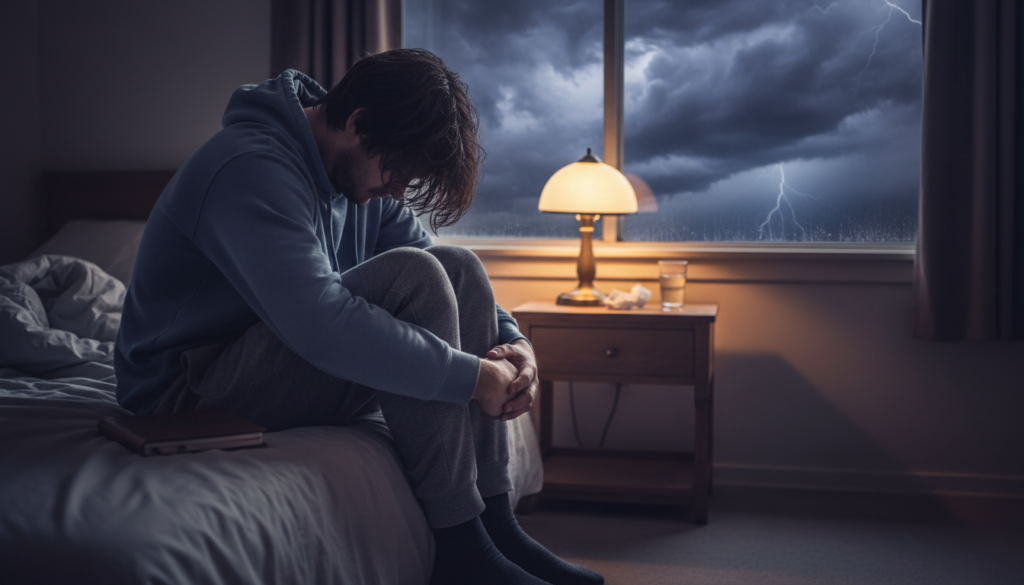
Knowing these symptoms is the first step to managing anxiety with bipolar. Understanding anxiety helps you find the right treatment and ways to cope.
The Connection Between Bipolar Disorder and Anxiety
It’s important to understand how bipolar disorder and anxiety are connected. This connection affects how we treat these conditions. Studies show that people with bipolar disorder often have anxiety too. This can make treatment harder.
Interaction
Anxiety and bipolar disorder affect each other in many ways. Anxiety can make bipolar symptoms worse. At the same time, bipolar can make anxiety worse too. This makes treating both conditions very tricky.
To manage both, we need to treat them together. Integrated treatment plans work well. For example, cognitive-behavioral therapy (CBT) helps with anxiety in people with bipolar.
Dealing with bipolar and anxiety needs a big plan. This plan includes lifestyle changes like exercise and eating right. These changes help with both conditions and make you feel better.
Shared Symptoms and Challenges
Bipolar and anxiety share some symptoms like feeling restless and having trouble sleeping. It’s hard to tell if these symptoms are from one condition or both. This makes diagnosing tricky.
| Symptom | Bipolar Disorder | Anxiety Disorder |
|---|---|---|
| Restlessness | Common during manic or mixed episodes | Frequent symptom across various anxiety disorders |
| Difficulty Concentrating | Can occur during depressive or manic episodes | Often reported in individuals with anxiety |
| Sleep Disturbances | Common across all mood episodes | Frequently associated with anxiety disorders |
Having both bipolar disorder and anxiety makes treatment hard. Doctors must carefully look at both conditions to make a good treatment plan.
Diagnosing Bipolar Disorder and Anxiety
Diagnosing bipolar disorder and anxiety needs a careful check by a mental health expert. Getting it right is key because it affects how well treatment works.
Importance of a Professional Evaluation
A mental health pro does a deep dive. They look at your medical history, fill out questionnaires, and might talk to family or friends. This helps them really get to know you.
Key parts of a professional check-up are:
- Clinical interviews
- Diagnostic questionnaires
- Watching how you act and feel
- Looking at your medical history
Diagnostic Criteria
The DSM-5 sets out rules for diagnosing bipolar disorder and anxiety. For bipolar, they look for manic or hypomanic episodes. These often switch with sad times.
Anxiety disorders are diagnosed by looking at too much fear and anxiety and how it affects you.
| Condition | Diagnostic Criteria |
|---|---|
| Bipolar Disorder | Manic or hypomanic episodes, often with sad times |
| Anxiety Disorders | Too much fear and anxiety, and how it affects you |
Knowing how to diagnose is key for those with 
By using a deep check and the DSM-5 rules, experts can give a correct diagnosis. This is important for making a treatment plan that fits you. It helps with both bipolar disorder and anxiety.
Treatment Options for Co-occurring Conditions
Dealing with bipolar disorder and anxiety together needs a big plan. This plan should help both conditions. It includes talking therapy, medicine, and changes in lifestyle.
Psychotherapy Approaches
Talking therapy is key for managing both bipolar disorder and anxiety. Some good ways include:
- Cognitive Behavioral Therapy (CBT), which helps change bad thoughts and actions.
- Dialectical Behavior Therapy (DBT), which teaches skills to handle feelings.
- Family-Focused Therapy, which gets family involved to help communication and support.
These therapies can be adjusted for each person. They give the tools to handle symptoms and live better.
Medication Management
Medicine is a big part of treating both conditions. It aims to keep mood stable and lessen anxiety.
| Medication Type | Primary Use | Benefits |
|---|---|---|
| Mood Stabilizers | Bipolar Disorder | Helps keep mood steady, lowers chance of mood swings. |
| Antidepressants | Anxiety and Depression | Helps with anxiety and depression symptoms. |
| Anti-anxiety Medications | Anxiety | Gives quick relief from anxiety. |
It’s important to watch how medicine works with a doctor. This helps find the best treatment with few side effects.
Lifestyle Changes and Self-Care
Along with therapy and medicine, lifestyle changes and self-care are crucial. Regular exercise, a healthy diet, and enough sleep help a lot.
Adding stress-reducing activities like mindfulness and meditation to daily life is good. It helps with anxiety and makes life better.
By using all these methods, people with bipolar disorder and anxiety can manage their symptoms better. This improves their life a lot.
Coping Strategies for Individuals and Families
For those with bipolar disorder and anxiety, a strong support system is key. Stress reduction techniques can make a big difference. Managing these conditions needs a team effort from both individuals and their families.
Building a Support System
Creating a support network is vital for those with bipolar disorder and anxiety. Support from family and friends is very important. Here’s how to build a strong support system:
- Encourage talking about feelings and needs.
- Teach family about bipolar disorder and anxiety.
- Join support groups for advice and shared experiences.
Professional help is also crucial. Therapists offer strategies and therapies that fit your needs.
Stress Reduction Techniques
Stress can make bipolar disorder and anxiety worse. So, it’s important to find ways to reduce stress. Here are some tips:
- Cognitive-behavioral therapy (CBT) helps change negative thoughts.
- Relaxation techniques like deep breathing or yoga can help.
- Regular exercise can also reduce stress and improve mood.
Using these strategies, individuals and families can handle the challenges of bipolar disorder and anxiety better.
Stigma Surrounding Mental Health Issues
Even though we know more about mental health, stigma is still a big problem. It stops people from getting help for bipolar disorder and anxiety. This makes their conditions worse.
Stigma is not just a personal issue. It’s also a big problem in our society. It comes from how we talk, what we see in the media, and what we hear from others. Stigma can make people feel alone, hurt their self-esteem, and lower their quality of life.
Societal Perceptions
How society sees mental health is very important. Wrong ideas and stereotypes about bipolar disorder and anxiety can cause fear and unfair treatment. For example, people with bipolar disorder are often seen as unpredictable or violent. Those with anxiety are sometimes thought of as weak or too sensitive.
- Wrong ideas about mental health lead to stigma.
- Stereotypes and prejudices change how people with mental health issues are seen and treated.
- Learning and talking about mental health can change how society sees it.
Importance of Open Conversations
Talking openly about mental health helps reduce stigma. When people share their stories, it helps clear up wrong ideas. Open talks can also make others feel brave to share, creating a supportive community.
Here are some ways to start open conversations:
- Share your own story and struggles.
- Join in on public talks and forums.
- Support campaigns that raise awareness about mental health.
By working together, we can make a place where people feel safe to talk about their mental health. This is key to understanding bipolar and anxiety better. It helps improve the lives of those dealing with these conditions.
Resources for Further Information and Support
People and families with bipolar disorder and anxiety can get help. Knowing about these conditions is key. Finding the right support is a big step in managing them.
Organizations and Hotlines
Many groups help with bipolar and anxiety. The National Alliance on Mental Illness (NAMI) and the Anxiety and Depression Association of America (ADAA) are examples. They offer hotlines, support groups, and educational materials.
Recommended Reading and Online Resources
There are many online resources and books to learn more. The National Institute of Mental Health (NIMH) website is great for info on bipolar and anxiety. Books like “The Bipolar Disorder Survival Guide” by David J. Miklowitz also help.
Using these resources can help people understand their conditions better. It can also help them find the support they need to live well.