Have you ever felt like a heavy fog has settled over your life? It makes it hard to see the path ahead. Many of us face times when we don’t feel like ourselves.
It’s hard to know why our mood changes or why we feel always on edge. Stress anxiety depression are common issues that affect our daily lives and happiness. When we’re not feeling well, finding the exact cause can be tough.
Focusing on mental health wellness is key to a balanced life. We aim to guide you through the confusion many feel. Gaining clarity about our emotions helps us move forward with confidence and strength.
Key Takeaways
- Identify the unique signs of different emotional challenges.
- Recognize how common mental conditions can overlap.
- Understand the impact of these issues on daily productivity.
- Learn the importance of early detection for recovery.
- Discover how to build a stronger sense of internal balance.
- Explore ways to support others through informed compassion.
What is Stress and How Does It Affect Us?
Stress is important to know about because it affects our health and happiness. It happens when we face tough situations, like work or school. It can make us feel overwhelmed, tired, or moody.
Understanding the Biological Response
When we’re stressed, our body gets ready to fight or run away. It releases hormones like cortisol and adrenaline. This is meant to be short-term, but too much stress can harm our health.
Common Triggers of Stress
Many things can cause stress, like work or money problems. Finding out what stresses us is key to managing it. Common causes include tight deadlines, feeling out of control, or big life changes.
| Common Stress Triggers | Examples |
|---|---|
| Work-related | Tight deadlines, lack of control, office conflicts |
| Financial | Debt, financial insecurity, job loss |
| Personal | Relationship issues, health problems, significant life changes |
Short-term vs. Long-term Stress
Stress can be short-term or long-term. Short-term stress comes from immediate problems and goes away when solved. Long-term stress lasts a long time and can cause serious health problems. Knowing the difference helps us manage stress better.
By understanding the types of stress, we can choose the right ways to cope with them.
The Connection Between Stress and Anxiety
It’s important to know how stress and anxiety are linked. Stress can lead to anxiety if it lasts too long or is very strong. This link involves our body, mind, and the world around us.
How Stress Can Lead to Anxiety
Stress makes our body’s “fight or flight” response kick in. This releases stress hormones like cortisol and adrenaline. But, if stress is always there, our body can’t calm down easily. This makes us more sensitive to stress and can cause anxiety.
For example, someone stressed at work might feel anxious about simple things. Their body stays alert all the time. It’s key to notice stress signs early and get help to avoid anxiety. Getting support is a big step in managing stress and stopping anxiety.
Symptoms of Anxiety Disorders
Anxiety disorders show up in different ways. It’s important to spot the signs early. Common symptoms include:
- Feeling worried or scared about normal things
- Being restless or feeling on edge
- Having trouble focusing
- Feeling tense or having muscle aches
- Feeling sick to your stomach or very tired
These symptoms can really affect our daily life. They can mess with our relationships, work, and how we feel overall. Spotting these signs is the first step to getting the right mental health support.
Managing Anxiety Related to Stress
There are many ways to handle anxiety caused by stress. Here are a few helpful strategies:
| Strategy | Description |
|---|---|
| Relaxation Techniques | Deep breathing, progressive muscle relaxation, and meditation can help lower stress and anxiety. |
| Physical Activity | Exercise regularly to release endorphins, which make us feel good. |
| Time Management | Managing your time well can reduce stress by helping you focus on what’s important. |
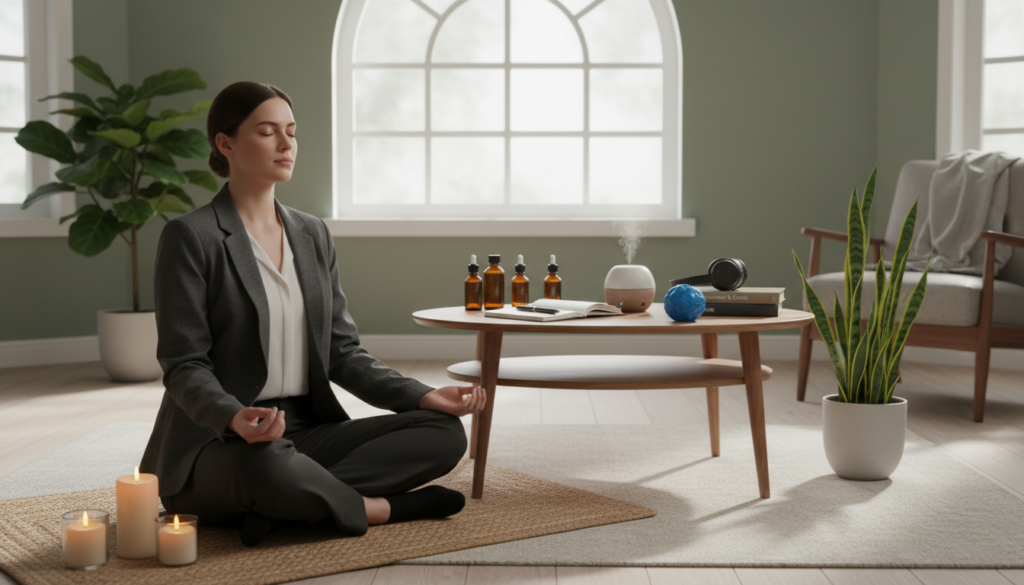
By understanding the link between stress and anxiety, we can manage our anxiety better. This improves our mental health. It’s about taking steps towards a healthier life.
Recognizing the Signs of Depression
Depression is more than feeling sad. It’s a serious condition that affects our emotional well-being and health. It changes how we think, act, and live our lives.
Depression is not just feeling down for a bit. It’s a mood disorder that can really hurt our daily life.
Symptoms of Depression We Should Not Ignore
Some common symptoms of depression include:
- Persistent sadness or feelings of emptiness
- Loss of interest in activities once enjoyed
- Fatigue or loss of energy
- Sleep disturbances, such as insomnia or hypersomnia
- Changes in appetite or weight
- Difficulty concentrating or making decisions
These symptoms can really affect our daily life. It’s important to spot them early to help.
Impact of Depression on Our Lives
Depression can change many parts of our lives, including:
| Area of Life | Impact of Depression |
|---|---|
| Personal Relationships | Strains relationships due to withdrawal or irritability |
| Work or School | Impairs productivity and performance |
| Physical Health | Can lead to neglect of physical health, exacerbating existing conditions |
Knowing these impacts helps us support each other better.
Co-occurring Conditions with Depression
Depression often happens with other mental health issues, like anxiety. It’s important to know this for better treatment.
By understanding depression’s complexity, we can support those affected better.
The Cycle of Stress, Anxiety, and Depression
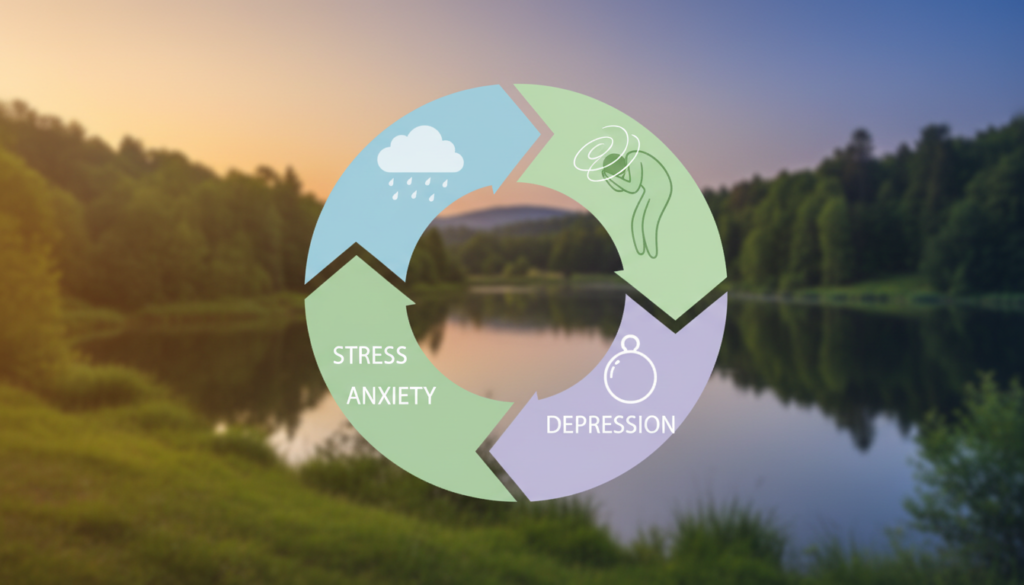
Stress, anxiety, and depression are linked in a complex way. Knowing this helps us improve mental health wellness. Many face these issues together, making it hard to manage their mental state.
Stress can make anxiety worse. Then, anxiety can lead to depression. This cycle is hard to stop because each problem feeds into the others. For example, stress can cause anxiety about the future. Long-term anxiety can make us feel hopeless, a key sign of depression.
Interaction and Amplification
The cycle between these conditions is vicious. Stress can cause anxiety by making us worry. If not handled, anxiety can turn into depression as we feel overwhelmed. It’s important to understand this cycle to find good coping strategies.
Here’s a table to show how these conditions interact:
| Condition | Potential Effects | Coping Strategies |
|---|---|---|
| Stress | Increased anxiety, tension | Relaxation techniques, time management |
| Anxiety | Fear, worry, avoidance behaviors | Mindfulness, exposure therapy |
| Depression | Hopelessness, loss of interest | Cognitive-behavioral therapy, medication |
Breaking the Cycle
To stop the cycle of stress, anxiety, and depression, we need a full plan. We must recognize each condition’s signs and use the right strategies. Starting early is key to stop these problems from getting worse.
Understanding how these conditions work together helps us find better ways to help. For example, managing stress can prevent anxiety. Treating anxiety with mindfulness and therapy can stop depression.
Importance of Early Intervention
Starting early is crucial in dealing with stress, anxiety, and depression. The sooner we tackle these issues, the better the results. Early action can stop these problems from getting worse and improve mental health wellness.
Being proactive and seeking help early can break the cycle. This approach, along with the right coping strategies, can lead to better mental health and happiness.
Strategies for Managing Stress
Learning to manage stress can make our lives better. It’s not the same for everyone. We need different ways to deal with stress. Simple habits can help us feel better every day.
Importance of Time Management
Time management is key to less stress. Too many tasks can make us feel stuck. By focusing on what’s important, we can do more with less stress.
Start by making a list of things to do. Break big tasks into smaller ones. Set times for each task. Saying “no” to things we don’t need to do helps too.
Relaxation Techniques We Can Practice
Relaxation techniques are great for stress. Deep breathing, muscle relaxation, and meditation calm us down. They help us feel better now and in the future.
Mindfulness meditation is easy. It’s about being in the moment. Doing it often can lower stress hormones and make us feel calm.
The Role of Exercise in Stress Relief
Exercise is a big stress fighter. It makes us feel good by releasing happy chemicals. Walking, gym time, or yoga can all help us relax.
It’s not about being a pro athlete. Just a little bit of activity can change our mood. A short walk or some morning stretches can help a lot.
Coping with Anxiety Effectively
Anxiety can feel really tough. But, we can find ways to deal with it. Learning and using these ways can help us feel better.
Practical Strategies for Daily Anxiety Management
To handle anxiety every day, we can use simple tricks. Deep breathing exercises calm our minds. Also, time management helps us feel less stressed.
For more tips on stress, which is linked to anxiety, check out stress management resources. Lowering stress can help with anxiety too.
Mindfulness and Meditation Techniques
Mindfulness and meditation are great for anxiety. They keep us in the moment. This helps us worry less about the future or past.
When to Seek Professional Help
If anxiety is hard to handle, getting help is smart. A mental health expert can guide us. They offer therapy options just for us.
Knowing when to ask for help is key. If anxiety stops us from living our lives, it’s time to get professional help.
Understanding Depression Treatment Options
Depression is a serious but treatable illness. It can be managed with different strategies. The same medicines can help with depression symptoms. Treatment plans are made just for each person.
Therapy Approaches
Therapy is key in treating depression. Many therapies can help people understand and manage their depression. Some top therapies are cognitive-behavioral therapy (CBT), interpersonal therapy (IPT), and psychodynamic therapy.
- Cognitive-behavioral therapy (CBT) helps in identifying and changing negative thought patterns.
- Interpersonal therapy (IPT) focuses on improving communication skills and relationships.
- Psychodynamic therapy explores the underlying causes of depression.
Medications for Depression: What to Know
Medicines are important in managing depression for many. Antidepressants are the most used medicines. They help balance brain chemicals.
| Medication Type | Description | Examples |
|---|---|---|
| SSRIs | Selective serotonin reuptake inhibitors | Fluoxetine, Sertraline |
| SNRIs | Serotonin-norepinephrine reuptake inhibitors | Venlafaxine, Duloxetine |
| TCAs | Tricyclic antidepressants | Amitriptyline, Imipramine |
Lifestyle Changes to Improve Mood
Along with therapy and medicine, lifestyle changes help manage depression. These include regular exercise, a healthy diet, enough sleep, and stress management.
By using these treatment options, people can manage their depression better. This improves their quality of life.
Building a Support System for Well-being
Connecting with others is key for our emotional health. A strong support system helps us deal with stress, anxiety, and depression.
Community and Connection
Being part of our community and making real connections boosts our mental health. We can do this by spending time with family, joining groups, or calling help lines.
Sharing Our Experiences
Talking about our experiences helps us heal. Sharing our stories helps us and supports others. For more on social support, check out this resource from the National Center for Biotechnology Information.
Resources for Help
There are many places to get help and support. From counseling to online forums, we can find what we need to stay emotionally well.