
Ever felt like a heavy weight is on your shoulders? It might be more than just stress. Many of us fight invisible battles alone. About one in six adults face these heavy emotional states.
These struggles can mess up your daily life and happiness. Finding the right therapy is a big step to getting your life back.
Starting our wellness journey is all about small, steady steps. With the help of experts and making lifestyle changes, we can handle our symptoms. Hope is within reach with the right tools.
Key Takeaways
- One in six adults faces these mental health challenges.
- Professional guidance improves long-term recovery odds.
- Daily lifestyle changes support emotional stability.
- Combining medical help with support systems is effective.
- Early intervention helps prevent symptom escalation.
- Personalized care plans cater to individual needs.
Understanding Depression and Anxiety
Depression and anxiety are closely linked. We need to understand them well for better mental health. They are common and connected in many ways.
Defining Depression
Depression is a serious mental health issue. It makes people feel sad, hopeless, and not interested in things. It affects many people, making their lives harder.
Managing depression well means using many methods. This includes talking to a therapist, changing your lifestyle, and sometimes taking medicine.
Defining Anxiety
Anxiety is when someone worries too much and feels scared. It can be a general feeling or a specific fear. It affects both mind and body.
Knowing about anxiety helps us see its big impact. Mindfulness and relaxation are key parts of treating it.
The Connection Between the Two
Depression and anxiety often go together. Studies show that many people with depression also have anxiety.
“The co-occurrence of depression and anxiety can complicate diagnosis and treatment, highlighting the need for a nuanced understanding of their interplay.”
This connection means we need to treat both conditions together. Using holistic methods is crucial for mental wellness.
Learning about depression and anxiety helps us find ways to cope. This knowledge is key for getting the right treatment and improving mental health.
Recognizing Symptoms We Shouldn’t Ignore
It’s important to know the signs of depression and anxiety. We often ignore them, thinking they’ll go away. But finding them early is key to getting help.

Common Symptoms of Depression
Depression shows up in many ways. You might feel sad all the time or lose interest in things you used to like. You might also eat less or sleep more, or have trouble focusing.
Some people get irritable or feel like they’re not worth anything. In bad cases, they might even think about harming themselves. Spotting these signs early can lead us to get the right medication for mood disorders.
Common Symptoms of Anxiety
Anxiety makes us worry too much. We might feel jumpy, have trouble focusing, or not sleep well. Our bodies can also show signs like a fast heartbeat or sweating.
Panic attacks are a big part of anxiety. They make us feel scared or uncomfortable. Knowing what these symptoms are helps us get the right mental health support services.
How to Differentiate Between Them
Depression and anxiety can look similar, but they’re not the same. Depression makes us feel sad and lose interest. Anxiety makes us worry too much.
As the
“National Institute of Mental Health” says, getting a correct diagnosis is very important
. Doctors can tell us if we have one or both. They help us find the best way to feel better.
Professional Treatments Available
Many professional treatments help with depression and anxiety. These options can be adjusted to fit each person’s needs.
Therapy Options: CBT, DBT, and More
Therapy is key in treating depression and anxiety. Cognitive Behavioral Therapy (CBT) helps change bad thoughts and actions. Dialectical Behavior Therapy (DBT) teaches coping skills and emotion management.
Other therapies like psychodynamic, interpersonal, and family therapy also help. Each has its own benefits and focuses.
Medications: Antidepressants and Anxiolytics
Medicines are important for managing depression and anxiety. Antidepressants help with mood, and anxiolytics ease anxiety. Finding the right medicine is crucial.
Combination Approaches: Therapy and Medication
Using therapy and medicine together works best. This way, people get relief from medicines and learn coping skills from therapy.
| Treatment Approach | Primary Benefits | Considerations |
|---|---|---|
| CBT | Identifies and changes negative thought patterns, effective for depression and anxiety | Requires commitment to regular sessions and homework assignments |
| DBT | Develops coping skills, manages emotions, and improves relationships | May require significant time commitment and emotional effort |
| Medications (Antidepressants/Anxiolytics) | Provides symptom relief, can be effective for severe cases | May have side effects, requires monitoring by a healthcare provider |
| Combination Therapy and Medication | Comprehensive approach, symptom relief, and coping strategies | May require more resources (time, money), coordination between healthcare providers |
Natural Remedies and Lifestyle Changes
Lifestyle changes and natural remedies help manage mental health. They make it easier to deal with depression and anxiety.
Exercise
Exercise is key for mental health. It makes us feel better by releasing happy hormones.
Try walking, jogging, cycling, or yoga to feel better. A 30-minute walk a day can really help.
Nutrition
Eating right is important for mental health. Some foods can make us feel happier and less anxious.
| Nutrient | Food Sources | Benefits |
|---|---|---|
| Omega-3 Fatty Acids | Salmon, Walnuts, Chia Seeds | Supports brain health, reduces inflammation |
| Vitamin D | Sunlight, Fatty Fish, Fortified Dairy | Regulates mood, supports bone health |
| Magnesium | Dark Leafy Greens, Nuts, Whole Grains | Relaxes nervous system, improves sleep |
Mindfulness
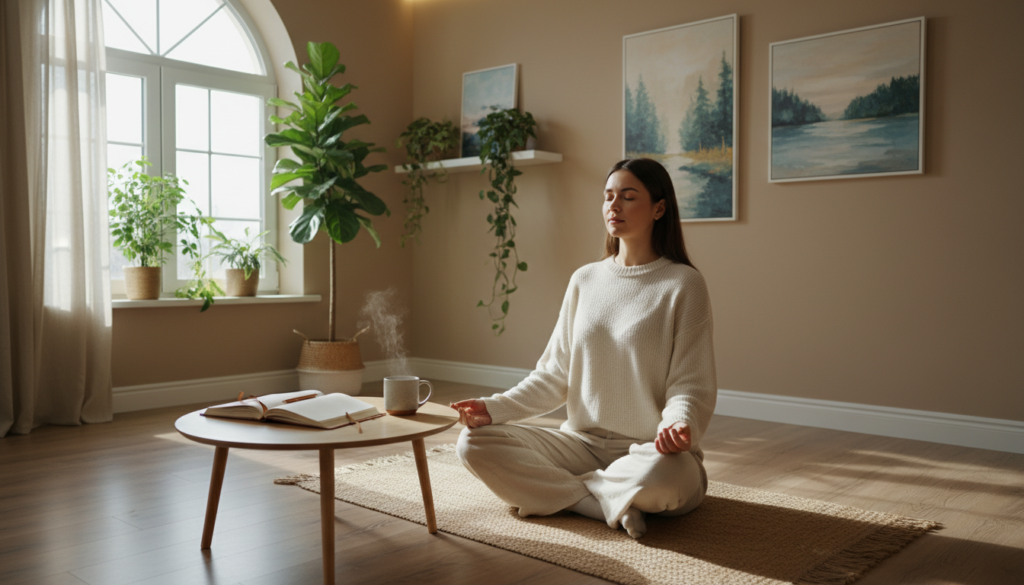
Mindfulness helps us relax and feel better. It includes meditation and deep breathing. These mindfulness techniques for mental health are great for our well-being.
Start with short mindfulness exercises. As you get used to it, you can do more. Regular practice can really help your mental health.
Seeking Help: When and How
Managing depression and anxiety starts with getting the right help. It’s important to know the treatment for depression and anxiety options. We also need to use mental health support services.
When we look for help, we first talk to a healthcare professional. This can be scary, but being ready helps a lot.
Approaching a Healthcare Professional
To talk to a healthcare professional well, we should:
- Make a list of our symptoms and concerns
- Be honest about our mental health history
- Ask questions about the available treatment for depression and anxiety options
Talking about our symptoms is key. Here are some tips for discussing our symptoms well:
- Be as detailed as possible about our experiences
- Mention any changes in mood, appetite, or sleep patterns
- Share any factors that seem to trigger or relieve symptoms
Creating a Support System
Building a support system is also very important. This can include family, friends, support groups, and online resources. A strong support system gives us the mental health support services we need.
Here are some ways to build a support system:
- Join a support group, either online or in-person
- Reach out to trusted friends and family
- Use online resources and forums
By following these steps and using the treatment for depression and anxiety, we can manage our condition better. This improves our life quality.
The Role of Support Groups
Support groups are a big help for those with depression and anxiety. They offer a place to share and learn from others. It’s a safe space to know we’re not alone.
Looking at support groups helps us see how they fit with mental health care. This includes therapy for mental health and holistic approaches to mental wellness.
Finding the Right Support Group for Us
Finding the right support group is key. We can ask our doctor for suggestions or look online. Think about the group’s focus, size, and how it meets our needs.
Benefits of Sharing Our Experiences
Sharing with others who get it is very helpful. It helps us feel and understand our feelings better. This sense of community and connection is very powerful.
Online vs. In-Person Support Groups
Online and in-person groups have their own benefits. In-person groups give us a sense of community. Online groups are flexible and easy to access. Choose what fits our lifestyle best.
Here’s a comparison of online and in-person support groups:
| Feature | Online Support Groups | In-Person Support Groups |
|---|---|---|
| Accessibility | Accessible from anywhere with an internet connection | Limited to geographical location |
| Flexibility | Can join from the comfort of our own homes | Requires physical presence at a specific location |
| Anonymity | Can maintain anonymity if desired | Face-to-face interaction |
Challenges We May Face in Treatment
Overcoming depression and anxiety is hard. It’s filled with challenges that need our attention and support. Knowing these challenges helps us get ready and cope better.
Stigma Surrounding Mental Health
One big challenge is the stigma around mental health. Many still see depression and anxiety as personal weaknesses, not medical issues. This makes it hard for us to ask for help or talk about our struggles.
Breaking the stigma needs education and talking openly. By sharing our stories and supporting each other, we can build a more understanding community.
Difficulties in Finding the Right Treatment
Finding the right treatment can take time. What works for one person might not work for another. It’s a process of trying different medication for mood disorders or therapy methods.
| Treatment Aspect | Common Challenges | Potential Solutions |
|---|---|---|
| Medication | Side effects, trial and error | Working closely with a healthcare provider, considering alternative medications |
| Therapy | Finding the right therapist, commitment to regular sessions | Researching different therapy types (e.g., CBT, DBT), seeking referrals |
| Lifestyle Changes | Implementing new habits, maintaining motivation | Starting with small changes, tracking progress, seeking support |
Managing Expectations and Progress
It’s important to manage our expectations and track our progress. Recovery takes time and patience. Learning coping strategies for stress and anxiety helps us deal with the ups and downs.
It’s key to celebrate small wins and be kind to ourselves when we face setbacks. This keeps us positive and motivated on our journey.
Moving Forward: Long-term Strategies for Wellness
Dealing with depression and anxiety is tough. We need long-term plans for our mental health. Using both psychiatric treatments and natural remedies helps us manage our feelings better.
Goal Setting for Mental Health
Setting goals is key to improving our mental health. We should find areas to get better and set reachable goals. For example, trying out therapy at places like Sage Counselling and Addiction Services Inc is a big step.
Coping Strategies for the Future
Learning to cope is important for our long-term health. We can do this by being mindful, exercising often, and eating well. These actions boost our mental state and make life better.
Continuous Support and Learning
Getting support and learning new things is crucial. Joining support groups and learning about places like residential treatment centers helps us keep moving forward.