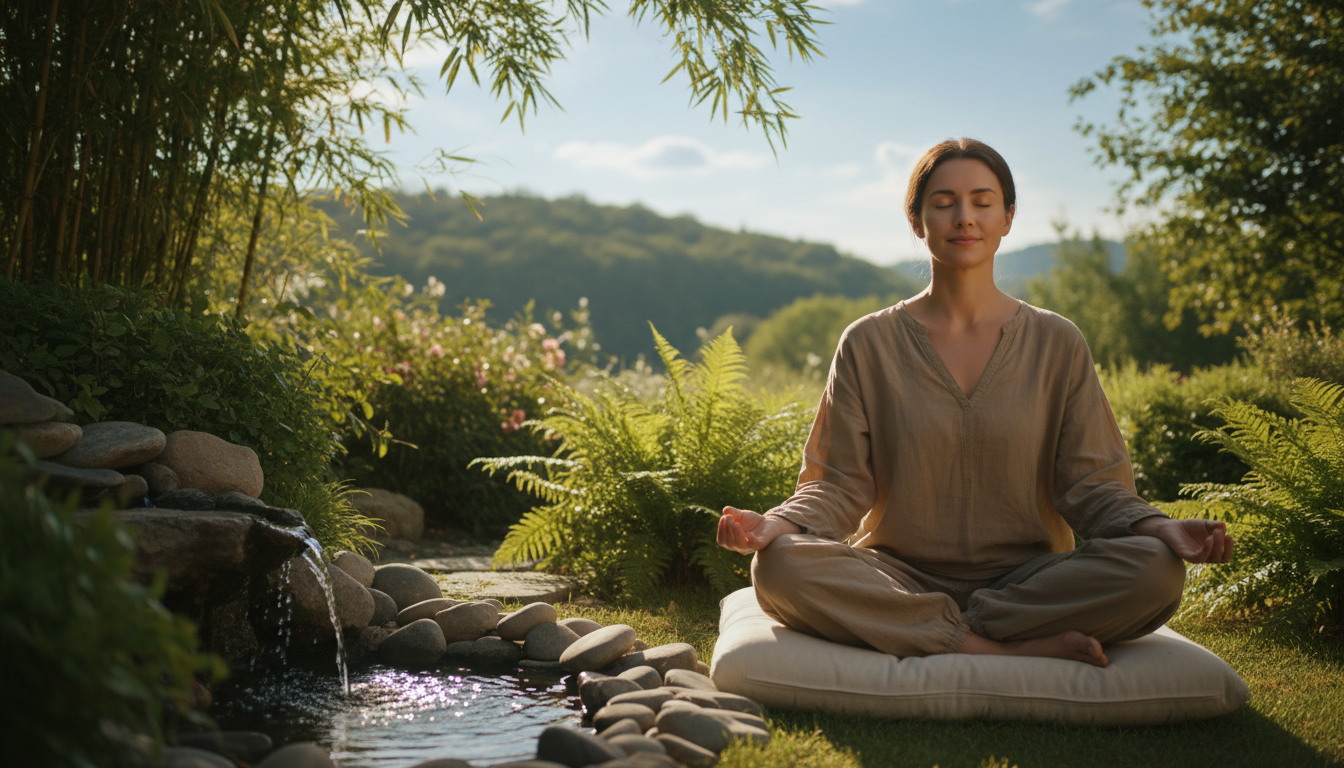
Have you ever wondered if true mental stillness is achievable in a world that never stops moving? We often feel overwhelmed by the fast pace of modern life. Finding a way to achieve inner peace is essential to our overall health.
Many people turn to a specific mental practice to find balance. This technique offers a sense of calm, peace plus stability. It helps us cope with tension by focusing on things that soothe our minds.
We believe that emotional well-being starts with a clear mind. By using simple mindfulness strategies, we can reclaim our focus. This journey improves how we interact with the world around us.
Using meditation for stress and anxiety can transform how we handle daily pressure. This method builds lasting strength. It allows us to pause before reacting to difficult triggers.
Consistent practice changes how the brain reacts to negative stimuli. We can lower our heart rate plus cortisol levels through these sessions. Taking just ten minutes daily provides measurable health improvements.
Key Takeaways
- Achieve deep emotional balance plus internal peace.
- Lower physical markers of nervous tension effectively.
- Enhance mental focus through short daily sessions.
- Respond calmly to negative external triggers.
- Improve brain structure plus long-term wellness naturally.
- Reclaim clarity within a busy modern schedule.
Understanding Stress and Anxiety
Life today is full of challenges. It’s key to know about stress and anxiety. These two can really affect our health.
Stress happens when we face too much pressure. It can be short-term or long-term. Long-term stress is bad for our health. Anxiety is how our body reacts to stress. It makes us feel worried, nervous, or scared all the time.
The Science Behind Stress
Stress makes our body release hormones like cortisol and adrenaline. This gets us ready to fight or run away. But too much of these hormones is bad for our heart, immune system, and mind. Too much stress can make us sick with things like high blood pressure, diabetes, and depression.
Knowing how stress works helps us find ways to deal with it. Meditation is one way to lower stress. It helps us relax and makes less stress hormones. Dealing with work stress is where meditation really helps.
How Anxiety Affects Us
Anxiety can show up in many ways, like feeling anxious all the time or having panic attacks. It can make us avoid things we used to do. This can hurt our daily life, how we interact with others, and our happiness. Anxiety can also make our body feel sick, like our heart racing or sweating.
“Anxiety is like a rocking chair. It gives you something to do, but it doesn’t get you anywhere.” – Erma Bombeck
This quote shows how useless and upsetting anxiety can be. It shows we need good ways to handle it.
The Connection Between Stress and Anxiety
Stress and anxiety are closely tied together. Stress can make us feel anxious if it doesn’t go away. Knowing this helps us deal with both better.
| Condition | Primary Characteristics | Impact on Health |
|---|---|---|
| Stress | Response to demands or pressures, release of stress hormones | Cardiovascular issues, immune suppression, mental health impacts |
| Anxiety | Feelings of worry, nervousness, or fear, often persistent and overwhelming | Impaired daily functioning, physical symptoms like rapid heartbeat |
By understanding stress and anxiety, we see why managing stress is so important. Meditation and mindfulness help reduce stress and anxiety. They make us feel better overall.
Why Choose Meditation for Relief?
Meditation is good for stress and health. It makes us feel better. We can do it every day to feel less stressed and healthier.
Benefits of Meditation
Meditation helps us stop thinking too much. It makes us focus on now. Studies show it changes our body in good ways.
Meditation Techniques for Stress Relief are many. You can pick what you like. Mindfulness meditation helps us stay in the moment. Loving-kindness meditation makes us kinder to ourselves and others.
Mental Health Improvements
Meditation is good for our minds. It makes us feel less anxious and sad. It also makes us happier and more aware of ourselves.
A study showed meditation makes us feel better. Here are some key points:
| Mental Health Indicator | Pre-Meditation | Post-Meditation |
|---|---|---|
| Anxiety Levels | High | Reduced |
| Depression Symptoms | Present | Decreased |
| Emotional Well-being | Low | Improved |
Physical Benefits of Regular Practice
Meditation is also good for our bodies. It lowers blood pressure and pain. It also makes our immune system stronger.
It helps us sleep better too. Meditation is a great choice for a healthier life.
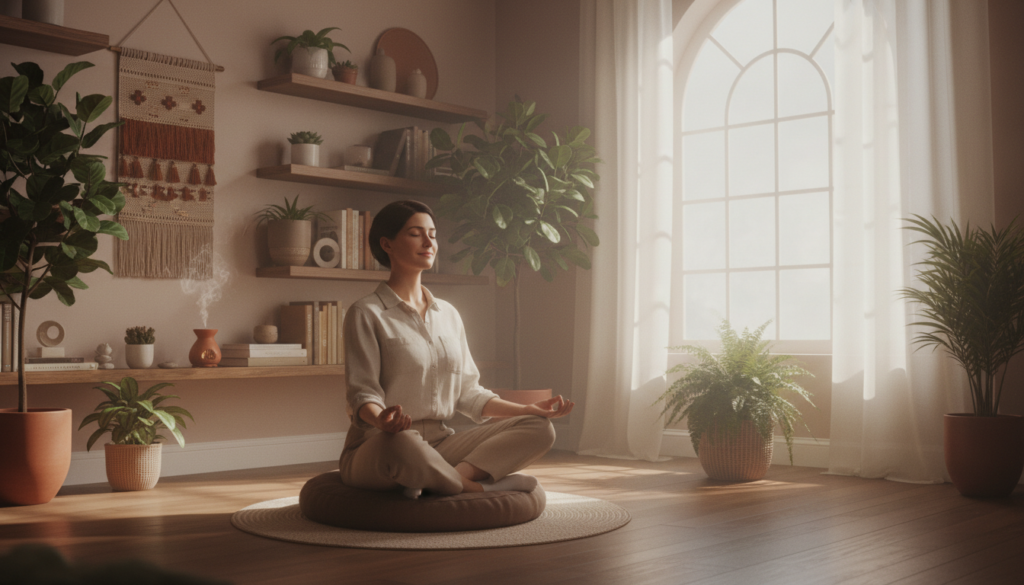
Meditation is very helpful. It makes us feel better in our minds and bodies. By meditating, we can live a healthier life.
Different Types of Meditation Techniques
Meditation has many techniques, like mindfulness and transcendental meditation. These can help with stress. Studies show they reduce anxiety and stress well.
Mindfulness Meditation
Mindfulness meditation is about focusing on now without judgment. It’s used in MBSR and MBCT. These programs help with anxiety and depression.
Mindfulness meditation helps you notice your thoughts and feelings without getting stuck in them.
MBSR and MBCT use mindfulness to manage stress. They include guided meditation and exercises. These are done in class and at home. Guided meditation helps with anxiety.
Loving-Kindness Meditation
Loving-kindness meditation, or Metta meditation, builds love and kindness. It makes you feel better and less stressed.
It helps you be kinder to yourself and others. This improves your emotional health.
Transcendental Meditation
Transcendental meditation uses a mantra to calm the mind. It’s simple and effective for stress relief. It’s practiced for 15-20 minutes, twice a day.
Studies show it reduces anxiety and stress. It helps you relax and feel calm. It’s good for panic attacks and stress.
| Meditation Technique | Key Focus | Benefits |
|---|---|---|
| Mindfulness Meditation | Present moment awareness | Reduces anxiety and depression symptoms |
| Loving-Kindness Meditation | Cultivating love and compassion | Increases positive emotions, reduces negative ones |
| Transcendental Meditation | Using a mantra to quiet the mind | Reduces stress and promotes relaxation |
How to Start Meditating for Stress Relief
Meditation is a great way to handle stress and anxiety. It’s simple to start. Just focus on your breath or quiet sounds to feel calm and clear.
Creating a Comfortable Space
First, find a quiet, comfy spot to meditate. It could be your bedroom or a garden corner. Make sure it’s clean and quiet to help you focus.
Tips for your meditation space:
- Choose a quiet area
- Use a comfortable seating arrangement
- Minimize distractions
Setting a Regular Schedule
Being regular with meditation is important. Start with short times, like 5-10 minutes a day. Then, you can make it longer as you get better at it.
Deep breathing exercises for stress and anxiety are also great. They calm your mind and lower stress.
Utilizing Guided Meditations
Guided meditations are great for newbies. They have a soft voice that guides you. Apps like Headspace and Calm are good places to start.
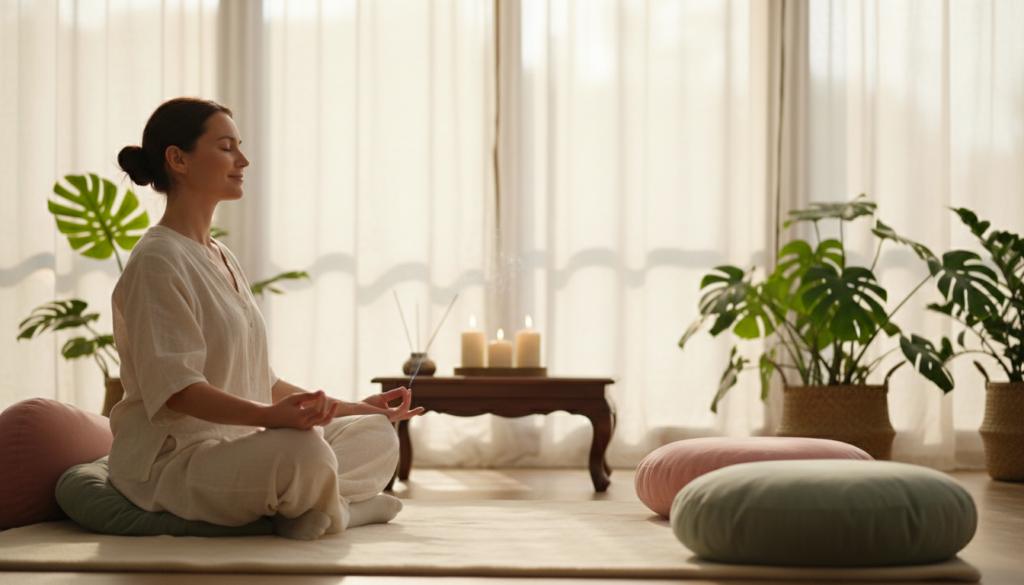
By following these tips, you can reduce stress and anxiety. The goal is to be aware and calm now, not to reach a special state.
Incorporating Meditation into Daily Life
To get the most from meditation, we need to do it every day. It’s not just a one-time thing. Dr. Lazar says there are many ways to meditate, so we can find one that fits our life.
Even the busiest people can meditate. Start with a little bit each day. This way, we can feel better and be happier.
Short Practices for Busy Schedules
For those with tight schedules, short meditation is great. Just a few minutes can help a lot. Here are some tips:
- Start with 5-10 minute morning meditation to begin the day right.
- Try mindfulness meditation while doing everyday things like eating or walking.
- Do deep breathing exercises during work breaks or while traveling.
Mindful Moments During the Day
Adding mindful moments to our day can make meditation even better. This includes:
| Mindful Moment | Activity | Benefit |
|---|---|---|
| Mindful Breathing | Focus on breath during work breaks | Reduces stress |
| Mindful Walking | Pay attention to surroundings while walking | Improves mental clarity |
| Mindful Eating | Savor each bite, notice flavors and textures | Enhances enjoyment and digestion |
By adding these mindful moments, we can manage stress better through meditation.
Overcoming Common Challenges in Meditation
Meditation helps a lot with stress and feeling good. But, many people find it hard. They might struggle to stay focused or keep up with it. It’s important to know how to overcome these issues for a good meditation experience.
Dealing with a Wandering Mind
One big challenge is when your mind wanders. It’s normal for your mind to stray, even when you’re trying to focus. A good way to handle it is to notice when your mind wanders and gently bring it back without getting upset.
Practicing regularly can make your mind stay focused better. There are many meditation techniques for stress relief like focusing on your breath or listening to guided meditations. These can calm your mind and lower stress.
Finding Time to Meditate
Finding time to meditate can be tough, especially if you’re busy. Starting with short sessions, even just a few minutes a day, can be very helpful. Try to meditate at the same time every day, like right after waking up or before bed.
- Begin with short, manageable sessions.
- Identify a quiet, comfortable space for meditation.
- Make meditation a part of your daily routine.
Staying Motivated
It’s important to keep going with meditation. Setting achievable goals and tracking your progress can help. Joining a meditation group or having a meditation buddy can give you the motivation and support you need. Celebrating small wins can also keep you motivated.
The benefits of meditation for stress are clear. It can lower anxiety, improve your mood, and make you feel better overall. Sticking with it can bring big positive changes to your life.
Resources for Learning Meditation
As we explore meditation, having the right tools is key. There are many techniques out there. Having good resources can make our meditation better.
Dr. Lazar suggests using apps on your phone for meditation. These apps have guided meditations by experts. They’re great for beginners or those wanting to try new things.
Recommended Apps
Some apps are top-notch for meditation. Here are some of the best meditation apps for anxiety:
- Headspace: It has personalized sessions and is easy to use.
- Calm: It has lots of guided meditations, sleep stories, and music.
- Insight Timer: It has a huge library of free meditations and a timer for you.
These apps help with guided meditation for anxiety and more. They help you meditate regularly.
Books and Courses
Books and courses can teach you a lot about meditation. Here are some book suggestions:
- “The Miracle of Mindfulness” by Thich Nhat Hanh
- “Wherever You Go, There You Are” by Jon Kabat-Zinn
- “10% Happier” by Dan Harris
For structured learning, try online courses on Udemy, Coursera, and edX. They teach meditation techniques and theory.
Online Communities and Support
Online communities are great for connecting with others. You can share and find support. Some popular places include:
- Reddit’s r/Meditation community
- Meditation subforums on various online platforms
- Facebook groups focused on meditation and mindfulness
These groups offer resources, motivation, and friendship. They help on your meditation path.
Real-Life Success Stories
Meditation has changed many lives for the better. It helps people deal with stress and anxiety. By making meditation a part of their day, many have seen big improvements in how they feel.
A Medical Doctor from New York saw a big drop in blood pressure. After six weeks of meditation, blood pressure went down. Systolic blood pressure fell from the 140s-150s to around 120. Diastolic pressure went from high 80s to high 70s/low 80s.
Practitioner Testimonials
People like Salvatore Iuvari and Kamini Naicker share their stories. They talk about how meditation improved their sleep. Salvatore Iuvari now sleeps 6+ hours every night, a big change from before.
Kamini Naicker also saw great changes in her sleep. After a year of meditation, she sleeps well. You can read more stories on the Turning Within website.
Benefits of Meditation
Deep breathing exercises are also very helpful. They help people feel less anxious and manage their symptoms better. Meditation makes people more aware of themselves and helps them live a more balanced life.
Meditation is a strong tool against stress and anxiety. It improves both mental and physical health.