
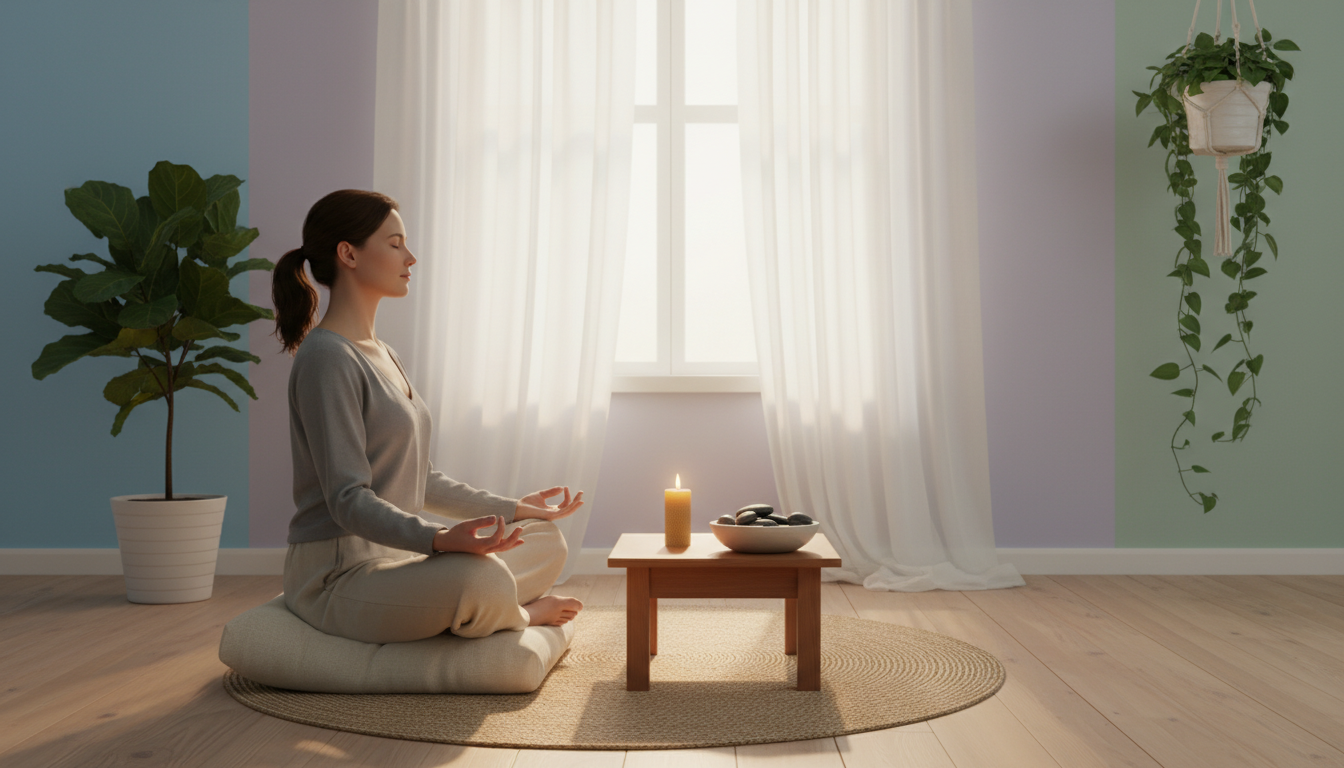
Have you ever wondered if your mind could find a quiet harbor amidst the storm of daily life? We often feel overwhelmed by the constant noise of the modern world. Finding a sense of calm can seem nearly impossible when worries pile up.
However, adopting specific mindfulness practices allows us to reclaim our inner peace. By focusing on something that relaxes the spirit, we learn to stay centered even during chaotic moments. We use these tools to create a space for quiet reflection.
These mental health meditation techniques provide a necessary balance for our emotional well-being. They offer a way to cope with stress and improve our overall health without needing expensive equipment. By practicing consistently, we discover a lasting inner strength that supports us daily.
Key Takeaways
- Achieve emotional balance through consistent daily focus.
- Cultivate a sense of calm to handle modern stressors.
- Improve overall health by relaxing the mind and body.
- Stay centered during life’s most chaotic or difficult moments.
- Utilize cost-effective routines to reclaim lasting inner peace.
- Support long-term mental resilience with simple breathing habits.
Understanding Anxiety and Depression in Our Lives
Anxiety and depression are big problems today. They make us feel stressed and unhappy. When we feel stressed too much, it hurts our well-being.
The Common Symptoms We Experience
Anxiety makes us worry a lot and feel scared. We might avoid things we used to do. Physical symptoms include a fast heartbeat, sweating, and shaking.
Depression makes us feel sad all the time. We lose interest in things we used to like. We might eat less or sleep too much. Knowing these signs is the first step to getting help.
How These Conditions Affect Our Daily Lives
Anxiety and depression change how we live every day. They make simple tasks hard. They even take away the joy from things we loved to do.
Understanding these effects helps us find ways to cope. Relaxation exercises and coping with stress through meditation can help. They offer big meditation benefits for anxiety.
By knowing how anxiety and depression affect us, we can start to manage them. This can make our lives better.
Benefits of Meditation for Mental Health
Meditation helps a lot with mental health. It makes us less stressed, helps us focus better, and understand ourselves more. It’s great for dealing with anxiety and depression.
Stress Reduction and Emotional Balance
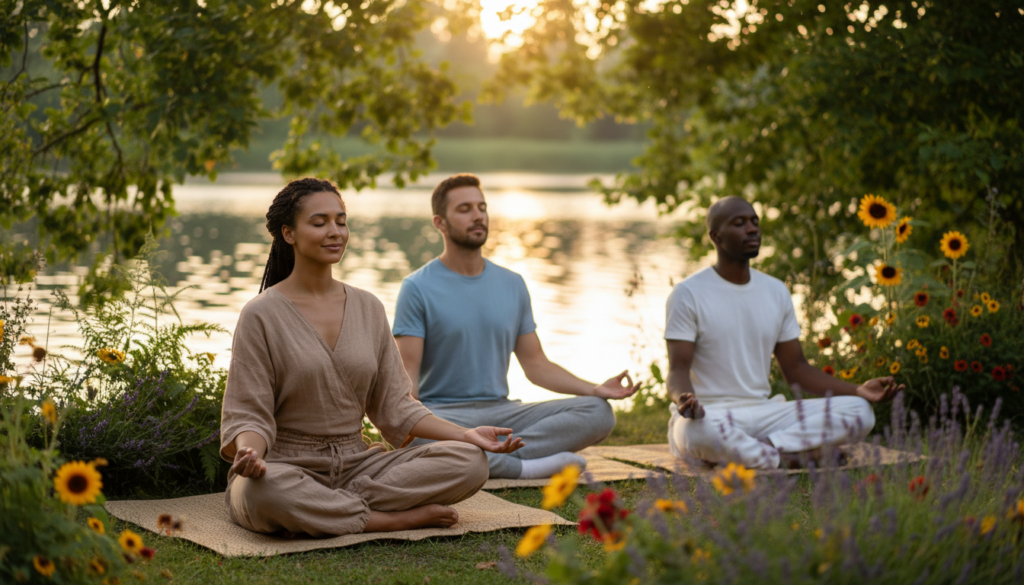
Meditation is great for reducing stress and keeping our emotions balanced. It helps us deal with life’s tough parts better. It also lowers stress hormones, making us feel more balanced.
Guided meditation for depression is very helpful. It helps us think more positively and handle bad feelings better. It makes us kinder to ourselves, which is good for our emotional health.
Improved Focus and Clarity
Meditation also makes us better at focusing and thinking clearly. It trains our minds to stay present. This makes us more productive and mentally sharp.
As we meditate, we get better at ignoring distractions. This skill helps us do things more efficiently and clearly.
Enhanced Self-Awareness
Meditation helps us understand ourselves better. It lets us see our thoughts, feelings, and actions more clearly. Regular practice helps us notice patterns and habits that affect our mental health.
With more self-awareness, we can make better choices. We can find healthier ways to cope and be kinder to ourselves. This improves our mental health and overall well-being.
Types of Meditation We Can Practice
Meditation has many techniques, each with its own benefits. We can find the right one for us to help with anxiety and depression.
Mindfulness Meditation
Mindfulness meditation helps ease anxiety and stress. It focuses on the now, often by watching our breath or body. This helps us feel calm and manage panic attacks. Mindfulness practices also lower stress hormones, making us feel more balanced.
Guided Visualization Techniques
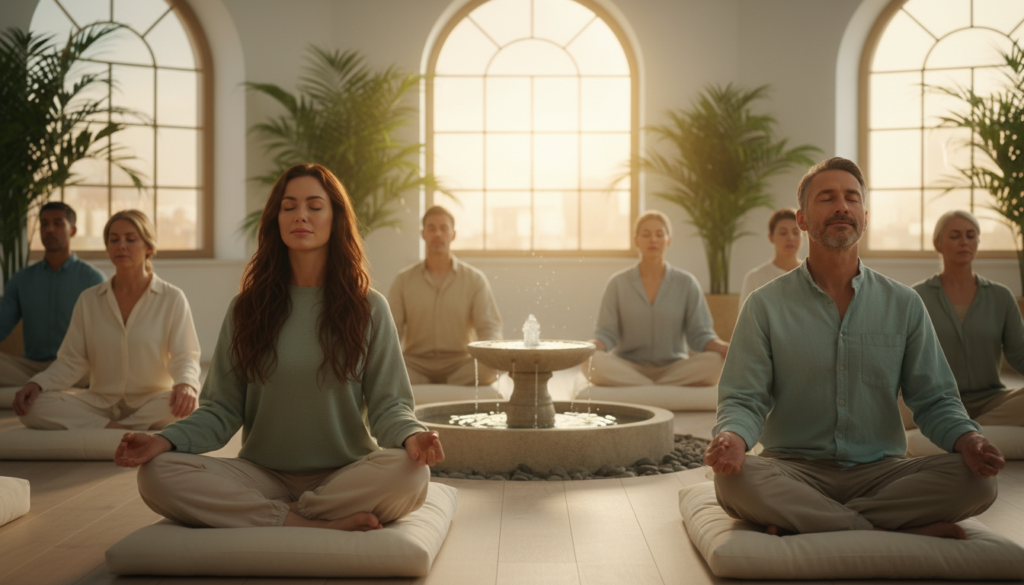
Guided visualization uses stories and images to guide us. It takes us to a peaceful place, away from daily stress. Guided meditations help us relax and fight anxiety and depression.
Loving-Kindness Meditation
Loving-kindness meditation builds love and kindness in us. It helps us think more positively and accept ourselves and others. For more on meditation, check out Healthline’s guide.
These meditation types offer many benefits. They include:
- Reduced stress and anxiety
- Improved emotional balance
- Enhanced self-awareness
- Better management of panic attacks
Adding these practices to our day can help us manage anxiety and depression.
How to Incorporate Meditation into Our Routine
To make meditation a habit, we need to add it to our daily life. We can do this by making a few simple changes. These changes can be to our daily routine and the place we live.
Setting Aside Time Each Day
Being consistent is important for meditation. Setting aside a specific time each day for it helps make it a habit. It can be in the morning, during lunch, or before bed. The important thing is to pick a time that works for us and stick to it.
Starting with short sessions, like 5-10 minutes a day, is good. As we get used to it, we can make the sessions longer. It’s also good to meditate at the same time every day, like right after waking up or before working out.
Creating a Calm Environment
Our surroundings help us relax and focus. Creating a calm environment makes meditation better. We can do this by having a quiet, clean space just for meditation.
To make a good environment, we can dim the lights and use comfy chairs. We should also try to avoid distractions. Using calming scents like lavender or vanilla can also help make the space peaceful.
Using Meditation Apps and Resources
Today, there are many meditation apps and resources to help us. Apps like Headspace and Calm have guided meditations for beginners.
These tools offer structured meditation sessions and track our progress. They also give us personalized plans and remind us to meditate every day. Using these tools can help us add meditation to our daily routine.
By using these strategies, we can make meditation a regular part of our lives. This helps us cope with stress through meditation and improves our mental health.
- Start with short meditation sessions and gradually increase the duration.
- Create a dedicated, clutter-free space for meditation.
- Utilize meditation apps and resources to guide your practice.
Real Stories: Meditation’s Impact on Anxiety and Depression
Many people have found peace through meditation. It helps with anxiety and depression. This practice has changed lives, leading to healing and balance.
Transformative Experiences
Many have shared how meditation helped them. It made them feel better and calmer. Adding meditation to their day helped them a lot.
Shared Support
Being part of a community helps a lot. People find comfort in sharing their stories. Meditation brings us together, valuing our mental health.
By sharing our experiences, we help others. We create a culture that cares about our minds. This encourages everyone to focus on their mental health.