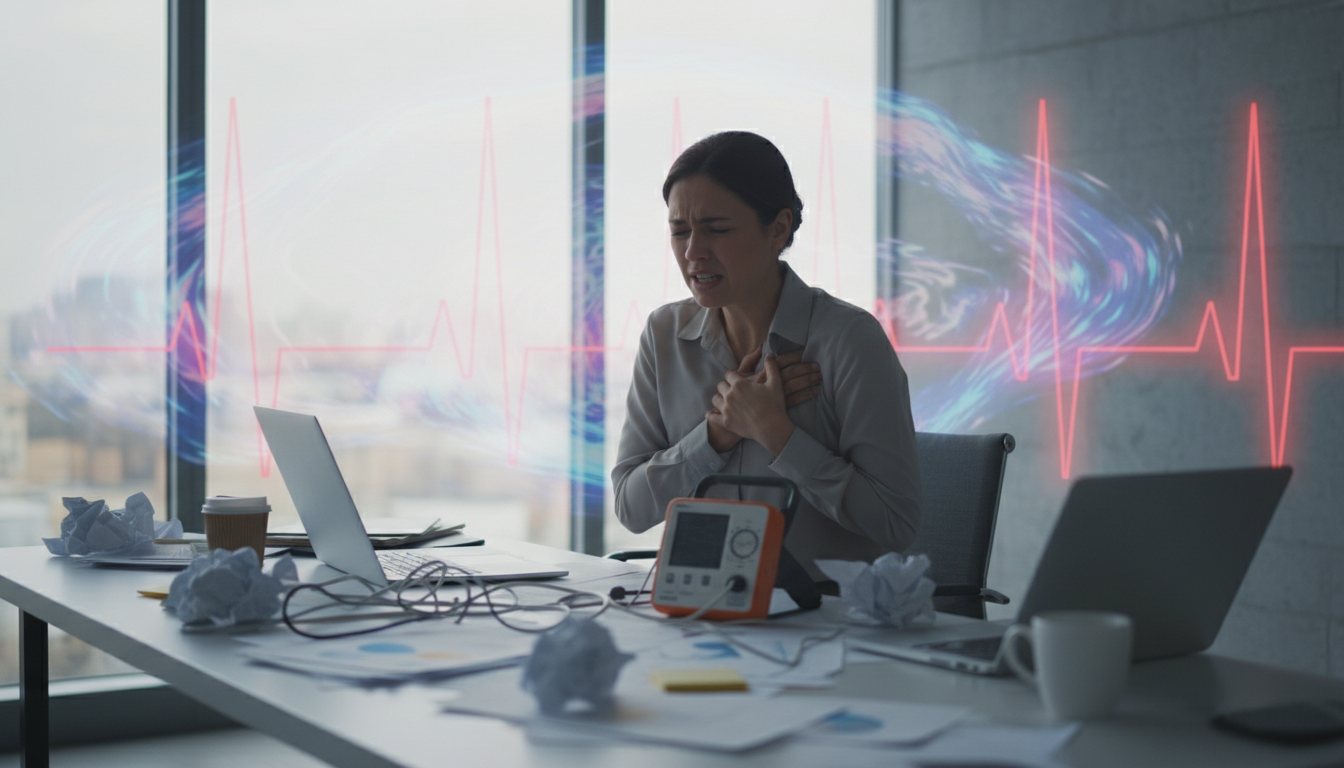
Ever felt your heart racing when you’re stressed? You might wonder if it’s bad for your health. Many of us are curious if our mental stress can harm our bodies.
Studies reveal a complex relationship between anxiety and high blood pressure. Doctors say high blood pressure is when your top number is 130 or more, and your bottom number is 80 or more. But these numbers don’t tell the whole story.
Short-term spikes happen when we’re scared or anxious. But these quick increases usually don’t lead to long-term health problems. It’s important to understand how our nerves can affect our heart health over time.
Key Takeaways
- Hypertension starts at readings of 130/80 mmHg or higher.
- Mental stress causes temporary spikes in your vitals.
- Nervousness is not a direct cause of long-term hypertension.
- Temporary surges occur during moments of panic or fear.
- We should monitor patterns rather than single high readings.
- Managing stress helps maintain better overall heart health.
Understanding Anxiety and Its Effects on Health
Anxiety is more than just a mental health issue. It affects our overall health too. It’s estimated that nearly one-fifth of the U.S. population deals with anxiety.
Anxiety disorders are complex. They go beyond feeling stressed or worried. They involve persistent fear or anxiety that disrupts daily life.
What Is Anxiety?
Anxiety is a normal feeling everyone has at some point. But when it becomes too much, it can turn into an anxiety disorder. The Diagnostic and Statistical Manual of Mental Disorders DSM-5-TR helps professionals understand and treat these disorders.
Types of Anxiety Disorders
There are many types of anxiety disorders. Each has its own unique features. These include Generalized Anxiety Disorder (GAD), Panic Disorder, Social Anxiety Disorder, and Specific Phobias, among others.
The table below lists the main types of anxiety disorders and their key features:
| Type of Disorder | Key Features |
|---|---|
| Generalized Anxiety Disorder (GAD) | Excessive worry about everyday things that is difficult to control |
| Panic Disorder | Recurring panic attacks, which are sudden episodes of intense fear |
| Social Anxiety Disorder | Fear of social or performance situations in which the person is exposed to possible scrutiny by others |
| Specific Phobias | Persistent and excessive fear of a specific object, situation, or activity |
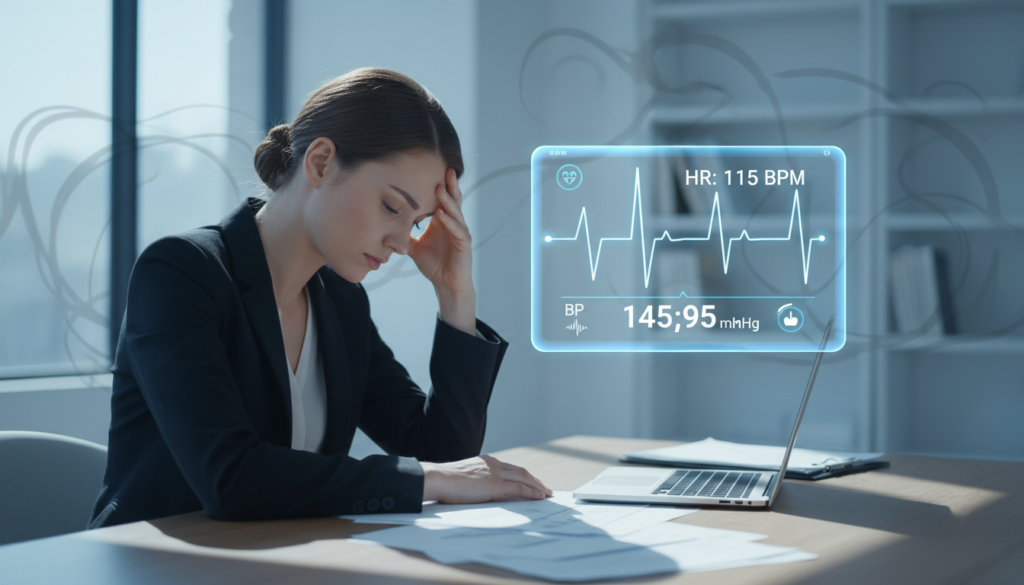
It’s important to know about the different types of anxiety disorders. This helps us understand their impact on health and well-being. By recognizing the complexity of anxiety, we can work to help individuals and society.
The Connection Between Anxiety and Blood Pressure
It’s key to understand how anxiety affects blood pressure for better health. Anxiety can really impact our body, especially our heart and blood vessels.
How Stress Affects Blood Pressure
Anxiety makes our body go into “fight or flight” mode. This releases stress hormones like adrenaline and cortisol. These hormones make our heart race and blood vessels narrow, raising blood pressure.
The American Heart Association says managing stress is vital to keep blood pressure in check. Chronic stress can cause lasting high blood pressure.

Stress and anxiety can raise blood pressure temporarily. But, long-term stress can harm our heart health. It’s crucial to handle anxiety well to protect our blood pressure.
Brief Overview of Blood Pressure Measurements
Blood pressure is measured in millimeters of mercury (mmHg). It’s shown as two numbers: systolic (top number) and diastolic (bottom number). The American Heart Association suggests taking readings in a quiet spot, seated with feet on the floor, for at least five minutes.
For accurate readings, avoid caffeine, exercise, and stress before taking your blood pressure. Knowing how to measure blood pressure and what the numbers mean helps manage anxiety-related hypertension.
Symptoms of Anxiety-Induced Hypertension
It’s important to know the signs of anxiety-induced hypertension. This is key to handling both anxiety and blood pressure well. When we feel anxious, our body’s stress response kicks in, causing physical symptoms.
Recognizing Elevated Blood Pressure
Elevated blood pressure is a big sign of anxiety-induced hypertension. It’s vital to spot the signs, like headaches, dizziness, and nosebleeds. Keeping an eye on your blood pressure can help catch these spikes.
Here’s a simple table to understand blood pressure measurements:
| Blood Pressure Category | Systolic (mmHg) | Diastolic (mmHg) |
|---|---|---|
| Normal | Less than 120 | Less than 80 |
| Elevated | 120-129 | Less than 80 |
| Hypertension Stage 1 | 130-139 | 80-89 |
Other Physical Symptoms of Anxiety
Anxiety can show up in other ways besides high blood pressure. You might feel a rapid heartbeat, sweat a lot, and shake. Some people might eat too much or smoke to cope, which can also raise blood pressure.
To tackle these symptoms, making healthy lifestyle changes is crucial. Look into ways to lower blood pressure caused by anxiety, like relaxation methods and seeking professional help.
Long-Term Effects of Chronic Anxiety
Chronic anxiety can deeply affect our health, especially our heart. When we feel anxious, our body’s stress response kicks in. This can raise our heart rate and blood pressure. If anxiety lasts long, it can cause high blood pressure, which is bad for our heart.
It’s key to know how anxiety can harm us over time. Unmanaged anxiety can lead to many health problems. Heart disease, a big killer worldwide, is one of them.
Risks of Unmanaged Anxiety
Ignoring anxiety can hurt our health a lot. Some dangers include:
- Increased risk of cardiovascular disease
- Development of mental health disorders such as depression
- Weakened immune system
- Digestive problems
How Chronic Stress Impacts Cardiovascular Health
Chronic stress, linked to anxiety, harms our heart and blood vessels. This strain can cause:
- Hypertension: High blood pressure damages blood vessels, making them prone to blockages.
- Cardiac Arrhythmias: Stress can mess up the heart’s rhythm, leading to arrhythmias.
- Cardiovascular Disease: High blood pressure, arrhythmias, and other factors raise the risk of heart disease.
It’s vital to see how anxiety affects our heart health. Knowing this helps us take steps to stay healthy and well.
Managing Anxiety to Maintain Healthy Blood Pressure
Managing anxiety well is key to keeping blood pressure healthy. Studies show anxiety can lead to high blood pressure. This is seen in a meta-analysis at the National Center. To handle anxiety-induced high blood pressure, a multi-faceted approach is needed.
Lifestyle Changes
Regular exercise and a balanced diet help manage anxiety and blood pressure. It’s also good to avoid stress triggers.
Professional Guidance
Getting professional help is crucial for anxiety-induced hypertension. Treatment options can lessen symptoms and lower blood pressure.
Mindfulness Techniques
Mindfulness and relaxation techniques are great for reducing anxiety. Adding these to daily life helps manage anxiety and keep blood pressure healthy. This aids in managing anxiety-induced hypertension.