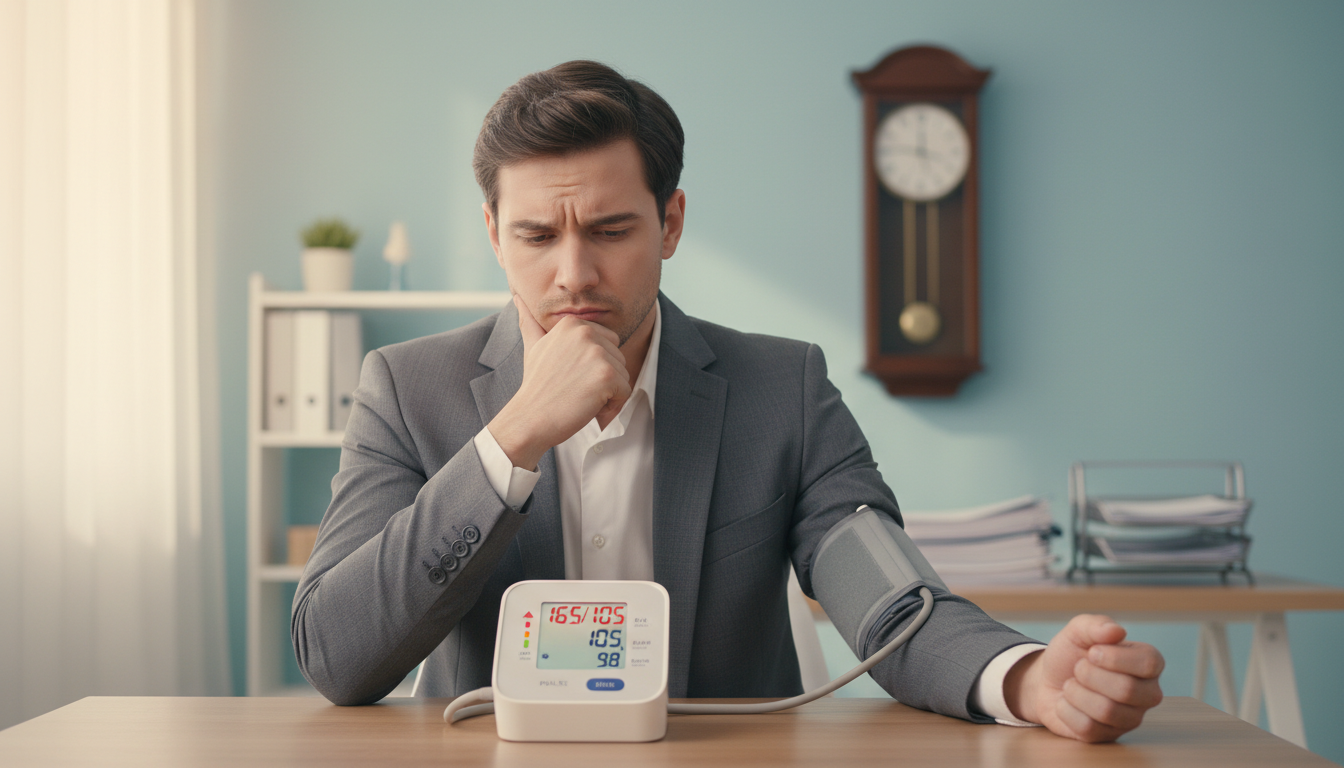
Ever felt your heart racing during stress and wondered if it’s a health sign? We often overlook how our mind affects our body until it’s too late. Knowing how mental strain affects blood pressure helps us live healthier.
Chronic hypertension means our blood vessels are always under high pressure. Stressful feelings don’t cause this long-term issue. But, stress can raise our blood pressure temporarily. This is our body’s natural “fight or flight” response.
It’s crucial to watch how these changes affect our heart over time. By controlling our daily worries, we help our heart health. Taking a deep breath can greatly improve our body’s balance and strength.
Key Takeaways
- Stressful moments trigger temporary spikes in circulatory force.
- Nervousness is not a direct cause of chronic hypertension.
- Short-term spikes result from the body’s natural “fight or flight” response.
- Consistent mental strain can impact long-term cardiovascular wellness.
- Managing apprehension is essential for maintaining a healthy heart.
- Understanding these connections helps us manage health risks effectively.
What is Anxiety?
Anxiety disorders are common and affect many people. They can change daily life and health over time. Anxiety comes in many forms, each with its own effects.
Definition of Anxiety
Anxiety is feeling worried, nervous, or scared all the time. It’s normal to feel this way sometimes. But for some, it becomes too much.
Key characteristics of anxiety include:
- Excessive and persistent worry about everyday things
- Fear or anxiety that is out of proportion to the situation
- Difficulty controlling worry or fear
- Restlessness, feeling on edge, or irritability
Types of Anxiety Disorders
There are many types of anxiety disorders. Knowing the differences helps in managing and treating them.
The most common types include:
- Generalized Anxiety Disorder (GAD): Characterized by persistent and excessive worry about various aspects of life.
- Panic Disorder: Involves sudden feelings of terror that strike repeatedly and without warning.
- Social Anxiety Disorder: Marked by a fear of being judged or evaluated by others in social situations.
- Specific Phobias: Involves an intense, irrational fear of a specific object or situation.
Symptoms and Effects on Daily Life
Anxiety can really affect daily life. It can make it hard to work, keep relationships, and enjoy social activities. Symptoms include:
- Difficulty concentrating
- Sleep disturbances
- Physical symptoms such as rapid heartbeat, sweating, and trembling
- Avoidance behaviors
Managing anxiety is key to improving life. Understanding anxiety and its types helps in managing it. This can reduce its impact on daily life.
How Anxiety Affects the Body
Anxiety triggers our body’s stress response system. This leads to many physical reactions. It’s meant to be temporary but can harm our health if it’s constant or severe.
The Stress Response System
The “fight or flight” response kicks in when we feel threatened. Stress hormones like adrenaline and cortisol are released. These hormones get our body ready to face or run from danger by speeding up our heart and increasing blood pressure.
Physical Symptoms of Anxiety
Anxiety shows up in many ways, like a fast heartbeat and sweating. These signs are usually short-lived but can be very upsetting. If anxiety happens often, it can cause lasting physical problems.
Long-Term Health Implications
Recurring high blood pressure from anxiety can harm our blood vessels and heart. It’s key to understand how anxiety affects our body. Studies show that regular anxiety can lead to high blood pressure and heart disease.
Managing anxiety is crucial to avoid these risks. Techniques like deep breathing and exercise can help. By using coping techniques for anxiety and high blood pressure, we can improve our health.
| Physical Symptom | Description | Potential Long-Term Effect |
|---|---|---|
| Rapid Heartbeat | Increased heart rate due to stress hormones | Potential strain on the heart |
| High Blood Pressure | Temporary spikes in blood pressure | Damage to blood vessels and organs |
| Gastrointestinal Issues | Stomach discomfort, nausea, or irritable bowel syndrome | Chronic digestive problems |
Knowing how anxiety impacts our body and using coping strategies can prevent long-term health problems. This includes issues related to anxiety and high blood pressure.
Blood Pressure Basics
Blood pressure readings tell us a lot about our heart health. It’s important to know how to read these numbers and what affects them. This knowledge helps us keep our blood pressure in check.
Understanding Blood Pressure Readings
Blood pressure is measured in millimeters of mercury (mmHg). It’s shown as two numbers: systolic and diastolic. Systolic is the top number, showing pressure when the heart beats. Diastolic is the bottom number, showing pressure between beats. A normal reading is about 120/80 mmHg.
Blood pressure changes throughout the day. It can be affected by things like exercise, stress, and the time of day. For example, it’s usually higher when we’re awake and active. Managing stress can help control it.
Factors That Influence Blood Pressure
Many things can affect blood pressure, like lifestyle, genetics, and health conditions. What we eat, how active we are, and whether we smoke can all play a part. For instance, too much sodium can raise blood pressure for some people. On the other hand, regular exercise can help lower it.
Genetics also matter, as some people are more likely to have high blood pressure because of their family history. Certain health issues, like kidney disease or sleep apnea, can also impact blood pressure.
The Role of the Cardiovascular System
The cardiovascular system, which includes the heart, arteries, and veins, is key to keeping blood pressure healthy. The heart pumps blood through arteries, which then split into capillaries. In capillaries, oxygen and nutrients are exchanged for waste. The veins then carry the blood back to the heart.
When the cardiovascular system works well, blood pressure stays healthy. But problems, like narrowed or blocked arteries, can cause blood pressure to rise. This can lead to serious health problems.
The Link Between Anxiety and Blood Pressure
It’s important to know how anxiety affects blood pressure. This knowledge helps us manage high blood pressure and keep our heart healthy. Anxiety can really impact our body, especially our heart and blood vessels.
Anxiety makes our body’s stress response kick in. This leads to changes in our body, like higher blood pressure.
Immediate Effects of Anxiety on Blood Pressure
Anxiety can quickly raise our blood pressure. This happens because of stress hormones like adrenaline and cortisol. These hormones get our body ready to either fight or run away, making our heart beat faster and our blood vessels narrower.
Key immediate effects include:
- Increased heart rate
- Vasoconstriction (narrowing of blood vessels)
- Rise in blood pressure
Research shows anxiety is linked to a higher risk of high blood pressure. This makes managing anxiety key to avoiding heart problems later on.
Research Findings on Anxiety and Hypertension
Many studies have looked into how anxiety affects blood pressure. They found people with anxiety are more likely to get high blood pressure.
| Study | Findings |
|---|---|
| Study on Anxiety and Hypertension (2020) | Found a significant correlation between anxiety levels and increased blood pressure. |
| Longitudinal Study (2018) | Observed that individuals with anxiety disorders were more likely to develop hypertension over time. |

Psychological vs. Physical Impacts
Anxiety’s effect on blood pressure isn’t just physical. It also affects our mind. Long-term anxiety can create a cycle where fear of high blood pressure makes anxiety worse, raising blood pressure even more.
“The mind-body connection plays a crucial role in the management of both anxiety and hypertension. Addressing one aspect can have a positive impact on the other.”
It’s vital to understand how anxiety and blood pressure interact. This knowledge helps us find ways to manage both the mental and physical sides of these issues.
Recognizing Symptoms of High Blood Pressure
High blood pressure often goes unnoticed, making it key to spot its signs, especially for those with anxiety. It’s called a “silent killer,” but some people might show symptoms that look like anxiety.
Common Signs and Symptoms
Signs of high blood pressure include:
- Headaches
- Dizziness or lightheadedness
- Nosebleeds
- Fatigue or confusion
- Chest pain
- Shortness of breath
These symptoms can be vague and might be mistaken for other issues, like anxiety disorders.
How Anxiety May Mask These Symptoms
Anxiety can hide or mix up with high blood pressure symptoms. For example, anxiety can cause:
- Rapid heartbeat
- Trembling or shaking
- Sweating
- Nausea or abdominal discomfort
White coat hypertension (WCH) is when blood pressure goes up in a doctor’s office. It affects about one in five people. This shows how anxiety and blood pressure readings can interact.
Importance of Regular Monitoring
Checking blood pressure regularly is vital, especially for those with anxiety. It helps catch high blood pressure early and manage it, lowering heart disease risks.
Knowing the symptoms and taking action can help manage anxiety and blood pressure better.
Managing Anxiety to Control Blood Pressure
Managing anxiety is crucial for lowering blood pressure. By using different strategies, people can control their blood pressure and health better.
Effective Stress-Reduction Techniques
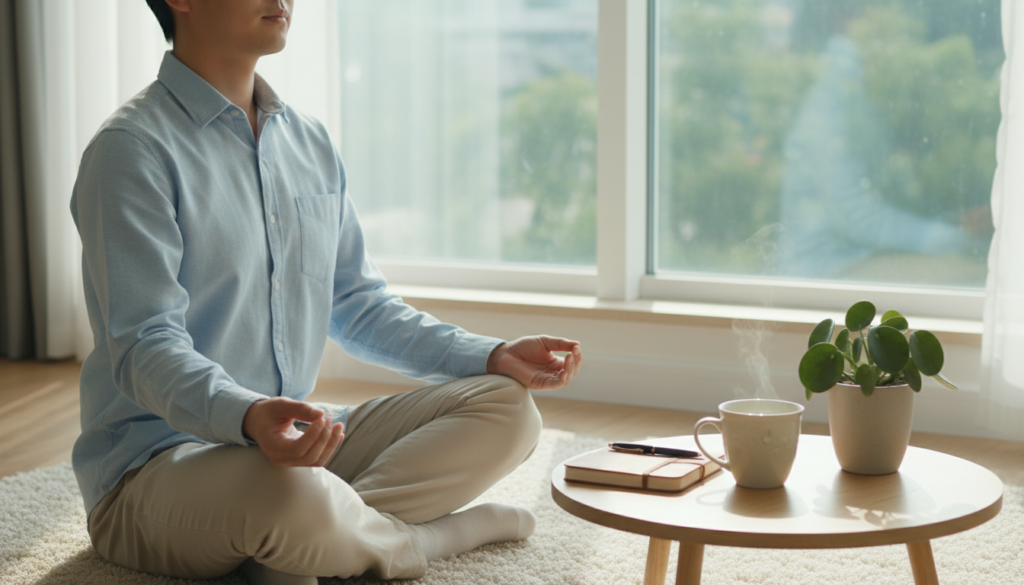
Stress-reduction techniques are key in managing anxiety. Practices like meditation, deep breathing exercises, and yoga can greatly reduce stress. Adding these to our daily routine helps manage anxiety.
Meditation and mindfulness practices lower anxiety by promoting relaxation. They reduce stress hormones like cortisol. Regular practice can lower blood pressure over time.
Deep breathing exercises calm the mind and body. They reduce anxiety symptoms like rapid heartbeat and high blood pressure.
Lifestyle Changes that Help
Some lifestyle changes are crucial for managing anxiety and blood pressure. These include regular physical activity, a balanced diet, and adequate sleep.
Regular physical activity reduces anxiety and lowers blood pressure. It improves mood and reduces stress.
Eating a balanced diet rich in fruits, vegetables, whole grains, and lean proteins supports health. It helps manage anxiety. For more information, visit Work Shift Anxiety.
When to Seek Professional Help
While lifestyle changes and stress-reduction techniques are effective, sometimes professional help is needed. If anxiety is overwhelming or interferes with daily life, seeking help from a mental health professional is crucial.
| Signs That Professional Help is Needed | Description |
|---|---|
| Persistent Anxiety | Anxiety that lasts for an extended period and doesn’t improve with self-help techniques. |
| Interference with Daily Life | When anxiety starts to affect daily activities, relationships, or work performance. |
| Physical Symptoms | Experiencing physical symptoms like high blood pressure, chest pain, or severe headaches due to anxiety. |
Treatment Options for Anxiety
Finding the right treatment for anxiety is a journey. It’s a crucial step towards better mental health. Anxiety affects not only mental well-being but also has significant implications for physical health, particularly in relation to blood pressure. Effective management of anxiety is essential for mitigating its impact on overall health.
Cognitive Behavioral Therapy and Other Approaches
Therapy is a cornerstone in the treatment of anxiety. Cognitive Behavioral Therapy (CBT) is one of the most effective approaches. It helps individuals understand and change their thought patterns and behaviors that contribute to their anxiety. Other therapeutic approaches include Acceptance and Commitment Therapy (ACT) and Psychodynamic Therapy, each offering unique benefits.
The choice of therapy often depends on the individual’s specific needs and circumstances. For instance, CBT is typically a short-term therapy that focuses on practical strategies for managing anxiety. Psychodynamic therapy may explore the underlying causes of anxiety.
Medication for Anxiety
Medications are another critical component in the management of anxiety. Selective Serotonin Reuptake Inhibitors (SSRIs) are commonly prescribed due to their efficacy and relatively favorable side effect profile. However, it’s crucial to note that some medications used to treat anxiety can have varying effects on blood pressure. For example, certain antidepressants can potentially raise blood pressure in some individuals.
| Medication Type | Common Use | Effect on Blood Pressure |
|---|---|---|
| SSRIs | First-line treatment for anxiety disorders | Generally minimal direct effect |
| Benzodiazepines | Short-term relief of severe anxiety | No direct effect, but potential for dependency |
| Beta Blockers | Managing physical symptoms of anxiety | Can lower blood pressure |
Holistic and Alternative Treatments
In addition to conventional therapies and medications, holistic treatments can play a significant role in managing anxiety. Techniques such as mindfulness meditation, yoga, and acupuncture have been found to be beneficial. These approaches focus on treating the whole person, not just the symptoms of anxiety, and can be used in conjunction with traditional treatments.
It’s essential for individuals to work with healthcare professionals to determine the most appropriate treatment plan. Considering their unique needs and health status is crucial. By combining different approaches, individuals can find effective ways to manage their anxiety and mitigate its impact on their blood pressure and overall health.
The Role of Diet and Exercise
Diet and exercise greatly affect our mental and heart health. By choosing what we eat and how we stay active, we can manage anxiety and keep our blood pressure healthy.
Foods That Help Reduce Anxiety
Some foods can help ease anxiety. Omega-3 fatty acids in salmon and walnuts are anti-inflammatory. Whole grains, fruits, and veggies also help stabilize mood and reduce anxiety.
Drinking enough water is key, as dehydration can make anxiety worse. Drinking plenty of water throughout the day is a simple yet effective strategy. It’s also good to limit caffeine and alcohol, as they can trigger or worsen anxiety.
“A healthy diet is not just about cutting out certain foods, but also about including a variety of nutrient-dense foods that support overall well-being.”
Here are some foods that can help reduce anxiety:
- Fatty fish (salmon, sardines)
- Nuts and seeds (walnuts, chia seeds)
- Fruits (berries, citrus fruits)
- Leafy greens (spinach, kale)
- Whole grains (quinoa, brown rice)
The Impact of Physical Activity
Regular exercise is key to managing anxiety and blood pressure. It releases endorphins, or “feel-good” hormones, and improves sleep quality. These are often disrupted in people with anxiety.
Different exercises offer different benefits. Aerobic activities like walking, cycling, or swimming are great for the heart. Yoga and tai chi can reduce stress and improve flexibility.
| Type of Exercise | Benefits |
|---|---|
| Aerobic Exercise | Improves cardiovascular health, reduces blood pressure |
| Yoga/Tai Chi | Reduces stress, improves flexibility and balance |
| Strength Training | Enhances muscle strength, boosts metabolism |
Creating a Balanced Lifestyle
A balanced lifestyle is more than diet and exercise. It’s about making lasting changes for overall well-being. This includes getting enough sleep, practicing stress-reduction techniques, and staying connected with friends and family.
Using home blood pressure monitors is also important. They provide valuable data for both patients and doctors, helping make informed decisions and lifestyle adjustments.
By combining a healthy diet, regular exercise, and positive lifestyle changes, we can manage anxiety and lower blood pressure. This holistic approach improves both mental and heart health, enhancing our overall quality of life.
Building a Support System
A strong support system is key for dealing with anxiety and its effects on blood pressure. It’s tough to manage anxiety and high blood pressure alone. But, with the right support, it becomes easier.
Family and Friends: The First Line of Support
Family and friends are essential for those with anxiety and high blood pressure. Emotional support from loved ones can make a big difference. It helps reduce feelings of loneliness and anxiety.
Having a supportive family can feel as comforting as being in a calm place, like a doctor’s office. Family and friends can also offer practical help. They can go to medical appointments with you, help with stress-reducing activities, and listen when you need someone to talk to.
It’s important to talk openly about anxiety and its effects. This can make your support system even stronger and more understanding.
Support Groups and Resources
Support groups are very helpful for managing anxiety and high blood pressure. These groups let you share your experiences, learn new ways to cope, and connect with others who face similar challenges.
There are many resources available for support, like local community centers, healthcare providers, and online platforms. Support groups provide a sense of community and understanding. This is crucial for managing anxiety effectively.
| Resource Type | Description | Benefits |
|---|---|---|
| Local Support Groups | Meetings at community centers or hospitals | Face-to-face interaction, community building |
| Online Forums | Websites and social media groups | Accessibility, anonymity, wide reach |
| Professional Counseling | One-on-one therapy sessions | Personalized guidance, expert advice |
Online Communities and Forums
Online communities and forums are vital for those seeking support for anxiety and high blood pressure. These platforms let users share their stories, ask questions, and get advice from others who get it.
It’s important to make sure the information you find online is trustworthy. The advice you get should match what doctors recommend.
By having a strong support system that includes family, friends, support groups, and online communities, you can better manage anxiety and its effects on blood pressure. Using effective coping techniques and having a supportive environment is key to improving your health.
Conclusion: Achieving a Balanced Mental and Physical Health
It’s important to understand how anxiety affects our blood pressure. Anxiety can make our blood pressure go up. By managing our anxiety, we can lower our blood pressure and improve our health.
Key Steps to Better Health
To manage anxiety and lower blood pressure, we need a holistic approach. This means using stress-reduction techniques, making lifestyle changes, and getting professional help when needed. Keeping an eye on our blood pressure and anxiety levels helps us see where we can get better.
Embracing Lifestyle Changes
If anxiety is hard to handle or gets in the way of our daily lives, we should talk to a healthcare team. Together, we can create a plan to manage anxiety. This plan can help us control our blood pressure. With commitment and the right support, managing anxiety for better blood pressure is possible.