
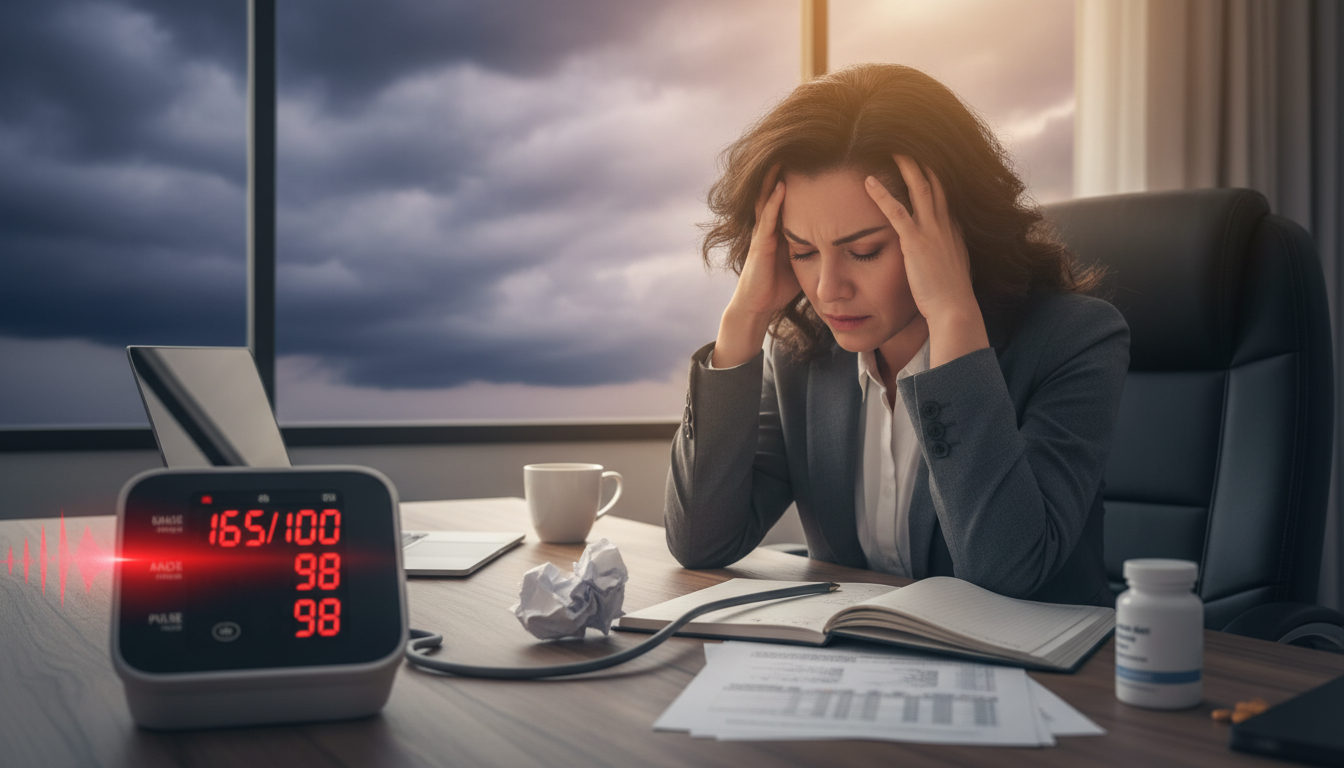
Ever felt your heart racing during a stressful job interview? You might wonder if it’s harming your health. Many of us face intense moments that make us worry about our body’s state and safety. It’s crucial to know if temporary stress can lead to lasting health problems.
While brief stress can cause temporary spikes, it usually doesn’t lead to long-term high blood pressure. However, studies show a connection between worry and high blood pressure. We need to tackle both anxiety and high blood pressure to keep our hearts healthy and live a long, vibrant life.
Key Takeaways
- Short-term tension causes temporary physiological rises.
- Chronic hypertension usually requires more than just emotional stress.
- Frequent mental surges might lead to arterial damage over time.
- Stress management plays a major role in cardiovascular health.
- Early detection of mental distress helps protect your heart.
- Our bodies react to fear by tightening our internal vessels.
Understanding Anxiety and Its Effects
Anxiety is a big problem for adults, affecting many people. It’s more than just feeling worried or scared. It can really hurt your mind and body. Learning about anxiety is key to managing it, especially how it affects high blood pressure.
What is Anxiety?
Anxiety is a normal feeling of tension and worry. It can make your body ready to face or run from danger. But, too much anxiety can mess up your daily life, showing it’s a disorder.
Common Symptoms of Anxiety
Anxiety symptoms vary but often include constant worry and fear. You might also feel your heart racing, sweat a lot, shake, or have trouble breathing. Knowing these signs helps you find help.
Spotting anxiety’s signs is vital for keeping your health, like your blood pressure, safe. By recognizing symptoms and learning about anxiety, you can start to lessen its harm.
The Connection Between Stress and Blood Pressure
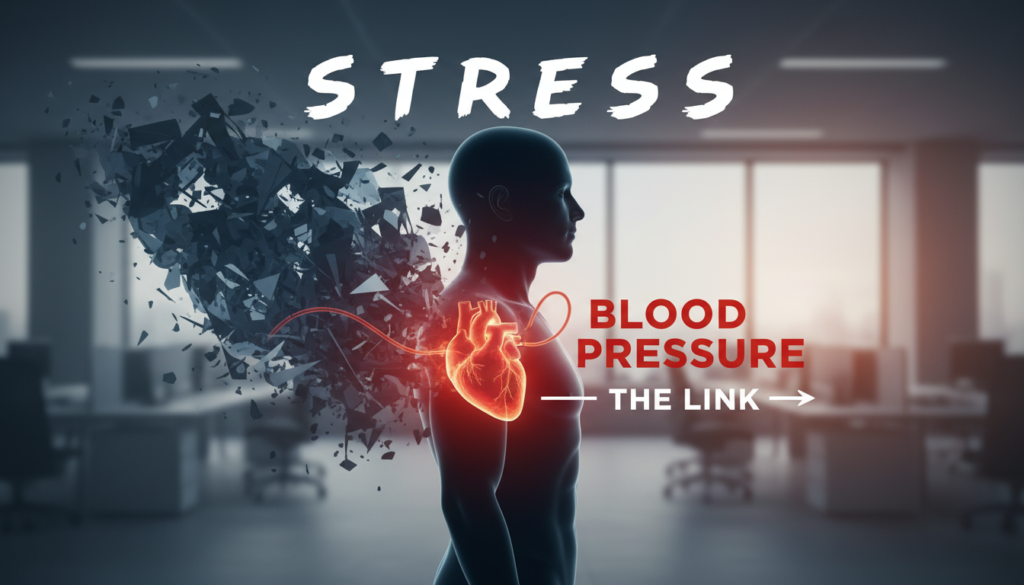
Stress, anxiety, and blood pressure are closely linked. Our body’s response to stress can harm our heart health.
How Stress Affects the Body
Stress makes our body ready to face threats. This is called the “fight or flight” response. It increases heart rate and blood pressure.
Long-term stress can lead to hypertension, or high blood pressure. It affects our health through the nervous and endocrine systems.
The Role of Cortisol
Cortisol is a hormone that helps us deal with stress. It controls many body functions, like metabolism and the immune system. Cortisol levels usually go up in the morning and down at night.
But, long-term stress can mess with this rhythm. This can cause weight gain, mood swings, and high blood pressure.
| Physiological Response | Effect on Blood Pressure |
|---|---|
| Increased Heart Rate | Rises due to increased cardiac output |
| Vasoconstriction | Increases peripheral resistance, raising blood pressure |
| Cortisol Release | Can lead to sustained elevations in blood pressure |
Stress from a clinic or hospital visit can also raise blood pressure. This is called white coat hypertension. It shows how stress can really affect our blood pressure.
Mechanisms of Anxiety-Induced Blood Pressure Rise
Anxiety makes our body react in ways that can raise blood pressure. This complex process involves many systems and pathways. It affects our heart and blood vessels.
Often, temporary blood pressure increases can harm our blood vessels, heart, and kidneys. It’s important to understand how anxiety raises blood pressure. This knowledge helps us manage its effects on our health.
The Fight or Flight Response
The fight or flight response is our body’s natural reaction to danger or stress. It releases stress hormones like adrenaline and cortisol. This prepares us to face or flee from threats, causing our heart rate and blood pressure to rise.
The fight or flight response is a key factor in anxiety-related increases in blood pressure. Our body gets ready for action by constricting blood vessels and pumping more blood. This leads to higher blood pressure.
Heart Rate and Blood Pressure Interaction
Heart rate and blood pressure work together to show how anxiety affects our heart. When we’re anxious, our heart beats faster, pumping more blood. This can cause blood pressure to rise if our blood vessels can’t handle the extra flow.
The relationship between heart rate and blood pressure is intricately linked, with changes in one often influencing the other. In anxiety, this connection can cause big changes in blood pressure. If not managed, it can lead to high blood pressure.
Short-Term vs. Long-Term Effects of Anxiety
Anxiety’s impact on blood pressure changes based on its duration. Knowing this helps in managing mental health and blood pressure elevation better.
Anxiety comes in different forms, each affecting the heart and blood vessels differently. Studies show a strong link between anxiety and a higher risk of high blood pressure.
Acute Anxiety and Temporary Blood Pressure Spikes
Acute anxiety triggers the “fight or flight” response, causing heart rate and temporary blood pressure spikes. These effects usually go away once the cause of anxiety is gone.
For example, during a stressful event, blood pressure might go up. But once the stress is over, blood pressure usually goes back to normal. This is a normal reaction to a threat.

Chronic Anxiety and Persistent Hypertension
Chronic anxiety can cause lasting problems with blood pressure. The constant stress response can lead to long-term high blood pressure. This can be very harmful if not treated.
Our research shows that chronic anxiety increases the risk of long-term high blood pressure. It’s important to manage anxiety and blood pressure well to avoid this risk.
Reducing stress and making lifestyle changes can help keep blood pressure healthy. By tackling anxiety, people can lower their risk of high blood pressure and heart disease.
Factors That Influence Blood Pressure in Anxious Individuals
Anxiety’s effect on blood pressure varies and depends on several factors. When we feel anxious, our body’s response is shaped by genetics, environment, and lifestyle.
Genetics and Family History
Genetics and family history are key in how anxiety affects blood pressure. Studies show that those with a family history of high blood pressure are more likely to see their blood pressure rise with anxiety. Genetic predisposition can affect the body’s stress response, making some more prone to anxiety-related blood pressure increases.
Knowing the role of genetics in anxiety and blood pressure can help manage the condition. If you have a family history of hypertension or anxiety, it’s crucial to be aware of your risk. Talk to your healthcare provider about these factors.
Lifestyle Choices and Habits
Lifestyle choices and habits also play a big role in the anxiety-blood pressure relationship. Anxious or stressed people often engage in behaviors that raise blood pressure, like smoking or overeating. These habits can worsen anxiety’s impact on heart health.
Choosing a healthy lifestyle can help counter anxiety’s effects on blood pressure. This means eating well, exercising, and avoiding harmful substances. Healthy habits can lower the risk of high blood pressure and heart problems.
Being mindful of how anxiety influences lifestyle choices is important. By managing anxiety, we can avoid behaviors that harm our blood pressure.
Managing Anxiety to Support Healthy Blood Pressure
Managing anxiety is key to keeping our hearts healthy. It boosts our mental health and helps keep blood pressure in check. Using home blood pressure monitors helps doctors and patients get accurate readings for better care.
Stress-Reduction Techniques
There are many ways to reduce stress and anxiety. This helps keep blood pressure healthy. Here are a few:
- Meditation: It lowers stress and anxiety.
- Deep Breathing Exercises: They calm the mind and body.
- Yoga: It combines movement with deep breathing for stress relief.
Adding these to our daily routine can help manage stress and anxiety. This can also help keep blood pressure in a healthy range.
Importance of Regular Exercise
Regular exercise is vital for managing anxiety and blood pressure. It boosts heart health and helps with mental health by reducing anxiety.
| Type of Exercise | Benefits for Anxiety and Blood Pressure |
|---|---|
| Aerobic Exercise (e.g., walking, cycling) | Reduces anxiety, improves heart health, and lowers blood pressure. |
| Resistance Training (e.g., weightlifting) | Improves physical health and reduces anxiety. |
| Flexibility Exercises (e.g., yoga, stretching) | Increases flexibility, reduces stress, and improves mental well-being. |
By using stress-reduction techniques and exercising regularly, we can manage anxiety and support healthy blood pressure. This approach improves our heart health and overall quality of life.
Seeking Help for Anxiety: When to Consult a Professional
Knowing when to get help for anxiety is a big step. Anxiety can really hurt your mental and physical health, like your blood pressure. If you can’t control your anxiety or it stops you from doing daily things, you should talk to a doctor.
Signs that Indicate the Need for Professional Help
There are clear signs you need to see a professional for anxiety. These include:
- Feeling anxious for a long time
- Anxiety that messes with your daily life
- Not being able to control your anxiety
- Physical signs like a fast heartbeat, sweating, or shaking
If you see any of these signs, it’s time to talk to a healthcare provider. They can check your situation and suggest the best treatment.
Types of Treatment Options Available
There are many ways to handle anxiety. These include:
- Therapy: Cognitive-behavioral therapy (CBT) helps change how you think and act.
- Medications: Doctors might give you antidepressants or benzodiazepines to help with anxiety.
- Lifestyle Changes: Exercise, eating right, and stress-reducing activities like meditation or yoga can help too.
By getting professional help, you can make a plan to manage your anxiety. This can help improve your overall health, including your blood pressure.
Conclusion: The Importance of Monitoring Your Health
It’s key to understand how anxiety and blood pressure are connected. Anxiety can really affect our blood pressure. So, it’s important to manage our anxiety well.
Getting accurate blood pressure readings is crucial. This is backed by many health studies. By keeping an eye on our health, we can learn more about anxiety and blood pressure. This helps us take steps to manage both.
Maintaining a Healthy Balance
To handle anxiety and blood pressure, we need a whole approach. This includes reducing stress, exercising regularly, and living a balanced life. These steps help lessen anxiety’s impact on our blood pressure.
Proactive Health Management
We should always be looking after our health. This helps prevent and manage high blood pressure linked to anxiety. Being proactive about our health lowers the risks of anxiety and blood pressure problems.