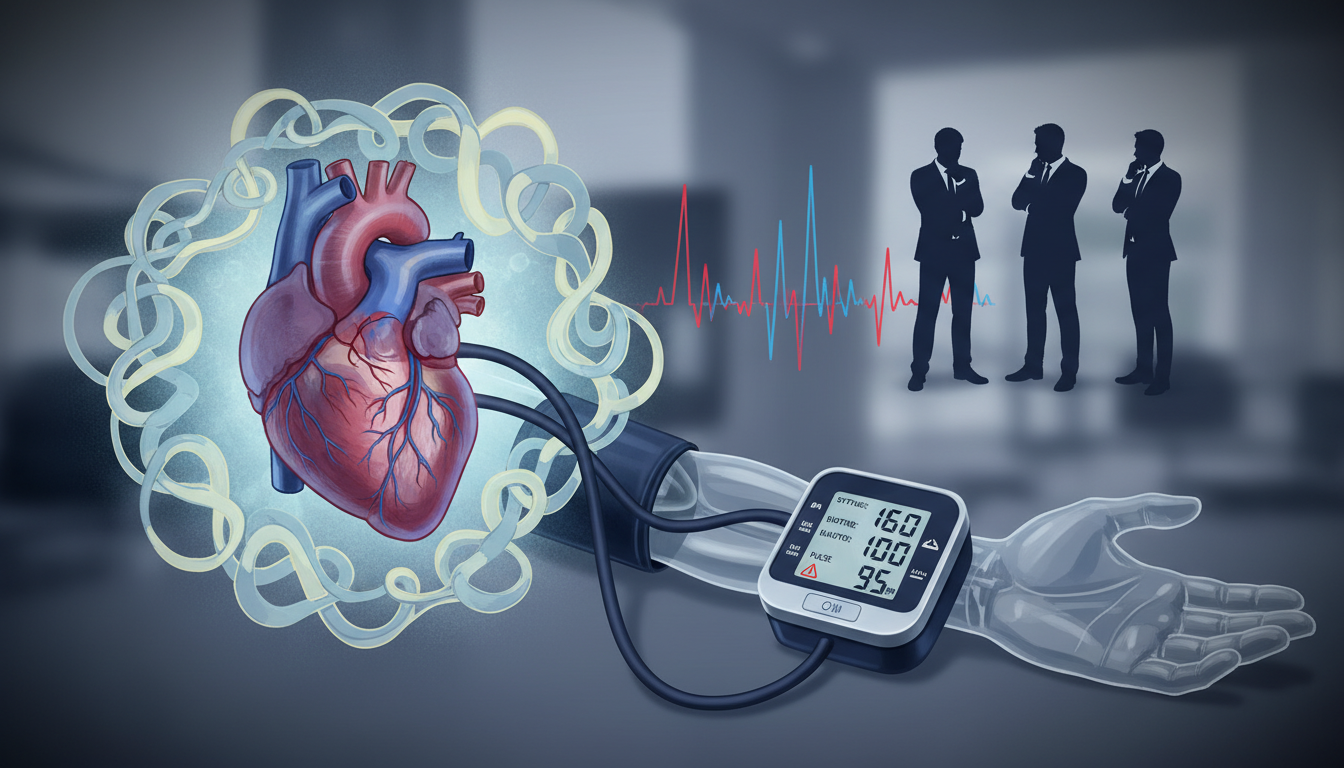
What if a routine doctor’s visit could accidentally misdiagnose your heart health?
Two of the most common health challenges in our society are deeply intertwined. Millions of Americans navigate their effects daily, often without realizing how one can directly influence the other.
Data reveals a striking picture. An estimated 31% of American adults will experience an anxiety disorder. At the same time, close to half of all adults in the U.S. have hypertension, based on current guidelines.
This intersection isn’t just a coincidence. When we feel intense nervousness, our cardiovascular readings can temporarily spike. Over time, chronic stress may contribute to sustained elevated readings.
This phenomenon, often called white coat syndrome, shows how a clinical setting can trigger false highs. Understanding this link is our first step toward taking control.
We can learn to monitor both our mental and physical states more accurately. This knowledge empowers us to have better conversations with healthcare providers and pursue effective management strategies.
Key Takeaways
- Anxiety disorders and high blood pressure are two highly prevalent conditions affecting a large portion of the U.S. adult population.
- Intense nervousness can cause temporary spikes in cardiovascular readings, which may influence medical assessments.
- Chronic stress is considered a potential contributor to long-term hypertension, making the connection a significant public health concern.
- Accurate monitoring at home can help distinguish between temporary elevations and a consistent hypertensive condition.
- Proactive management of both well-being and heart health often involves shared strategies, including lifestyle modifications.
- Open communication with a doctor is essential for correctly diagnosing and treating these interconnected issues.
Understanding Anxiety and Its Impact on Blood Pressure
Our mental state can send powerful signals to our cardiovascular system, often without us realizing it. This connection is crucial to understand for our overall well-being.
Defining Anxiety and Recognizing Symptoms
Anxiety is more than occasional worry. It becomes a mental health concern when feelings are intense, persistent, and interfere with daily life. This affects about 31% of adults at some point.
Common symptoms include restlessness, muscle tension, and trembling. Many people also experience a racing heart rate. These signs show the body‘s direct response to perceived threat.

How Anxiety Affects Cardiovascular Health
When we feel anxious, our stress response activates immediately. This causes a surge in heart rate and a temporary rise in blood pressure. Stress hormones like cortisol flood our system.
Repeated episodes can strain the cardiovascular system over time. This is why people with chronic, unmanaged anxiety face a higher risk of heart disease. The effects are both immediate and long-term.
Managing our mental health can have a positive impact on heart health. It’s a two-way street. Addressing one concern often helps the other.
White Coat Syndrome and Masked Hypertension: What You Need to Know
Two hidden conditions can distort the true picture of our heart health during medical check-ups. Understanding both is key to getting the right care.
The Phenomenon of White Coat Hypertension
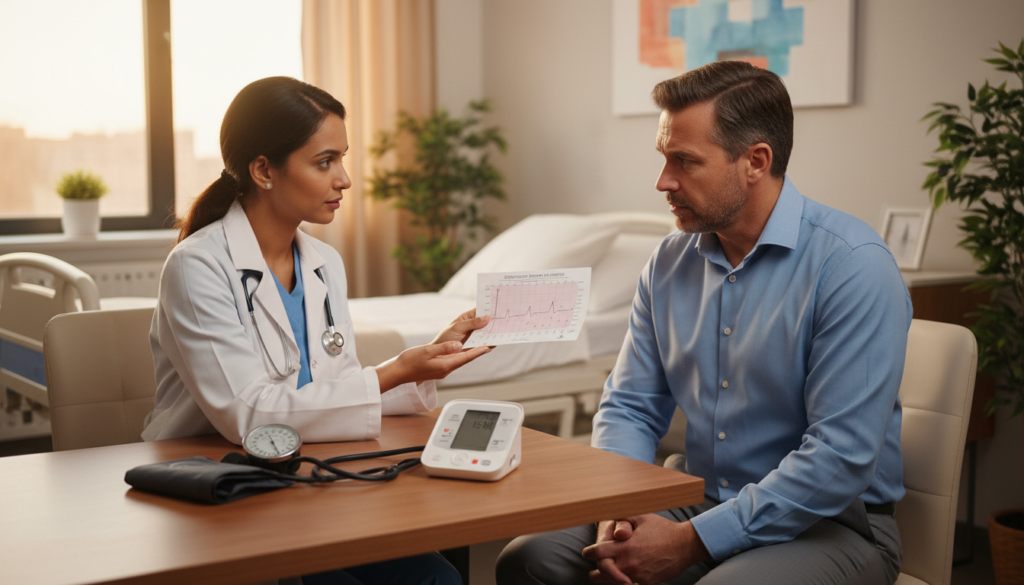
White coat hypertension happens when stress in a clinic causes temporary high blood pressure readings. It affects about one in five patients.
This anxiety can spike numbers by 10 points or more. A UAB study suggests most adults with high office readings but no medication need screening for this.
Uncovering Masked Hypertension and Its Risks
Masked hypertension is the opposite. Patients have genuine high blood pressure daily, but it looks normal at the doctor.
This hides the need for treatment, raising the risk of heart disease over time.
| Condition | Primary Cause | Key Risk |
|---|---|---|
| White Coat Hypertension | Stress in clinical settings | Overmedication for a condition you don’t have |
| Masked Hypertension | Normalized pressure in doctor’s office | Missing needed treatment for a real condition |
| Both Conditions | Inaccurate single-measurement diagnosis | Poor long-term cardiovascular health outcomes |
Accurate measurement requires sitting quietly for five minutes first. For a true diagnosis, tracking your blood pressure at home is essential.
Lifestyle Changes for Heart Health: Exercise, Diet, and Sleep
The foundation for lasting health isn’t found in a pill bottle, but in the consistent, positive choices we make each day. These daily modifications form a powerful first line of defense for our overall well-being.
Incorporating Regular Exercise and Mindfulness
Moving our body regularly is a powerhouse strategy. Physical activity releases endorphins that boost mood and helps our brain cope with stress.
According to the Anxiety & Depression Association of America, for some, exercise can work as well as medication. A simple daily walk or gardening can make a significant difference.
Adopting a Heart-Healthy Diet and Improving Sleep
Following a plan like the DASH eating plan supports cardiovascular health. It focuses on vegetables, whole grains, and lean proteins while limiting fats and sugars.
This diet helps manage blood pressure and provides stable energy. Meanwhile, quality sleep is non-negotiable for keeping our blood vessels healthy.
Poor rest increases stress and frustration, creating a harmful cycle. When we combine good sleep, a healthy diet, and regular exercise, these lifestyle changes work together brilliantly for both heart and mind.
Accurate Home Monitoring: Tips for Reliable Blood Pressure Readings
Empowering ourselves with accurate home monitoring transforms how we manage cardiovascular well-being. Reliable data collected outside the clinic is essential for distinguishing sustained hypertension from temporary spikes. This practice ensures we receive appropriate care.
Choosing the Right Home Blood Pressure Device
Following the American Heart Association’s guidance, we should select a device with an upper arm cuff validated for accuracy. Inexpensive options are available online and at pharmacies. Talking with our doctor about the best model is a smart first step.
Proper Measurement Techniques for Consistent Readings
Consistency is key. We recommend taking readings twice in the morning and twice in the evening for one week. Always sit quietly for five minutes first, with feet flat on the floor.
The Role of Regular Self-Monitoring
Regular self-tracking empowers both patients and physicians with better information. Devices that automatically record measurements eliminate manual errors. This comprehensive data helps identify masked cases and prevents cardiovascular risks.
Natural Remedies and Supplements: Balancing Anxiety and High Blood Pressure
The world of natural supplements offers a promising avenue for supporting both mental calm and cardiovascular health. Many people prefer exploring these options before starting prescription medications.
This is a reasonable approach when done safely under medical supervision.
Exploring Supplements for Anxiety and Blood Pressure
Specific herbs and minerals show potential. For easing nervousness, consider magnesium, ashwagandha, or lemon balm. Chamomile, l-theanine, and valerian root are also popular.
For supporting healthy cardiovascular readings, garlic, green tea, and l-arginine may be useful. Notably, magnesium can benefit both conditions.
It’s helpful to understand the primary uses of common options. The table below provides a quick overview.
| Supplement | Primary Benefit | Key Consideration |
|---|---|---|
| Magnesium | Supports relaxation & healthy circulation | Dosage is critical; forms vary |
| Ashwagandha | Helps the body adapt to stress | May interact with thyroid medication |
| Garlic | May improve endothelial function | Can thin blood; consult before surgery |
| L-Theanine | Promotes calm focus | Found naturally in green tea |
The Importance of Consulting Your Healthcare Provider
We must always talk to our doctor before adding any supplement. Even natural substances can interact with prescriptions.
They might cause adverse side effects or be wrong for our specific health situation. Proper dosing guidance from a qualified provider is essential.
These remedies should never be the sole treatment. They work best within a comprehensive plan that includes lifestyle changes.
If hypertension is dangerously high, pharmaceutical therapy may become necessary to safeguard long-term well-being.
Managing Anxiety Blood Pressure in Everyday Life
Building a sustainable routine is the cornerstone of managing both our emotional and physical well-being. True progress comes from weaving small, consistent habits into our daily schedule.
Building a Daily Routine to Monitor and Manage Your Health
We recommend setting regular times for checking our numbers at home. Tracking these readings and noting related circumstances helps us spot patterns.
Identifying specific triggers that cause unease is equally important. This awareness allows us to understand root causes and make supportive lifestyle adjustments.
Stress Management and Alternative Therapies
Effective techniques include spending time with loved ones and engaging in enjoyable activities like reading. Practices such as meditation, deep breathing, and yoga offer profound calm.
Structured approaches like cognitive behavioral therapy teach us to change unhelpful thought patterns. Regular physical activity provides immediate relief and long-term cardiovascular benefits.
Both conditions require ongoing follow-up with our healthcare provider. Proactively taking control through these daily strategies significantly lowers our risk of serious complications.
We can learn more about managing stress from trusted resources. Consistency with a manageable routine yields the best results over time.
Conclusion
By viewing our health holistically, we unlock more effective strategies for long-term wellness. Research shows a significant overlap between these common conditions.
Managing one often positively impacts the other. This makes integrated treatment approaches particularly powerful for people dealing with both.
Accurate home monitoring is crucial for a proper diagnosis. It helps avoid unnecessary medications and ensures we receive the right care. Foundational lifestyle changes support both cardiovascular and mental well-being.
Building sustainable routines empowers us to reduce risk and improve quality of life. Always consult your doctor to tailor a plan that works for you.