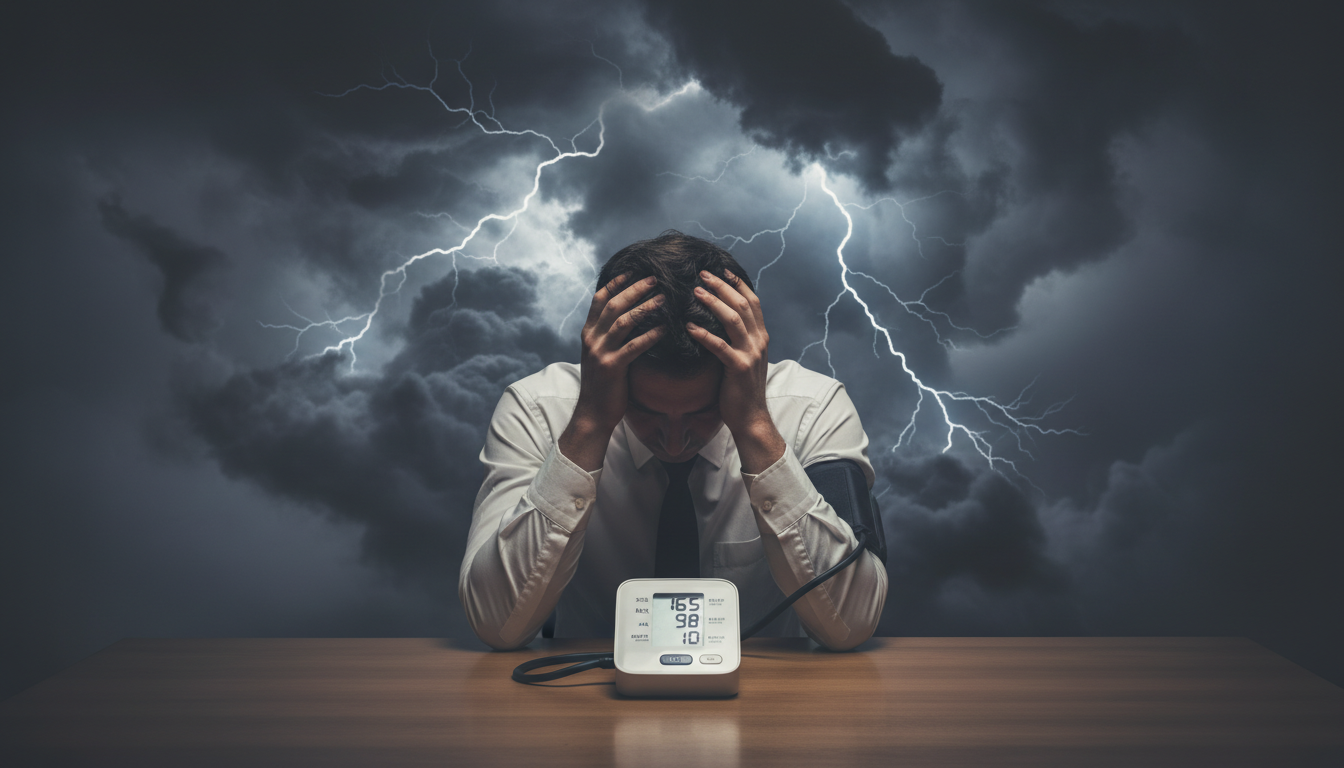
What if the worry you feel today is quietly shaping your heart’s health tomorrow?
This question gets to the heart of a vital connection millions experience. We explore the powerful link between emotional stress and physical well-being.
Data from the National Institutes of Health reveals a striking fact. Nearly one-third of American adults will face an anxiety disorder in their lifetime. This makes the relationship between mental and cardiovascular health a major public concern.
During moments of acute stress, our bodies react. This can cause temporary spikes in our cardiovascular readings. However, persistent worry has a more lasting influence.
Chronic stress may contribute to long-term hypertension through sustained physiological strain. Groundbreaking research analyzing thousands of participants supports this. Meta-analyses show anxiety significantly raises the risk of developing high blood pressure over time.
The connection works both ways. Not only can stress affect physical metrics, but hypertension is also linked to higher rates of anxiety. Understanding this cycle is essential for effective prevention and care.
Addressing our mental state can be a powerful step toward better overall health outcomes. Let’s examine the evidence and strategies for managing both.
Key Takeaways
- Anxiety disorders affect nearly one-third of American adults at some point.
- Acute stress can cause immediate, temporary spikes in blood pressure.
- Chronic anxiety may contribute to the development of long-term hypertension.
- Scientific research identifies anxiety as an independent risk factor for high blood pressure.
- The relationship between emotional stress and cardiovascular health is bidirectional.
- Managing mental well-being is a crucial component of supporting heart health.
- Understanding this link provides a foundation for effective prevention and treatment strategies.
Introduction to Anxiety, Stress, and Hypertension
Millions navigate daily life with anxiety, while half of American adults live with undetected high blood pressure. These two widespread health conditions represent major public health challenges. Understanding each separately clarifies their powerful connection.
Overview of Anxiety and Its Impact on Health
Anxiety manifests as more than occasional nervousness. It involves persistent restlessness, uncontrollable worry, and muscle tension. Physical signs like trembling are common.
These symptoms significantly disrupt daily functioning. Anxiety disorders are among the most prevalent mental health conditions people face. Left unaddressed, they can diminish quality of life, leaving patients feeling isolated.
Understanding High Blood Pressure and Its Risks
Hypertension, or high blood pressure, is remarkably common. It affects approximately half of U.S. adults. Unlike many diseases, it typically produces no noticeable symptoms.
This silent nature is why regular blood pressure checks are vital. Uncontrolled hypertension is a leading cause of mortality worldwide. It raises the risk for heart disease, stroke, and kidney failure.
Both anxiety and high blood pressure are influenced by genetic and environmental factors. Grasping their interconnection is crucial for effective prevention.
Unpacking the Mechanisms: How Anxiety Influences Blood Pressure
Our body’s ancient alarm system doesn’t distinguish between a physical threat and a looming deadline. This fight-or-flight response is a primal survival mechanism. It triggers a cascade of hormonal and physical changes.
Hormonal Responses and the Fight-or-Flight Process
The sympathetic nervous system acts as command center. It releases powerful stress hormones like adrenaline and cortisol. Adrenaline makes the heart rate spike and narrows blood vessels. This action elevates blood pressure to fuel muscles.
Cortisol boosts blood sugar for energy. Both hormones prepare the body for immediate action. This acute stress response is normal and temporary.

Physiological Changes and Vascular Responses
Short-term anxiety causes brief cardiovascular surges. Problems arise when the alarm never turns off. Chronic activation keeps blood vessels constricted and the heart working hard.
Over time, persistent stress hormones can damage vessel linings. This promotes inflammation and stiffness. Research in the Journal of Clinical Medicine links this process to sustained hypertension. The temporary spike becomes a lasting state.
How Does Anxiety Affect Blood Pressure: Exploring the Evidence
Pooling data from hundreds of thousands of participants, meta-analyses offer conclusive insights. The most comprehensive research to date synthesizes findings from over 21 separate studies.
This landmark analysis provides a definitive look at the link between mental and cardiovascular health.
Insights from Epidemiological Studies and Meta-Analyses
Cross-sectional evidence is compelling. People with anxiety have an 18% higher likelihood of having hypertension.
Prospective research reveals an even stronger connection. It shows individuals with anxiety face a 55% increased risk of developing high blood pressure in the future.
Studies tracked participants for up to 25 years. This confirms anxiety is an independent risk factor.
The results hold true across global populations. The link persists regardless of location or diagnostic method.
Comprehensive research also highlights a bidirectional relationship. Not only does anxiety elevate the risk for hypertension, but patients with high blood pressure show elevated rates of anxiety.
This evidence makes a strong case for integrated care. Managing emotional well-being is a valid strategy for supporting heart health over time.
Practical Lifestyle Strategies to Mitigate Anxiety and Hypertension
We can take proactive steps today to calm our nervous system and protect our heart health for the long term. Foundational lifestyle changes empower us to manage both emotional and physical well-being.
Stress Reduction Techniques and Mindfulness Practices
Daily mindfulness is a powerful tool. Taking just a few minutes for meditation or deep breathing calms the body’s stress response.
This practice reduces the physical symptoms of stress anxiety. Strong social bonds also buffer against stress. Spending time with supportive people boosts our mental health.

Prioritizing sleep is non-negotiable. Getting seven to nine hours nightly allows blood vessels to repair and regulates stress hormones.
Consistent routines build resilience over time. These habits support both mental health and cardiovascular health.
When to Seek Professional Guidance
Self-care has its limits. If worry persists and interferes with daily work or relationships, professional treatment is wise.
Approximately 25 million Americans live with anxiety disorders. Seeking therapy is a sign of strength.
Cognitive behavioral therapy helps challenge unhelpful thought patterns. Effective treatment can reduce anxiety symptoms and their impact on blood pressure.
For integrated support, explore resources at Workshift Anxiety. Managing stress and hypertension is a journey, but you don’t have to walk it alone.
Diet and Exercise: Building a Heart-Healthy Routine
Fueling our bodies wisely and staying active are two pillars we can control for better heart health. This lifestyle approach directly supports blood pressure management and emotional well-being.
Implementing the DASH Diet and Nutritional Tips
The DASH eating plan is a proven strategy against hypertension. It emphasizes vegetables, fruits, whole grains, and lean proteins.
Choosing low-fat dairy and limiting saturated fats is key. This nutritional pattern helps regulate blood pressure naturally.
Practical steps make adoption easier. Gradually increase vegetable intake and read food labels to avoid excess sodium. These choices empower us to fight heart disease.
Incorporating Regular Physical Activity
Regular exercise offers a dual benefit. It manages high blood pressure and reduces anxiety symptoms effectively.
Activity releases mood-boosting endorphins and distracts from worries. For some, it works as well as medication.
Aim for 15-30 minutes of movement most days. Options include walking, dancing, biking, or even gardening. Every bit of activity counts toward better health.
Beyond diet and exercise, address smoking and alcohol. Quitting smoking is vital for heart and vessel health. Moderating caffeine and alcohol intake also helps control hypertension and anxiety.
Therapeutic and Medical Interventions for Anxiety and Hypertension
When lifestyle adjustments aren’t enough, proven therapeutic and medical interventions offer a path forward. These structured approaches directly target the psychological and physiological roots of these conditions.
Cognitive Behavioral Therapy and Relaxation Methods
Cognitive behavioral therapy (CBT) is a gold-standard treatment. It helps patients identify and challenge distorted thought patterns.
This process teaches practical coping skills. These skills reduce psychological symptoms and their physical effects on the body. Specialized techniques like exposure therapy are also valuable.
Guided by a provider, individuals safely face fears. This builds confidence and reduces fear responses that can strain heart health.
Medication and Treatment Options
Medication can effectively control symptoms and reduce risks. Options include beta blockers, which may address both anxiety and high blood pressure.
Antidepressants and anti-anxiety medication are also common. Treatment often works best when therapy and medication are combined.
Working closely with a healthcare provider is vital. They create an individualized plan for regular monitoring of both conditions.
Managing these conditions together is powerful. Steps to lower blood pressure often help reduce anxiety, supporting overall health.
Monitoring Your Health: At-Home Blood Pressure and Stress Management Tips
Our daily environment holds clues to our true cardiovascular state, often missed in clinical visits. Regular tracking at home provides a reliable picture of our blood pressure without the stress of a medical setting.
Establishing a Home Blood Pressure Routine
Consistency is key. We should discuss frequency and timing with our doctor. Using a validated monitor and keeping a log helps spot patterns.
This is vital for patients who experience the “white-coat effect,” where clinic anxiety skews readings. Home checks offer a more accurate baseline.
Tracking Stress and Recognizing Warning Signs
Home monitoring is especially valuable for those with risk factors like family history or diabetes. It allows early detection of changes.
We must also note symptoms that demand immediate care. These include severe headaches, chest discomfort, or breathing difficulty.
Tracking our stress levels alongside blood pressure readings can reveal important correlations. Watch for persistent anxiety, sleep changes, or irritability.
Sharing this data with a healthcare provider over time leads to better management of both conditions. It supports heart health and overall well-being.
Conclusion
The journey toward better well-being begins with recognizing the powerful dialogue between our mind and body. Research confirms that emotional stress and cardiovascular metrics are deeply linked.
Understanding this connection allows for proactive steps. We can protect our heart health by addressing both anxiety and hypertension together.
A holistic approach is key. It combines stress management, lifestyle changes, and medical care. This strategy reduces risk factors for long-term cardiovascular issues.
Early detection makes a significant difference. Regular monitoring and open communication with providers help manage these conditions effectively.
The work we put in yields great rewards. With proper care, the impact on our daily life lessens. We gain energy for the activities we love.
Prevention and early intervention stand as the most effective forms of healthcare. Taking charge of our mental and physical well-being is an investment in a fuller, healthier future.