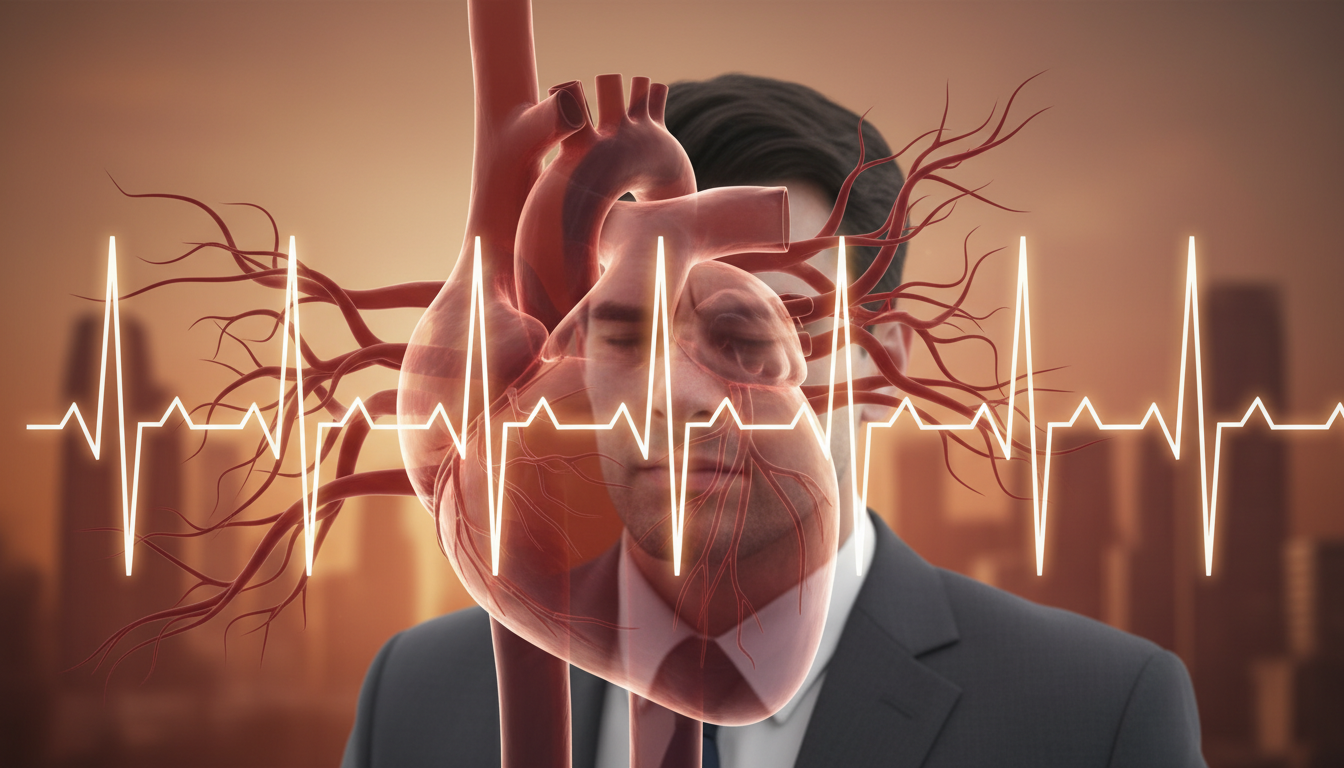
Your cardiovascular well-being is deeply connected to your emotional state. The force exerted by circulating fluid on vessel walls is a key vital sign doctors monitor.
During moments of intense worry, the body’s innate fight-or-flight system activates. This releases hormones like adrenaline, which can narrow vessels and quicken the heart. These changes often lead to temporary spikes in your readings.
Understanding this link is crucial for millions. This guide provides practical steps to manage both immediate reactions and long-term cardiovascular health. You will learn how to recognize effects and implement effective strategies.
Key Takeaways
- Intense worry can trigger the body’s fight-or-flight response, affecting your cardiovascular system.
- These hormonal changes often cause short-term elevations in your readings that typically subside.
- Managing your emotional well-being is directly tied to supporting your physical health.
- This guide offers evidence-based methods for immediate relief and lasting lifestyle changes.
- Knowing when to seek professional care is a vital part of a comprehensive management plan.
- Monitoring your levels can help you understand how your body responds to stress.
Understanding Anxiety and Its Impact on Blood Pressure
Two fundamental concepts form the basis of understanding this physiological connection.
Defining Anxiety and Blood Pressure
Your readings measure the force of circulating fluid against artery walls. The systolic number records force when your heart beats. The diastolic number shows pressure when it rests between beats.
A normal range is typically between 90/60mmHg and 120/80mmHg. In contrast, this mental state involves persistent, excessive worry. It comes with both psychological fear and tangible physical effects.
Common physical signs include a quicker pulse, chest tightness, and dizziness. Shortness of breath and sleep issues are also frequent symptoms.

How Anxiety Triggers the Fight-or-Flight Response
When you feel threatened, your body’s primal survival system activates. This is the famous fight-or-flight reaction. It prepares you to confront danger or escape from it.
The system releases powerful stress hormones, namely adrenaline and cortisol. These chemicals cause immediate cardiovascular changes. Your pulse quickens and blood vessels narrow.
This process leads to temporary spikes in your readings. While protective in real danger, frequent activation can strain your overall health.
Managing Anxiety Attack Blood Pressure
The key to stabilizing your body during and after a stressful episode lies in separating short-term techniques from long-term solutions. A complete plan uses two distinct approaches. One handles the urgent spike. The other builds habits for lasting wellness.

Immediate Steps to Lower Blood Pressure
During intense worry, systolic readings can jump 20 to 30 mmHg. This surge is usually temporary, lasting minutes to an hour. Your goal is to calm your nervous system quickly.
Specific actions can bring your levels down. Deep, paced breathing is very effective. Gentle movement and grounding exercises also help. These methods offer fast relief during the acute moment.
Long-Term Strategies for Consistent Control
Quick fixes cannot stop recurring episodes. For consistent control, you must address the root causes. This involves lifestyle changes and professional support.
Constant stress hormones make your baseline harder to manage. Long-term plans focus on diet, exercise, and sleep. Therapy or medical treatment may be part of comprehensive care.
| Aspect | Immediate Response | Long-Term Management |
|---|---|---|
| Primary Focus | Symptom relief during the episode | Addressing underlying causes |
| Main Goal | Reduce spike quickly, restore calm | Prevent frequent spikes, improve baseline health |
| Typical Timeframe | Minutes to an hour | Ongoing, weeks to months |
| Key Actions | Breathing exercises, grounding, light walking | Lifestyle modification, stress management, professional treatment |
Physiological Effects: Heart Rate, Stress Hormones, and Blood Pressure
Behind every spike in your readings lies a complex cascade of hormonal and nervous system activity. This section explains the precise biological mechanisms at play.
Role of Adrenaline and Cortisol
Adrenaline creates immediate physical effects. It makes your heart rate soar and tightens blood vessels.
This prepares the body for rapid action. Cortisol is a longer-acting hormone. It maintains elevated arousal even after the initial surge.
Impact on the Cardiovascular System
The autonomic nervous system takes command. This increases cardiac output and vessel resistance.
These changes directly raise your blood pressure. Frequent activation has cumulative effects.
It can promote inflammation and strain the heart. Over time, this may harm vessels and kidneys.
Techniques to Lower Blood Pressure During an Anxiety Episode
You can actively counteract the physical effects of intense worry by using targeted relaxation methods. These practices help calm your nervous system quickly.
They are powerful tools you can use anywhere. No special equipment is needed.
Deep Breathing and Grounding Techniques
Deep, controlled breathing directly counters the body’s stress alarm. It signals safety to your brain.
Try diaphragmatic breathing. Inhale for four seconds, feeling your belly expand. Hold for two, then exhale slowly for six seconds.
Grounding techniques pull your focus to the present. This interrupts racing thoughts.
- Take a short walk and notice your surroundings.
- Practice positive self-talk.
- Use the 5-4-3-2-1 method: name things you see, hear, and feel.
Progressive Muscle Relaxation and Mindfulness
Progressive Muscle Relaxation (PMR) releases physical tension. Gently tense then relax each muscle group, from your toes to your head.
This process diverts your mind and eases bodily strain. It can help lower your readings.
Mindfulness meditation fosters calm awareness. Even five-minute sessions reduce worry’s physical impact.
These evidence-based methods offer immediate relief. They are accessible first steps for better cardiovascular health.
Lifestyle Adjustments for Better Mental and Cardiovascular Health
Building lasting wellness requires a holistic approach that nurtures both mind and body. Small, consistent changes in your daily routine can create powerful, positive shifts in your overall well-being.
These adjustments work together to build resilience and support your entire system.
Benefits of Regular Exercise and Physical Activity
Moving your body is a cornerstone of good health. Regular physical activity helps regulate stress hormones and improves cardiovascular function.
Aim for at least 150 minutes of moderate-intensity movement each week. Brisk walking, swimming, or cycling are excellent choices.
Nutrition, Sleep, and Stress Management
What you eat directly impacts how you feel. Focus on a diet rich in fruits, vegetables, and whole grains.
Limiting sodium and ensuring quality sleep are equally vital. Most adults need 7-8 hours per night for optimal function.
“Sustainable health is built daily, through the food we choose, the rest we allow, and the peace we cultivate.”
Simple stress management, like setting boundaries, supports long-term stability.
Seeking Professional Support and Therapy Options
When self-management isn’t enough, professional care is a smart step. Cognitive behavioral therapy (CBT) is a highly effective treatment.
It helps individuals reframe thought patterns that affect their mental health. Seeking help is a sign of strength and can greatly enhance your quality of life.
Understanding the Link: Managing Stress, Anxiety, and Hypertension
Recognizing the signs that connect mental strain to physical changes is a critical first step. Millions experience a bidirectional relationship where each condition can worsen the other.
This complex link affects a significant portion of adults. Understanding it is key to proactive health management.
Recognizing Warning Signs and Triggers
Common warning symptoms include persistent worry, chest tightness, and sleep disturbances. A consistently elevated heart rate can also signal that your emotional state is affecting your body.
Identifying personal triggers allows for better control. These are specific situations or thoughts that provoke a strong response.
Shared risk factors, like chronic stress or poor diet, impact both conditions. Addressing these factors benefits your overall wellness.
Importance of Regular Blood Pressure Monitoring
For people with emotional strain, tracking is essential. A diagnosis of hypertension requires multiple readings over time, not just a single high number.
Home monitoring helps identify true patterns. It separates temporary spikes from sustained elevated levels.
This practice protects your cardiovascular system. Consistent high readings warrant a doctor’s visit to rule out heart disease risk.
While emotional strain doesn’t directly cause chronic hypertension, its cumulative effect can strain the body. Regular checks are a simple, powerful tool.
Conclusion
Proactive health management means breaking the cycle where stress and cardiovascular strain reinforce each other. While emotional distress doesn’t directly cause chronic hypertension, frequent spikes in your readings can create cumulative effects over time.
This strain may impact your heart, vessels, and kidneys. Early detection of both symptoms and elevated levels is crucial for better treatment outcomes.
A complete approach combines immediate relief techniques with lasting lifestyle factors. Professional care plays a key role when needed.
You now have the knowledge to take proactive steps. For a deeper dive, explore this comprehensive guide to anxiety and hypertension. Managing both conditions is essential for long-term wellness and quality of life.