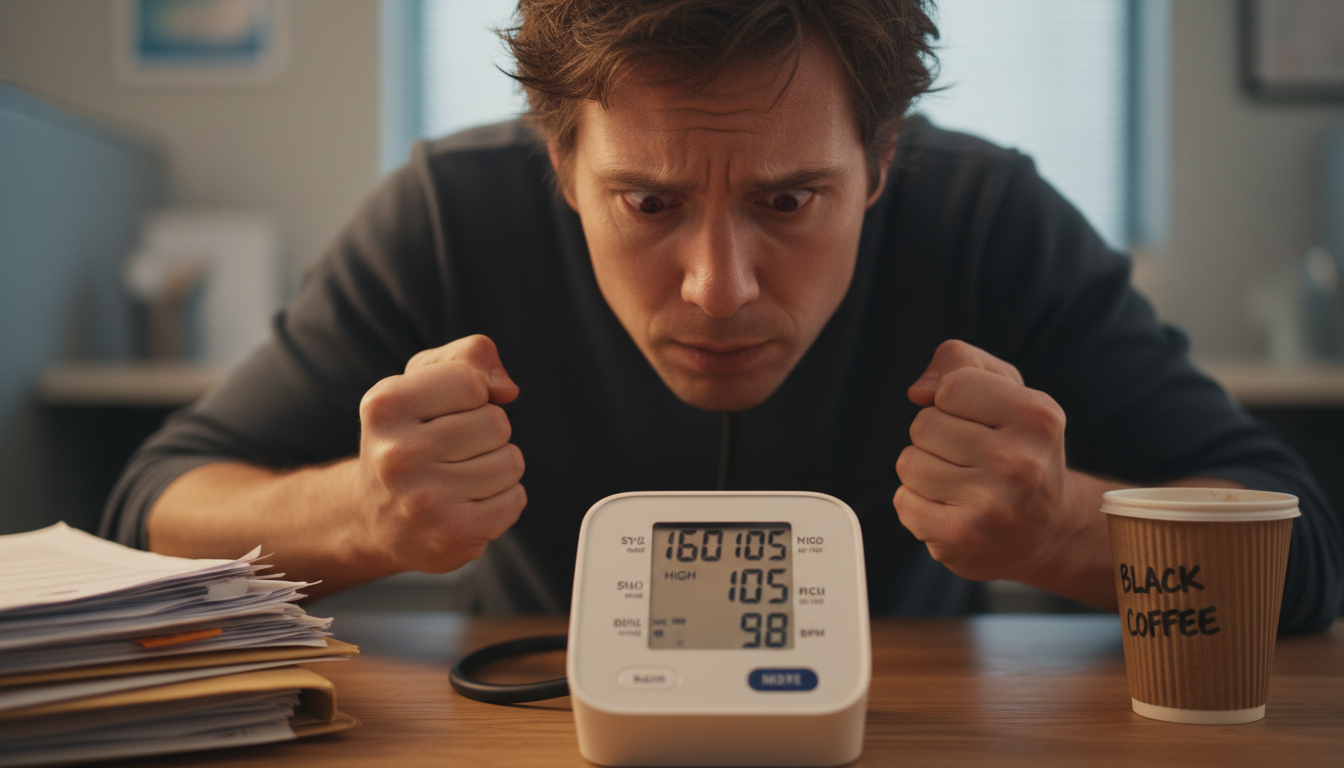
Your mind and body are deeply connected. Intense worry or fear doesn’t just stay in your head. It creates a powerful physical reaction.
This is often called the fight-or-flight response. Your system releases stress hormones like adrenaline and cortisol.
These chemicals make your heart beat faster. They also cause blood vessels to tighten up. The result is a sudden, temporary rise in your cardiovascular readings.
Such a spike can be significant. It may increase numbers by 20 to 30 points or more. This effect usually lasts from a few minutes to about an hour.
While a single event is typically not harmful, repeated episodes add strain. This ongoing stress can impact long-term wellness.
The statistics are telling. Nearly half of American adults live with hypertension. At the same time, anxiety disorders affect about 20% of adults each year.
Understanding this link is the first step toward better health. It helps you recognize what’s happening in your body during stressful moments.
Key Takeaways
- Mental stress triggers a strong physical response known as fight-or-flight.
- Hormones like adrenaline and cortisol cause your heart rate to speed up and vessels to constrict.
- This leads to a short-term increase in cardiovascular readings, often by 20-30 points.
- These spikes are usually temporary, lasting from minutes to an hour.
- Frequent episodes of high stress can put extra strain on your heart and vascular system.
- Hypertension and anxiety disorders are very common, and they often occur together.
- Knowing this connection empowers you to take action for both mental and physical well-being.
Understanding the Connection Between Anxiety and Blood Pressure
When fear or worry strikes, your cardiovascular system reacts in measurable ways. This link is rooted in your body’s built-in alarm system.
Your brain signals a shift from calm to high alert. This process involves your autonomic nervous system.
How Anxiety Affects the Body and Heart
The sympathetic branch takes control. It prepares you for action.
Your pulse quickens. Blood vessels constrict to redirect flow. This increases cardiac output and peripheral resistance.
These changes are designed for short bursts. Modern life can trigger them too often.
The Role of Stress Hormones in Blood Pressure Spikes
Chemical messengers like adrenaline and cortisol flood your system. They are the primary drivers of the physical reaction.
These hormones make your heart beat with more force. They also tighten vascular pathways.
The result is a temporary but significant rise in your readings. Repeated exposure can strain your vessels over time.
This pattern may contribute to inflammation and long-term cardiovascular risk. Knowing this biology validates your physical experience.
Recognizing the Symptoms and Signs
Physical sensations can be the first clue that anxiety is taking a toll. Your body sends clear signals during moments of high stress.
Identifying Anxiety-Related Physical Symptoms
Common signs include a racing heart or chest tightness. Many people report dizziness, headaches, and shortness of breath.
These physical symptoms often cluster together. Sweating, trembling, and sleep disturbances are also frequent.
This constellation of feelings can temporarily elevate your cardiovascular readings. It creates a cycle that feels overwhelming.

When to Consider a Professional Evaluation
Talk to a doctor if these episodes occur multiple times per week. Seek help when symptoms disrupt your daily routine.
Persistent worry about your health is another key sign. Professional evaluation provides clarity and a path forward.
Early intervention supports long-term wellness. It helps manage both the mental and physical aspects of stress.
Measuring and Monitoring Blood Pressure Accurately
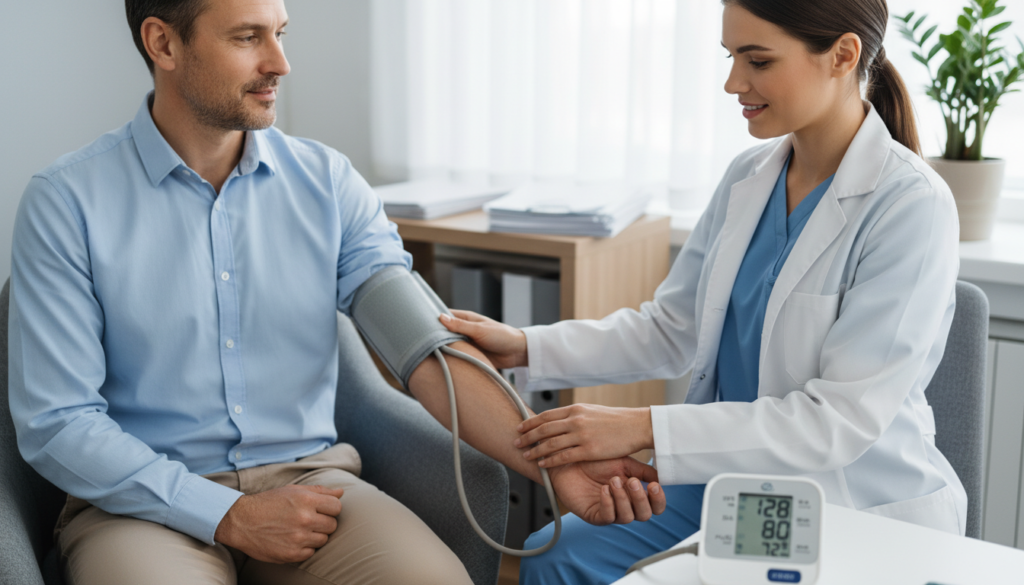
Medical visits themselves can influence the very readings doctors rely on for diagnosis. A single clinic measurement may not show your typical daily numbers.
For a true assessment, context is key. Your environment and state of mind during the test matter greatly.
Clinic Readings vs. Home Monitoring
The clinical setting can be stressful. You might feel rushed or worried about your health.
This can temporarily elevate your numbers. In contrast, home checks usually reflect a more relaxed baseline.
Consistent home tracking provides clearer data. It helps your physician see patterns over time.
| Factor | Clinic Setting | Home Setting |
|---|---|---|
| Environment | Often unfamiliar, clinical | Familiar, comfortable |
| Typical Stress Level | Potentially higher | Generally lower |
| Timing of Readings | Single point in time | Multiple times per day |
| Data for Physician | One snapshot | A week-long log |
“For an accurate blood pressure reading, patients should rest quietly, seated with feet flat, for at least five minutes prior.”
Understanding White Coat and Masked Hypertension
White coat hypertension describes elevated numbers only at the doctor’s office. Stress about the visit causes this spike, affecting about one in five people.
Masked hypertension is the opposite. Readings appear normal at the clinic but are high in daily life.
This can delay needed care. Nearly 93% of adults with high office readings but no medication should be screened for the white coat effect.
Home monitoring helps distinguish between these conditions. It guides proper treatment decisions.
Effective How-To Techniques to Manage Anxiety and Blood Pressure
Managing both mental and physical health requires specific, actionable strategies. You can learn methods for immediate calm and build habits for lasting wellness.
Immediate Relief Methods: Deep Breathing and Grounding Techniques
When stress builds, try deep breathing. Inhale slowly for four seconds, then exhale for six.
This pattern activates your calming nervous system. It can lower your heart rate within minutes.
Grounding techniques also help. Use the 5-4-3-2-1 method to focus on your senses.
Notice five things you see, four you can touch, three you hear, two you smell, and one you taste. This interrupts racing thoughts.
Light movement, like a short walk, helps too. It uses up stress hormones.
Stay hydrated and cut back on caffeine. Both support stable cardiovascular function.
Lifestyle Adjustments for Long-Term Benefits
Regular physical activity is a powerful treatment. Aim for 150 minutes of moderate exercise each week.
This improves fitness and regulates stress. Brisk walking, swimming, or cycling are great choices.
Dietary changes matter. Eat more fruits, vegetables, and whole grains.
Limit sodium to under 2,300 mg daily. This can reduce your readings significantly.
Prioritize seven to eight hours of quality sleep nightly. Good rest balances your hormones.
Other key adjustments include weight management, quitting smoking, and limiting alcohol. Even small steps create big benefits over time.
| Strategy Type | Primary Goal | Key Actions | Expected Benefit |
|---|---|---|---|
| Immediate Relief | Quick symptom reduction | Deep breathing, grounding, light walk | Lowers heart rate, interrupts anxiety cycle |
| Long-Term Habit | Sustained wellness | Regular exercise, balanced diet, good sleep | Improves cardiovascular resilience, stabilizes mood |
| Combined Approach | Full-spectrum management | Use both immediate and long-term techniques daily | Addresses root causes for lasting change |
Exploring Anxiety Attack and Blood Pressure: A Closer Look at Risk and Prevention
Living with both conditions simultaneously amplifies the threat to your cardiovascular system far beyond either one alone. This combination raises the danger for major events.
Recognizing the Impact on Heart Health
Hypertension alone is a significant factor for heart disease. Adding persistent worry substantially elevates this threat.
Research shows people with both face higher rates of coronary issues. The risk for stroke also increases significantly.
Chronic stress with elevated readings accelerates atherosclerosis. Repeated spikes damage arterial walls, promoting plaque.
The relationship is bidirectional. Worry can lead to hypertension through sustained hormone elevation. Having hypertension often creates health anxiety, forming a difficult cycle.
Shared risk factors include:
- Genetic vulnerabilities
- Chronic stress exposure
- Poor sleep quality
- Sedentary lifestyle
This duo affects daily functioning. It can cause sleep disturbances, reduced energy, and social withdrawal. These issues lower treatment compliance.
Prevention requires coordinated care. Some medications, like beta-blockers, can address both conditions effectively.
Conclusion: Taking Control of Your Heart and Mental Health
The journey toward better health starts with recognizing that emotional distress and physical readings are often two sides of the same coin. Both anxiety and temporary blood pressure elevations are highly treatable. Getting early support can prevent complications and lead to lasting relief.
A comprehensive approach addresses both the mind and body. This coordinated care is essential, as managing stress for heart health is a proven strategy. It helps interrupt the cycle where worry spikes readings, and health concerns fuel more worry.
Talk to your doctor about a full evaluation. A personalized treatment plan can help you feel more stable and grounded. Taking this step empowers you to protect your long-term cardiovascular and mental health.