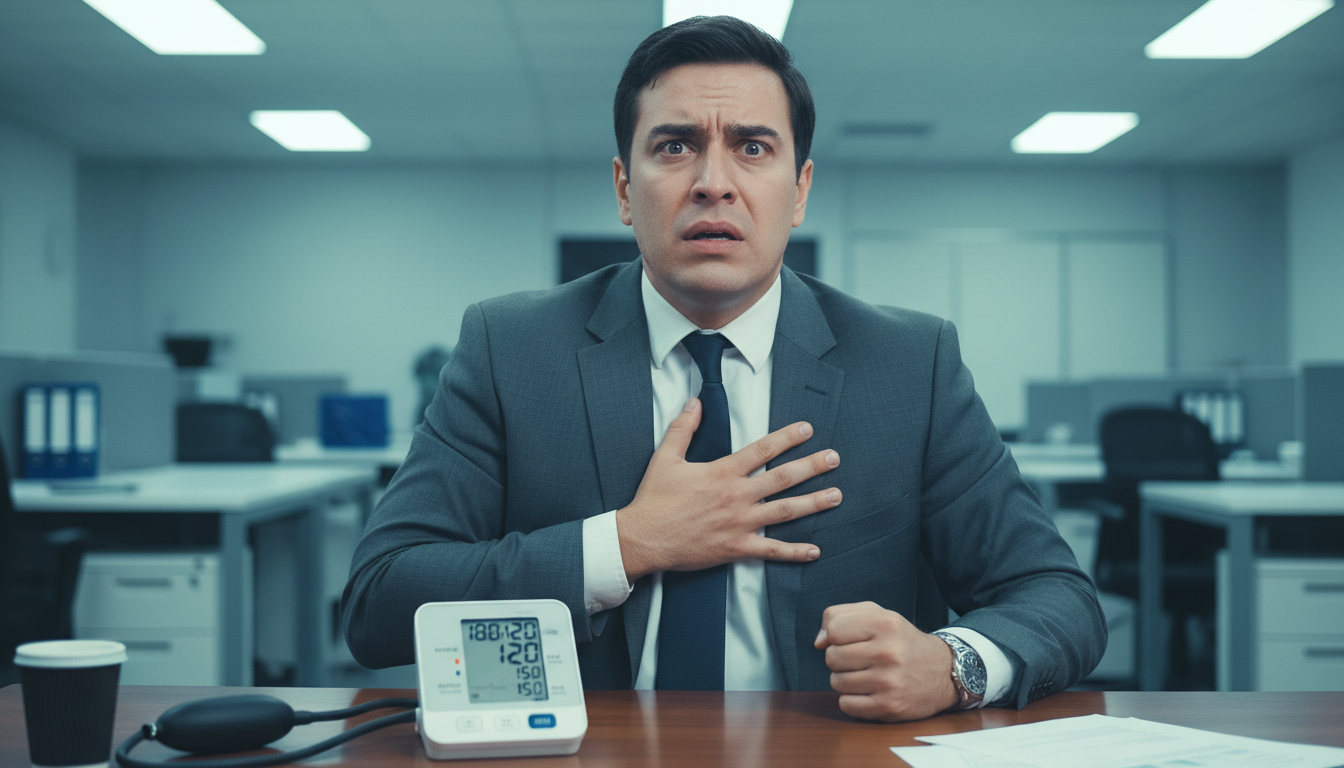
Millions of Americans navigate the complex interplay between cardiovascular and mental health. These two conditions often feed into each other, creating a cycle that challenges overall well-being.
Understanding this connection is the first step toward better management. Frequent bouts of anxiety can trigger sudden, temporary rises in blood pressure.
While this doesn’t directly cause long-term high blood pressure, repeated spikes may strain your heart and blood vessels over time. This highlights why a combined approach is so vital.
Research shows a meaningful link where each issue can worsen the other. This bidirectional relationship means treating them in isolation is often less effective.
This guide explores practical strategies to manage both. You will learn how lifestyle changes and coordinated care can protect your cardiovascular system and improve emotional wellness.
Key Takeaways
- Anxiety episodes cause temporary blood pressure spikes, not chronic hypertension.
- High blood pressure and anxiety disorders influence and can worsen each other.
- Nearly half of U.S. adults have elevated blood pressure; one in five experiences anxiety yearly.
- When left unmanaged, these conditions can lower treatment compliance and daily functioning.
- Recognizing early signs of both issues leads to more effective interventions.
- A coordinated care plan addressing physical and mental health together is essential.
- Lifestyle modifications can simultaneously improve cardiovascular and emotional wellness.
Understanding Blood Pressure and Its Impact on Your Health
Your blood pressure reading tells a story about the force circulating blood applies to your artery walls. This force is a vital sign of your cardiovascular health. Keeping it in a healthy range protects your heart and vessels.
Systolic vs. Diastolic Readings Explained
Every pressure reading has two numbers. The top number is systolic. This measures pressure when your heart contracts and pumps.
The bottom number is diastolic. It shows the pressure when your heart rests between beats. Together, they give a complete picture.
Normal blood pressure is below 120/80 mmHg. Consistent readings at 130/80 mmHg or higher signal high blood pressure. This requires medical attention.
Risk Factors and Monitoring Your Blood Pressure
Elevated blood pressure is often called a silent threat. It rarely shows clear symptoms early on. Damage can happen slowly over years.
Regular checks are key for early detection. This is especially true if you have risk factors. These include family history, age over 65, or a sedentary lifestyle.
Home monitors provide useful data between doctor visits. Remember, pressure readings naturally change throughout the day. Look for patterns, not just single high numbers.
The Basics of Panic Attacks: Signs and Triggers
A sudden wave of intense fear can overwhelm a person in moments, marking the onset of a panic episode. This surge typically peaks within minutes, bringing a cascade of distressing physical symptoms that feel urgent and threatening.

Common Symptoms and Early Warning Signs
Recognizing the signs helps distinguish these episodes from other medical emergencies. Key symptoms include chest pain or tightness, shortness of breath, and a rapid heart rate.
Dizziness, trembling, nausea, and a feeling of losing control are also common. Because these sensations mimic heart problems, they can intensify fear during an episode.
Early warnings often appear before a full attack. You might notice subtle changes in breathing, mild chest pressure, or heightened bodily awareness. These cues offer a chance to use coping methods.
Most panic attacks last 5 to 20 minutes. Understanding this temporary nature can provide comfort during the distress.
Common triggers include stress, lack of sleep, caffeine, and significant life changes. Sometimes, checking health metrics can spark anxiety. Recurrent episodes may lead to worry about future attacks, affecting daily life.
Hypertension and Panic Attacks: Exploring Their Connection
The intricate link between elevated blood pressure and sudden anxiety episodes reveals a complex two-way street. Each condition can influence and potentially worsen the other. This occurs through overlapping physiological mechanisms and shared risk factors.
Direct and Indirect Biological Links
High blood pressure does not directly trigger panic. More often, a panic episode comes first. The body’s stress response then raises blood pressure temporarily.
Chronic anxiety creates indirect pathways to cardiovascular strain. These include poor sleep, unhealthy diet, and reduced activity. Such behaviors are established risk factors for developing sustained high pressure.
Research shows a meaningful statistical association. Anxiety disorders correlate with an increased risk of developing hypertension over time. The comorbidity is significant in clinical practice.
Genetic factors may contribute to both conditions simultaneously. Family histories often show patterns of cardiovascular disease and anxiety. Environmental factors and lifestyle choices significantly influence outcomes.
How Anxiety Influences Heart Rate and Blood Pressure
Feeling anxious isn’t just an emotional experience; it triggers a precise physical cascade. This process directly changes how your heart and blood vessels function.
The system involved is your body’s ancient survival wiring.
The Role of Stress Hormones
Anxiety activates the fight-or-flight stress response. This signals your adrenal glands to release powerful stress hormones.
Adrenaline and cortisol flood your bloodstream. They cause several immediate effects:
- A rapid increase in your heart rate.
- Tighter constriction of blood vessels.
- Stronger contractions from the heart muscle.
These actions prepare your body for action. They also cause a measurable spike in your blood pressure.
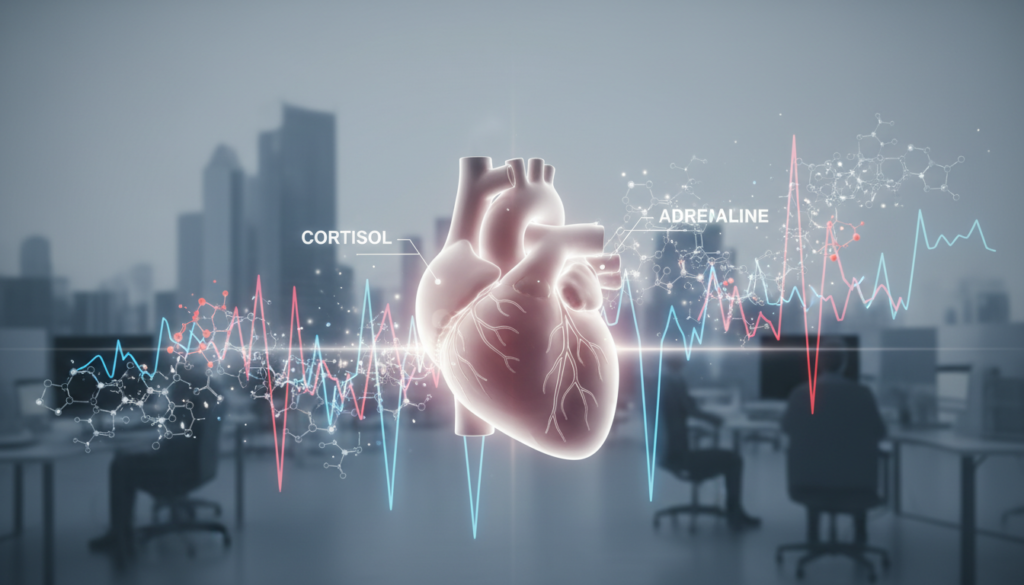
During acute anxiety, systolic pressure can jump 20-30 mmHg. This elevation is usually temporary.
Short-Term Spikes Versus Chronic Effects
It’s crucial to distinguish temporary spikes from lasting high blood pressure. Occasional anxiety-related rises typically don’t cause harm.
The stress response increases cardiac output and peripheral resistance. This is how heart rate and vessel tightness raise pressure.
Frequent episodes create a problem. Repeated blood vessel constriction and pressure surges may strain organs over time.
Chronic anxiety can lead to a pattern of these episodes. This may contribute to long-term changes in cardiovascular health.
Lifestyle Changes for Managing Both Conditions
Simple daily habits can be powerful tools for improving both your cardiovascular and emotional well-being. These adjustments form the foundation of a proactive management plan.
Dietary Adjustments and Nutrition
What you eat directly impacts your physical and mental health. A balanced diet rich in fruits, vegetables, and whole grains supports stable blood pressure and calmer nerves.
Limit sodium and processed foods. Instead, focus on potassium-rich options like bananas. This approach helps regulate blood pressure and reduces triggers for anxiety.
Incorporating Regular Exercise into Your Routine
Physical activity offers dual benefits. It strengthens your heart and helps metabolize stress hormones.
Aim for 150 minutes of moderate exercise weekly. Great options include:
- Brisk walking
- Swimming
- Cycling
This consistent activity improves sleep quality and lowers stress levels for many people.
Medical Management: Medications and Professional Guidance
Effective management of co-occurring conditions relies on a carefully planned medical strategy. This approach combines pharmaceutical treatment with expert professional support.
Your medical team can tailor a plan that addresses both physical and emotional symptoms. This integrated care is essential for optimal results.
Understanding Prescription Options
Several medication classes are commonly used. Selective serotonin reuptake inhibitors (SSRIs) like sertraline are often first-line for anxiety disorder.
They are generally safe for people with high blood pressure. Beta-blockers, such as propranolol, offer a unique treatment.
They can lower blood pressure while calming physical anxiety symptoms. Always take prescribed medications exactly as directed.
Some drugs require caution. Certain SNRIs like venlafaxine may elevate blood pressure in some individuals. Close monitoring is vital when using these medications.
Coordinated Care Between Specialists
Collaboration between your primary doctor, a cardiologist, and a mental health specialist yields the best outcomes. This team ensures your treatment plan is cohesive.
Regular follow-ups allow for adjustments. Therapy, particularly cognitive-behavioral therapy (CBT), is a gold-standard psychological treatment.
It helps reframe thought patterns linked to anxiety disorder. Consistent care coordination is key for managing these disorders.
For detailed protocols, refer to the current hypertension guidelines. A combined medical and therapeutic approach provides lasting benefits for overall wellness.
Mindfulness and Relaxation Techniques for Quick Relief
When stress builds, simple mindfulness practices offer a direct path to calm your body and mind. These techniques provide accessible, medication-free tools for quick relief.
They empower you to take active control over physiological stress responses. This can be vital when symptoms begin to escalate.
Deep Breathing and Progressive Muscle Relaxation
Deep breathing exercises effectively counteract the fight-or-flight response. They activate your parasympathetic nervous system to promote relaxation.
A simple method is the 4-2-6 count. Breathe in slowly for four counts, hold for two, then exhale for six.
Diaphragmatic breathing focuses on filling your belly, not your chest. This maximizes oxygen exchange and signals safety to your nervous system.
Progressive muscle relaxation (PMR) reduces physical tension and anxiety. Systematically tense then release muscle groups from toes to head.
Regular PMR practice teaches body awareness. It helps you release tightness faster when anxiety builds.
Mindfulness meditation cultivates present-moment awareness. Just 10-15 minutes daily can lower stress and blood pressure.
Grounding techniques redirect focus during acute panic. The 5-4-3-2-1 method uses your senses to break the worry cycle.
| Technique | Primary Focus | Best For | Time to Benefit |
|---|---|---|---|
| Diaphragmatic Breathing | Regulating breath | Immediate calm | 1-2 minutes |
| Progressive Muscle Relaxation | Releasing tension | Physical anxiety | 10-15 minutes |
| Mindfulness Meditation | Present awareness | Daily stress | 10+ minutes daily |
| Grounding (5-4-3-2-1) | Sensory focus | Acute distress | 2-3 minutes |
Combining these techniques creates a personalized toolkit. Consistent practice makes them more effective during moments of acute pressure.
Preventive Strategies for Long-Term Health Improvement
Long-term health protection starts with smart daily choices that address both body and mind. Proactive habits form your strongest defense against chronic conditions.
These steps focus on prevention. They build resilience before problems become harder to manage.
Creating a Sustainable Daily Routine
A consistent routine provides vital structure. It supports cardiovascular and mental health with less daily effort.
Key elements work together to lower risk and improve wellness. This table outlines core components:
| Daily Habit | Primary Benefit | Recommended Frequency |
|---|---|---|
| Regular Physical Activity | Lowers blood pressure, regulates mood | 30 minutes, most days |
| Consistent Sleep Schedule | Improves stress recovery, supports heart health | 7-9 hours nightly |
| Mindfulness Practice | Reduces anxiety levels, manages stress | 10-15 minutes daily |
| Social Connection | Protects against isolation, lowers disease risk | Regular engagement |
Early detection through check-ups is crucial. It allows for timely action.
Addressing modifiable factors like diet, alcohol, and smoking is essential. These changes reduce the chance of developing heart disease.
Building strong social ties serves as a protective buffer. People with supportive networks often see better outcomes.
Regular monitoring of sleep and stress levels helps spot trends. Sustainable improvement comes from small, consistent steps over time.
Conclusion
Breaking the cycle of stress and high blood pressure demands a proactive, holistic plan. This approach recognizes the deep link between your cardiovascular health and emotional wellness.
Managing both aspects together leads to better treatment results. It also protects your heart from the strain of repeated stress responses.
Early recognition of symptoms is key. Understanding the difference between temporary anxiety spikes and a chronic condition prevents unnecessary worry.
A coordinated care strategy is essential. Combining lifestyle changes with professional guidance offers the best path forward.
People can achieve significant improvements in their overall health. Taking charge of your blood pressure and anxiety empowers you to build lasting resilience.