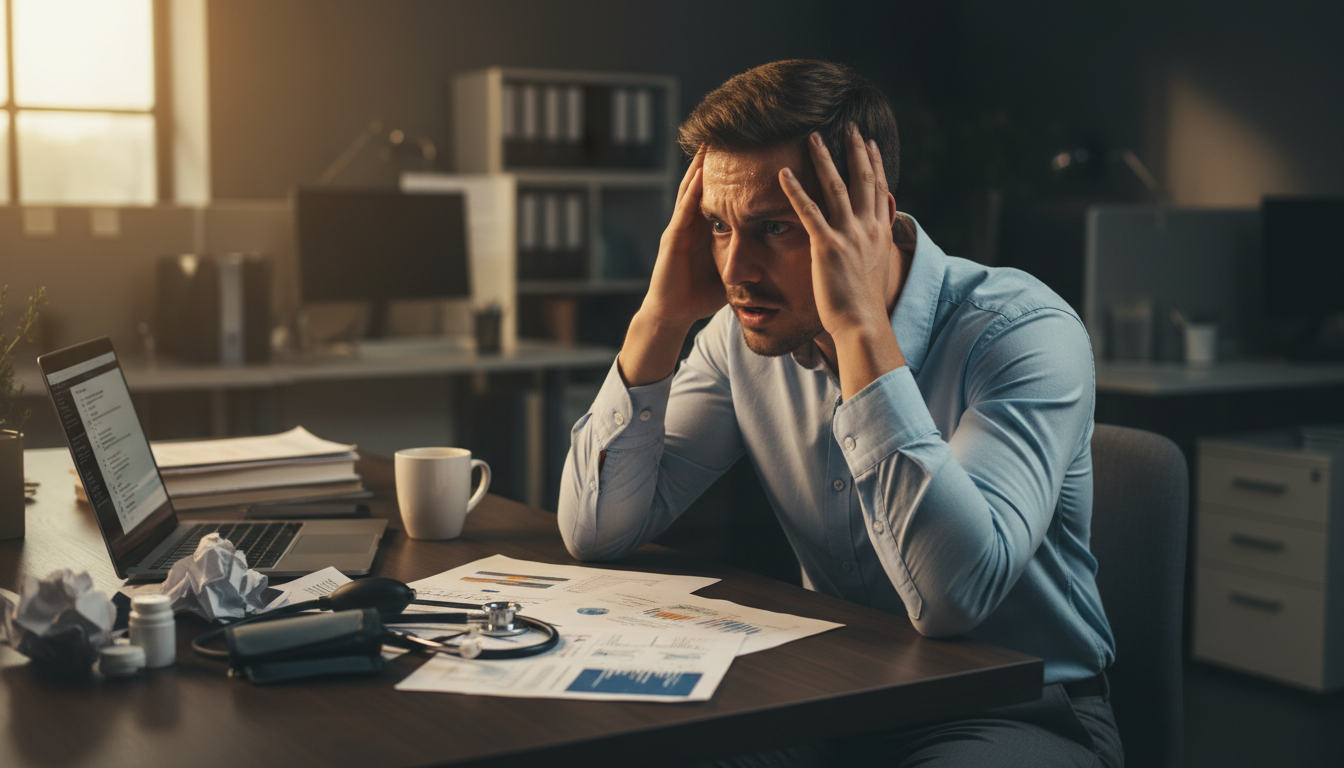
Many adults face a confusing mix of physical sensations during stressful moments. You might feel a racing heart, chest tightness, or sudden dizziness. It’s common to wonder if your cardiovascular health is triggering your anxiety, or if your mental well-being is affecting your body.
This guide explores the complex link between these two areas of health. While a chronic condition like high blood pressure does not directly cause a sudden fearful episode, the connection works the other way. Your body’s powerful stress response during intense anxiety can create temporary, sharp spikes in your readings.
Understanding the difference between these short-term elevations and a long-term issue is crucial. It helps reduce unnecessary worry and leads to better management. This article provides clear, evidence-based information. You will learn how to recognize symptoms, understand what’s happening in your body, and find strategies for both immediate relief and long-term control.
Key Takeaways
- The body’s stress response during intense anxiety can cause short-term spikes in blood pressure.
- Chronic high blood pressure and sudden panic episodes are distinct but can influence each other.
- Recognizing your specific symptoms is the first step toward effective management.
- Temporary elevations in your readings during stress are common and usually not dangerous.
- A holistic approach that addresses both physical and emotional well-being is most effective.
- Practical strategies exist for immediate relief and long-term control.
- Professional guidance can help you create a personalized plan.
Introduction to Hypertension Panic Attack
When your heart races and your chest feels tight, it’s natural to question which came first: the bodily alarm or the emotional distress. This guide is designed to clarify that very puzzle.
What This Guide Covers
We will explore the physiological link between intense fear and your body’s vital signs. You’ll learn how to recognize overlapping symptoms and discover practical management strategies.
The content addresses common questions. Does elevated blood pressure cause fearful episodes? Can a panic episode temporarily spike your readings? We provide clear answers.
Importance of Understanding the Link
Research shows a meaningful association. While anxiety doesn’t directly cause long-term high blood pressure, frequent bouts can trigger sharp, temporary rises.
Over time, these repeated spikes may strain blood vessels and the heart. This creates a harmful cycle where each condition can worsen the other.
Simultaneous management of both your emotional and cardiovascular well-being is essential for effective treatment and protection of your long-term health.
Recognizing this connection is the first step toward breaking the cycle and improving your daily life.
Understanding Hypertension Panic Attack
Defining key terms like blood pressure and panic attacks lays the groundwork for recognizing their unique and overlapping symptoms. Clear concepts help you interpret what your body is telling you.
Definition and Key Concepts
Blood pressure is the force your blood exerts against artery walls. It’s recorded as two numbers. The systolic pressure (top number) measures force when your heart beats. The diastolic pressure (bottom number) measures force when your heart rests between beats.
Normal readings are below 120/80 mmHg. Hypertension means your readings are consistently at or above 130/80 mmHg. It often has no obvious symptoms, earning it the name “silent killer.”
A panic attack is a sudden wave of intense fear. It peaks within minutes. This episode is not a chronic condition like high blood pressure. It is an acute stress response.
Common Signs and Symptoms
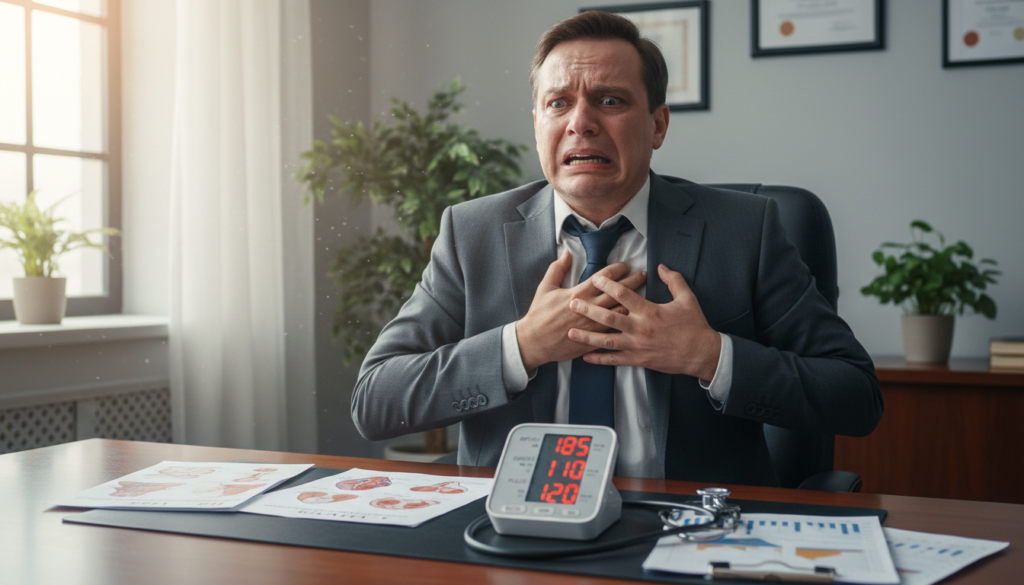
During a panic attack, you may experience several intense physical symptoms. These include chest pain or tightness and shortness of breath. A rapid heart rate, dizziness, and trembling are also common.
You might feel sweaty, nauseous, or have a sense of impending doom. These sensations can be overwhelming. They often mimic serious heart problems.
This overlap with cardiovascular warning signs creates confusion. Knowing the difference is crucial. Panic-induced pressure spikes are temporary. Chronic high readings develop slowly over time.
The Connection Between Anxiety Disorders and Blood Pressure
Anxiety disorders frequently set in motion a chain of physiological events that directly affect cardiovascular metrics. It is crucial to understand the direction of this link. A chronic high pressure condition does not directly trigger sudden fearful episodes. More often, the intense experience of a panic episode comes first.
Your body’s powerful stress response then raises your readings. This happens through the release of key hormones.
How Anxiety Impacts Heart Rate and Pressure
When you feel anxious, your body activates its primal ‘fight-or-flight’ system. This response floods your bloodstream with adrenaline and cortisol. These hormones cause your blood vessels to constrict and your heart rate to accelerate.
The direct result is a sharp, temporary spike in your blood pressure. Research from the University of Maryland Medical System supports this. It shows people with persistent anxiety have a higher risk of developing sustained high readings over time.
During an acute anxiety episode, systolic pressure can jump by 20 to 30 mmHg. This significant increase is usually short-lived. It subsides once the intense feeling passes.
Your autonomic nervous system is the conductor of this process. Anxiety triggers sympathetic nervous system dominance. This increases both cardiac output and peripheral resistance in your vessels.
Chronic worry also contributes indirectly through lifestyle factors. Poor sleep, unhealthy diet choices, and increased substance use can all elevate your baseline readings. This creates a challenging cycle where each condition can worsen the other.
Understanding this mechanism is empowering. It helps you recognize that a temporary elevation during stress is different from a chronic condition requiring medical management.
Identifying Physical Symptoms and Pressure Readings
Overlapping bodily signals can make it hard to know if you’re facing a long-term health problem or a temporary stress response. This confusion is common because both conditions share several physical warnings.
Recognizing Overlapping Indicators
Chest pain, a rapid pulse, dizziness, and shortness of breath are common symptoms. They can appear during a sudden fearful episode or be signs of a chronic cardiovascular condition.
When you check your blood pressure during high stress, you might see elevated numbers. This can add to your worry. These are usually short-term changes.
A blood pressure reading has two parts. The systolic number (top) measures force when your heart beats. The diastolic number (bottom) measures force when your heart rests.
According to guidelines, high blood pressure is diagnosed when readings are consistently 130/80 mmHg or higher. Temporary spikes during anxiety are different. They often resolve when the intense feeling passes.
Systolic pressure can jump 20-30 mmHg during an acute anxiety episode. This is alarming but typically returns to normal. Learning this pattern is key for managing work-related anxiety and overall health.
Medical assessment is essential. It helps rule out true cardiovascular emergencies. Understanding your body’s signals builds confidence and leads to better care.
Step-by-Step Management Techniques
Mastering your response to intense episodes requires a toolkit of immediate techniques and ongoing treatment strategies. This approach helps you regain control quickly while building lasting resilience.
Immediate Relief Strategies
When distress peaks, simple actions can calm your body. Controlled breathing is a powerful tool. Inhale slowly for four seconds, then exhale for six.
This pattern activates your parasympathetic nervous system. It can lower systolic blood pressure during anxious moments.
Grounding techniques also help. Focus on physical objects around you. Name their colors or textures. This reduces fear and restores a sense of control.
Progressive muscle relaxation is another method. Tense and then release each muscle group. This eases physical tension and helps manage temporary spikes.
Long-Term Treatment Options
For sustained improvement, professional guidance is key. Cognitive behavioral therapy (CBT) is highly effective. It teaches you to reframe anxious thoughts.
This therapy also helps regulate breathing patterns. It addresses the root causes of recurring episodes.
Medications may be part of a care plan. Doctors sometimes prescribe SSRIs or beta-blockers. These can manage both emotional responses and blood pressure reactions.
A comprehensive plan combines these elements. It leads to fewer and less intense episodes over time.
| Technique | Primary Benefit | Best Use |
|---|---|---|
| Controlled Breathing | Lowers systolic pressure quickly | During acute anxiety spikes |
| Grounding Exercises | Reduces panic intensity | When feeling overwhelmed |
| Progressive Muscle Relaxation | Eases physical tension | For stress-induced pressure rises |
| Cognitive Behavioral Therapy | Reframes anxious thought patterns | Long-term management of anxiety |
| Medication (e.g., SSRIs) | Manages overall response | As part of a doctor-supervised plan |
Hypertension Panic Attack: Diagnosis and Monitoring
Distinguishing between temporary stress reactions and chronic conditions requires careful monitoring over time. A single high reading does not confirm a diagnosis. Healthcare professionals need multiple measurements.
This process helps separate normal anxiety spikes from sustained issues. Accurate assessment is the first step toward effective management.
Understanding Blood Pressure Readings
Your blood pressure reading has two numbers. The top number is systolic pressure. It measures force when your heart beats.
The bottom number is diastolic pressure. It measures force when your heart rests. Ideal blood pressure falls between 90/60 mmHg and 120/80 mmHg.
Consistent readings at or above 130/80 mmHg indicate hypertension. Nearly half of American adults have this condition. Many are unaware because symptoms are rare.
Resources for Ongoing Monitoring
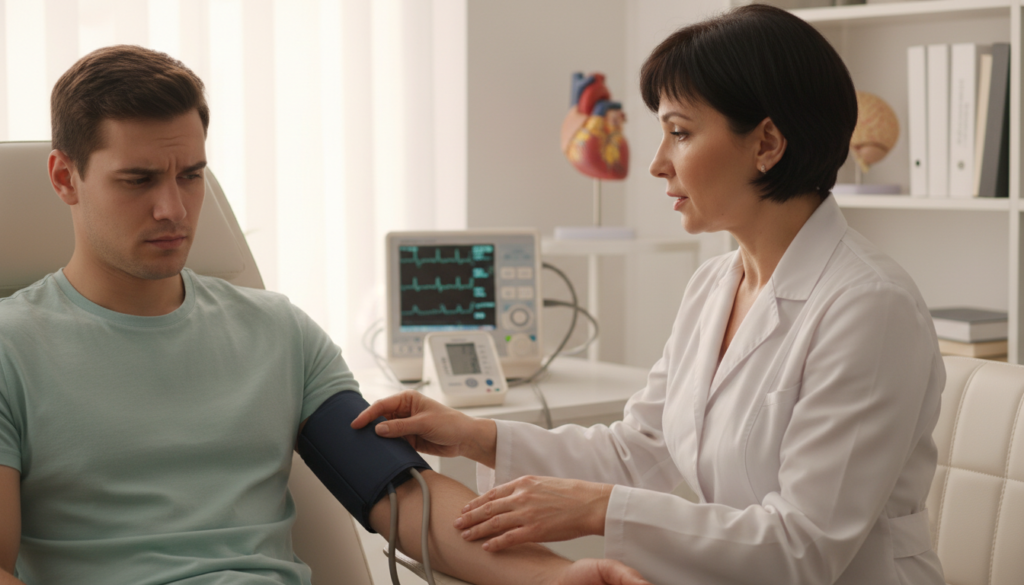
Home blood pressure monitoring provides valuable data between doctor visits. It helps track patterns. You can see how stress affects your numbers.
For proper technique, sit quietly with your back supported. Rest your arm at heart level. Avoid caffeine before measuring.
Diagnosing an anxiety disorder involves a full health assessment. Doctors use standard criteria. They rule out other medical causes for symptoms.
Coordinated care between your primary doctor and a mental health professional is best. This ensures a complete plan for your well-being.
| Monitoring Resource | Primary Purpose | Key Benefit |
|---|---|---|
| Home Blood Pressure Monitor | Track daily readings | Identifies patterns & stress-related spikes |
| Smartphone Tracking App | Log and chart data | Provides clear trends for doctor review |
| Ambulatory Monitor (24-hr) | Record pressure throughout day | Captures natural variations and sleep readings |
| Regular Clinical Check-ups | Professional assessment | Ensures accurate diagnosis and treatment adjustment |
Lifestyle Modifications for Better Cardiovascular & Mental Health
Simple changes to your daily routine can have a profound impact on your cardiovascular health and mental state. A holistic approach that addresses both areas creates a strong foundation for managing stress and maintaining healthy blood pressure.
These modifications work together. Improving one area often makes it easier to improve others.
Diet and Exercise Recommendations
Regular physical activity is a cornerstone of good health. Aim for at least 150 minutes of moderate exercise each week.
Brisk walking, swimming, or cycling are excellent choices. This level of activity helps regulate mood and reduces anxiety symptoms.
Your diet plays a critical role. Reduce processed foods, salt, and caffeine. These can increase the likelihood of uncomfortable symptoms.
Instead, focus on balanced meals. Include fruits, vegetables, whole grains, and lean proteins.
Potassium-rich foods like bananas and avocados support cardiovascular function. Limit sodium to under 2,300 mg daily.
Sleep quality is equally important. Poor rest keeps stress hormones active.
This can trigger fearful episodes and elevate your systolic pressure. Aim for 7-8 hours of quality sleep nightly.
Establish a consistent bedtime routine. Avoid screens before bed and practice relaxation techniques.
Comprehensive lifestyle changes are the most effective strategy for preventing heart disease and managing emotional well-being.
Eliminate smoking and limit alcohol. These steps reduce risk factors for both heart disease and anxiety disorders.
Even modest weight loss of 5-10% can significantly improve health outcomes. It reduces blood pressure and eases anxiety symptoms.
| Lifestyle Area | Key Recommendation | Primary Health Benefit |
|---|---|---|
| Physical Activity | 150 mins moderate exercise weekly | Lowers blood pressure, reduces anxiety |
| Nutrition | Limit sodium, increase fruits & vegetables | Improves cardiovascular control & mental health |
| Sleep Hygiene | 7-8 hours, consistent routine | Reduces stress hormone activity |
| Substance Use | Quit smoking, limit alcohol | Lowers heart disease & anxiety risk factors |
These habits create a positive cycle. Better diet, more activity, and improved sleep work synergistically. For more detailed guidance on creating a heart-healthy routine, explore these lifestyle changes for heart attack prevention.
Effective Therapeutic Approaches and Self-Care Practices
Managing your well-being involves both professional guidance and personal self-care practices. An integrated plan addresses both the mind and body.
This leads to better control over your symptoms and long-term stability.
Relaxation and Breathing Techniques
Daily mindfulness practice is a powerful tool. Just 5-10 minutes of focused breathing can reduce your body’s stress response.
Studies show this can lower systolic blood pressure by 5-8 mmHg. Specific breathing patterns are very effective.
Try diaphragmatic breathing or the box method. Inhale for four counts, hold for four, exhale for four, and hold again.
This pattern interrupts the fear cycle during intense episodes. It activates your calming nervous system.
Progressive muscle relaxation and guided imagery are also helpful. They ease physical tension and support stable pressure readings.
Guidelines for Seeking Professional Support
Professional therapy is crucial when self-care isn’t enough. Cognitive behavioral therapy (CBT) is a leading treatment.
It teaches you to reframe anxious thoughts and regulate your breathing. A therapist helps you face triggers gradually.
Consult a doctor if fearful episodes are frequent. Seek help if symptoms disrupt your daily life.
Integrated care combines medical and mental health treatment. Your primary doctor and a therapist can work together.
Certain medications can be part of a safe plan. SSRIs are generally safe for those with high blood pressure.
Beta-blockers like propranolol address both anxiety symptoms and cardiovascular reactions. Always follow a doctor’s guidance.
Building a strong support network improves outcomes. Friends, family, or support groups provide essential emotional resources.
Conclusion
A comprehensive approach to health integrates medical monitoring with psychological coping strategies. The key insight is that intense anxiety episodes can cause temporary blood pressure spikes. These are distinct from chronic hypertension.
Knowing this difference reduces fear about short-term elevations. It lets you focus on effective management.
The most effective plan combines care for your heart and blood pressure with treatment for anxiety. This integrated path reduces the frequency of distressing episodes. It also leads to more stable blood pressure over time.
Taking proactive steps safeguards your overall health. It empowers you to break the cycle and live with greater confidence.