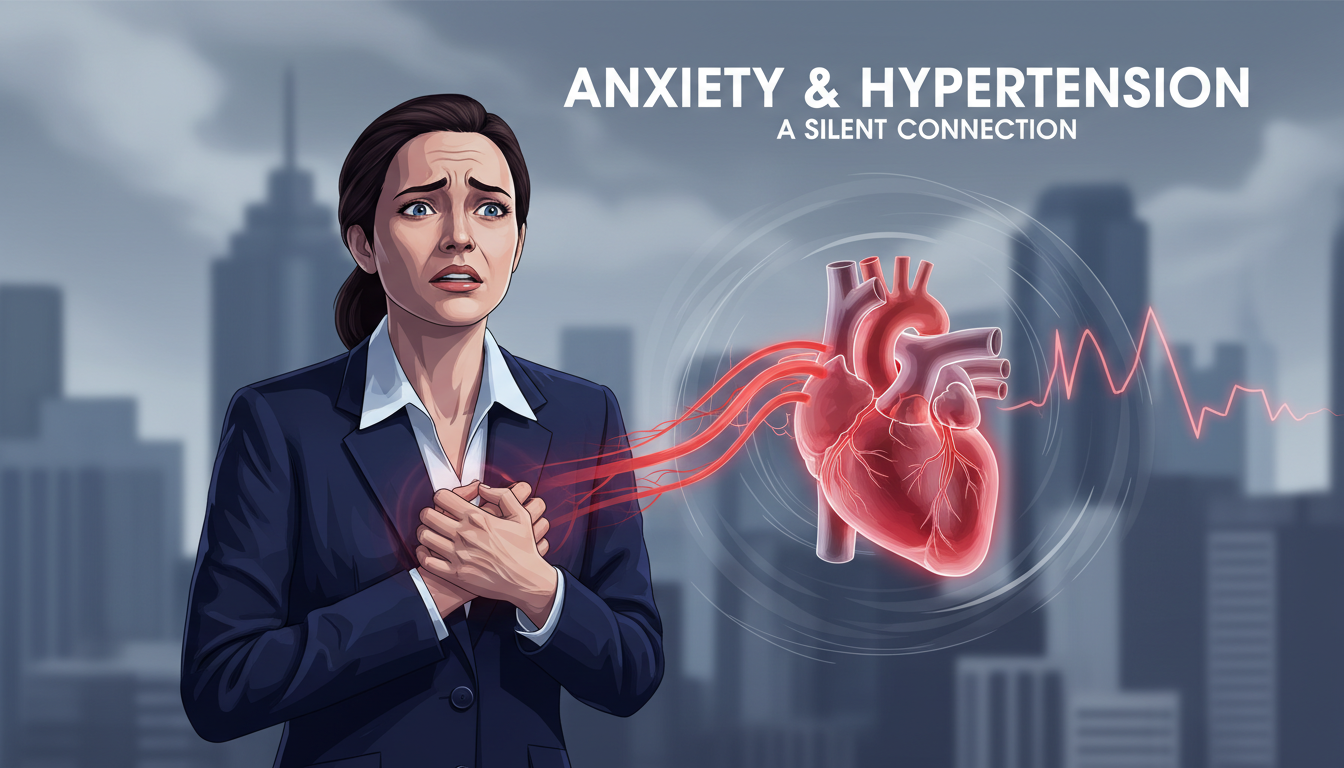
What if your body’s natural alarm system was secretly straining your heart?
We see a complex link between persistent worry and elevated blood pressure. These two health challenges frequently appear together, impacting millions of Americans.
While anxiety does not directly cause chronic hypertension, frequent episodes can trigger sharp, temporary spikes in your numbers. Over time, this repeated strain may harm your cardiovascular system.
A harmful cycle can form. Each condition has the potential to worsen the other, making both harder to manage.
Our natural stress response causes short-term blood pressure rises. These usually calm down when a threat passes. But with constant worry, these spikes happen more often.
Recognizing the warning signs early is vital. Addressing both issues together leads to more effective care. This approach protects your heart and improves your quality of life.
Key Takeaways
- Anxiety and high blood pressure are often interconnected conditions.
- Intense worry can cause temporary but sharp increases in blood pressure.
- These two issues can create a cycle where each makes the other worse.
- Frequent stress responses may contribute to long-term cardiovascular risks.
- Early detection of signs is crucial for successful management.
- Treating both conditions simultaneously offers the best protection for heart health.
- Proactive management supports overall wellbeing and daily life.
Understanding Anxiety and Hypertension
Millions navigate daily life while managing the dual challenges of persistent worry and elevated blood pressure. Grasping what each condition entails helps us see their potential connection. Both are remarkably common in American adults.
What Is Hypertension?
This condition involves a consistently high force of blood pushing against artery walls. We measure this force in millimeters of mercury (mmHg). The reading has two numbers: systolic and diastolic.
Systolic pressure shows the force when your heart contracts. Diastolic indicates the pressure when your heart rests between beats.
| Category | Systolic (mmHg) | Diastolic (mmHg) |
|---|---|---|
| Normal | Less than 120 | and Less than 80 |
| Elevated | 120-129 | and Less than 80 |
| Hypertension Stage 1 | 130-139 | or 80-89 |
| Hypertension Stage 2 | 140 or higher | or 90 or higher |
Normal blood pressure levels are below 120/80 mmHg. Diagnosis typically occurs when readings consistently hit 130/80 mmHg or higher.
It’s often called the “silent killer” because noticeable signs are rare until significant damage occurs. About 47% of U.S. adults have this condition.
Defining Anxiety and Its Symptoms
Anxiety is more than temporary stress. It involves excessive, hard-to-control worry about everyday situations.
Physical signs often accompany these feelings. They can include a faster heart rate, chest tightness, and dizziness.
Nearly 20-31% of adults experience an anxiety disorder each year. When these feelings disrupt daily life, it may signal a disorder needing professional care.
This mental health challenge is more prevalent among people with high blood pressure. Managing both together is often key for better heart health.
How Anxiety Affects Blood Pressure
When worry strikes, a cascade of biological events unfolds, putting measurable strain on your circulatory system. This link between emotional states and physical health is rooted in our primal survival wiring.
Physiological Response to Anxiety
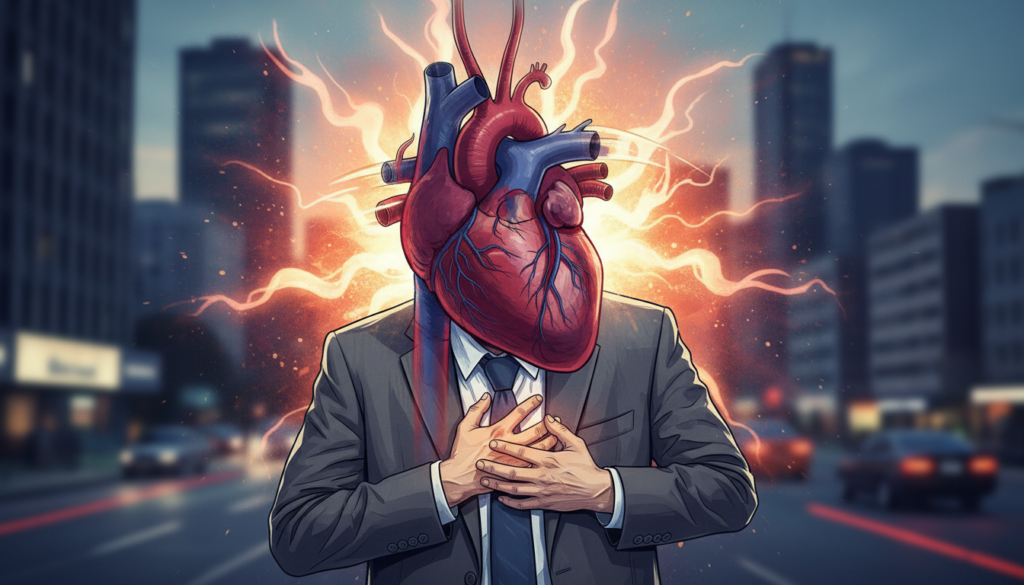
Our body’s fight-or-flight mechanism activates during nervousness. It releases stress hormones like cortisol and adrenaline.
These chemicals make your heart beat faster. They also narrow your blood vessels.
This combination forces a temporary rise in your blood pressure. During intense episodes, systolic readings can jump 20-30 mmHg higher than normal.
Short-Term Versus Chronic Spikes
These surges are usually brief. Your numbers often return to baseline once calm returns.
However, frequent episodes create repeated strain. Over years, this may harm vessel walls and heart tissue.
The autonomic nervous system drives this process. Sympathetic dominance increases cardiac output and resistance.
Chronic worry and elevated pressure both link to higher inflammation. Sleep problems from nervousness add another risk layer.
| Aspect | Short-Term Effect | Long-Term Concern |
|---|---|---|
| Hormonal Release | Quick cortisol & adrenaline surge | Hormonal imbalance contributing to wear |
| Cardiovascular Response | Increased heart rate & vessel constriction | Potential damage to arteries and heart muscle |
| Nervous System Activity | Sympathetic nervous system dominance | Persistent high sympathetic tone |
| Inflammatory Markers | Acute rise during stress | Sustained inflammation worsening both conditions |
Identifying Anxiety Hypertension Symptoms
Spotting the physical cues that link emotional distress to cardiovascular strain is a crucial self-care skill.
Our bodies often broadcast clear warnings when mental unease starts affecting physical health.
Recognizing Warning Signs
Common physical sensations accompany nervous episodes that can spike your numbers. These signs show your stress response is active.
- Increased heart rate and chest tightness
- Headaches, dizziness, or shortness of breath
- Restlessness, muscle tension, or trembling
It’s vital to distinguish between a panic attack and a hypertensive crisis. Panic episodes typically peak quickly and subside. A true crisis involves persistent, severe signs like vision changes or confusion needing immediate care.
Regular blood pressure checks are essential for anyone with frequent worry. Home monitoring offers useful data but should support, not replace, a doctor’s assessment.
Some people find that physical signs of high blood pressure, like headaches, can themselves trigger more nervousness. This creates a difficult cycle.
Also, certain medications for high blood pressure may cause side effects resembling anxious feelings. Discussing these with your healthcare provider helps clarify the source of your symptoms.
Lifestyle Factors Impacting Health
Our daily choices around food, movement, and habits create a powerful ripple effect on both our mental and cardiovascular well-being. Chronic stress acts as a significant bridge, elevating blood pressure while simultaneously triggering feelings of unease.

Diet, Exercise, and Smoking Considerations
Certain lifestyle factors serve as shared risk elements. Smoking, for instance, temporarily raises blood pressure and is often an unhealthy coping mechanism. This creates a harmful cycle that increases cardiovascular risk.
Excessive alcohol intake can also worsen both conditions. We recommend limiting consumption to support overall health.
Regular physical activity is a cornerstone for management. Aim for at least 150 minutes of moderate exercise weekly, like brisk walking or swimming. This helps lower high blood pressure and reduces stress hormones.
Dietary choices profoundly impact your body. Focus on fruits, vegetables, and whole grains. Limit sodium to under 2,300 mg daily while eating potassium-rich foods.
| Lifestyle Factor | Impact on Blood Pressure | Impact on Stress & Mood |
|---|---|---|
| Smoking | Causes temporary spikes | Often increases nervousness |
| Poor Diet (High Sodium) | Contributes to high blood pressure | Can worsen inflammation |
| Regular Exercise | Helps lower readings over time | Reduces stress hormones |
| Excessive Alcohol | Can raise blood pressure | May worsen anxiety symptoms |
Maintaining a healthy weight through these lifestyle changes is powerful. Even a modest 5-10% weight loss can benefit blood pressure control and emotional well-being, reducing the risk of related disease.
Immediate Steps to Lower Anxiety and Blood Pressure
When tension mounts and your heart races, simple actions can quickly calm your system. We focus on techniques that counteract the stress response to bring your readings down safely.
Deep Breathing and Mindfulness Techniques
Controlled breathing is a powerful first step. Try inhaling slowly for four counts, holding for two, and exhaling for six.
This method directly lowers your blood pressure. Progressive muscle relaxation also helps.
Systematically tense and release muscle groups from your toes upward. This practice eases physical tightness and shifts your focus.
Mindfulness and grounding bring your awareness to the present. A short five-minute meditation or a walk outside can interrupt worried thoughts.
Quick Lifestyle Adjustments
Limiting stimulants like caffeine and alcohol provides fast benefits. Both can trigger nervousness and elevate your pressure.
Acknowledge feelings of unease instead of fighting them. Recognizing that they will pass helps prevent escalation.
Use simple distraction to break cycles of rumination. Engaging in a different activity stops the thought patterns that drive physical signs.
| Technique | Primary Focus | Immediate Effect on Pressure |
|---|---|---|
| Diaphragmatic Breathing | Slows heart rate & counters stress | Can lower readings within minutes |
| Progressive Muscle Relaxation | Releases physical tension | Reduces vessel constriction |
| Mindfulness Meditation | Calms racing thoughts | Helps stabilize stress hormone levels |
| Grounding (e.g., walking) | Redirects focus to the present | Interrupts the anxiety-blood pressure cycle |
These lifestyle changes offer direct control during challenging moments.
Medical Interventions and Support
When lifestyle adjustments aren’t enough, modern medicine offers several pathways to stabilize both emotional and cardiovascular well-being. A professional treatment plan is essential for managing co-occurring conditions effectively.
Regular consultation with your doctor ensures both your blood pressure and stress levels are monitored. This integrated care approach determines if you need intervention beyond daily habits.
Medication and Therapy Options
Several medications are considered safe for people with high blood pressure. Selective serotonin reuptake inhibitors (SSRIs) like sertraline typically don’t raise your numbers.
Buspirone is another anti-anxiety medication that doesn’t significantly impact cardiovascular readings. It’s often prescribed for patients with related health concerns.
Beta-blockers such as propranolol serve a dual purpose. They treat physical signs of worry and help lower blood pressure by blocking adrenaline.
Caution is needed with some treatments. Drugs like venlafaxine may increase blood pressure in some individuals. Always inform your doctor about all medications you take, including over-the-counter products.
| Medication Type | Primary Use | Effect on Blood Pressure |
|---|---|---|
| SSRIs (e.g., Sertraline) | Anxiety Treatment | Generally Neutral |
| Beta-Blockers (e.g., Propranolol) | Dual Treatment for Both Conditions | Lowers Readings |
| Buspirone | Anxiety Relief | Minimal Impact |
| SNRIs (e.g., Venlafaxine) | Anxiety & Mood Treatment | May Increase (Requires Monitoring) |
Integrated care that addresses both psychological and physiological factors offers the most sustainable path to wellness for patients managing these interconnected challenges.
Psychological therapy is a cornerstone of long-term management. Cognitive-behavioral therapy (CBT) helps identify and change thought patterns that contribute to distress.
Talk therapy with a licensed professional can guide you through techniques like exposure treatment. These approaches build lasting skills for managing both conditions.
Combining these medications and therapeutic strategies under a doctor‘s care creates a robust, personalized plan for better health.
Long-Term Management for Better Heart Health
Protecting your heart over the long term requires a commitment to habits that nurture both your mind and body. We focus on building sustainable lifestyle changes that form a solid foundation for wellness.
Building Sustainable Lifestyle Changes
Regular exercise is a cornerstone. Aim for 150 minutes of moderate activity weekly, like brisk walking. This lowers blood pressure and boosts mood.
Diet plays a huge role. Following plans like DASH, rich in fruits and vegetables, supports heart health. It also helps manage stress levels.
Quality sleep is non-negotiable. Getting 7-8 hours nightly keeps your blood vessels healthy. Poor sleep raises risk for heart disease.
Quitting smoking is essential. It damages circulation and worsens long-term worry. Building a support network helps people stick to these changes.
Addressing both conditions together breaks their harmful cycle. This reduces cardiovascular risk and improves quality of life. For more guidance, the American Heart Association offers resources on managing stress to control high blood.
These consistent health practices protect against serious disease. They empower people living with hypertension and anxiety to thrive.
Conclusion
Your path to wellness is clearer when you address both psychological stress and blood pressure together. Understanding their link helps you protect your health.
While anxiety doesn’t directly cause chronic high blood pressure, frequent spikes can strain your cardiovascular system over time. Recognizing this cycle is key to breaking it.
Early detection and simultaneous management of both conditions lead to better treatment outcomes. A multi-faceted approach works best for long-term health.
This includes lifestyle changes, stress reduction, and effective treatments when needed. Regular check-ups with your doctor are crucial for monitoring blood pressure.
With proper care, you can lower your risk of heart disease and improve your quality of life. Take proactive control of your high blood pressure today.
If you’re concerned, talk to your provider. For guidance, learn more about managing stress and high blood.