An anxiety disorder is one of the most common mental health conditions in the world, affecting hundreds of millions of people across every age group and background. Perhaps most striking, a recent figure shows that 48.7% of adults have turned to AI tools as a first-line coping mechanism for psychological support before ever seeking professional care, signaling how widespread the need for accessible anxiety disorder information and guidance has truly become.
Key Takeaways
| Question | Answer |
|---|---|
| What is an anxiety disorder? | An anxiety disorder is a diagnosable mental health condition characterized by persistent, excessive fear or worry that interferes with daily functioning. |
| What are the main types of anxiety disorder? | The main types include generalized anxiety disorder (GAD), panic disorder, social anxiety disorder, agoraphobia, separation anxiety, and specific phobias. |
| Can an anxiety disorder cause physical symptoms? | Yes. Physical symptoms such as elevated blood pressure, rapid heartbeat, muscle tension, and fatigue are all commonly linked to anxiety disorder. |
| What triggers anxiety disorder? | Common triggers include workplace stress, financial pressure, relationship difficulties, shift work disruption, and digital overload. See our guide to anxiety triggers for a full breakdown. |
| Is anxiety disorder treatable? | Yes. Evidence-based treatments include cognitive behavioral therapy (CBT), medication, and lifestyle interventions. Many people see significant improvement with the right support. |
| Does anxiety disorder affect blood pressure? | Yes. Anxiety can cause temporary spikes in blood pressure, and chronic anxiety disorder may contribute to longer-term cardiovascular concerns. Learn more in our anxiety and blood pressure guide. |
| Can anxiety disorder occur alongside other conditions? | Absolutely. Anxiety disorder frequently co-occurs with depression, OCD, and other mental health conditions, which requires integrated treatment planning. |
What Is an Anxiety Disorder?
An anxiety disorder goes beyond ordinary stress or nervousness. It involves a persistent pattern of excessive fear, apprehension, or physical tension that becomes difficult to control and begins to affect work, relationships, and overall quality of life.
Unlike a temporary stress response to a real threat, an anxiety disorder typically involves worry that is disproportionate to the actual situation. It can last for months or years if left unaddressed, making early recognition and intervention critically important.
In 2026, mental health professionals recognize several distinct categories of anxiety disorder, each with its own symptom profile, triggers, and treatment pathways. Understanding which type applies to your experience is the first step toward getting the right support.
Best Overview of the Types of Anxiety Disorder
Not all anxiety disorders are the same. Each type presents differently and responds best to specific treatment approaches.
-
Generalized Anxiety Disorder (GAD): Characterized by chronic, wide-ranging worry about multiple areas of life, often with physical symptoms like muscle tension and fatigue.
-
Panic Disorder: Involves recurrent, unexpected panic attacks and persistent fear of future episodes.
-
Social Anxiety Disorder: Intense fear of social situations and being judged, criticized, or embarrassed by others.
-
Agoraphobia: Fear of situations where escape may be difficult, often leading to avoidance of public spaces.
-
Separation Anxiety: Excessive fear of being separated from attachment figures, also present in adults.
-
Specific Phobias: Intense, irrational fear of a specific object, animal, situation, or activity.
We cover each of these in depth across our resource library, because recognizing the specific type of anxiety disorder someone experiences is essential for finding the most effective path forward.
Recognizing Anxiety Disorder Symptoms: Physical and Emotional Signs
One of the most important steps in managing an anxiety disorder is learning to recognize both the emotional and physical symptoms that signal its presence. Many people dismiss physical symptoms without realizing they have an anxiety component.
Emotional symptoms of anxiety disorder commonly include:
-
Persistent, hard-to-control worry
-
Feeling on edge or restless
-
Difficulty concentrating
-
Irritability and mood changes
-
A sense of dread or impending doom
Physical symptoms linked to anxiety disorder are equally significant and include:
-
Elevated heart rate
-
Muscle tension and headaches
-
Fatigue and sleep disturbances
-
Digestive issues including nausea
-
Temporary blood pressure spikes
Our comprehensive GAD physical symptoms guide explores how these symptoms present in generalized anxiety disorder specifically and offers evidence-based strategies to reduce their impact.
Did You Know?
Only 27.6% of people globally who suffer from an anxiety disorder receive any form of professional treatment, despite the condition being highly treatable with the right support.
Generalized Anxiety Disorder (GAD): The Best Starting Point for Understanding Chronic Worry
Generalized anxiety disorder is often described as “the anxiety of everything.” People living with GAD experience persistent worry about multiple aspects of daily life including health, finances, work, and relationships, even when there is little or no reason for concern.
GAD is diagnosed when excessive anxiety and worry occur on more days than not for at least six months, and the person finds it genuinely difficult to control the worry. The condition causes significant distress and functional impairment.
What sets GAD apart from other anxiety disorders is its broad scope. Rather than being triggered by one specific situation or object, generalized anxiety disorder creates a background hum of worry that persists across nearly all areas of life.
Evidence-based treatments for GAD include cognitive behavioral therapy (CBT), mindfulness-based approaches, and in some cases medication. The goal of treatment is not to eliminate all anxiety, but to reduce its intensity to a manageable level that no longer interferes with daily functioning.
Panic Attacks and Anxiety Disorder: What You Need to Know
Panic attacks are among the most distressing acute experiences associated with anxiety disorder. A panic attack involves a sudden surge of intense fear or discomfort that peaks within minutes, accompanied by physical symptoms including chest pain, shortness of breath, dizziness, and a feeling of losing control.
It is important to understand that panic attacks themselves are not dangerous, but they feel extremely threatening in the moment. Recurrent unexpected panic attacks, combined with ongoing worry about future attacks, form the basis of panic disorder as a specific anxiety disorder diagnosis.
Panic attacks also create a measurable physical response. Research consistently shows that panic attacks trigger sudden blood pressure surges, which can be alarming but are typically temporary. Managing the frequency of panic attacks is therefore important not just for mental wellbeing but for cardiovascular health as well.
Effective management strategies for panic attacks include controlled breathing techniques, grounding exercises, and exposure-based therapy. With consistent practice and professional guidance, most people with panic disorder see substantial improvement in both the frequency and intensity of their episodes.
Social Anxiety Disorder and Agoraphobia: The Best Guides for Situational Anxiety
Social anxiety disorder involves an intense, persistent fear of social or performance situations where a person believes they may be negatively evaluated. It goes well beyond ordinary shyness and can prevent people from working, forming relationships, or even leaving the house.
Agoraphobia is another situational anxiety disorder that involves fear and avoidance of places or situations where escape might be difficult or help unavailable during a panic attack. Contrary to popular belief, agoraphobia is not simply a fear of open spaces. It is a complex anxiety disorder that commonly co-occurs with panic disorder.

Both social anxiety disorder and agoraphobia respond well to gradual exposure therapy, which involves systematically and safely confronting feared situations in a controlled manner. Our comprehensive agoraphobia guide details symptoms, causes, and treatment options in accessible language.
Separation Anxiety: Not Just for Children
Many people assume separation anxiety is exclusively a childhood condition, but adult separation anxiety is a recognized and clinically significant anxiety disorder. Adults with separation anxiety experience excessive fear or distress when separated from key attachment figures, such as a partner, family member, or close friend.
Symptoms include persistent worry about harm befalling attachment figures, reluctance to be alone, and recurrent distressing dreams about separation. Adult separation anxiety disorder can significantly disrupt relationships, work attendance, and independence if not addressed.
Treatment for adult separation anxiety typically involves CBT focused on building autonomy and reframing cognitive distortions about safety and dependency. Early intervention tends to produce the best outcomes for this form of anxiety disorder.
This infographic summarizes five essential facts about anxiety disorder for quick understanding. It covers causes, symptoms, prevalence, and evidence-based treatments.
Anxiety Disorder and Blood Pressure: Understanding the Physical Connection
One of the most frequently overlooked aspects of anxiety disorder is its direct relationship with cardiovascular function. When anxiety activates the body’s stress response, it triggers a cascade of hormonal changes that cause blood vessels to constrict and heart rate to increase, leading to elevated blood pressure.
For people with chronic anxiety disorder, these episodes of elevated blood pressure can occur frequently. While a single spike is not cause for alarm, repeated and prolonged cardiovascular activation may carry long-term health implications that require monitoring and management.
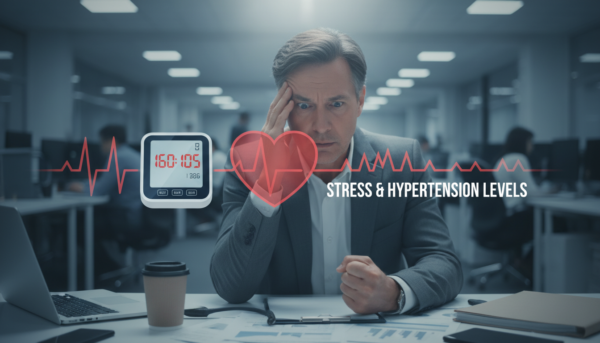
Our resource on the anxiety-hypertension connection provides a clear explanation of the bidirectional relationship between anxiety disorder and high blood pressure, along with integrated care strategies for managing both simultaneously.
Anxiety Disorder Triggers: Identifying What Starts the Cycle
Understanding the specific triggers of an anxiety disorder is essential for managing it effectively. A trigger is any internal or external event that activates the anxiety response, and triggers vary considerably between individuals and between different types of anxiety disorder.
Common triggers for anxiety disorder in 2026 include:
-
Financial stress and economic uncertainty
-
Workplace pressure and job insecurity
-
Digital overload and the pressure to respond instantly to messages
-
Relationship conflict or perceived social rejection
-
Health concerns and medical appointments
-
Sleep disruption, particularly in shift workers
-
Major life transitions and changes in routine
Identifying your personal trigger profile is a foundational step in any effective anxiety disorder management plan. Once triggers are known, it becomes possible to develop targeted coping strategies rather than relying on general approaches.
Workplace Anxiety Disorder: Managing Shift Work and Professional Stress
Workplace environments are a significant source of anxiety disorder development and maintenance in 2026. High-pressure deadlines, unpredictable scheduling, shift work, and the erosion of boundaries between professional and personal life all contribute to elevated anxiety levels.
Shift workers face a particular set of challenges. Disruption to circadian rhythms affects mood regulation, cognitive function, and stress tolerance, all of which can worsen an existing anxiety disorder or contribute to its development.
“Research shows that 12% of individuals reporting high stress specifically cite the pressure to respond to messages instantly as a primary trigger. This digital friction has become a defining feature of modern workplace anxiety disorder in 2026.”
Practical strategies for managing workplace-related anxiety disorder include setting clear boundaries around communication hours, advocating for predictable scheduling where possible, practicing recovery techniques between shifts, and seeking professional support when symptoms begin to affect performance or wellbeing.
Our dedicated workplace anxiety triggers guide offers targeted advice for those whose anxiety disorder is closely linked to their professional environment.
Comorbid Disorders and Anxiety: When Two Conditions Overlap
Anxiety disorder rarely exists in complete isolation. It frequently co-occurs with other mental health conditions, a situation clinicians refer to as comorbidity. The most common conditions appearing alongside anxiety disorder include major depressive disorder, obsessive-compulsive disorder (OCD), post-traumatic stress disorder (PTSD), and substance use disorders.
When anxiety disorder is comorbid with another condition, treatment planning becomes more complex. Addressing only one diagnosis while ignoring the other typically leads to incomplete recovery and higher rates of relapse.
Integrated treatment approaches that address multiple diagnoses simultaneously, often combining psychotherapy, lifestyle interventions, and where appropriate medication, produce the best outcomes. We explore the nuances of managing comorbid GAD and OCD in detail to help those navigating multiple diagnoses find the right path forward.
Did You Know?
75% of patients report they would prefer a non-drug option for their mental health treatment over traditional medication, highlighting the growing demand for behavioral and lifestyle-based approaches to anxiety disorder.
Best Treatment Options for Anxiety Disorder in 2026
The evidence base for treating anxiety disorder has expanded considerably, and in 2026 there is a broad menu of effective options available. The right approach depends on the specific type of anxiety disorder, its severity, and any co-occurring conditions.
Cognitive Behavioral Therapy (CBT)
CBT remains the gold-standard psychological treatment for most types of anxiety disorder. It works by identifying and challenging distorted thought patterns and gradually changing the behavioral responses that maintain anxiety.
CBT is structured, time-limited, and supported by decades of research across all major anxiety disorder subtypes. It can be delivered individually, in groups, or increasingly through digital platforms.
Exposure Therapy
Exposure therapy is a specific component of CBT that involves systematic, gradual confrontation of feared situations, objects, or thoughts. It is particularly effective for phobic anxiety disorder, panic disorder, and social anxiety disorder.
The principle is that repeated exposure to feared stimuli, without the feared consequence occurring, reduces the anxiety response over time through a process called extinction learning.
Medication
Several medication classes are approved for anxiety disorder treatment, including selective serotonin reuptake inhibitors (SSRIs), serotonin-norepinephrine reuptake inhibitors (SNRIs), and buspirone. Benzodiazepines are sometimes used for short-term relief but carry dependency risks.
Medication is often most effective when combined with psychotherapy rather than used as a standalone treatment for anxiety disorder.
Lifestyle Interventions
Consistent evidence supports the role of lifestyle factors in managing anxiety disorder. Regular physical exercise, adequate and consistent sleep, reduced caffeine intake, mindfulness practice, and social connection all contribute meaningfully to symptom reduction.
These interventions work best as part of a comprehensive plan rather than as replacements for professional treatment when anxiety disorder is clinically significant.
How to Talk to a Doctor About Anxiety Disorder
Many people delay seeking help for anxiety disorder because they feel unsure how to describe their symptoms or worry they will not be taken seriously. Starting the conversation with a primary care physician is often the most accessible first step.
When visiting a doctor, it helps to describe your symptoms as concretely as possible, including how long they have been occurring, how frequently they happen, and how they affect your daily functioning. Mentioning physical symptoms alongside emotional ones gives a clearer picture of the full impact of the anxiety disorder.
Be direct about asking for a referral to a mental health professional if you feel that is needed. In many health systems, a GP referral is the gateway to accessing specialist psychological treatment for anxiety disorder.
Conclusion
An anxiety disorder is a serious but highly manageable condition, and the most important thing to understand is that effective help is available. Whether you are dealing with generalized anxiety disorder, panic attacks, social anxiety, agoraphobia, separation anxiety, or another anxiety disorder subtype, evidence-based treatments can make a real and lasting difference to your quality of life.
In 2026, resources for understanding and managing anxiety disorder are more accessible than ever. We encourage you to explore the guides, symptom breakdowns, and treatment overviews across our resource library, and to use them as a starting point for the most important step: seeking qualified professional support. Visit our Shift Work Anxiety resource hub to continue your journey toward understanding and managing your anxiety disorder.
Frequently Asked Questions
What is the difference between anxiety and an anxiety disorder?
Anxiety is a normal emotional response to stress or perceived threat, and most people experience it regularly. An anxiety disorder is diagnosed when anxiety becomes persistent, excessive, and begins to significantly interfere with daily life, work, or relationships for an extended period of time.
Can anxiety disorder go away on its own without treatment?
Mild anxiety disorder symptoms may reduce over time when the triggering stressor resolves, but clinical anxiety disorder generally does not resolve fully without some form of intervention. Without treatment, anxiety disorder tends to persist or worsen, making early support the most effective approach.
What is the best therapy for anxiety disorder in 2026?
Cognitive behavioral therapy (CBT) continues to be the most strongly evidence-supported therapy for anxiety disorder across all subtypes as of 2026. Exposure therapy, acceptance and commitment therapy (ACT), and mindfulness-based cognitive therapy are also well-supported options depending on the specific anxiety disorder type.
Can anxiety disorder cause chest pain and other physical symptoms?
Yes. Anxiety disorder frequently causes physical symptoms including chest tightness, chest pain, palpitations, shortness of breath, muscle tension, headaches, and gastrointestinal disturbances. These symptoms arise from the body’s stress response and should always be assessed by a doctor to rule out other causes.
Is anxiety disorder a disability?
In many countries, a severe anxiety disorder can meet the legal definition of a disability if it substantially limits one or more major life activities. Whether anxiety disorder qualifies for disability protections depends on the jurisdiction, the severity of the condition, and how it is documented by a healthcare provider.
How does shift work make anxiety disorder worse?
Shift work disrupts circadian rhythms, which directly affects mood regulation, cortisol levels, and the brain’s ability to manage stress, all of which can trigger or worsen an anxiety disorder. Sleep deprivation from irregular schedules also significantly reduces the threshold at which anxiety disorder symptoms become activated.
What should I do if I think I have an anxiety disorder but haven’t been diagnosed?
If you suspect you have an anxiety disorder, the best first step is to speak with your primary care physician or a mental health professional who can conduct a proper assessment. In the meantime, documenting your symptoms, their frequency, and their triggers is a helpful way to prepare for that conversation and speeds up the path to an accurate diagnosis.