
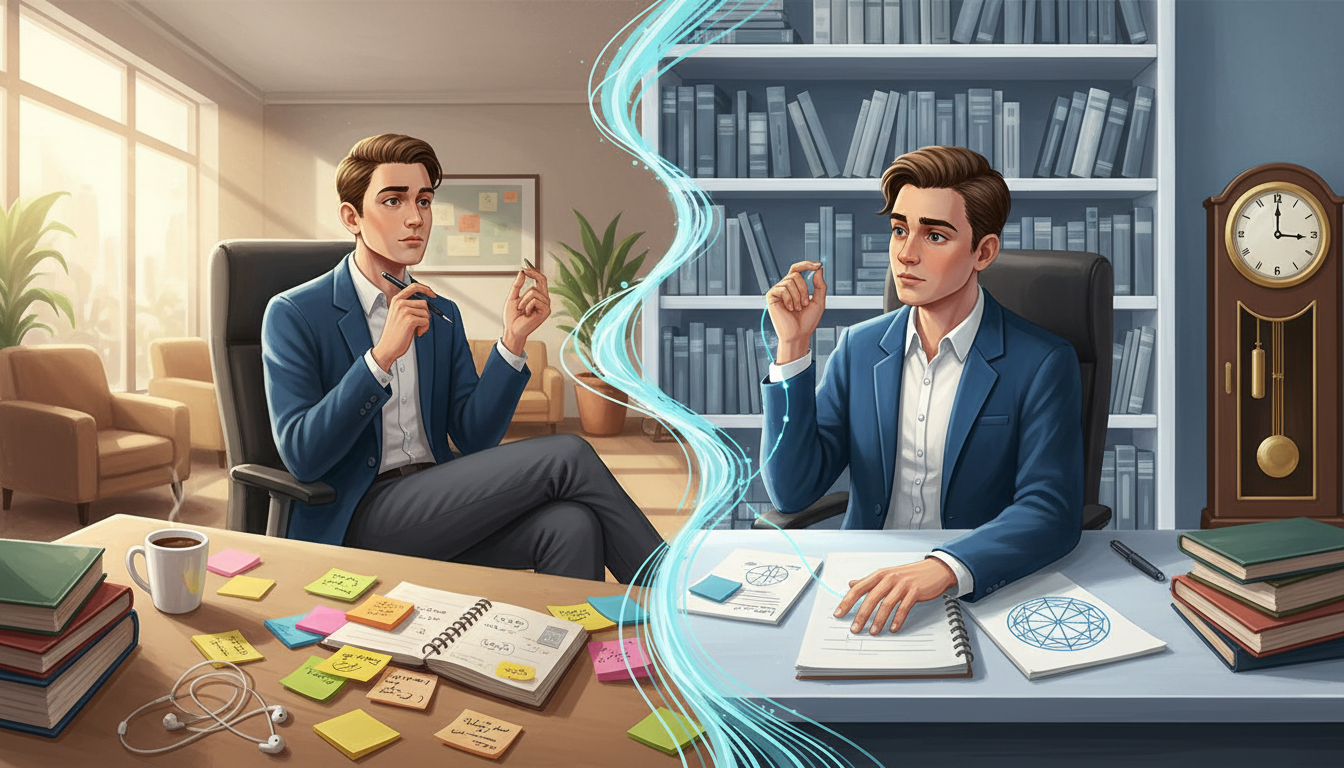
Ever felt like your mind is always buzzing? Maybe it’s because you’re trying too hard to be perfect or just can’t focus. In the United States, many people find it hard to tell the difference between attention deficit hyperactivity disorder obsessive compulsive disorder.
These two conditions share some symptoms. This makes it tough for people to do well in school or at work.
Understanding the link between adhd ocd is key to feeling better. We aim to guide you through the complex world of these brain differences.
In this guide, we’ll look at the big differences and small similarities between these conditions. We’ll also talk about how to get diagnosed, what treatments are out there, and how to manage your life better.
Key Takeaways
- Both conditions significantly impact executive function and daily routines.
- Overlapping symptoms often make the diagnostic process quite complex.
- Recognizing unique traits is essential for choosing the right treatment.
- Effective management strategies can improve performance at school and work.
- Professional guidance helps distinguish between intrusive thoughts and impulsivity.
- Integrated therapy approaches offer hope for managing multiple symptoms at once.
What are ADHD and OCD?
ADHD and OCD are two brain disorders. They affect how people live their daily lives. Knowing what they are helps us manage them better.
Defining ADHD
Attention Deficit Hyperactivity Disorder (ADHD) makes it hard to focus, be still, or act without thinking. People with ADHD might find it hard to pay attention. They might also be too active or make quick, rash decisions.
Defining OCD
Obsessive-Compulsive Disorder (OCD) makes people have unwanted thoughts and do certain actions over and over. These thoughts and actions are not fun and feel like they must be done. Knowing this helps us see the signs and get help.
Common Symptoms of ADHD and OCD
ADHD and OCD have complex symptoms. This makes it hard to diagnose and treat them. Knowing how they affect people is key to managing them well.
Symptoms of ADHD
ADHD includes symptoms like not paying attention, being too active, and acting on impulse. People with ADHD might find it hard to:
- Stay focused on tasks or activities
- Follow detailed instructions or finish tasks
- Organize tasks and manage time well
- Fidget or feel restless, especially in quiet places
- Act impulsively, like interrupting others or blurting out answers
A medical expert says, “Those with ADHD often struggle to control their emotions and actions. This can affect their daily life.”
Symptoms of OCD
OCD is about having unwanted thoughts (obsessions) and doing certain actions (compulsions) to feel better. Common signs include:
- Excessive cleaning or handwashing because of germ fears
- Checking locks, appliances, or other things over and over
- Arranging objects in a specific order or symmetry
- Mental compulsions, like counting or repeating words
“People with OCD have obsessive thoughts. They try to stop these thoughts by doing repetitive rituals or compulsions.”
Overlapping Symptoms
ADHD and OCD symptoms can sometimes look the same. For example, ADHD impulsivity might look like OCD compulsions. Also, OCD repetitive behaviors might seem like ADHD hyperactivity.
| Symptom | ADHD | OCD |
|---|---|---|
| Repetitive Behaviors | Hyperactivity (e.g., fidgeting) | Compulsions (e.g., handwashing) |
| Intrusive Thoughts | Distractibility | Obsessions (e.g., fear of germs) |
| Organizational Issues | Difficulty organizing tasks | Need for symmetry or order |
It’s important to understand these differences. This helps us diagnose and manage these conditions better. We need to know the unique traits of each disorder to help people effectively.

How ADHD and OCD Affect Daily Life
Understanding ADHD and OCD is key to managing them. They impact daily tasks, social life, and work or school. Both can make everyday life hard.
Challenges in Relationships
People with ADHD and OCD face special challenges in relationships. Impulsivity from ADHD can make them interrupt or say things without thinking. This might seem rude.
OCD’s repetitive behaviors or thoughts can confuse or upset others. They might not get why someone does the same thing over and over.
For more on managing these conditions, check out Additude Magazine. It talks about symptoms, diagnosis, and treatment.

Impact on Work or School
ADHD and OCD can hurt grades, attendance, and performance. ADHD makes it hard to focus, leading to missed deadlines. OCD’s thoughts and compulsions can also distract from work.
It’s important to understand these issues. This helps create better support in schools and workplaces.
Coping Mechanisms
Finding ways to cope is crucial. Breaking tasks into smaller steps helps. Using planners or apps keeps things organized. Mindfulness or relaxation can also help with stress and anxiety.
By knowing the challenges and using good coping strategies, people can handle their daily lives better.
Diagnosing ADHD and OCD
Figuring out if someone has ADHD or OCD can be hard. This is because their symptoms can look similar. We will look at how doctors check for these conditions and why getting a professional diagnosis is key.
Evaluation Processes
Doctors use a detailed check to spot ADHD. They don’t have one test for it. Instead, they use a list to see how bad the symptoms are.
For OCD, doctors make sure it’s not caused by another health issue. They do a full check and might need more tests to be sure.
Importance of Professional Diagnosis
Getting a professional diagnosis is very important for both ADHD and OCD. A doctor can give a correct diagnosis after a full check. This is vital for making a good treatment plan.
A right diagnosis means the treatment fits the person’s needs. It might include therapy, medicine, or both. It also helps people understand what they’re going through better.
Treatment Options for ADHD and OCD
It’s important to know the different ways to treat ADHD and OCD. Treatment often includes medicine, therapy, and changes in lifestyle.
Medication Options
Medicine is key in managing ADHD and OCD symptoms. For ADHD, doctors often use stimulants to help with focus and control. If stimulants don’t work, non-stimulant medicines are options.
For OCD, doctors usually prescribe SSRIs to lessen obsessive thoughts and compulsions. Sometimes, other antidepressants are tried if SSRIs don’t work.
| Condition | Common Medications | Purpose |
|---|---|---|
| ADHD | Stimulants, Non-stimulants | Regulate attention and impulse control |
| OCD | SSRIs, Antidepressants | Reduce obsessive thoughts and compulsive behaviors |
Therapy Solutions
Therapy is a big part of treating ADHD and OCD. Cognitive-behavioral therapy (CBT) helps change bad thought patterns and behaviors. For OCD, exposure and response prevention (ERP) is a special CBT. It helps people face their fears without acting on compulsions.
CBT for ADHD helps with organization, time management, and less impulsiveness. It also offers ways to handle stress and improve relationships.
Lifestyle Adjustments
Changing your lifestyle can also help with ADHD and OCD. Regular exercise, a healthy diet, and enough sleep can help. Having a daily routine and setting goals is also good.
Support groups are great too. They let you connect with others who understand what you’re going through. Sharing experiences and tips can be very helpful.
Our Journey with ADHD and OCD
Managing ADHD and OCD is a big challenge. It needs a mix of different approaches. People with both often face tougher OCD symptoms. But, there are treatments to help make things better.
Effective Coping Mechanisms
Finding good ways to cope is key. Sharing our experiences helps us understand how to deal with these conditions. Support groups are important. They let us share our stories and learn from others.
Building a Support Network
Having a strong support system is crucial. This includes family, friends, and mental health experts. With these resources, we can learn to manage our conditions better.