
Experiencing a Mental Health Crisis?
If you’re struggling with overwhelming anxiety or fear right now, you don’t have to face it alone. Help is available 24/7.
988 Suicide & Crisis Lifeline – Free, confidential support anytime
Defining Specific Phobias: The 2026 Perspective

Specific phobias are defined as intense, unreasonable, and persistent fears of particular objects or situations. According to the DSM-5, these anxiety disorders cause significant distress and avoidance behavior that interferes with normal functioning. The fear response is immediate and overwhelming, often triggering panic attacks when the person encounters their specific trigger.
The current diagnostic framework categorizes specific phobias into five broad types: animal phobias (dogs, spiders, snakes), natural environment phobias (heights, thunderstorms, water), blood-injection-injury phobias (needles, medical procedures), situational phobias (flying, elevators, enclosed spaces), and other phobias (choking, vomiting, loud sounds). Research indicates that specific phobias affect between three and 15 percent of the global population, with lifetime prevalence varying significantly across cultures.
Traditional Diagnosis
By 2026, our diagnostic approach is becoming more nuanced. Mental health professionals are incorporating digital phenotyping—data collected from wearables, smartphones, and apps—to understand phobic responses in real-world contexts. This technology tracks physiological markers like heart rate variability, sleep patterns, and avoidance behaviors, providing clinicians with objective data that complements traditional assessment methods.
Evolving Understanding
The age of onset for specific phobias varies considerably. Animal phobias typically emerge around age seven, while claustrophobia often doesn’t develop until early adulthood, with an average onset age of 20 years. Women are twice as likely as men to develop specific phobias, though the reasons for this gender difference remain under investigation. Importantly, childhood fears are common and usually temporary, but when they persist for six months or longer and cause significant impairment, a diagnosis of specific phobia may be warranted.
The persistence of specific phobias is striking. Studies from the Epidemiologic Catchment Area (ECA) program and National Comorbidity Survey Replication show that 10 to 30 percent of cases persist for years or even decades. These disorders rarely resolve on their own, and people with specific phobias have increased risk of developing other anxiety disorders, mood disorders, and substance use disorders over time. This high comorbidity underscores why early treatment of phobias could potentially alter the risk trajectory for other mental health conditions.
Emerging and Evolving Phobias: Specific Phobias 2026 Trends

As society evolves, so do our fears. The landscape of specific phobias 2026 reflects our rapidly changing world, with new categories of phobic responses emerging from technological advancement and environmental concerns. Understanding these evolving patterns helps mental health professionals anticipate treatment needs and develop targeted interventions.
Technology-Related Phobias
The digital revolution has created entirely new categories of fear. AI-related anxiety—fear of artificial intelligence systems making consequential decisions—has moved from science fiction to clinical reality. People report intense anxiety about algorithm-driven medical diagnoses, autonomous vehicles, and AI-generated content that blurs reality. This phobia often manifests as avoidance of smart home devices, digital assistants, and automated customer service systems.
Deepfake anxiety represents another emerging concern. The fear that one’s image or voice could be manipulated without consent creates significant distress for many individuals. This specific phobia extends beyond privacy concerns to existential questions about truth and identity in digital spaces. People with this fear may avoid social media entirely, refuse video calls, or experience panic when encountering manipulated media.
Metaverse immersion fear affects individuals who experience intense discomfort with virtual reality environments and augmented reality applications. This goes beyond motion sickness to encompass fears of losing touch with physical reality, identity confusion in digital spaces, or becoming “trapped” in virtual environments. As VR technology becomes more prevalent in education and workplace training by 2026, this phobia increasingly impacts people’s professional and social opportunities.
Environmental and Health-Related Fears
Important Development: By 2026, eco-anxiety and climate-related phobias are gaining recognition as legitimate specific phobias rather than generalized existential concerns. Some individuals experience panic attacks when viewing climate data, severe weather events, or environmental degradation imagery.

The post-pandemic era has solidified new health-related phobias. Germaphobia and contamination fears have intensified for many people who previously had mild concerns. Medical procedure anxiety has become more complex, with some individuals developing specific phobias around testing procedures, vaccination needles, or even the medical settings themselves after repeated exposures during public health crises.
These emerging phobias share common characteristics with traditional specific phobias: immediate fear response, recognition that the fear is excessive, avoidance behavior, and significant life impairment. However, they present unique treatment challenges because the triggers are often unavoidable in modern life. You can’t opt out of technological society entirely, and environmental concerns have objective validity, making therapeutic approaches more nuanced.
The Future of Treatment: Specific Phobias 2026 and Beyond

Treatment for specific phobias is undergoing a revolutionary transformation. By 2026, the therapeutic landscape combines evidence-based traditional approaches with cutting-edge technology, creating more accessible, effective, and personalized treatment options. These innovations are changing who can access treatment, how quickly it works, and how sustainable the results prove to be over time.
Virtual and Augmented Reality Exposure Therapy
Exposure therapy remains the gold standard treatment for specific phobias, with decades of research supporting its effectiveness. The principle is straightforward: gradual, controlled exposure to the feared object or situation helps the brain learn that the perceived danger is not actually threatening. However, traditional exposure therapy faces practical limitations. It requires access to the phobic stimulus, can be logistically complex (how do you practice fear of flying without constant airplane access?), and may be too overwhelming for some patients initially.
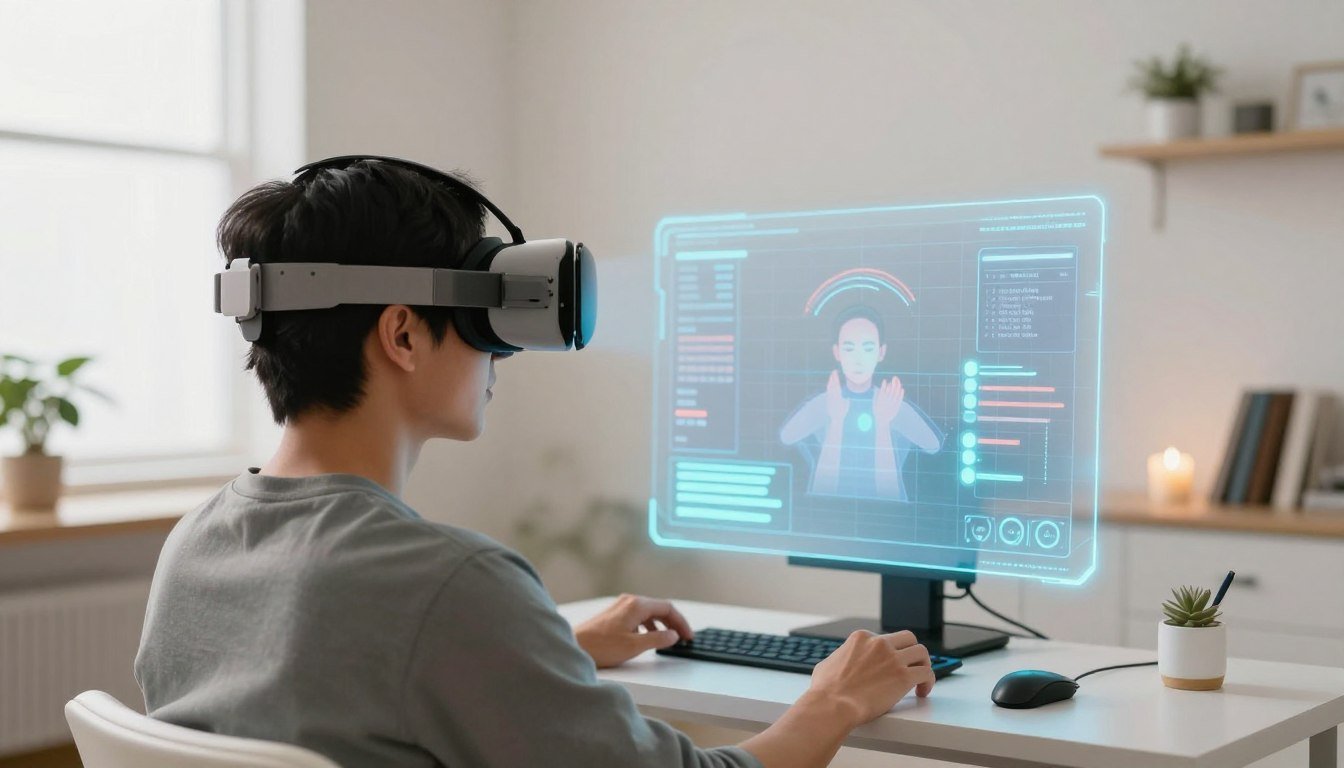
Virtual reality exposure therapy (VRET) solves many of these challenges. By 2026, VR technology has become sophisticated enough to create highly realistic, customizable exposure environments. Someone with a spider phobia can gradually encounter increasingly realistic virtual spiders in the safety of a therapist’s office. Fear of heights can be addressed through virtual scenarios that precisely control elevation, environmental factors, and challenge levels.

Research shows VRET produces results comparable to in-vivo exposure therapy for many specific phobias. Patients report finding virtual exposure more tolerable initially, leading to better treatment adherence. The therapy can be paused, repeated, or adjusted in real-time based on patient distress levels. Multiple context exposure—practicing the fear in various virtual environments—helps prevent relapse by teaching the brain that safety extends across different situations.
Augmented reality (AR) applications extend these benefits beyond the clinic. Smartphone apps overlay digital elements onto the real world, allowing people to practice exposure exercises independently. Someone with insect phobia might use an AR app that gradually introduces virtual spiders into their actual environment, building tolerance through repeated, controlled exposure at their own pace.
AI-Powered Therapeutic Support
Artificial intelligence is transforming access to mental health support. By 2026, AI-powered chatbots and virtual therapy assistants provide initial assessment, psychoeducation, and basic exposure exercises. These tools don’t replace human therapists but rather extend their reach, offering support between sessions and serving individuals in areas with limited mental health resources.
Advanced AI systems can detect anxiety patterns through speech analysis, text input, and biometric data from wearables. They adjust exposure difficulty in real-time, provide personalized coping strategies, and alert human clinicians when patient distress exceeds safe thresholds. This hybrid approach combines technology’s scalability with human empathy and clinical judgment.
Pharmacological and Neuromodulation Advances
While cognitive behavioral therapy with exposure remains the primary treatment for specific phobias, medication plays a supporting role for some patients. Beta-blockers can reduce physical anxiety symptoms during exposure sessions, making the therapy more tolerable. Research into pharmacological enhancement of exposure therapy—using medications that facilitate fear extinction learning—shows promise for treatment-resistant cases.
Non-invasive brain stimulation techniques, including transcranial magnetic stimulation (TMS) and transcranial direct current stimulation (tDCS), are under investigation for anxiety disorders. By 2026, these approaches are moving from research settings into specialized clinical applications. The goal is to modulate brain circuits involved in fear processing, potentially enhancing the effectiveness of psychological treatments.
Telehealth and App-Based Interventions

The expansion of telehealth has permanently changed mental health service delivery. For specific phobias, remote treatment offers unique advantages. Patients can begin therapy from the safety of their homes, gradually building confidence before transitioning to in-person exposure if needed. This is particularly valuable for individuals with agoraphobia or social anxiety that might otherwise prevent them from accessing treatment.
Comprehensive therapy apps provide structured programs based on cognitive behavioral therapy principles. These applications include psychoeducation about anxiety and phobias, guided exposure exercises with AR components, relaxation and breathing techniques, and progress tracking. Research demonstrates that app-based interventions can significantly reduce phobia symptoms, especially when combined with periodic human therapist support.
Ready to Explore Evidence-Based Treatment?
Discover cutting-edge approaches and connect with specialists who understand specific phobias. Whether you’re interested in VR therapy, traditional exposure treatment, or innovative combinations, help is available.
Connect with licensed therapists specializing in anxiety disorders and phobia treatment
Societal Impact and Awareness in 2026

The social landscape surrounding mental health, including specific phobias, is shifting dramatically. By 2026, increased awareness campaigns, celebrity disclosures, and educational initiatives have begun reducing the stigma associated with anxiety disorders. People are more willing to discuss their phobias openly, seek treatment earlier, and support others facing similar challenges.
Normalization and Reduced Stigma
Public understanding of specific phobias has matured significantly. Media representations increasingly portray these disorders accurately rather than as character quirks or sources of comedy. Educational programs in schools address anxiety and phobias as common, treatable conditions rather than personal failings. This cultural shift means individuals experiencing phobias face less judgment when seeking help or requesting accommodations.
The language around phobias has also evolved. Mental health advocates emphasize person-first language—”person with a phobia” rather than “phobic person”—recognizing that disorders are conditions people experience, not identity labels. This linguistic shift may seem subtle, but it meaningfully impacts how individuals view themselves and how society treats them.
Workplace Accommodations and Flexibility
The increasingly digital and flexible work environment of 2026 creates new possibilities for people with specific phobias. Remote work options accommodate individuals with agoraphobia, transportation-related fears, or social anxiety. Employers are recognizing specific phobias as legitimate conditions warranting reasonable accommodations under disability frameworks.
Workplace Trends: Progressive organizations provide mental health days, access to employee assistance programs with phobia-specialized therapists, and flexibility around situations that might trigger phobic responses. Virtual meetings can accommodate individuals with various situational phobias while maintaining productivity.
However, challenges remain. Some specific phobias—particularly newly emerging technology-related fears—aren’t yet fully understood by human resources departments or legal systems. Advocacy continues for broader recognition and accommodation of the full spectrum of phobic disorders.
Educational Integration and Youth Support
Recognizing that specific phobias often begin in childhood, educational systems are implementing early intervention programs. School counselors receive training in recognizing phobic responses versus typical developmental fears. Graduated exposure principles are being incorporated into educational settings, helping children develop coping skills before phobias become entrenched.
Parents have access to more resources and guidance about when childhood fears warrant professional attention. The developmental course of phobias—progressing from fear to avoidance to diagnosis—suggests that interrupting this progression early could reduce prevalence and severity. By 2026, pediatricians routinely screen for anxiety symptoms and phobic avoidance during well-child visits.
Understanding the Scope: Statistics and Research
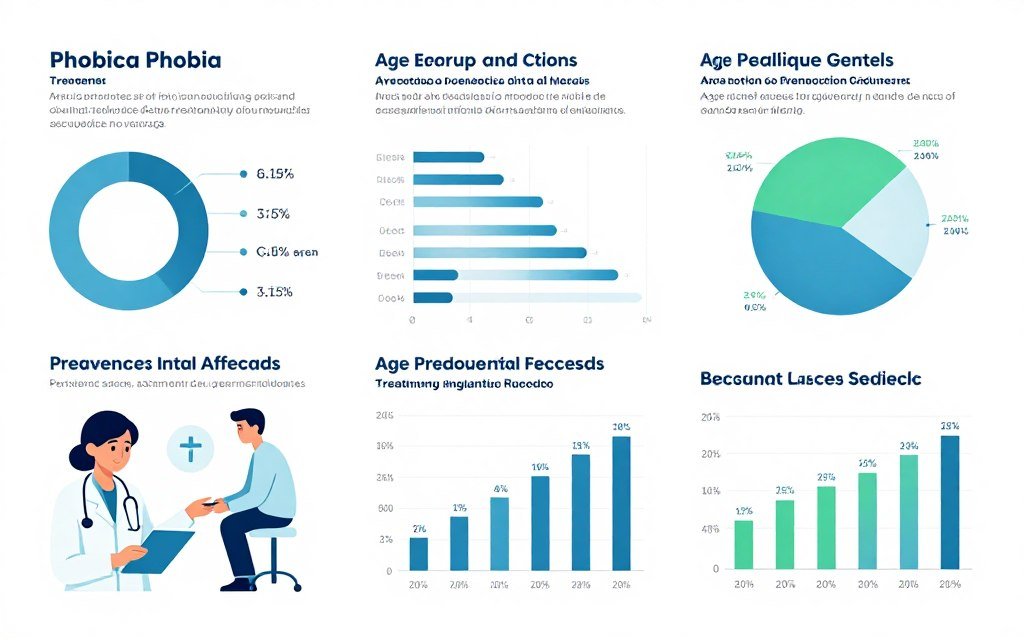
Comprehensive understanding of specific phobias requires examining the research landscape. Studies from major epidemiological surveys—including the Epidemiologic Catchment Area program, National Comorbidity Survey Replication, and National Epidemiologic Survey on Alcohol and Related Conditions—provide robust data on prevalence, incidence, course, and treatment outcomes.
Prevalence and Demographics
Population-based studies indicate significant variation in specific phobia prevalence worldwide, ranging from three percent in some populations to 15 percent in others.
- Lifetime prevalence in United States: 7.2 to 9 percent
- Women affected at twice the rate of men
- Animal and environmental phobias most common
- Peak incidence during midlife and old age, despite childhood onset
Persistence and Comorbidity
Specific phobias demonstrate remarkable persistence, with many cases lasting years or decades without treatment.
- 10-30 percent of cases persist long-term
- Strong predictive factor for other anxiety disorders
- Increased risk of mood and substance use disorders
- Early treatment may alter risk trajectory for comorbid conditions
Treatment Seeking Behavior
Despite high prevalence and effective treatments, most people with specific phobias never receive professional help.
- Only 10-25 percent seek treatment
- Avoidance reduces perceived need for intervention
- Severity and number of phobias predict treatment seeking
- Certain phobias (flying, heights) more likely to prompt help-seeking
Risk Factors and Etiology
Both genetic and environmental factors contribute to specific phobia development, though exact causes remain under investigation.
- First-degree relatives show increased risk for same phobias
- Traumatic experiences associated with some phobias
- Neuroticism and anxiety sensitivity as predisposing factors
- Overprotective parenting and early trauma elevate risk
This research underscores both the widespread nature of specific phobias and the treatment gap that exists. By 2026, efforts to bridge this gap through technology-enhanced therapy, telehealth expansion, and destigmatization campaigns are showing measurable progress. However, substantial work remains to ensure everyone with a treatable phobia has access to effective interventions.
Comprehensive Support and Resources
Immediate Crisis Support
If you’re experiencing overwhelming anxiety, panic attacks, or mental health crisis, immediate support is available 24/7 from trained counselors.
988 Suicide & Crisis Lifeline
Find Specialized Treatment
Connect with licensed therapists who specialize in anxiety disorders, specific phobias, and evidence-based treatments including exposure therapy and CBT.
Educational Resources
Learn more about specific phobias, treatment options, and coping strategies from trusted mental health organizations and research institutions.
Additional Support Organizations
- Anxiety and Depression Association of America (ADAA): Comprehensive resources, support groups, and treatment provider directory
- National Alliance on Mental Illness (NAMI): Education, advocacy, and peer support for individuals and families
- International OCD Foundation: Resources for anxiety spectrum disorders including specific phobias
- Mental Health America: Screening tools, educational materials, and community resources
Looking Forward: Hope and Healing in 2026

The landscape of specific phobias in 2026 is characterized by unprecedented understanding, innovative treatments, and expanding access to care. While phobias remain among the most common anxiety disorders, affecting millions of people worldwide, the parallel growth in effective interventions provides genuine hope for those experiencing these challenging conditions.
We’ve witnessed remarkable evolution in how specific phobias are diagnosed, understood, and treated. Digital phenotyping and wearable technology offer objective insights into phobic responses. Virtual and augmented reality exposure therapy makes treatment more accessible and tolerable. AI-powered support extends the reach of human therapists. Telehealth platforms connect individuals with specialized care regardless of geographic limitations.
Perhaps most significantly, societal attitudes toward mental health have shifted. Specific phobias are increasingly recognized as legitimate medical conditions deserving accommodation, understanding, and treatment—not personal failings or sources of shame. This cultural transformation matters profoundly for individuals who might have suffered in silence in previous generations.
The emerging phobias of our time—technology-related fears, climate anxiety, post-pandemic health concerns—reflect our evolving world. Yet they also demonstrate human resilience and adaptability. As new fears emerge, so too do innovative approaches to address them. The therapeutic principles that work for traditional specific phobias—graduated exposure, cognitive restructuring, building tolerance and confidence—apply equally to these contemporary concerns.
For anyone experiencing a specific phobia, the message is clear: effective treatment exists. Whether your fear developed in childhood or emerged recently, whether it centers on animals, situations, medical procedures, or technology, evidence-based interventions can reduce symptoms and restore quality of life. The persistence of untreated phobias over years or decades makes early intervention particularly important, potentially preventing the development of comorbid anxiety, mood, and substance use disorders.
The journey from fear to freedom is not instantaneous. Treatment requires courage—the willingness to gradually face what frightens you most, guided by skilled professionals and supported by advancing technology. But the outcomes justify this courage. Research consistently demonstrates that exposure therapy produces meaningful, lasting symptom reduction for the majority of people who complete treatment.
As we look toward the future beyond 2026, continued innovation in treatment delivery, neuroscience research, and therapeutic techniques promises even more effective interventions. The integration of technology with traditional therapeutic wisdom—human empathy enhanced by digital tools—represents the optimal path forward.
If you or someone you care about struggles with a specific phobia, remember that you’re not alone. Millions of people share similar experiences. Help is available, effective, and increasingly accessible. The fear that feels overwhelming today can become manageable tomorrow with the right support. The future of specific phobias treatment is bright, offering hope and healing to all who seek it.