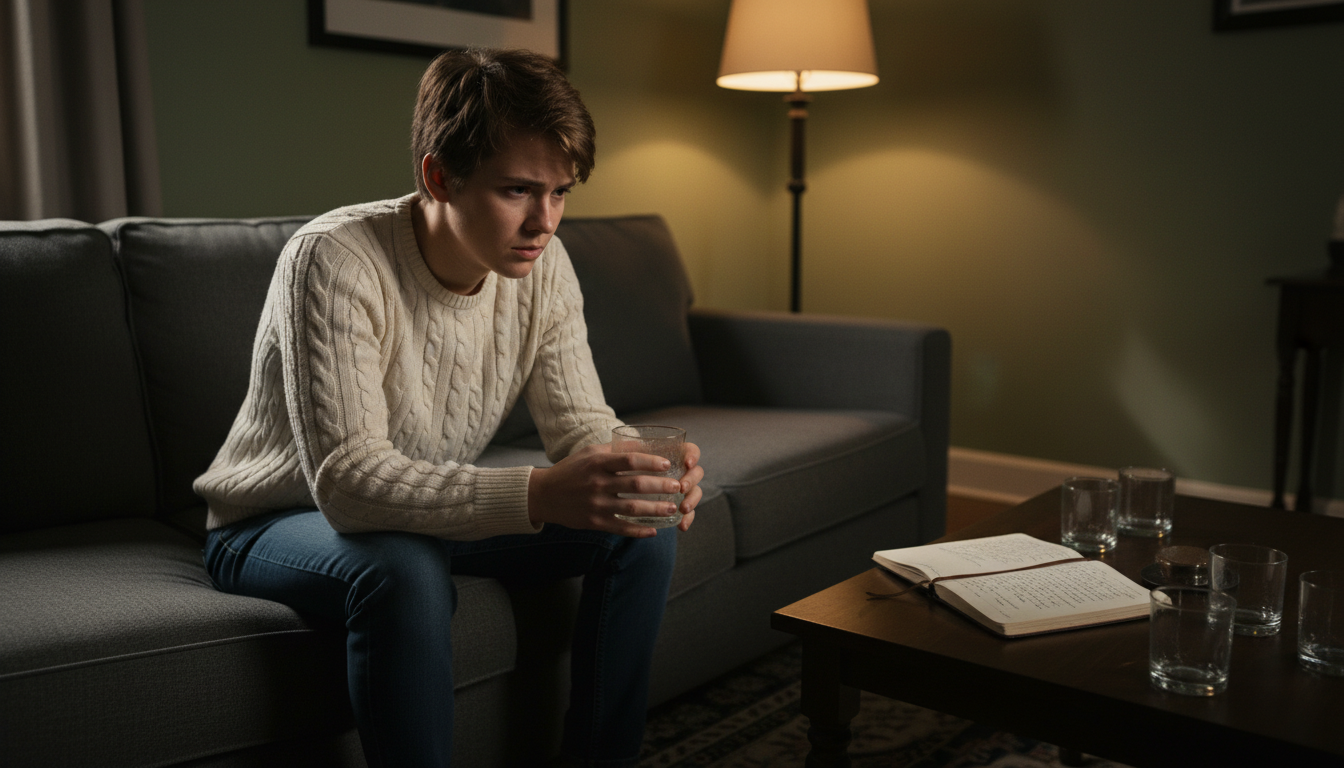
We have all been there. You wake up with a pounding head and a deep sense of dread. This unsettling sensation usually comes after a long night out.
This feeling is often called “hangxiety” today. It makes us feel irritable or very on-edge for hours. We might worry about what we said or did the night before.
Alcohol-induced anxiety is a real feeling that affects our nervous systems. It can make us feel sick and have trouble focusing. These feelings can make it hard to get through the day.
We will look into why these feelings happen so often. We will also talk about how to deal with them. Our goal is to help you feel better on tough mornings.
Key Takeaways
- Hangxiety mixes physical hangover symptoms with intense emotional distress.
- Feeling irritable and on-edge are key signs of this state.
- This feeling comes from a real change in our nervous systems.
- Common issues include feeling sick and having trouble concentrating.
- Understanding the physical changes helps manage these feelings.
- Our guide offers ways to find relief on hard mornings.
What Happens When We Experience Post-Drinking Anxiety
Drinking alcohol and our mental health are linked in a complex way. Knowing this helps us deal with anxiety after drinking. Alcohol changes how our brain works, making us feel relaxed and less worried at first.
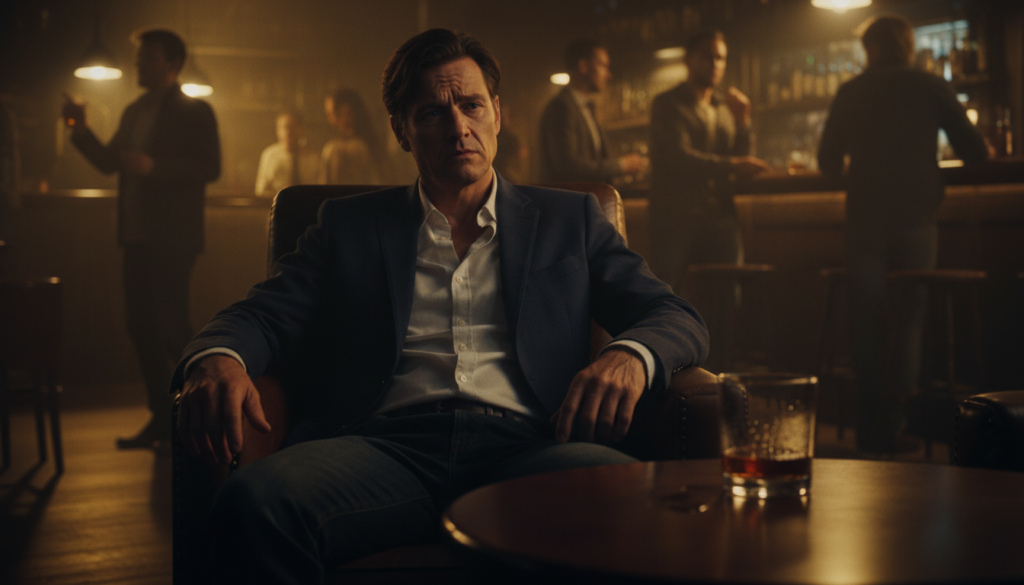
The Connection Between Alcohol and Our Mental State
Alcohol affects our brain’s GABA receptors, making us calm. It also lowers glutamate, a stress hormone. This mix makes us feel relaxed and less worried while drinking.
But, this calm doesn’t last. When alcohol leaves our system, our brain chemistry changes. GABA receptors stop working, and glutamate levels rise. This can make us feel anxious again.
Why This Happens to So Many of Us
Many people feel anxious after drinking, known as hangxiety. It’s common because alcohol is often used in social settings. Coping strategies vary, and knowing why we feel anxious is key for mental health.
Our mental state after drinking also depends on our mental health, stress, and genes. Understanding these factors helps us see why hangxiety occurs. It also shows how to lessen its effects.
Understanding the Science Behind Alcohol-Induced Anxiety
Drinking too much alcohol can make us feel anxious. It’s not just feeling a little worried. It’s because of how alcohol changes our body and mind.
How Alcohol Disrupts Our Brain Chemistry
Alcohol changes how our brain works. It messes with our cortisol levels. Heavy drinking makes cortisol levels go up and stay up.
This can make our brain send signals too fast. We might feel anxious and restless. Alcohol also changes the balance of important chemicals in our brain. These chemicals help us feel happy and calm.
The Impact of Excessive Drinking on Our Nervous System
Drinking too much also affects our nervous system. Alcohol makes our nervous system more sensitive. This can make us feel more anxious and jumpy.
How our nervous system reacts to alcohol can be different for everyone. But it’s important to understand why some people feel more anxious after drinking.
Dehydration and Blood Sugar Effects on Mental Health
Alcohol can also make us dehydrated and change our blood sugar levels. Dehydration can make us feel anxious, like our heart is racing and we’re dizzy.
Changes in blood sugar can make us feel moody and anxious. Knowing how alcohol affects our body and mind helps us understand why it can make us feel anxious.
Recognizing the Symptoms of Alcohol-Related Anxiety
Feeling anxious after drinking is common. It’s key to know the signs. This way, we can handle it better.
Physical Signs We Should Watch For
Drinking alcohol changes our body. This can cause anxiety symptoms. Look out for:
- Tremors or shaking
- Sweating
- Nausea or stomach discomfort
- Rapid heartbeat
- Headaches
These signs can be scary. They often show us something’s wrong.
Emotional and Psychological Symptoms
Alcohol anxiety also affects our feelings and mind. We might feel:
- Feelings of dread or panic
- Irritability or mood swings
- Difficulty concentrating
- Restlessness or an inability to relax
These feelings can really mess with our lives. They affect how we act and feel every day.
Timeline of When Symptoms Appear
Knowing when anxiety symptoms show up helps us deal with them. Hangover anxiety usually hits hardest the day after. It can last from 24 hours to longer, based on how much we drank and our body type.
Here’s what to expect:
| Time Frame | Possible Symptoms |
|---|---|
| 0-12 hours after drinking | Initial hangover symptoms start to appear, including headache, nausea, and fatigue. |
| 12-24 hours after drinking | Peak anxiety symptoms, including physical signs like tremors and emotional distress. |
| 24+ hours after drinking | Gradual improvement in symptoms as the body recovers. |
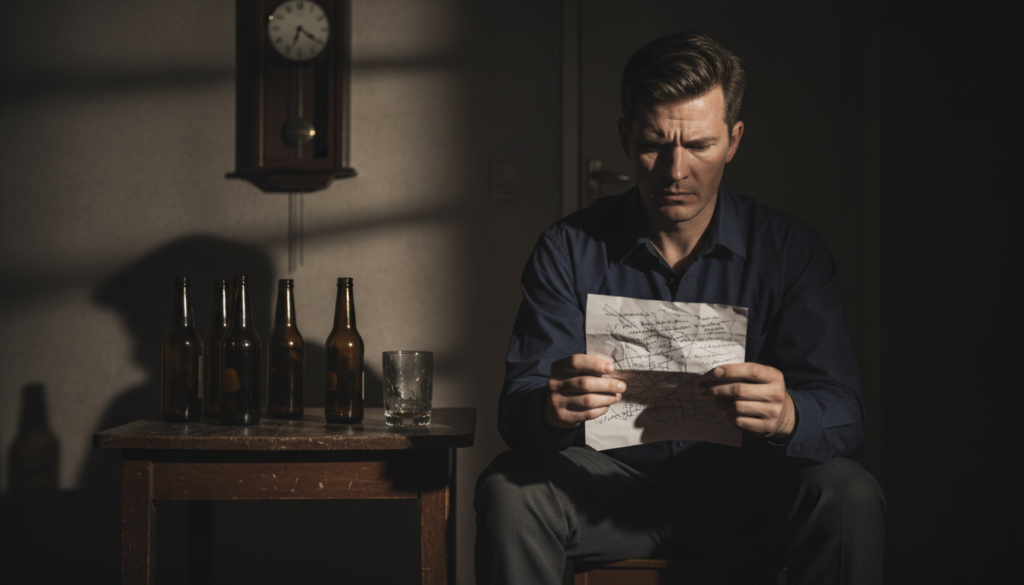
Managing Anxiety After Drinking: Immediate Relief Techniques
Feeling anxious after drinking can be tough. But, there are ways to feel better right away. We need to tackle both our body’s and mind’s feelings.
Rehydrate and Restore Your Electrolytes
Drinking water is a key step to fight anxiety after drinking. Alcohol makes us lose water, which can make us feel more anxious. Drinking water and eating foods with lots of electrolytes helps fix this.
Drinking water often and eating foods like bananas or avocados helps a lot. This can make our headaches and tiredness go away, helping us feel less anxious.
| Rehydration Method | Benefits |
|---|---|
| Drinking Water | Replenishes fluids, helps reduce headache and fatigue |
| Electrolyte-rich Beverages | Restores electrolyte balance, alleviates muscle cramps and weakness |
| Electrolyte-rich Foods | Provides essential nutrients, supports overall recovery |
Apply Relaxation Techniques and Deep Breathing
Deep breathing and relaxation techniques can calm us down. Deep breathing slows our heart rate and relaxes us by using our parasympathetic nervous system. To do deep breathing, breathe in deeply, hold it, then breathe out slowly. Do this a few times to relax.
Other methods like progressive muscle relaxation or visualization can also help. They take our mind off anxious thoughts and make us feel calm. For more tips, check out Healthline’s guide on hangover anxiety.
Use Grounding Exercises to Calm Your Mind
Grounding exercises are great for anxiety after drinking. They keep us in the moment and away from worries. A simple one is to notice our feet on the ground, the sounds, or the air on our skin.
By focusing on these, we calm our minds and lessen anxiety. Grounding is easy to do anywhere, anytime, making it a great tool for quick relief.
Engage in Gentle Movement or Stretching
Doing gentle exercises or stretching can also help. They release happy chemicals in our brain. Activities like yoga or a short walk can make us feel better and less anxious.
It’s important to pick activities we like. This makes them more effective in improving our mood. Using these techniques can help us manage anxiety after drinking and feel better overall.
Long-Term Coping Strategies for Managing Post-Drinking Anxiety
Managing anxiety after drinking needs a big plan. We must focus on feeling good overall. This helps us deal with anxiety better.
Mindfulness Practices
Mindfulness is key for anxiety. It helps us notice our thoughts and feelings. Meditation and deep breathing calm our minds.
Doing mindfulness often changes our brain. It helps us handle stress better. Start with short meditations and grow as you get better.
Comprehensive Self-Care Plan
A good self-care plan is important. It should include things that relax us and make us feel good. Hobbies, nature, and gratitude are great choices.
Our physical health matters too. Exercise, eating right, and sleeping well help our minds stay calm.
Improving Sleep Quality
Good sleep is crucial for anxiety. Bad sleep makes anxiety worse. A regular sleep schedule and a calm bedtime routine help.
A quiet, cool, dark bedroom also helps sleep. Making sleep a priority helps us feel better.
Seeking Professional Help
Knowing when to get help is important. If anxiety is too much, see a mental health expert. They can help us find the right treatment.
Getting help is brave. It’s a big step towards better mental health. With professional help and our own efforts, we can manage anxiety well.
Prevention: Reducing the Risk of Anxiety After Alcohol Consumption
We can lower our chance of feeling anxious after drinking. Knowing how much we drink and making smart choices helps a lot.
Establishing Healthy Drinking Limits
Setting limits on how much we drink is key. The Australian guidelines say men and women should not have more than 4 standard drinks a day. Following these rules can help avoid alcohol-related harm, like feeling anxious.
| Drinking Limit Guidelines | Standard Drinks Per Day | Standard Drinks Per Week |
|---|---|---|
| Healthy Men and Women | No more than 4 | No more than 10 |
Making Smart Choices About What We Drink
The kind of alcohol we drink matters too. Drinks with lots of congeners, like whiskey and red wine, can make us feel worse. Choosing clear spirits like gin or vodka might help us feel better.
Pacing Our Alcohol Intake Throughout the Evening
Drinking slowly is another good idea. This lets our body handle the alcohol better. It might make hangover symptoms, like anxiety, less severe.
Preparing Our Bodies Before We Start Drinking
Getting ready before drinking is important too. Eating well and staying hydrated can help our mental health. It makes alcohol’s effects less bad.
By using these tips, we can have fun while drinking less. It’s all about making smart choices and being careful with our drinking.
Conclusion
We’ve looked into how alcohol and anxiety are connected. Alcohol might seem to help at first, but it can make anxiety worse over time. Our brain tries to balance things out, which can lead to more anxiety.
Knowing the signs of anxiety after drinking is key. We can use tricks like drinking water, relaxing, and focusing on the present to feel better right away. For lasting effects, mindfulness and taking care of ourselves are important.
To avoid anxiety after drinking, it’s vital to drink in moderation. Making smart choices about alcohol helps a lot. By being careful with our drinking and finding better ways to cope, we can protect our mental health.
## FAQ
### Q: What exactly is “hangxiety,” and why do we experience anxiety after drinking?
A: “Hangxiety” is the feeling of anxiety after drinking alcohol. Alcohol first makes us feel calm by acting like a calming chemical in our brain. But when we stop drinking, our brain gets too excited. This leads to feelings of anxiety and restlessness.
### Q: How does excessive drinking affect our brain chemistry and nervous system?
A: Drinking too much alcohol changes our brain and body. It makes our stress hormone go up, making us feel stressed. It also makes us dehydrated and can make us feel like we’re having a panic attack.
### Q: What are the most common physical and emotional symptoms of alcohol-related anxiety?
A: Signs of alcohol anxiety include a fast heartbeat, sweating, and shaking. We might also feel scared, worried about what we did, and have trouble focusing. These feelings get worse when the alcohol is all gone.
### Q: What are some immediate coping strategies for relief?
A: To feel better, drink water with electrolytes and try deep breathing. Grounding exercises can also help. These techniques help us stay in the present and calm down.
### Q: Can mindfulness practices and self-care tips help with long-term recovery?
A: Yes, they can. Mindfulness helps us notice how alcohol affects us. A self-care plan that includes sleep, yoga, and avoiding caffeine can help too. Taking care of ourselves helps our mental health stay stable.
### Q: How can we prevent anxiety after drinking before it even starts?
A: To avoid anxiety, drink in moderation and drink water with your drinks. Eating before drinking can also help. These steps can make hangxiety less severe.
### Q: When should we consider seeking professional support for our mental health?
A: If drinking makes you anxious and affects your life, get help. Organizations like SAMHSA or a therapist can help you deal with your drinking and improve your mental health.