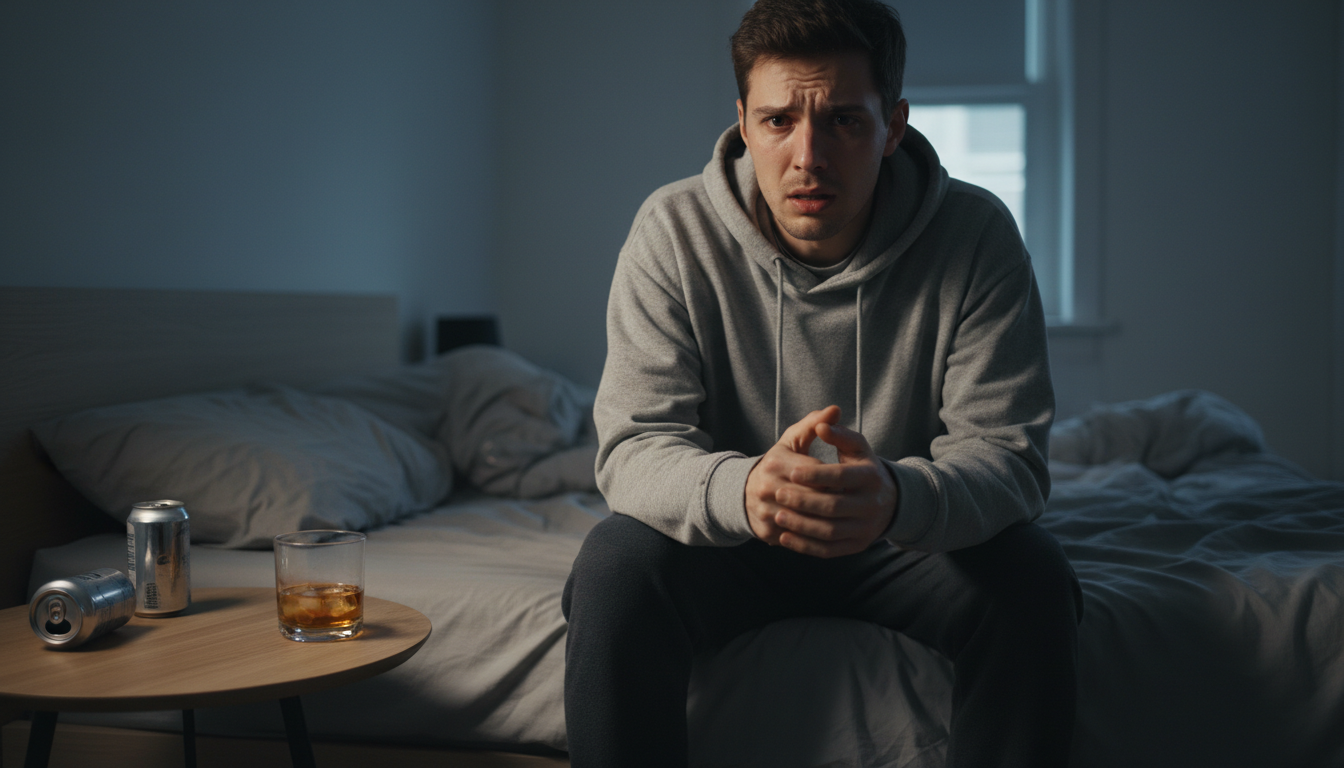
After a night out drinking, you might wake up feeling scared. This feeling is called “hangxiety.” It’s the worry that comes after a fun night.
Many people feel anxious or very upset after drinking. They might have headaches or feel sick. It’s hard to relax and focus on daily tasks.
These feelings can be really tough. Our guide helps you understand why you feel this way. We share ways to calm down and focus again.
We’ll look at why you feel this way and how to feel better fast. Knowing why helps us handle it better. We’ll talk about how to help your body and mind.
Key Takeaways
- Hangxiety creates a challenging mix of physical and mental stress.
- Chemical shifts in the brain often trigger post-party worry and dread.
- Feeling irritable or on-edge are common signs of this condition.
- Dehydration and low sleep quality make symptoms feel much worse.
- We can use simple recovery steps to regain mental balance efficiently.
- Understanding your body helps us manage the morning after much better.
Understanding Why We Experience Anxiety After Drinking Alcohol
Drinking alcohol can mess with our brain’s chemicals. This can make us feel anxious after drinking. Both our body and mind play a part in this.
The Science Behind Alcohol-Induced Anxiety
Alcohol changes how our brain works. At first, it makes us feel calm and less worried. But when it wears off, our brain gets anxious.
How Alcohol Disrupts GABA and Glutamate Balance
Alcohol changes our brain’s GABA and glutamate levels. GABA helps calm us down. Glutamate makes us excited. When we drink, GABA gets stronger and glutamate weaker.
But when the alcohol goes away, our brain tries to balance it. This can make us feel very anxious. Sometimes, it can even cause seizures.
The Rebound Effect of Alcohol Withdrawal
The rebound effect is key to understanding anxiety from drinking. When we stop drinking, our brain gets excited. This can make us feel anxious, jittery, or even worse.
Physical Factors That Contribute to Hangxiety
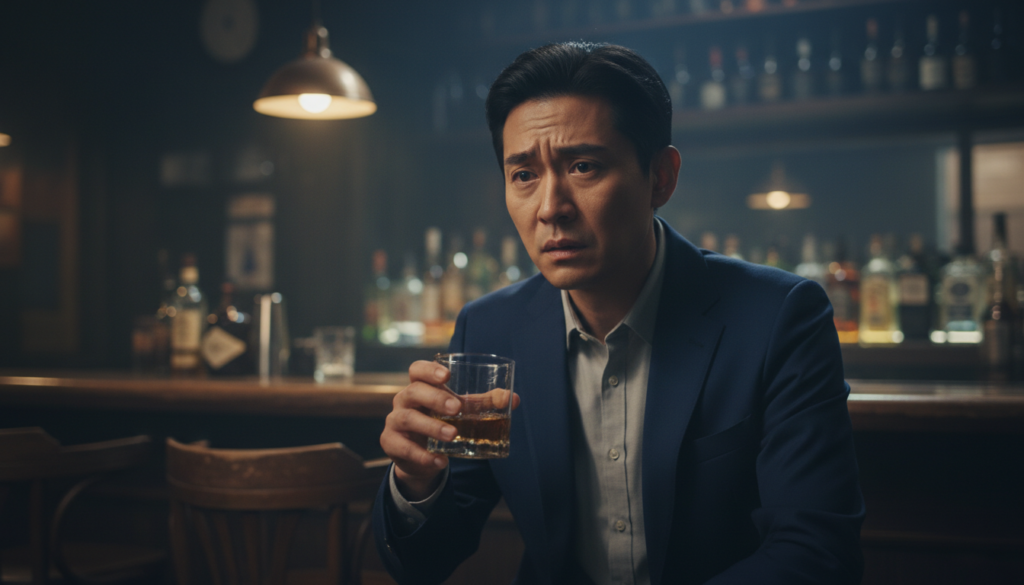
There are physical reasons for feeling anxious after drinking too.
Dehydration and Blood Sugar Fluctuations
Drinking alcohol makes us lose water. If we don’t drink enough water, we can feel tired and anxious. It also messes with our blood sugar, making us feel worse.
Sleep Disruption and REM Cycle Interference
Drinking alcohol can mess up our sleep. It affects the REM cycle, which is important for feeling rested. Bad sleep can make us feel anxious and moody.
Psychological Triggers of Post-Drinking Anxiety
Our mind also plays a big part in feeling anxious after drinking. Stress, feeling guilty, and being nervous around people can all make us feel anxious.
Knowing why we feel anxious after drinking helps us deal with it better. By understanding the physical and mental reasons, we can handle alcohol’s effects better.
Recognizing the Symptoms of Alcohol-Related Anxiety
Drinking alcohol can affect our minds and bodies in many ways. Knowing the signs of alcohol-related anxiety is key to taking care of our mental health.
Physical Warning Signs We Should Monitor
Our bodies often tell us when something is wrong. With alcohol-related anxiety, these signs can be very clear.
Rapid Heart Rate and Chest Tightness
A fast heart rate and tight chest are signs of anxiety after drinking. These symptoms are our body’s way of saying it’s stressed.
Sweating, Trembling, and Nausea
We might also sweat, shake, or feel sick. These signs show our body is fighting the effects of alcohol.
Emotional and Cognitive Symptoms
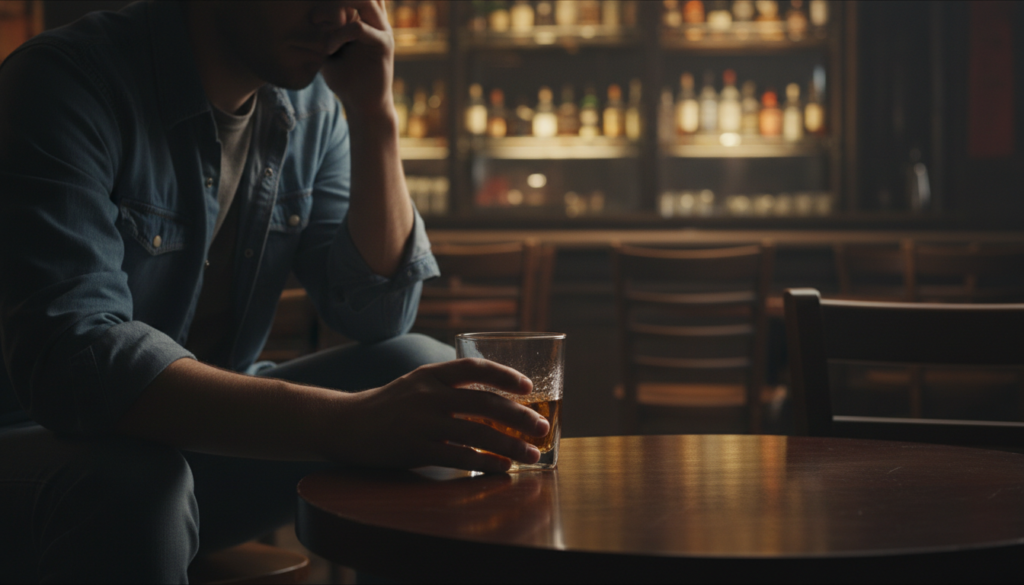
Alcohol-related anxiety also affects our feelings and thinking.
Racing Thoughts and Worry Spirals
Our thoughts can race and we might worry a lot. These feelings can be very hard to handle.
Feelings of Dread and Impending Doom
We might feel scared or think something bad is going to happen. Seeing these feelings as anxiety symptoms is the first step to dealing with them.
Distinguishing Between Anxiety and Panic Attacks
It’s important to know the difference between regular anxiety and panic attacks. Panic attacks are much more intense. Knowing the difference helps us get the right help.
By understanding the signs of alcohol-related anxiety, we can handle its impact on our mental health better.
Immediate Relief Strategies: What to Do Right Now
The morning after a night out can sometimes bring unwanted anxiety. But, there are practical steps we can take to find relief. When we’re experiencing anxiety after drinking alcohol, it’s essential to address both our physical and mental states to regain balance.
Step 1: Stabilize Your Physical State
Our bodies undergo significant stress when we consume alcohol. This leads to dehydration and depleted blood sugar levels. To counteract this, we need to focus on rehydration and nutritional restoration.
Rehydration Techniques That Work
Drinking water is the first step towards rehydrating our bodies. We should aim to drink at least 8-10 glasses of water over a few hours to replenish lost fluids. Additionally, consuming electrolyte-rich beverages or coconut water can help restore the body’s electrolyte balance.
Blood Sugar Restoration Through Smart Food Choices
Eating nutrient-rich foods can help stabilize our blood sugar levels. We should opt for complex carbohydrates, proteins, and healthy fats. Some beneficial food choices include:
- Whole grain toast with avocado and eggs
- Greek yogurt with berries and nuts
- Grilled chicken or fish with quinoa and vegetables
| Food | Nutritional Benefits |
|---|---|
| Whole grain toast with avocado | Complex carbohydrates, healthy fats |
| Greek yogurt with berries and nuts | Protein, calcium, fiber |
| Grilled chicken or fish with quinoa and vegetables | Protein, complex carbohydrates, vitamins, and minerals |
Step 2: Use Grounding Techniques to Calm Your Mind
Grounding techniques are effective in calming our minds and reducing feelings of anxiety. These techniques help us focus on the present moment.
The 5-4-3-2-1 Sensory Method
This method involves noticing:
- 5 things we can see
- 4 things we can touch
- 3 things we can hear
- 2 things we can smell
- 1 thing we can taste
This technique helps distract us from anxious thoughts and grounds us in reality.
Progressive Muscle Relaxation
Progressive muscle relaxation involves tensing and relaxing different muscle groups in our body. Starting from our toes and moving up to our heads, we tense each muscle group for a few seconds before releasing the tension.
Step 3: Implement Breathing Exercises
Breathing exercises are a powerful tool for managing anxiety. They help slow down our heart rate and promote relaxation.
Box Breathing for Rapid Anxiety Relief
Box breathing involves breathing in for 4 seconds, holding our breath for 4 seconds, exhaling for 4 seconds, and holding our breath again for 4 seconds. This creates a “box” shape with our breath, promoting calmness.
Diaphragmatic Breathing Techniques
Diaphragmatic breathing, also known as belly breathing, engages our diaphragm and promotes deep, relaxed breathing. We should focus on expanding our belly as we inhale, rather than our chest.
Step 4: Engage in Gentle Movement
Gentle physical activity can help reduce anxiety by releasing endorphins, also known as “feel-good” hormones.
Light Walking and Stretching
Engaging in light walking or stretching can help improve our mood and reduce anxiety. Even a short 10-minute walk outside can be beneficial.
Yoga Poses for Anxiety Reduction
Certain yoga poses, such as child’s pose, downward-facing dog, and tree pose, can help promote relaxation and reduce anxiety. We should focus on gentle, restorative yoga practices.
By implementing these immediate relief strategies, we can effectively manage anxiety after drinking alcohol and improve our overall well-being.
Long-Term Management Strategies for Alcohol and Mental Health
Managing alcohol-related anxiety long-term means building a strong mental health toolkit. It also means making lasting lifestyle changes. These steps help us fight hangxiety and improve our overall health.
Building Our Mental Health Toolkit
Creating a mental health toolkit is key to handling hangxiety. It’s about finding ways to deal with stress and anxiety.
Establishing a Regular Meditation Practice
Meditation is great for lowering stress and anxiety. Regular practice makes us stronger against hangxiety. As Jon Kabat-Zinn says, “Meditation is not escaping reality. It’s facing reality more openly and wisely.”
Journaling to Track Patterns and Triggers
Journaling helps manage hangxiety too. By tracking our drinking and feelings, we find patterns and triggers. This self-awareness helps us make better choices and fight hangxiety.
Creating Sustainable Lifestyle Changes
For lasting hangxiety management, we need to change our lifestyle. This includes better sleep, regular exercise, and a healthy diet.
Optimizing Sleep Hygiene
Good sleep is vital for our mental health. A regular sleep schedule, a calm bedtime routine, and no screens before bed improve our sleep.
Incorporating Regular Exercise
Exercise is a natural way to reduce anxiety. It helps our mood and stress levels. Yoga and walking are good for our mental health.
Maintaining a Balanced Diet
Eating well supports our mental health. Foods like whole grains, fruits, and veggies are good. Omega-3 fatty acids also help with anxiety.
| Nutrient | Food Sources | Benefits for Mental Health |
|---|---|---|
| Omega-3 Fatty Acids | Salmon, walnuts, chia seeds | Reduces inflammation, supports brain health |
| Complex Carbohydrates | Whole grains, fruits, vegetables | Stabilizes mood, provides sustained energy |
| Antioxidants | Berries, leafy greens, other fruits and vegetables | Protects against oxidative stress, supports overall health |
Seeking Professional Support When Needed
Self-help is good, but sometimes we need professional help. Knowing when to ask for help is important for managing hangxiety.
When to Consider Therapy or Counseling
If hangxiety is really affecting our life, it’s time to think about therapy or counseling. Professionals can give us tailored strategies and support for our anxiety.
“Therapy can help individuals understand and change their drinking habits, as well as address underlying issues that may be contributing to their anxiety.”
Understanding the Role of Support Groups
Support groups are a community of people facing similar challenges. Sharing experiences and advice is very helpful for those dealing with hangxiety.
Common Mistakes to Avoid in Managing Anxiety
When dealing with hangxiety, avoid quick fixes and ignoring problems. A good approach includes building a mental health toolkit, making lifestyle changes, and getting professional help when needed. This is more likely to work.
Prevention Techniques: Reducing Anxiety Before It Starts
To stop hangxiety, we need to set limits, make smart choices, and use harm reduction. These steps help us avoid anxiety after drinking alcohol.
Setting Intentional Drinking Boundaries
We must know our limits before drinking. This means knowing how much alcohol is safe for us.
Determining Our Personal Limits
Our body size, gender, and health affect how alcohol impacts us. Knowing this is crucial.
Planning Alcohol-Free Days
Having days without alcohol helps our bodies and minds. It lowers our alcohol use and hangxiety risk.
Making Smarter Drinking Choices
Choosing the right alcohol can also help. This choice affects our hangxiety risk.
Selecting Lower-Anxiety Alcoholic Beverages
Drinks with fewer congeners cause less hangover. Clear spirits like vodka and gin are better than dark ones.
Understanding How Different Drinks Affect Us
Alcohol types vary in how they make us feel. Knowing this helps us pick better drinks.
Implementing Harm Reduction Strategies
Using harm reduction strategies also helps. These steps lower our hangxiety risk.
The Importance of Eating Before and During Drinking
Eating before and while drinking helps a lot. It slows alcohol absorption into our blood.
Alternating Alcohol with Water Throughout the Evening
Drinking water with alcohol helps pace us. It also prevents dehydration, a big hangover cause.
Pacing Our Consumption
Drinking slowly is key. Fast drinking raises our blood alcohol levels, increasing hangxiety risk.
Identifying and Avoiding Our Personal Triggers
Knowing our triggers helps us avoid them. This way, we can manage better.
Recognizing High-Risk Situations
We can spot situations that make us drink too much. Being ready for these helps us stay safe.
Creating a Prevention Action Plan
With our triggers in mind, we can plan ahead. Our plan should help us avoid too much drinking.
Conclusion
Understanding hangxiety is key to our well-being. We must know its signs and how to handle it. This helps us control our drinking and protect our mental health.
Studies show that not drinking can help with anxiety and depression. We don’t always need long-term treatment for these issues. For more info, check out the National Center for Biotechnology Information.
We can lower the risk of anxiety and depression by managing our drinking. We can do this by setting limits, making better choices, and using harm reduction strategies.