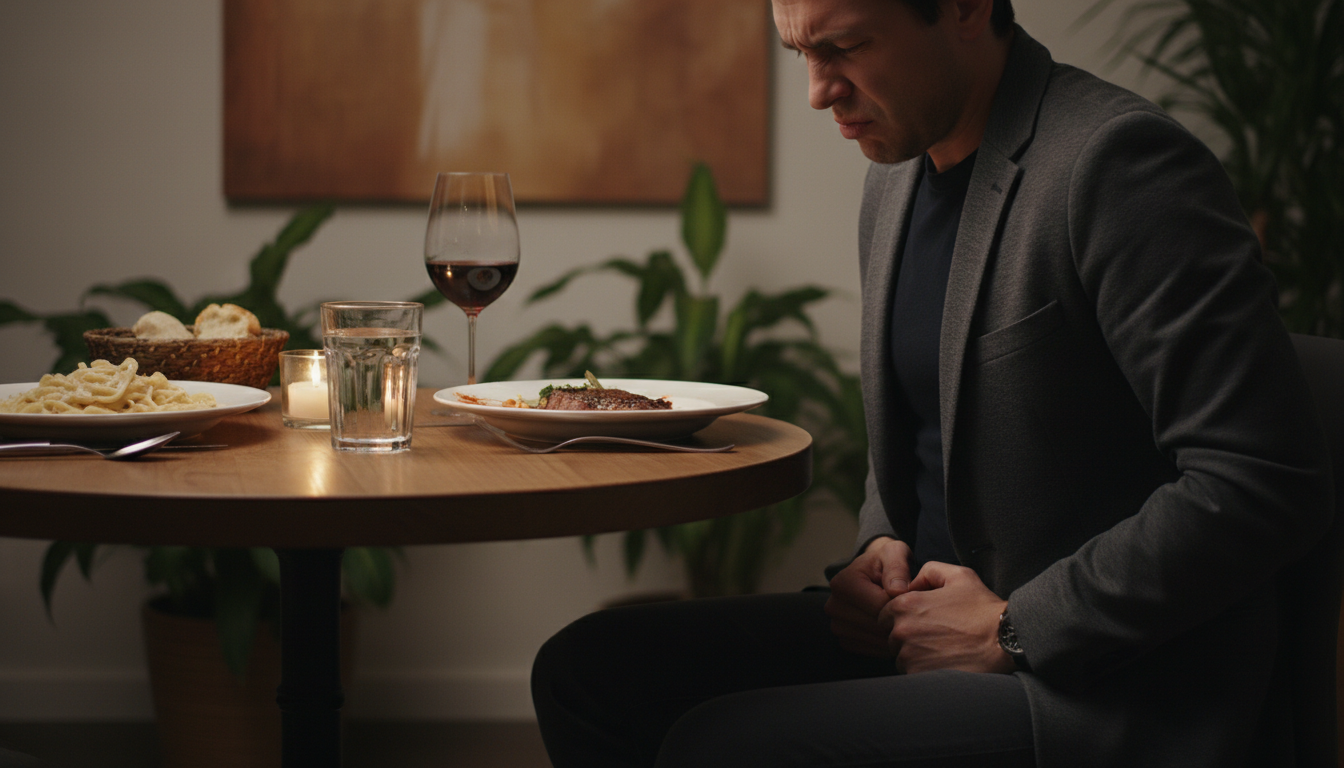
Many of us feel scared after eating. We know these feelings can be unsettling. We want to help you understand why this happens.
Things like reactive hypoglycemia can change how we feel. Some foods or habits can make us feel jittery. Caffeine anxiety is a big one, making our hearts beat fast.
We offer deep insights to help you manage these feelings. We look into how eating habits affect our health. Knowing how food and mind connect is essential for feeling better every day.
Key Takeaways
- Low blood sugar often causes post-meal jitters and shakes.
- Food triggers can influence how we feel mentally and physically.
- Stimulants like coffee often increase heart rates significantly.
- Managing glucose levels improves mental clarity and stability.
- Tracking meals helps identify specific discomfort patterns over time.
- Learning these causes empowers us to make better lifestyle choices.
What is Anxiety After Eating?
Feeling anxious after eating is more common than you might think. Many things can cause it. It can affect how you feel and your body too.
Common Symptoms of Anxiety After Eating
Julia Zumpano, RD, says some foods can make you feel anxious. You might feel worried, nervous, or uneasy. You could also feel dizzy, shaky, or have a racing heart.
These feelings can be strong or last a long time. It’s hard to know what’s causing them. But, watching when they happen and what you ate can help.
The Connection Between Food and Mood
It’s important to know how food affects our mood. Some foods can really change how we feel. For example, too much caffeine can make your heart race and make you jittery. This can make anxiety worse.
Also, energy drinks can make you feel anxious. They have a lot of caffeine and sugar. Knowing how these things affect us is key to handling anxiety after eating.
Why Do Some People Experience This Anxiety?
Many people feel anxious after eating. This is due to several reasons. Knowing these reasons helps us deal with the problem better.

Biological Factors Contributing to Anxiety
Our bodies play a big part in feeling anxious after eating. Dr. Ebony Butler says both our physical and mental responses can make us feel anxious around food. Food allergies and sensitivities are big reasons for this anxiety. For example, not knowing you’re allergic to gluten or lactose can make you feel bad and anxious.
Also, how fast we digest food and our gut health can affect our anxiety. Not getting enough magnesium or vitamin B12 can make us feel down and anxious.
Psychological Influences on Eating Habits
Our minds also play a big role in feeling anxious after eating. Some people eat because of how they feel. This can start a cycle of anxiety. They might feel stressed before eating, but eating makes them feel better for a while. Then, they feel anxious again.
Dr. Butler’s work shows how complicated food and mood are. By understanding both our body and mind, we can fight anxiety after eating better.
Foods That May Trigger Anxiety
The foods we eat affect our mental health. Some foods can make anxiety worse. Knowing which foods do this is key to feeling better.
Caffeine and Its Effects on Anxiety
Caffeine is in coffee, tea, chocolate, and some meds. It makes us feel awake and alert. But too much can make us jittery and anxious.
Even a little caffeine can upset some people. This can make their anxiety worse.
To show how much caffeine is in drinks, here’s a table:
| Beverage | Caffeine Content (mg) |
|---|---|
| Espresso (1 shot) | 60-75 |
| Coffee (8 oz) | 80-200 |
| Black Tea (8 oz) | 25-48 |
| Green Tea (8 oz) | 25-30 |
Sugar and Blood Sugar Fluctuations
Too much sugar can mess with our blood sugar. This can make us feel tired and moody. It might even make us anxious.
Eating less sugar can help keep our blood sugar steady. This might make us feel less anxious.
Processed Foods and Gut Health
Processed foods have bad stuff like preservatives and lots of sugar and salt. They can hurt our gut health. This is linked to our mental health and anxiety.
Eating more whole foods like fruits and veggies can help our gut. This might make us feel less anxious.
Being careful about what we eat can help with anxiety. Knowing which foods to avoid is important.
Managing Anxiety After Eating
Anxiety after eating is common. It can be managed with mindfulness and relaxation. These practices help reduce anxiety and improve well-being.
Mindfulness Techniques for Better Eating
Mindfulness means being fully present. It helps with food and anxiety. Mindful eating focuses on taste, texture, and smell of food.
Eat slowly and enjoy each bite. Don’t watch TV or use phones while eating. This makes you more aware of your body’s needs.
Breathing Exercises to Calm Nerves
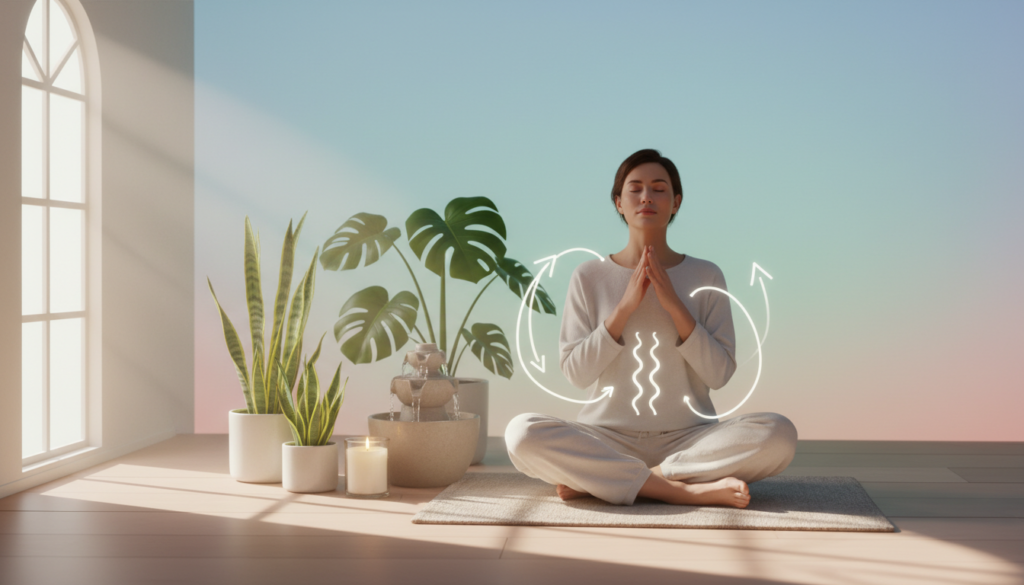
Breathing exercises calm nerves and reduce anxiety. Deep breathing slows down the heart rate and relaxes.
Try the 4-7-8 method: breathe in for 4, hold for 7, breathe out for 8. It helps manage anxiety after meals.
Creating a Relaxing Dining Environment
The place where we eat affects our anxiety. A calm dining area reduces stress. Use calming colors and soft music.
Eating with others can help. But eating alone can also be good. It lets you focus on your meal and body.
The Role of Nutrition in Mental Health
Nutrition is key to our health, especially for our minds. A good diet helps our bodies work right. It also helps our mental health.
Food and mood are linked in many ways. This includes how we feel and what we eat.
Some foods can really help with anxiety. By choosing the right foods, we can fight anxiety better.
How Balanced Meals Impact Mood
Eating well is important for our energy and mind. Foods like fruits, veggies, and whole grains are good for our brains. Bad foods can make our energy drop and make us feel worse.
A study on the National Center for Biotechnology Information shows food helps our mental health.
| Nutrient | Food Sources | Impact on Mental Health |
|---|---|---|
| Omega-3 Fatty Acids | Salmon, Walnuts, Chia Seeds | Supports brain health, reduces anxiety |
| Complex Carbohydrates | Whole Grains, Fruits, Vegetables | Stabilizes mood, provides sustained energy |
| Lean Proteins | Chicken, Fish, Legumes | Supports neurotransmitter production |
Importance of Omega-3 Fatty Acids
Omega-3s are great for our minds. They help with anxiety and depression. Eating foods rich in omega-3s can help us feel better.
But, too much caffeine can make anxiety worse. It’s important to eat well and not too much caffeine.
The Gut-Brain Connection
The gut-brain axis is a network that helps us feel emotions. It connects our brain, gut, and nerves. This network talks to our gut and brain all the time.
Our gut health is linked to our mental health. Bad gut bacteria can cause anxiety and sadness. So, keeping our gut healthy is key.
How Gut Health Affects Anxiety
Gut health impacts anxiety in many ways. Our gut makes important mood helpers like serotonin. If these are out of balance, we might feel anxious.
Caffeine can make anxiety worse. Too much caffeine can make us feel shaky and anxious. It’s good to watch how much caffeine we drink.
Foods That Support Gut Health
Eating foods that help our gut can ease anxiety. Fermented foods like yogurt and sauerkraut are full of good bacteria. Foods high in fiber, like fruits and veggies, also help our gut.
| Food Category | Examples | Benefits for Gut Health |
|---|---|---|
| Fermented Foods | Yogurt, Kefir, Sauerkraut, Kimchi | Rich in Probiotics, Supports Healthy Gut Microbiome |
| High Fiber Foods | Fruits, Vegetables, Whole Grains | Nourishes Beneficial Gut Bacteria |
| Omega-3 Rich Foods | Salmon, Walnuts, Chia Seeds | Reduces Inflammation, Supports Brain Health |
Recognizing Triggers for Anxiety
It’s important to know what makes anxiety worse after eating. By learning what causes it, you can take steps to feel better.
Keeping a Food and Mood Journal
Keeping a food and mood journal helps a lot. It’s about writing down what you eat and how you feel. This way, you can see what makes you anxious.
For example, if you drink coffee and feel anxious, it might be the caffeine. Writing down what you eat can help you understand your body better.
Identifying Patterns and Behaviors
After you’ve filled out your journal, look for patterns. See what foods or habits make you feel anxious. This can help you change your diet to feel better.
| Food/Drink | Symptoms Noted | Possible Trigger |
|---|---|---|
| Coffee | Increased heart rate, jitteriness | Caffeine |
| Sugary snacks | Mood swings, energy crash | Blood sugar fluctuations |
| Processed foods | Bloating, discomfort | Gut health issues |
By finding these patterns, you can make changes to your diet. This can help you feel less anxious.
When to Seek Professional Help
If eating anxiety starts to mess with your daily life, get help from a doctor. Anxiety shows up in many ways and affects people differently. But, there are signs that mean it’s time to see a doctor.
Signs That It’s Time to Consult a Doctor
If you have severe anxiety symptoms that stop you from doing daily things, see a doctor. Look out for these signs:
- Persistent and excessive worry about eating or food
- Difficulty managing anxiety despite trying various coping mechanisms
- Concerns about underlying health conditions that may be contributing to anxiety
- Significant weight loss or gain due to eating anxiety
Some foods and drinks, like those with caffeine, can make anxiety worse. It’s important to find out what triggers your anxiety and talk to a doctor about it.
| Signs to Watch For | Description |
|---|---|
| Severe Anxiety Symptoms | Experiencing intense fear or discomfort that interferes with daily life |
| Difficulty Managing Anxiety | Finding it challenging to cope with anxiety despite trying various techniques |
| Underlying Health Concerns | Having concerns about health conditions that may be contributing to anxiety |
Therapy Options for Managing Anxiety
There are many ways to deal with eating anxiety. Here are a few:
- Cognitive-Behavioral Therapy (CBT): Helps change negative thoughts and behaviors linked to anxiety.
- Nutrition Counseling: Works on building a healthy food relationship and fixing nutritional gaps that might cause anxiety.
- Relaxation Techniques: Uses deep breathing, muscle relaxation, and meditation to control anxiety.
Getting professional help can offer tailored support for managing anxiety. A doctor can figure out the best treatment plan for you.
Tips for Dealing with Anxiety During Meals
Anxiety at mealtime is common. We can handle it with planning and being mindful. This way, we can have a better time eating.
Dealing with anxiety at meals is tough, especially in social settings. This includes family dinners or eating out with friends. Being ready helps a lot.
Preparing for Social Eating Situations
Knowing the menu ahead of time is helpful. It lets you plan your meal and avoid last-minute worries.
Strategies for Social Eating:
- Know the menu in advance
- Eat a small snack before leaving to avoid extreme hunger
- Choose a seat that makes you feel comfortable and secure
Managing your food portions is also key. Big or heavy meals can make you feel anxious or uncomfortable.
Practicing Portion Control
Start by listening to your body’s hunger and fullness signals. Eating slowly and enjoying your food helps you know when you’re full.
Tips for Portion Control:
| Tip | Description |
|---|---|
| Use smaller plates | This can help visually manage portion sizes. |
| Eat slowly | Savoring your food helps in recognizing fullness cues. |
| Plan your meal | Decide on your portion sizes before you start eating. |
Using these tips can help you manage mealtime anxiety. You’ll enjoy eating more and feel relaxed.
Support Systems for Individuals with Anxiety
A strong support system is key for those with anxiety about eating. It helps a lot when you feel anxious after eating. Having people to support you can really help.
Community Support
Being part of a community is very important. It helps you feel less alone. Sharing your story and hearing others can be very helpful.
Support groups, online or in-person, are great. They let you share and get advice from others. It makes you feel more connected.
Online Resources and Forums
Online resources are very helpful today. They offer lots of information and advice. You can learn a lot from others who have gone through similar things.
Online forums and resources are easy to use. They help you understand your anxiety better. You can also connect with others who get it, even if you can’t meet in person.
| Resource Type | Description | Benefits |
|---|---|---|
| Support Groups | In-person or online groups where individuals share experiences and advice. | Provides a sense of community, reduces feelings of isolation. |
| Online Forums | Digital platforms for discussion and sharing information. | Convenient access to information, connects individuals worldwide. |
| Educational Websites | Websites offering information on anxiety, its causes, and management strategies. | Enhances understanding of anxiety, provides management strategies. |
For more info on managing anxiety and your privacy rights, check our privacy policy page.
Conclusion: Moving Forward with Confidence
Understanding anxiety after eating is key. It needs a mix of steps to manage it. Knowing the causes and signs helps a lot.
Mindfulness, good food, and friends help a lot. Knowing how caffeine affects us is also important. It helps us choose better foods.
Nourishing Body and Mind
Having a good food relationship is more than just fighting anxiety. It’s about feeling good overall. Eating well and watching what we drink helps our gut and brain.
Let’s be kind to ourselves as we work on this. This way, we can feel better about food and our health.