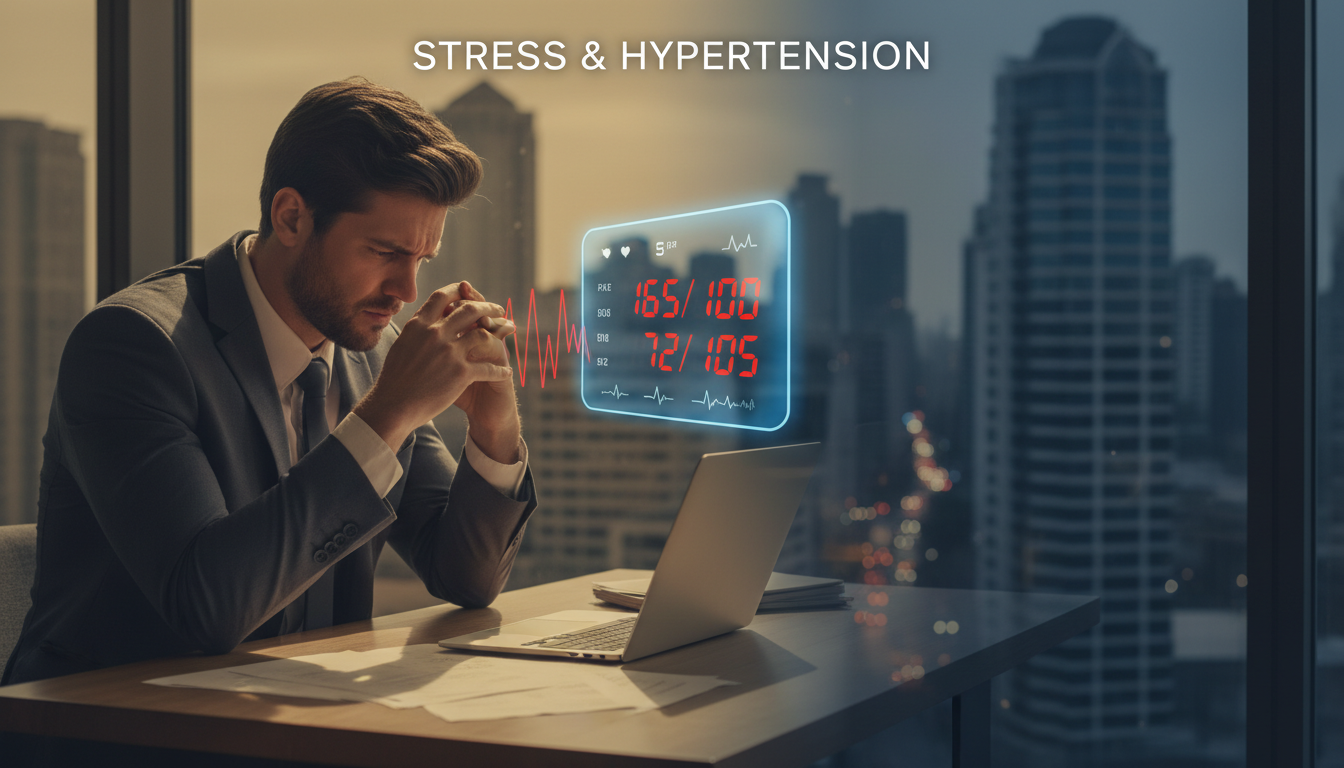
What if your thoughts could directly raise your numbers? This isn’t just a hypothetical worry. Our mental well-being has a profound and documented link to our physical heart health.
Research shows nearly one-third of American adults will face an anxiety disorder in their lifetime. This makes understanding this connection a major public health concern.
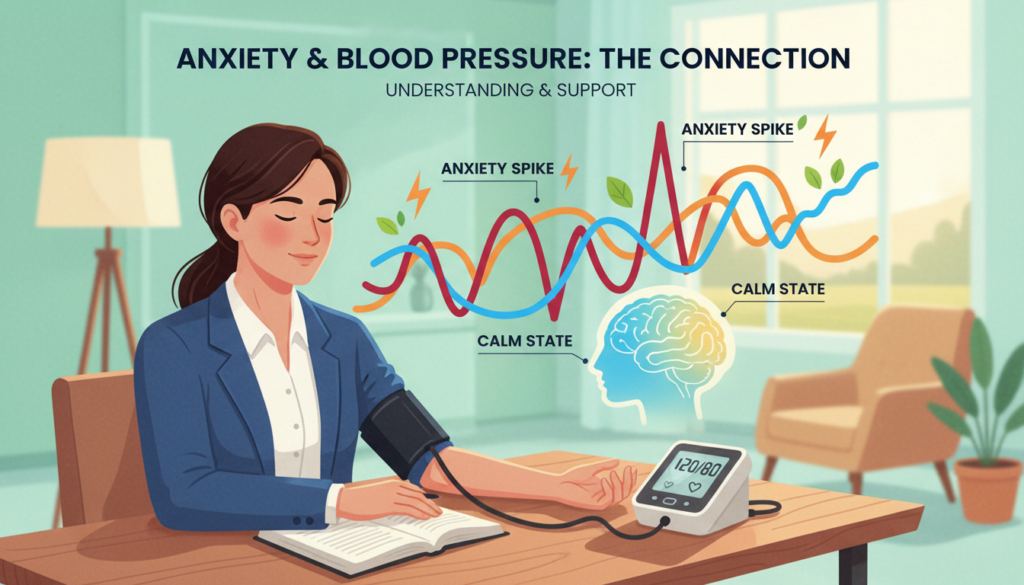
During moments of acute stress, the body’s fight-or-flight response kicks in. It releases hormones like adrenaline and cortisol. These chemicals directly impact cardiovascular function, often causing temporary spikes in readings.
Medical professionals note these elevations can reach 10 points or more. While temporary, frequent spikes over time can strain the system. We believe understanding this cycle is the first step toward better management.
This guide explores the science behind these changes. We’ll share strategies we’ve found effective for managing the connection. Our goal is to help people protect their long-term cardiovascular wellness.
Key Takeaways
- Mental well-being directly influences physical heart health.
- Anxiety disorders affect nearly one-third of American adults.
- Stressful episodes can cause significant temporary spikes in readings.
- The body’s fight-or-flight response releases hormones impacting the cardiovascular system.
- Managing emotional stress is crucial for maintaining healthy numbers.
- Effective intervention can break the cycle between stress and heart strain.
Understanding the Basics: Blood Pressure and Anxiety
Two key concepts form the foundation of understanding heart health: force and feeling. We need to grasp both to see how they interact within our system.
What is Blood Pressure?
This vital sign measures the force of circulating blood on the walls of our blood vessels. Readings are expressed in millimeters of mercury (mmHg).
Each reading has two numbers. The systolic pressure shows force when our heart contracts. The diastolic pressure reflects pressure when it relaxes between beats.
Ideal levels fall between 90/60mmHg and 120/80mmHg. Values outside this range may indicate conditions requiring medical attention.
This system ensures oxygen and nutrients reach every part of our body. It’s a critical indicator of cardiovascular wellness.
Recognizing Common Anxiety Symptoms
Mental distress often shows physical signs. We notice restlessness, muscle tension, and difficulty controlling worried feelings.
Other symptoms include irrational concerns, trembling, and shaking. These sensations affect everything from our heart rate to overall well-being.
Spotting these signs early helps us understand when our mental state impacts physical conditions. Awareness is the first step toward management.
The Science Behind Anxiety and Blood Pressure Spikes
Understanding why a doctor’s visit can skew numbers requires diving into the body’s stress chemistry.
Our primal survival mechanism plays a central role here.
Physiological Response to Stress
When we feel threatened, our system triggers a fight-or-flight response.
This releases hormones like adrenaline and cortisol into our bloodstream.
These chemicals cause immediate changes. Our heart rate increases. Blood vessels narrow.
This prepares our body for action, creating a temporary rise in readings.
During acute panic, systolic values can jump 20 to 30 mmHg or more.
Thankfully, these effects are usually short-lived. Numbers typically normalize as distress fades.
White Coat and Masked Hypertension Explained
Clinic-induced stress leads to a common condition called white coat hypertension.
It affects roughly one in five people. Their readings are high only at the doctor‘s office.
The opposite phenomenon is masked hypertension. Here, patients have normal clinic numbers but elevated ones elsewhere.
This can delay needed care. Accurate diagnosis is crucial.
In 2017, major heart groups redefined high hypertension. The threshold dropped from 140/90 to 130/80 mmHg.
This change makes recognizing these conditions even more important.
| Condition | Primary Cause | Typical Reading Location | Potential Risk |
|---|---|---|---|
| White Coat Hypertension | Medical setting anxiety | High in clinic | Over-treatment if not confirmed |
| Masked Hypertension | Normal stress response absent in clinic | Normal in clinic, high elsewhere | Under-treatment of actual high pressure |
| Sustained Hypertension | Chronic factors | High in all settings | Long-term cardiovascular strain |
Knowing these differences helps us interpret our numbers correctly.
Effective Strategies for Managing Anxiety and Blood Pressure
Home monitoring provides a clear window into our true cardiovascular state, free from clinic stress. We can gather reliable data to guide our wellness journey.

Home Monitoring and Accurate Readings
Accurate measurements require a quiet setting. We should sit with feet flat for five minutes before checking.
Clinics often take just one reading. This can miss white coat effects. Nearly 93% of adults with high office readings but no meds need screening for this condition.
The American Heart Association recommends an upper arm cuff device. We take two readings each morning and evening for one week. This establishes a true baseline.
| Monitoring Method | Key Advantage | Data Reliability | Impact on Care |
|---|---|---|---|
| Home Monitoring | Captures everyday state | High with proper protocol | Prevents unnecessary treatment |
| Single Clinic Reading | Quick assessment | Lower due to stress | Risk of misdiagnosis |
| Multiple Clinic Readings | Reduces white coat effect | Improved per guidelines | More accurate diagnosis |
Lifestyle Adjustments and Stress Reduction Techniques
Deep breathing helps immediately. We focus on filling the diaphragm, not the chest. This counters the stress response.
Limiting caffeine and alcohol is wise. These stimulants can worsen nervous feelings and elevate readings.
Accepting our feelings reduces their power. We acknowledge worry without fighting it. This simple change lowers intensity.
Exploring the Link Between Chronic Anxiety and Cardiovascular Health
Persistent anxiety doesn’t just spike readings; it can reshape our cardiovascular risk profile. The real impact unfolds over months and years.
This sustained tension creates a hidden burden for our heart and vessels.
Understanding Long-Term Health Risks
Prolonged stress keeps cortisol levels elevated. This hormone can raise both readings and body weight.
Both factors significantly influence our risk for developing heart disease. Studies show people with chronic nervous conditions face elevated risk.
They are more likely to develop cardiovascular disease compared to the general population.
The Impact of Sustained Stress on the Heart and Blood Vessels
Constant strain takes a toll. Our blood vessels endure repeated constriction. This contributes to long-term wear.
Research identifies a clear overlap. Many people experiencing persistent worry also have hypertension.
According to the CDC, high blood pressure affects nearly half of U.S. adults. The connection to mental health makes this a major public concerns.
This elevated state greatly increases the chance of a serious cardiac event, like a stroke. Understanding these risks motivates us to protect our heart wellness over time.
Practical Home and Lifestyle Interventions for Heart Health
Empowering our heart health starts with integrating movement, nourishment, and rest into our schedule. These daily habits form a powerful defense against cardiovascular strain.
Incorporating Exercise and a Heart-Healthy Diet
Regular physical activity releases endorphins that lift our mood. For some people, it works as effectively as medications for reducing symptoms.
Activities like a daily walk or gardening count. Our body becomes better at managing stress.
The DASH eating plan focuses on vegetables, whole grains, and lean proteins. This diet directly supports cardiovascular wellness.
Techniques for Improving Sleep and Overall Well-Being
Adequate sleep keeps our blood vessels healthy. Lack of it raises risk for serious conditions like stroke.
Poor sleep also worsens frustration and stress. We recommend consulting a provider for personalized care.
Spending time with supportive individuals helps. Practicing mindfulness further protects our heart. These lifestyle changes for heart attack prevention are foundational.
Conclusion
Taking charge of our wellness means recognizing the powerful dialogue between mind and body. This link is crucial for long-term cardiovascular health.
Accurate home readings help us avoid misdiagnosis. Understanding conditions like white coat hypertension guides proper care.
Chronic nervousness elevates long-term risk for serious heart issues. Many people live with these conditions.
We can protect ourselves. Daily movement, mindful eating, and quality sleep form a strong defense. Working with a provider creates a tailored plan.
Managing this connection is achievable. Consistent habits support both mental and physical well-being throughout life.