
Have you ever felt a sudden wave of dread so intense it made your heart race and your mind go blank? What if that experience, often dismissed as “just nerves,” is actually a critical signal from your body?
Many people experience periods of intense worry and fear. These feelings can significantly shake our daily lives.
While the term “anxiety attack” isn’t a formal medical diagnosis, the experience of overwhelming fear is very real. It involves profound physical discomfort and emotional distress that makes it hard to concentrate or relax.
This guide is here to help. We’ll explore the signs of these distressing episodes and distinguish them from panic attacks. Our goal is to provide clarity and understanding.
We set out on a comprehensive journey. We will cover how to recognize these feelings, practical management techniques, and lifestyle changes that can help. We’ll also discuss when to seek professional support for your mental health.
Our commitment is to offer evidence-based information in an accessible format. We use a supportive, inclusive tone because you are not alone in navigating these challenges.
Key Takeaways
- Recognizing intense worry is crucial for overall well-being.
- The experience of overwhelming fear is valid, regardless of formal labels.
- This guide helps distinguish between different types of distressing episodes.
- We cover practical strategies for management and positive lifestyle changes.
- Knowing when to seek professional support is a vital step.
- Our approach is rooted in evidence and presented with inclusivity.
Recognizing Anxiety Attack Symptoms
A sudden surge of physical sensations can be the first clue that our nervous system is on high alert.
These episodes often involve a mix of bodily changes, thought patterns, and behaviors. Physical signs are frequently the most noticeable.
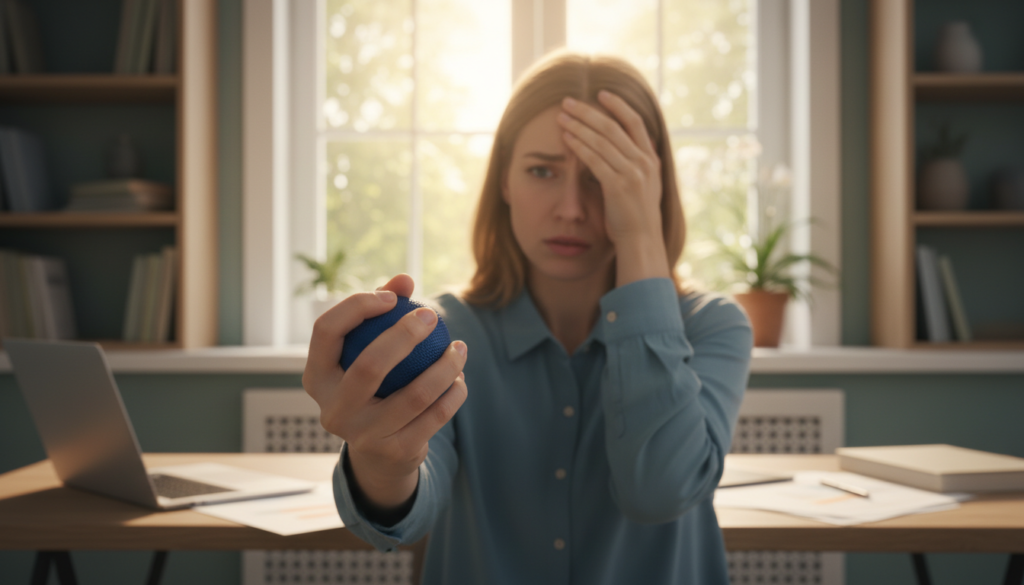
Common bodily responses include a racing heart, excessive sweating, and trembling. Shortness of breath and chest discomfort can also occur.
Mental aspects involve persistent worry, restlessness, and trouble focusing. Irritability and sleep problems often follow.
Behavioral shifts, like avoiding certain situations, may develop over time. This can disrupt daily routines.
While panic attacks have a sudden onset and specific diagnostic criteria, general distress builds more gradually.
Recognizing these cues early allows for better management. It’s important to know that experiences vary widely from person to person.
Since some symptoms of anxiety can resemble serious health issues, consulting a doctor is wise to rule out other conditions.
Understanding the Difference Between Anxiety and Panic Attacks
While both involve intense fear, panic and anxiety episodes differ significantly in how they start, feel, and end. A common mix-up is using the terms interchangeably.
In reality, they describe distinct experiences. Knowing the difference helps us understand what we’re feeling.
Common Misconceptions
Many people believe an anxiety attack and a panic attack are the same thing. This isn’t true.
Panic episodes strike suddenly, like a thunderclap. They peak within minutes. Anxiety builds more slowly, like a rising tide of worry over time.
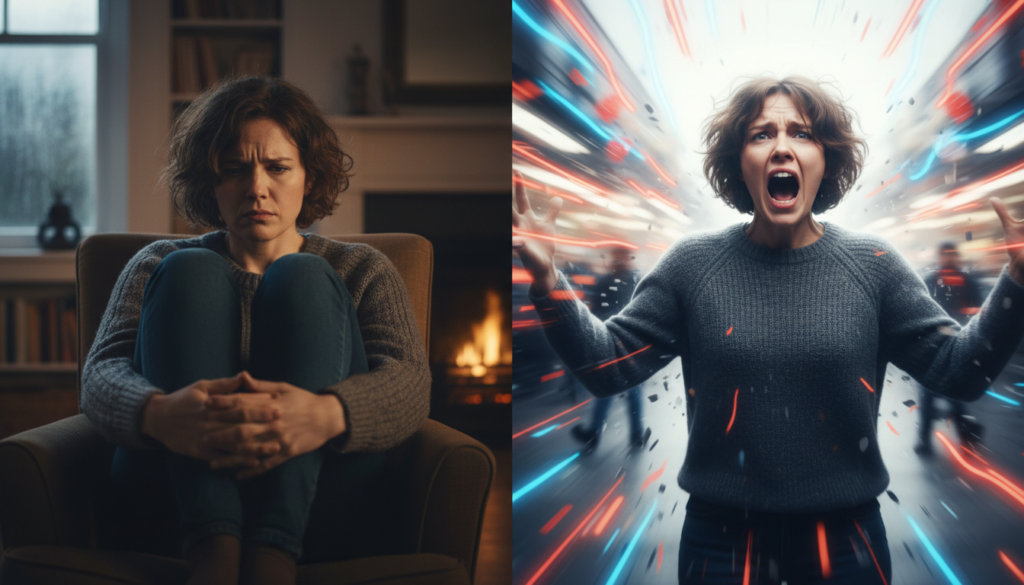
Doctors use specific criteria to diagnose panic attacks. The term “anxiety attack” isn’t an official medical condition.
| Feature | Panic Attack | Anxiety Episode |
|---|---|---|
| Onset | Sudden, without warning | Gradual, builds over time |
| Intensity | Extreme, peaks quickly | Moderate to high, persistent |
| Duration | Short-lived (minutes) | Can last for hours or days |
| Common Triggers | Often none apparent | Linked to specific stressors |
Differentiating Disorders
Experiencing a panic attack doesn’t mean you have a panic disorder. This is a specific type of anxiety disorder.
It involves repeated attacks and a constant fear of having another one. Panic attacks can also happen with other conditions, like social phobia.
Anxiety disorders are a broader category. Each has unique patterns and needs tailored care.
Our distress is valid, no matter the label. Getting a proper evaluation from a professional is the best step. For a deeper dive, read about panic attack vs anxiety attack.
Exploring Physical and Emotional Signs of Panic Attacks
When our body’s alarm system blares without warning, it unleashes a storm of physical and emotional signals. These episodes are intense but time-limited.
Recognizing the specific signs helps us understand what is happening. It also guides our response.
Physical Symptoms
Our body reacts strongly during a panic attack. Common physical symptoms include a racing heart, profuse sweating, and trembling.
Shortness of breath or a sense of choking can occur. Chest pain and nausea are also frequent.
These symptoms result from a flood of stress hormones. Adrenaline and cortisol trigger a “fight or flight” response.
This surge redirects blood flow and speeds up breathing. The feelings can be so severe they mimic a heart attack.
Many people seek emergency care because of this. A medical check-up is wise to rule out other conditions.
| Symptom Category | Common Examples | Key Notes |
|---|---|---|
| Physical | Rapid heartbeat, sweating, trembling, dizziness, chills | Driven by stress hormones; peaks quickly |
| Emotional/Cognitive | Fear of losing control, dread, detachment from reality | Intense but temporary; contributes to distress |
Emotional and Cognitive Effects
The feelings during a panic attack are profound. Many report an overwhelming fear of dying or “going crazy.”
A sense of losing control is common. Some experience detachment from their surroundings or body.
These episodes typically peak within minutes. Most resolve within 5 to 30 minutes.
While terrifying, panic attacks are not medically dangerous. The psychological impact, however, can be significant.
Repeated episodes may lead to anticipatory anxiety. This pattern can develop into a panic disorder if unaddressed.
Professional support offers effective strategies for management. You don’t have to navigate this alone.
Practical Techniques for Managing Anxiety Attack Symptoms
Having a set of reliable coping methods can make a profound difference when distress begins to rise. These practical techniques help us regain a sense of control during overwhelming moments.
They are simple tools we can use anywhere. Consistent practice makes them more effective when we need them most.
Breathing and Relaxation Exercises
Slow, deep breathing is a foundational tool. It activates our body’s natural calming response, countering the fight-or-flight surge.
Try inhaling for a count of four, holding for four, and exhaling for six. This rhythm can soothe our nervous system in minutes.
Progressive muscle relaxation is another powerful method. We systematically tense and release muscle groups to melt away physical tension.
Grounding Strategies
When worry threatens to overwhelm, grounding pulls us back to the present. It uses our senses as an anchor.
The 333 rule is a popular choice. Identify three things you see, three sounds you hear, and three things you can touch.
Acknowledging the episode without fighting it also reduces fear. Remind yourself, “This is temporary, and I am safe.”
Changing your focus to a calming activity helps too. Listen to music or engage in gentle movement.
These tips are valuable for managing panic attacks and intense worry. For ongoing support, they work best alongside professional therapy.
Seeking Support Through Medical and Therapeutic Options
The decision to seek medical or therapeutic help is a proactive move toward reclaiming control over our mental well-being. Professional guidance provides clarity and effective strategies we might not find on our own.
When to Consult a Professional
Consulting a doctor or therapist is wise when distress disrupts daily routines. If self-care methods bring little relief, it’s time to explore other options.
A medical check-up can rule out physical health issues. Thyroid problems or heart conditions can mimic signs of intense worry.
Mental health experts assess for specific disorders, like panic disorder or an anxiety disorder. An accurate diagnosis guides the right treatment plan.
Therapy, such as Cognitive Behavioral Therapy, helps modify unhelpful thought patterns. Medication may also be part of a comprehensive approach for some people.
Asking questions empowers us in our care. “What type of therapy is best?” or “What lifestyle changes help?” are great starts. This information is vital.
Reaching out is a sign of strength. It’s the first step toward lasting relief and better health, even after experiencing panic attacks.
Implementing Lifestyle Changes to Reduce Anxiety and Panic
Our daily routines hold significant power to either fuel our worries or fortify our mental resilience. Small, consistent adjustments to our habits create a strong foundation for long-term calm.
Everyday Stress-Relief Techniques
Regular movement is a cornerstone of stress management. Activities like walking, swimming, or yoga release tension and improve mood.
Quality sleep and balanced nutrition are equally vital. They help stabilize our energy and improve our capacity to handle challenging situations.
Talking about our feelings with trusted people is a powerful tool. It counters isolation and provides perspective. We should also set small, achievable goals instead of attempting dramatic overhauls.
| Helpful Habits | Unhelpful Coping | Primary Benefit |
|---|---|---|
| Regular physical activity | Using alcohol or drugs for relief | Releases tension naturally |
| Prioritizing sleep & nutrition | Avoiding all worrying scenarios | Builds bodily resilience |
| Sharing feelings with others | Bottling up emotions | Reduces isolation and worry |
| Setting small, realistic goals | Trying to change everything at once | Creates sustainable progress |
Identifying specific triggers, like work pressure or financial stress, allows for targeted management. This proactive approach is more effective than facing vague unease.
These changes support our overall health and can reduce the frequency of intense episodes. The cumulative effect over time builds profound resilience.
Embracing a Calmer Future for Better Mental Health
Moving forward with hope and practical tools, we can shape a more peaceful path for our mental health. The intense feelings discussed are manageable with the right approach and professional treatment.
Understanding this comprehensive information empowers us to make informed choices. We can better navigate challenging situations with greater confidence and resilience.
This personal journey requires patience and unfolds over considerable time. Building sustainable resilience is a gradual process, not an immediate solution.
Remember, you are not alone. Many others share similar experiences, and connecting with supportive people significantly reduces isolation.
The strategies covered—like focused breath work and lifestyle modifications—are effective starting points. Personalize them to fit your unique circumstances and needs.
With appropriate support, most individuals experience significant improvement in their overall functioning. Taking that first step is a demonstration of strength.
By proactively seeking help and consistently using these tools, we regain control and move toward a calmer, more stable future.