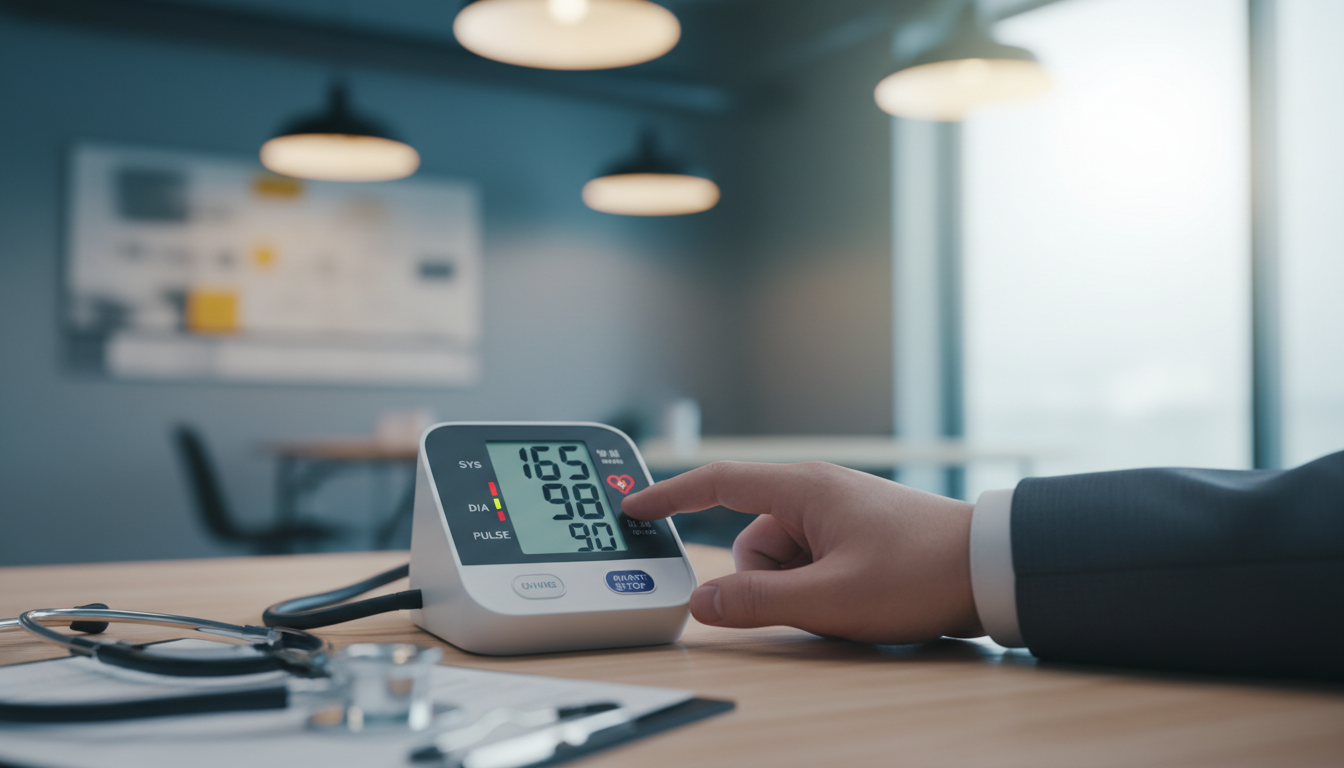
What if the numbers on that monitor don’t reflect your true cardiovascular health?
Checking your vital signs is a standard part of any medical visit. It’s the primary method doctors use to screen for hypertension. A result between 90/60 and 120/80 is generally considered healthy.
However, many factors can cause those numbers to jump temporarily. Your emotional state right before the test is a major one. This can lead to a false high reading that doesn’t show your normal baseline.
We will explore how temporary stress impacts these measurements. Understanding this difference is key to getting an accurate diagnosis. It helps separate a momentary spike from a chronic condition.
This article covers the fundamentals of how our bodies react. We’ll provide clear strategies for managing concerns related to these situations. Our goal is to help you make informed decisions about your wellness.
Key Takeaways
- Emotional stress can cause temporary spikes in your measurements, differing from your resting baseline.
- Distinguishing between anxiety-induced results and chronic hypertension is crucial for proper care.
- Accurate monitoring is essential for a true assessment of your heart health.
- Many people experience higher numbers at the doctor’s office due to momentary nerves.
- We will explain the physiological reasons behind this connection.
- Practical strategies exist to manage both short-term nerves and long-term wellness.
- Understanding this relationship empowers you to partner effectively with your healthcare provider.
Understanding Blood Pressure Fundamentals
A blood pressure reading is more than just two digits; it’s a snapshot of your heart’s work and your arteries’ health. This measurement tells us about the force your blood creates as it moves.
Systolic and Diastolic: What They Mean
The top number is called systolic blood pressure. It shows the force in your vessels when your heart muscle contracts. This is the peak force during a heartbeat.
The bottom number is the diastolic pressure. It measures the force when your heart rests between beats. This indicates the constant pressure in your arteries.
Normal, High, and Low Blood Pressure Explained
Doctors use specific ranges to categorize these numbers. Staying within a healthy range supports your overall cardiovascular wellness.
| Category | Range | What It Means |
|---|---|---|
| Normal | Less than 120/80 mm Hg | Optimal force for efficient circulation. |
| Elevated | 120-129 / Less than 80 mm Hg | Systolic is high; risk of developing hypertension. |
| Hypertension Stage 1 | 130-139 / 80-89 mm Hg | Consistently high force; requires lifestyle changes. |
| Hypertension Stage 2 | 140 or higher / 90 or higher mm Hg | High force linked to increased risk of heart disease and stroke. |
Numbers below 90/60 may indicate hypotension. This condition can cause dizziness. It’s important to discuss any consistent result with a doctor.
The Impact of Anxiety on Blood Pressure Levels
Feeling tense before a check-up isn’t just in your head; it triggers a measurable physical response that affects your numbers. This reaction is rooted in our primal survival system.
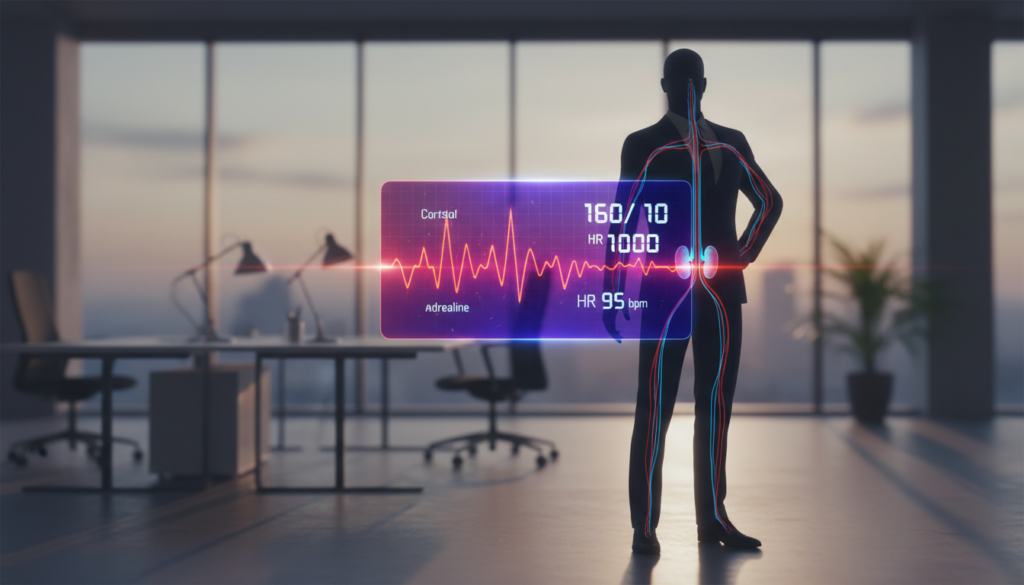
When we perceive a threat, our nervous system activates the fight, flight, or freeze response. This process floods the body with hormones like adrenaline and cortisol.
How Stress Hormones Influence Your Readings
These chemicals prepare us for immediate action. Adrenaline makes the heart beat faster. Cortisol causes blood vessels to narrow temporarily.
This combination increases the force against artery walls. The result is a short-term elevation in your measurements. Such spikes are common during moments of acute worry.
Your pulse quickens and your cardiovascular system works harder. This is a normal, temporary reaction to a stressful situation.
Acute Spikes vs. Chronic Hypertension
During a strong episode, the top number can jump 20 to 30 mmHg or more. It’s important to know this surge is usually brief.
Levels typically return to your baseline once the nervous feeling passes. An isolated event does not equate to a diagnosis of lasting hypertension.
Individual reactions vary based on overall fitness and health. Persistent, unmanaged stress may contribute to long-term cardiovascular risk. Always discuss ongoing symptoms with your doctor.
Accurate Blood Pressure Testing: Avoiding False Readings
Two conditions highlight why a single clinic blood pressure reading may not tell the whole story. Getting a true measurement is vital for correct care.
White Coat Hypertension vs. Masked Hypertension
White coat hypertension affects about one in five individuals. It occurs when stress from medical visits elevates numbers temporarily. This anxiety-induced elevation stems from anticipatory nerves, not fear of doctors.
Masked hypertension is the opposite. People show normal results at the doctor’s office but have high levels in daily life. This can prevent needed treatment.
Both conditions pose challenges. White coat effects may lead to unnecessary medication. Masked hypertension leaves real risk untreated.
| Factor | Effect | Estimated Increase |
|---|---|---|
| Full Bladder | Adds tension | 10-15 points |
| Crossed Legs | Restricts flow | 2-5 points |
| Improper Cuff | Wrong size or placement | 10-50 points |
| Talking During Test | Raises activity | 10-15 points |
| Cold Temperature | Contracts vessels | Varies |
Preparation Tips for a Reliable Measurement
For an accurate check, sit quietly for five minutes before testing. Keep both feet flat on the floor.
Avoid the factors listed above. Ensure the cuff fits correctly and is placed on bare skin.
These steps help minimize false highs. They give your doctor a clearer picture of your heart health. Managing stress in all settings, including the workplace, supports overall wellness.
How to Prepare for Reliable Blood Pressure Measurements
Getting a true measurement starts long before the cuff inflates. Your actions in the minutes leading up to the test are crucial. They help ensure the numbers you see reflect your actual cardiovascular state.

Best Practices in the Doctor’s Office
First, use the restroom. A full bladder can add 10-15 points to your result. When seated, keep your legs uncrossed and feet flat on the floor. This simple posture prevents a small but significant elevation.
Roll up your sleeve. Placing the cuff over clothing can dramatically increase the measurement. If the cuff feels too tight, tell your doctor immediately. An improper fit compromises accuracy.
Avoid alcohol, caffeine, and tobacco for at least 30 minutes before your appointment. These substances cause immediate cardiovascular effects. Also, remain silent during the test. Talking can raise the numbers.
For home monitoring, timing matters. Many doctors suggest taking measurements in the morning before eating. Alternatively, wait thirty minutes after a meal. Digestion can temporarily lower your levels.
One of the best ways to optimize your visit is to arrive early. This gives you time to relax in the waiting room. A calm state leads to a more representative blood pressure reading.
Managing Lifestyle Factors to Maintain Heart Health
The power to influence your cardiovascular destiny lies largely in your own hands. While clinical tests provide snapshots, your daily habits write the long-term story of your wellness. We will explore the fundamental pillars that support a strong, resilient system.
Diet, Exercise, and Sleep Considerations
What you eat directly fuels your body’s engine. A diet rich in fruits, vegetables, and whole grains provides essential nutrients. These foods naturally support healthy vascular function and can contribute to lower measurements.
Regular physical activity is one of your most powerful tools. It strengthens the heart muscle itself, improving its efficiency. Consistent movement also helps manage body weight, a key factor in cardiovascular care.
Never underestimate the role of quality sleep. During rest, your body repairs tissues and regulates vital hormones. Chronic sleep deprivation can strain your entire system, increasing the risk for heart disease over time.
These lifestyle modifications work best together. Sustainable, gradual changes in these areas create a powerful synergy for long-term health.
Practical Tips for Quickly Lowering High Blood Pressure
When your numbers climb due to nerves, having a toolkit of quick-response strategies can make all the difference. These methods help counteract the body’s stress reaction, promoting calm.
They are simple to learn and can be used anywhere. Regular practice makes them more effective during critical moments.
Deep Breathing and Relaxation Techniques
Controlled breathing is a powerful tool. Diaphragmatic breathing signals your nervous system to relax.
This directly lowers your heart rate and eases vascular tension. Try inhaling slowly for four counts, holding for four, then exhaling for six.
Progressive muscle relaxation adds another layer. You tense and then release muscle groups from your toes to your head.
This process diverts mental focus and relieves physical strain. Both practices work within minutes to reduce temporary elevations.
Minimizing Stimulants and Distractions
Substances like caffeine and alcohol can worsen symptoms. Avoiding them before a check-up is one of the simplest ways to prevent a spike.
Grounding techniques also help. A short walk or positive self-talk interrupts worried thoughts.
Accepting feelings without judgment prevents them from escalating. This approach gives you control over your emotional state.
| Quick Technique | Primary Action | Time to Feel Effect |
|---|---|---|
| Diaphragmatic Breathing | Activates calm response | 1-2 minutes |
| Muscle Relaxation | Releases body tension | 3-5 minutes |
| Mindfulness Focus | Lowers stress hormones | 5-10 minutes |
| Avoiding Stimulants | Prevents chemical spikes | 30+ minutes |
Using these strategies regularly builds a reliable skill set. This prepares you for situations where an accurate reading is vital.
Long-Term Strategies to Manage Anxiety and Hypertension
Lasting wellness is built on daily habits that support both your mind and your cardiovascular system. Moving from quick fixes to a sustainable plan offers the best defense.
This integrated approach recognizes that mental and physical health are deeply connected. Treating them together yields stronger results.
Regular Exercise and a Heart-Friendly Diet
Consistent physical activity is a powerhouse for long-term health. It trains your body to handle stress better and strengthens your heart.
This leads to more stable numbers over time. A nutritious diet rich in whole foods provides the foundation.
Focusing on potassium-rich foods and reducing sodium supports healthy blood pressure. What fuels your body also influences your mood.
Quality sleep and professional guidance are also key. Cognitive behavioral therapy (CBT) is a highly effective treatment for managing nervousness.
For some, medication is a necessary part of a complete care plan. A comprehensive lifestyle strategy takes patience but protects your heart for years to come.
Anxiety Blood Pressure Readings: A Guide to Better Health
The most accurate picture of your heart health often comes from the comfort of your own home, not the clinical setting. Tracking your numbers in a familiar environment provides data that is far more representative of your true baseline.
Understanding Your Readings at Home and in the Office
For reliable home blood pressure tracking, the American Heart Association recommends using a validated upper arm cuff. Measure twice in the morning and twice in the evening for one week.
This creates a comprehensive pattern. It reveals whether elevated office results reflect genuine hypertension or a temporary spike.
Public machines in stores often lack consistent accuracy. A proper home device is superior for long-term trend analysis.
Partnering with Healthcare Professionals
Share your recorded blood pressure readings with your doctor. This collaboration prevents unnecessary medication for those with white coat effects.
It also ensures people at real risk for heart disease receive timely treatment. Some individuals with clinic-induced spikes may face a higher future chance of developing sustained hypertension.
Regular home checks are a valuable preventive practice. Together with your healthcare team, you can manage your cardiovascular health effectively.
Conclusion
Your journey to understanding your cardiovascular health is a partnership between awareness and action. We’ve explored how temporary stress can elevate your measurements, distinct from a chronic condition like hypertension.
Recognizing this difference is crucial. It ensures accurate diagnosis and prevents unnecessary treatment. It also safeguards against missing real risk for heart disease and stroke.
Practical strategies make a difference. From proper blood pressure measurement techniques to daily lifestyle choices, each step supports your wellness. Partnering with your healthcare provider turns knowledge into effective care.
Take a proactive step today. Whether practicing breathing techniques or starting home monitoring, you’re building a foundation for long-term health. Understanding these connections empowers you to live well.