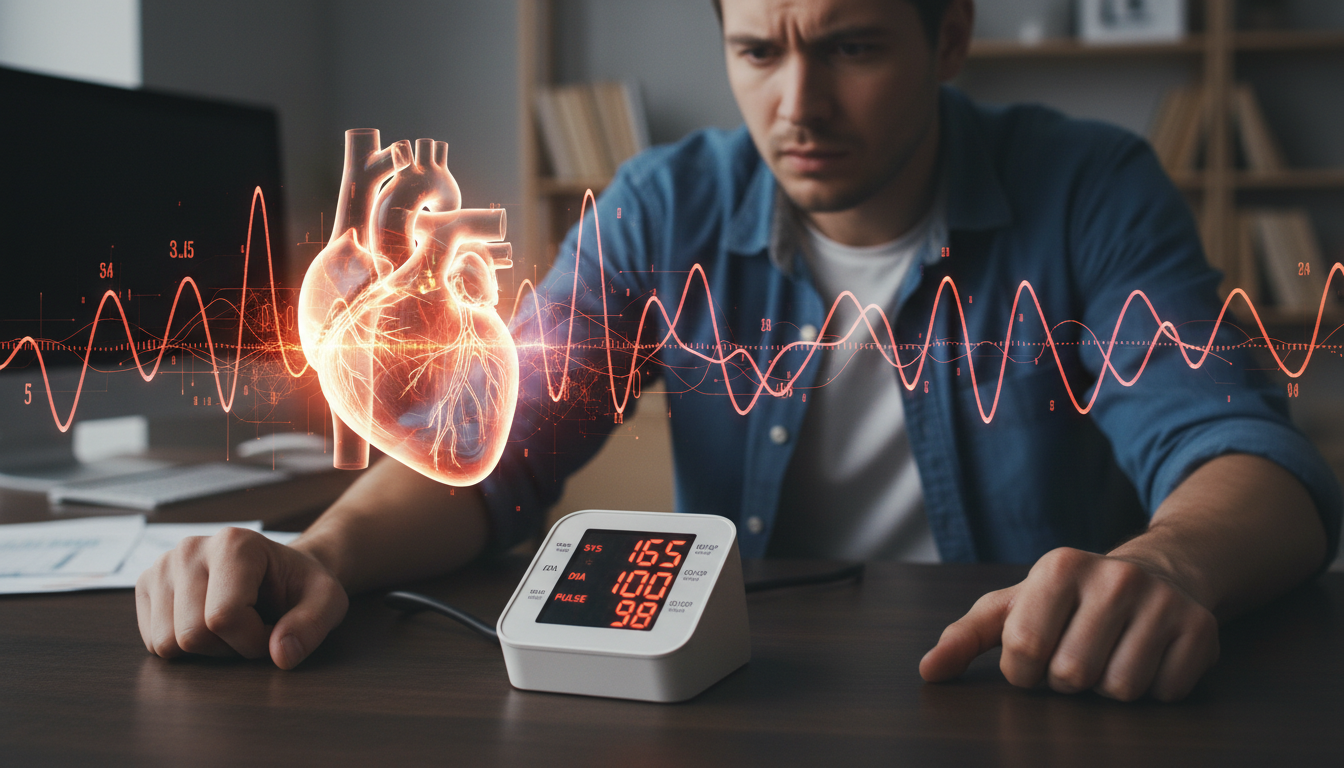
What if the very worry about your health is actually making it harder to manage?
This common experience links our emotional state directly to our physical well-being. Many individuals notice their readings climb during stressful moments. This guide tackles that connection head-on.
We provide a clear path for understanding this cycle. Our focus is on giving you tools that work for both your mind and body. You will find steps you can use today.
Nearly half of U.S. adults face challenges with elevated readings. Simultaneously, feelings of worry are incredibly widespread. It’s no surprise these issues often overlap, creating a complex puzzle.
We break down this puzzle with evidence-based facts. Our tone is straightforward and empowering. You will learn about immediate calming techniques and lasting lifestyle shifts.
This resource also covers effective home monitoring. We explain when it’s crucial to consult a professional. Our goal is your long-term wellness and confidence.
Key Takeaways
- Emotional stress can cause temporary spikes in your cardiovascular readings.
- Practical, immediate techniques exist to calm both your mind and body.
- Long-term lifestyle changes can significantly improve your overall stability.
- Monitoring at home provides valuable data for you and your doctor.
- Understanding conditions like “white coat syndrome” can reduce fear.
- Natural approaches play a supportive role in managing your well-being.
- Professional guidance is key for persistent or severe symptoms.
Introduction to the Connection Between Anxiety and High Blood Pressure
Your body’s alarm system, when triggered by worry, can directly influence your cardiovascular readings. This isn’t just a theory. It’s a well-documented physiological event that millions experience.
Overview of Anxiety and Its Impact on the Body
During moments of tension, your system activates a fight-or-flight response. It releases hormones like adrenaline and cortisol into your bloodstream.
These chemicals cause specific changes. Your heart beats faster. Blood vessels tighten or constrict. Circulation is redirected to major muscles.
This process is designed for short-term threats. For nearly one in five Americans dealing with frequent worry, it can fire too often. Simultaneously, close to half of U.S. adults have elevated blood pressure.
That’s defined as a systolic reading of 130 mmHg or higher, or diastolic greater than 80 mmHg. While nervousness doesn’t always cause chronic issues, it can lead to dramatic temporary spikes.
What This Guide Will Help You Achieve
We will explain this biological link clearly. You’ll learn how emotional stress translates into physical pressure changes.
Our goal is to give you practical tools. You will discover how to monitor your health accurately at home. We also cover effective natural strategies for daily management.
Finally, we help you recognize when to seek professional guidance. Understanding this connection is your first step toward better long-term well-being.
Understanding White Coat and Masked Hypertension
Two contrasting phenomena, white coat and masked hypertension, highlight how environment and emotion can complicate a straightforward health measurement. Getting an accurate picture requires understanding both.
How White Coat Hypertension Affects Readings
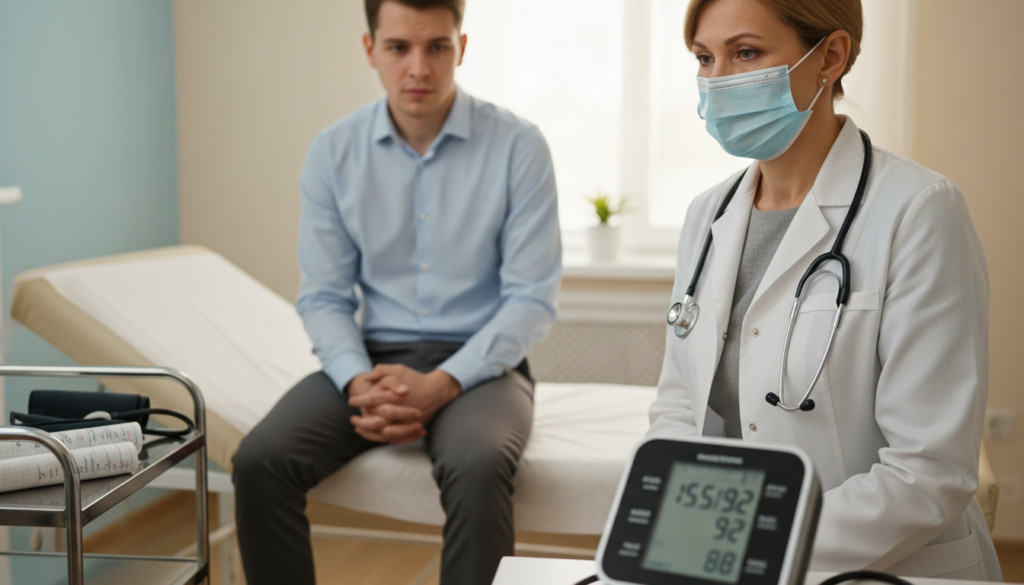
White coat hypertension occurs when stress from a medical visit temporarily elevates your numbers. It affects about one in five patients.
The term comes from a doctor’s traditional coat, but the trigger is often the clinical setting itself. This can lead to a misdiagnosis of hypertension and unnecessary medication.
The Risks of Masked Hypertension and Misdiagnosis
Masked hypertension is the opposite. Here, a person typically has elevated blood pressure readings but shows normal numbers in the doctor office. This hidden condition prevents needed treatment.
Accurate measurement is key. Dr. Suzanne Oparil emphasizes proper protocol:
To get an accurate blood pressure reading, a patient should be in a quiet setting, seated with both feet on the floor, for at least five minutes.
Yet, rushed visits often skip this. Questions during the check can spike readings by 10 points or more.
Studies show most clinics take only one reading, contrary to guidelines. Research by Dr. Paul Muntner suggests nearly all adults with elevated office readings but no medication should be screened for white coat effect. Proper identification ensures your health care provider makes the right call for your care.
Managing Anxiety BP High with Lifestyle Changes
Transforming your health requires looking at the patterns of your day and the habits that shape them. Sustainable lifestyle changes offer one of the most effective long-term strategies. They address both mental and physical well-being without relying solely on medication.

Identifying Stress Triggers and Adjusting Daily Routines
The foundation of any meaningful shift is awareness. Start by identifying specific stress triggers in your routine. These could be work demands, relationship tensions, or environmental factors.
Track when you feel tense and note any corresponding blood pressure spikes. This simple log reveals powerful connections between your activities and your body’s responses.
Chronic, unmanaged worry can gradually affect your baseline pressure over time. What begins as temporary spikes can become more persistent.
Key lifestyle modifications supported by research include:
- Regular exercise to improve cardiovascular health and mood.
- Dietary improvements, focusing on whole foods over processed items.
- Actively minimizing exposure to known stress triggers.
Implementing these changes requires commitment, but the payoff is lasting. You can reduce both the frequency and intensity of anxious episodes.
Adjust your daily routine with practical steps. Build buffer time between appointments. Set clear work boundaries. Create calming morning and evening rituals.
Remember, these powerful tools work best when used consistently and alongside other strategies like proper monitoring. Some people may still need additional support from a healthcare provider.
Home Monitoring and Accurate Blood Pressure Readings
A reliable picture of your typical blood pressure cannot be captured in a single, often stressful, clinic visit. For individuals concerned about situational spikes, tracking at home provides essential data. It reveals your true baseline outside the medical environment.
This practice is crucial for distinguishing temporary elevations from a chronic condition. Consistent home data prevents misdiagnosis and guides effective care.
Guidelines for Effective Home Testing
Follow a simple protocol for reliable results. The American Heart Association advises measuring your pressure twice in the morning and twice in the evening.
Do this for one week at a time. Wait a minute between each pair of readings. Many modern devices store results automatically, eliminating manual logs.
Selecting Reliable Devices and Techniques
Not all monitors are equal. Public machines at stores may be uncalibrated. Invest in a personal device validated for accuracy.
The AHA recommends an upper arm cuff. Discuss the best model with your healthcare provider. Proper cuff fit and seated posture are vital for correct readings.
Home monitoring arms patients with data, moving us beyond the snapshot of a clinic visit to understand their cardiovascular health fully.
This data is powerful. It helps avoid unnecessary medication for some people. It also ensures treatment starts for those with true high blood pressure.
Research on false readings underscores the value of a calm, home environment. Managing daily stress, perhaps with resources like workshiftanxiety.com, supports better measurement.
| Device Type | Accuracy | Convenience | AHA Recommendation |
|---|---|---|---|
| Validated Upper Arm Cuff | High | Moderate | Recommended |
| Wrist Monitor | Variable | High | Not Primary Choice |
| Public Pharmacy Kiosk | Low/Unreliable | Low | Not Recommended |
Choosing the right tool is the first step toward trustworthy data. This empowers you and your care team to make the best decisions for your long-term health.
Natural Approaches and Supplements for Anxiety and Blood Pressure
Beyond conventional medication, a world of natural strategies offers support for both your mind and cardiovascular system. These evidence-based treatments work best within a comprehensive health plan.
They address the root stress and physical symptoms together. This creates a powerful synergy for long-term stability.
Exploring Supplements and Their Benefits
Specific supplements show promise for easing anxious feelings and supporting healthy blood pressure. For mental health, options include magnesium, ashwagandha, and lemon balm.
For cardiovascular support, consider garlic, green tea, or l-arginine. Magnesium uniquely benefits both areas.
Always consult your doctor before adding any supplement. They can interact with medication or have side effects.
Proper dosage guidance is critical for safety. Supplements are complementary tools, not a standalone treatment.
| Supplement | Primary Benefit | Key Consideration |
|---|---|---|
| Magnesium | Supports relaxation & healthy blood pressure | Dosage varies; consult a provider |
| Ashwagandha | May reduce anxious symptoms | Can interact with some medications |
| Garlic | May help lower blood pressure | Fresh or aged extract forms differ |
| L-Theanine | Promotes calm without drowsiness | Often found in green tea |
For a deeper look at evidence-based options, explore this resource on supplements for blood pressure.
Incorporating Diet, Exercise, and Sleep Improvements
Your daily habits form a foundation. A balanced diet rich in whole foods supports stable blood sugar and heart health.
Reduce sodium intake and increase fruits and vegetables. Regular exercise is a powerful natural treatment.
Options range from walking to weightlifting. Quality sleep is non-negotiable for managing both conditions.
Poor sleep is linked to higher anxiety and elevated readings. Establish a consistent bedtime routine.
Mindfulness Practices for Long-Term Relief
Techniques like meditation and deep breathing regulate your nervous system. They build resilience against daily pressures.
Yoga combines movement with mindful awareness. These practices offer lasting relief from stress-related symptoms.
Do not discount professional therapy or appropriate medication. For some people, these are essential tools for protecting mental health and heart health.
Immediate Techniques for Managing Anxious Blood Pressure Spikes
An acute episode of nervousness can trigger a temporary surge in your readings, yet simple actions can bring relief. These first-response tools offer quick comfort during a stressful moment.
Deep Breathing, Grounding Techniques, and Light Movement
Deep, slow breathing counteracts your body’s fight-or-flight response. Inhale for four seconds, then exhale for six.
This practice slows your heart rate and signals relaxation. Grounding methods redirect your focus to your senses.
Notice five things you see, hear, or feel. This breaks the cycle of overwhelming thoughts that can raise blood pressure.
Gentle movement, like a slow walk, helps metabolize stress hormones. It aids in bringing your blood pressure back toward normal levels.
Stay hydrated by sipping water slowly. Dehydration can worsen symptoms and make spikes more noticeable.
Reduce caffeine intake, as stimulants can heighten the anxiety response. This helps prevent further jumps in your readings.
| Technique | Primary Effect | Key Consideration |
|---|---|---|
| Deep Breathing | Slows heart rate, activates relaxation | Use the 4-6 second pattern for best results |
| Grounding | Interrupts anxious thought cycles | Focus on immediate sensory experiences |
| Light Movement | Lowers stress hormones | Gentle walking is ideal; avoid vigorous exercise |
For many people, nervousness can raise blood pressure by 20 to 30 points. A panic attack may push it even higher.
These spikes typically last from a few minutes to an hour. Remember, these techniques provide temporary relief.
They do not address chronic conditions. Seek professional guidance for frequent episodes.
Conclusion
By integrating the strategies from this guide, you can transform how you respond to stress and protect your cardiovascular system. We’ve explored the clear link between emotional states and temporary elevations in your readings.
Accurate diagnosis is crucial. Masked hypertension carries a significant risk for heart disease and stroke. Some people with white coat hypertension may also face greater risk over time.
Your toolkit now includes home monitoring, lifestyle changes, natural supports, and immediate calming techniques. Quality sleep and regular exercise are foundational.
If you experience frequent episodes, repeated blood pressure spikes, or symptoms affecting daily life, consult a health care provider. Anxiety is highly treatable, and early care prevents complications.
View this as an ongoing process. With understanding and action, you can reduce risk and improve your quality of life every day.