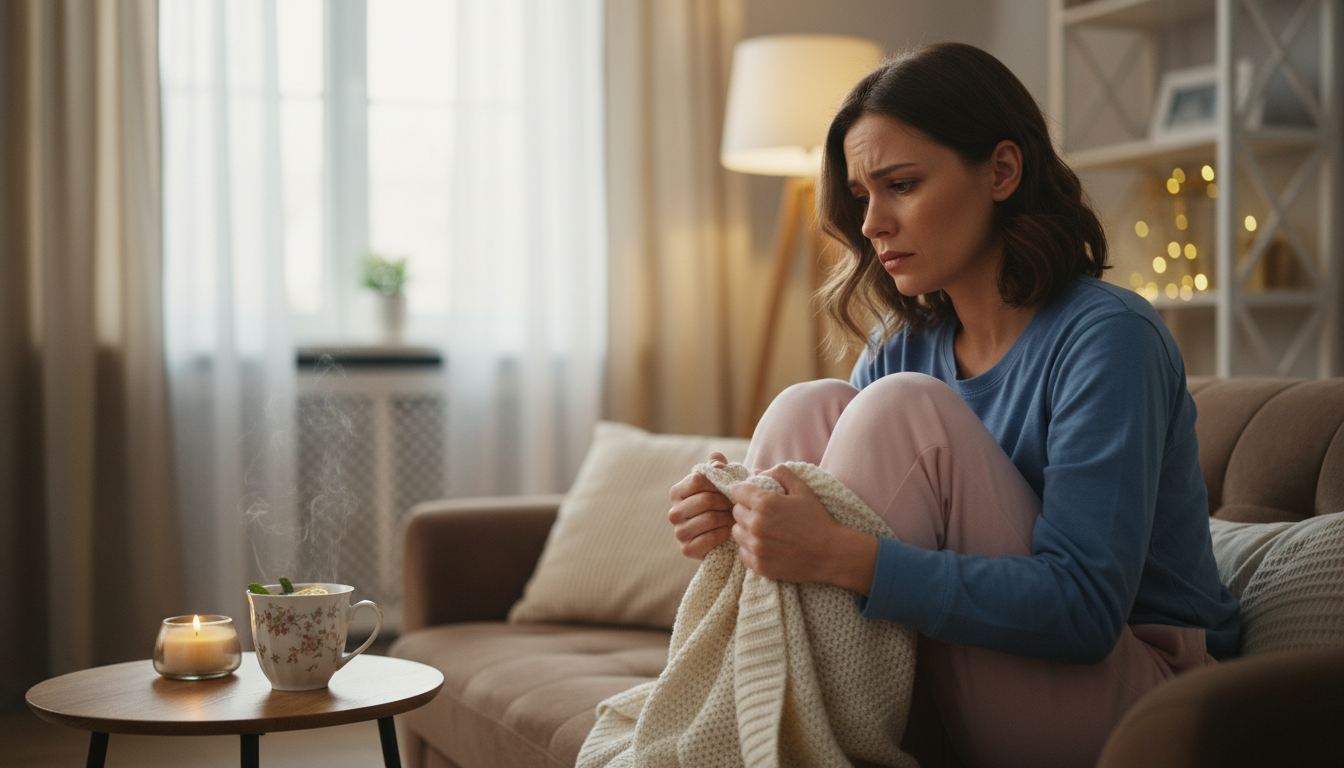
Many of us feel a big change in our mood when our period is coming. This is a common feeling that affects our daily life. About 80% of women deal with at least one premenstrual symptom often.
It’s important to understand these mood swings for our self-care. Hormonal changes can make us feel more stressed or worried. Learning to manage menstrual anxiety helps us live better.
We want to find out why these feelings happen and how to deal with them. Our aim is to share practical tips to help you feel better all month. We think everyone should feel calm and balanced.
Knowing these patterns lets us take charge of our health. We shouldn’t have to face monthly stress alone. Together, we can overcome these challenges with more confidence.
Key Takeaways
- Approximately 80% of women experience regular premenstrual symptoms.
- Managing cycle-related stress is vital for maintaining a high quality of life.
- Hormonal shifts often trigger noticeable changes in emotional well-being.
- Identifying personal patterns helps in finding the most effective relief.
- Practical strategies can significantly reduce monthly nervousness.
- Openly discussing these symptoms helps us find better support and solutions.
Understanding Why We Experience Anxiety During Our Period
Our menstrual cycle and anxiety are linked in many ways. Hormones, body changes, and feelings all play a part. Knowing why we feel anxious during our period helps us cope better.
The Hormonal Connection: Estrogen, Progesterone, and Serotonin
Changes in estrogen and progesterone affect our anxiety. Estrogen, in particular, impacts serotonin, which helps us feel good. When estrogen goes down, serotonin can drop too, making us feel more anxious.
These hormones work together in a complex way. For example, progesterone can calm us down. But when it goes away, we might feel more anxious. Knowing how these hormones work is key to managing anxiety during our period.
| Hormone | Effect on Anxiety | Role in Menstrual Cycle |
|---|---|---|
| Estrogen | Influences serotonin levels, potentially reducing anxiety when high | Fluctuates throughout the cycle, peaking before ovulation |
| Progesterone | Can have a calming effect, but withdrawal may increase anxiety | Rises after ovulation, dropping before menstruation if pregnancy doesn’t occur |
| Serotonin | Regulates mood; lower levels associated with increased anxiety | Influenced by estrogen levels |
Physical Changes That Trigger Anxiety
Physical changes during our cycle can also make us anxious. Symptoms like bloating, tender breasts, and tiredness can make us feel uncomfortable and anxious.
- Bloating and water retention
- Breast tenderness
- Fatigue and changes in sleep patterns
Dealing with these physical symptoms helps us feel better and less anxious. By tackling the physical issues, we can also reduce anxiety.
The Difference Between Regular PMS and PMDD
It’s important to know the difference between PMS and PMDD. PMS has many symptoms, but PMDD is more severe. It affects our daily life a lot more.
The table below shows the main differences between PMS and PMDD:
| Characteristics | PMS | PMDD |
|---|---|---|
| Severity of Symptoms | Mild to moderate | Severe |
| Impact on Daily Life | Some disruption | Significant impairment |
| Emotional Symptoms | Mood swings, irritability | Marked irritability, anxiety, or depression |
Knowing if we have PMS or PMDD helps us find the right way to manage anxiety. For PMDD, we might need professional help to feel better.
Recognizing Our Menstrual Anxiety Symptoms
Knowing the signs of anxiety tied to our menstrual cycle is key. Understanding period anxiety relief symptoms is vital. This awareness is the first step to managing anxiety during our period.
Physical Signs We Should Watch For
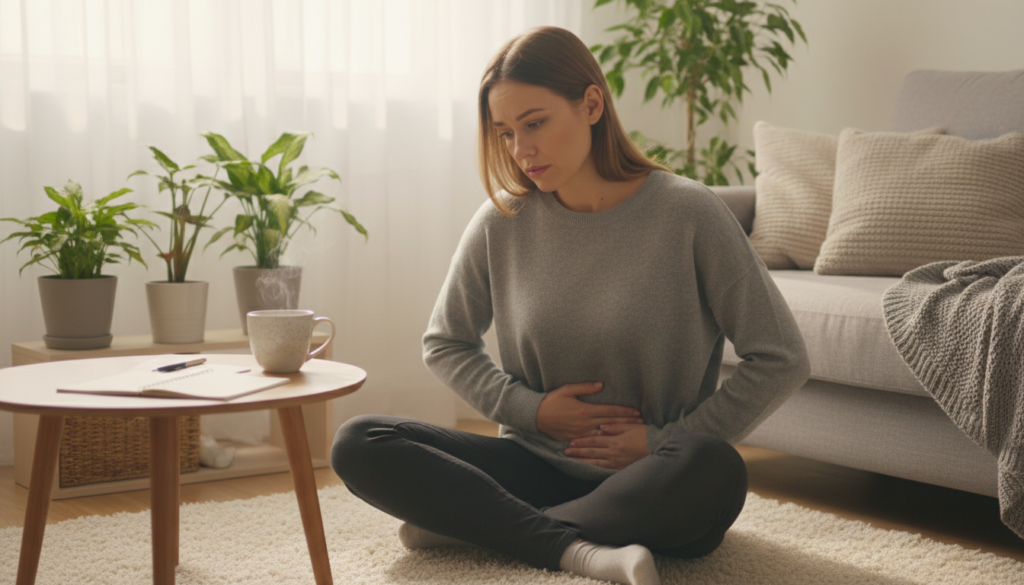
Our bodies often warn us before anxiety hits. Look out for headaches, feeling tired, and changes in how hungry we are. Spotting these signs early helps us get ready for what’s coming.
Some might feel breast tenderness or bloating too. These can be signs of anxiety. Keeping track of these symptoms helps us learn more about our health.
Emotional and Cognitive Symptoms
Feeling irritable, moody, or overwhelmed are signs of anxiety during our period. Trouble focusing or making choices can happen too. Recognizing these signs is key to finding ways to cope.
By noticing these changes, we can start to manage our anxiety better. This is a big step towards period anxiety relief.
Tracking Patterns Across Our Cycle
Keeping an eye on our symptoms through our cycle helps us understand our mental health. Seeing patterns lets us know when we might feel worse.
This knowledge helps us get ready and find ways to handle anxiety. Using a journal, app, or calendar to track our cycle is important. It’s a big step in controlling our mental health.
Being more aware of our bodies and minds helps us deal with menstrual anxiety. This awareness is the base for managing our anxiety. It leads to better mental health and happiness.
Managing Anxiety During Period: Our Step-by-Step Relief Guide
We have a guide to help manage anxiety during our period. It includes tracking our symptoms, using instant relief, and staying hydrated. We also suggest gentle exercises and natural remedies. This way, we can better handle our menstrual anxiety.
Create Your Personal Anxiety Tracking System
Tracking our symptoms is the first step. It helps us understand and manage our menstrual anxiety. By watching our physical and emotional changes, we find patterns and triggers.
Setting Up a Symptom Journal
Keeping a symptom journal is helpful. It lets us record our experiences and find connections between symptoms and our cycle. We can use a notebook or a mobile app to track our feelings and symptoms.
“Tracking my symptoms has been a game-changer. It helps me prepare for what’s coming and take proactive steps to manage my anxiety.” – Anonymous
Identifying Your Unique Triggers and Patterns
By looking at our symptom journal, we can find our unique triggers and patterns. This knowledge helps us make strategies to manage our anxiety.
Apply Immediate Anxiety Relief Techniques
When we feel anxious, we need quick relief techniques. These can calm our mind and body.
Deep Breathing Exercises for Instant Calm
Deep breathing exercises are simple yet effective. They help calm our nervous system and reduce anxiety.
Grounding Methods We Use
Grounding techniques help us stay in the present moment. They distract us from anxious thoughts. For example, we can focus on our five senses, like feeling our feet on the ground or listening to sounds.
Progressive Muscle Relaxation Steps
Progressive muscle relaxation involves tensing and relaxing muscles. It helps release tension and promotes relaxation.
Adjust Your Nutrition and Hydration
Our diet and hydration affect our anxiety. Making smart choices can reduce our anxiety.
Foods That Reduce Period Anxiety
Certain foods, like complex carbs, lean proteins, and healthy fats, can help. Foods rich in omega-3s and magnesium are also good. Think of salmon and dark leafy greens.
Some foods can make anxiety worse during our period. We should limit caffeine, sugar, and processed foods.
Staying Properly Hydrated
Drinking enough water is key for our health. Dehydration can make anxiety worse. So, we should drink at least eight glasses of water a day.
Incorporate Gentle Movement Into Your Day
Gentle exercise can help reduce anxiety. It releases endorphins and promotes relaxation.
Yoga Poses for Menstrual Anxiety Relief
Some yoga poses, like child’s pose and downward-facing dog, can help. They reduce anxiety and promote relaxation.
Low-Impact Exercises We Recommend
Low-impact exercises like walking, swimming, and cycling are good. They reduce anxiety without straining our body.
Try Natural Remedies and Herbal Support
Natural remedies and herbal support can help with menstrual anxiety.
Herbal Teas for Calming Effects
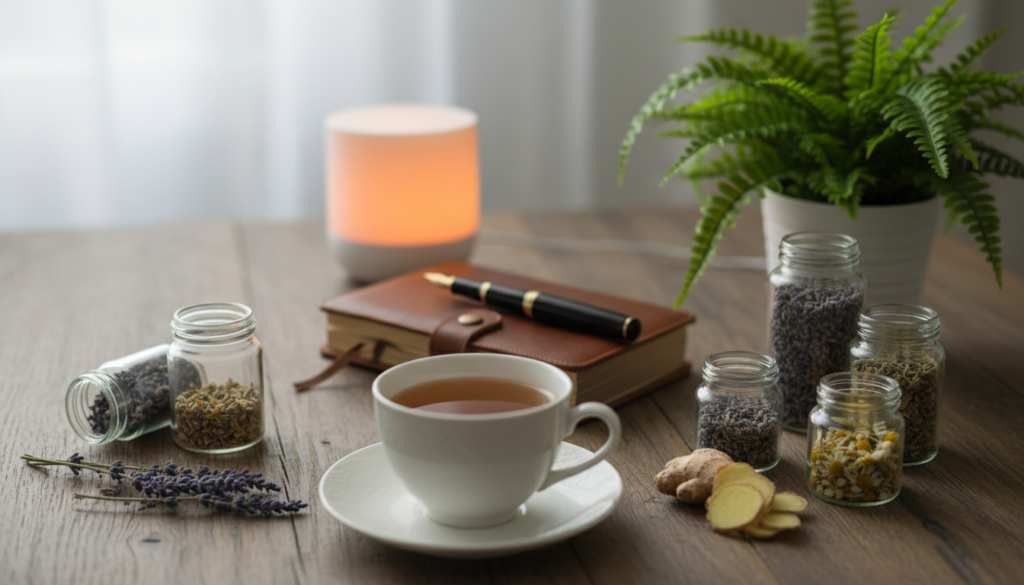
Herbal teas, like chamomile and lavender, have calming effects. They soothe our mind and body.
Essential Oils and Aromatherapy
Essential oils like lavender and bergamot can help in aromatherapy. They promote relaxation and reduce anxiety. For more info, visit Healthline.
Supplements That Help: Magnesium, Vitamin B6, and Omega-3
Supplements like magnesium, vitamin B6, and omega-3s can help with anxiety. But, we should talk to a healthcare professional before adding them to our routine.
Building Our Holistic Long-Term Anxiety Management Plan
We need to tackle anxiety in many ways. This includes our body, mind, and feelings. By using different strategies every day, we can handle anxiety better.
Develop Cycle-Aware Stress Management Practices
Knowing our cycle and how it affects us is key. We can then plan our stress management better.
Mindfulness and Meditation Throughout Our Cycle
Mindfulness and meditation help with anxiety. We can change these practices to fit our cycle.
In the luteal phase, deep breathing is good. Mindfulness meditation keeps us focused.
Adapting Our Schedule to Our Hormonal Phases
Being flexible with our schedule helps. Adjusting our plans to our hormones reduces stress.
Prioritizing tasks when we’re most awake is smart. Save easy tasks for when we’re tired.
Create Sustainable Lifestyle Changes
Healthy habits improve our anxiety. Adding good habits to our daily life boosts our well-being.
Regular Exercise Routines for Hormonal Balance
Exercise balances our hormones and lowers anxiety. Yoga and walking are great choices.
Sleep Hygiene for Better Mental Health
Good sleep is vital for our mind. A regular sleep schedule and a calm bedtime routine improve sleep quality.
Building Our Support Network
A strong support network helps a lot. Being around people who care and help us is comforting and practical.
| Support Network | Benefits |
|---|---|
| Family and Friends | Emotional support and practical help |
| Support Groups | Shared experiences and community |
| Professional Help | Guidance and therapy |
Know When We Need Professional Support
Knowing when to get help is important. Some signs mean we should see a doctor.
Signs That Indicate We Should See a Doctor
If anxiety is too much, we need a doctor. Dr. Heidi Green’s expertise shows the need for professional help.
Therapy Options: CBT and Counseling
Therapy helps with anxiety. CBT and counseling give us tools to manage it.
Medical Treatments and Hormone Therapy
Medical help or hormone therapy might be needed. A doctor can figure out the best treatment.
Conclusion
Understanding and managing anxiety during our period is key for our well-being. We can spot the signs of menstrual anxiety and use good coping strategies. This helps a lot with our mental health.
Managing anxiety during menstruation means tracking our symptoms and using quick relief methods. We also make lasting lifestyle changes. We’ve looked at ways to manage anxiety, like tracking our feelings and using gentle exercises and natural remedies.
By taking a whole-body approach to anxiety, we can be kinder to ourselves. This helps us deal with the physical and emotional changes of our cycle. It leads to a more balanced and happy life.
We urge you to take charge of your anxiety during your period. Doing so helps you face the challenges of your cycle better. It makes you stronger and more positive.