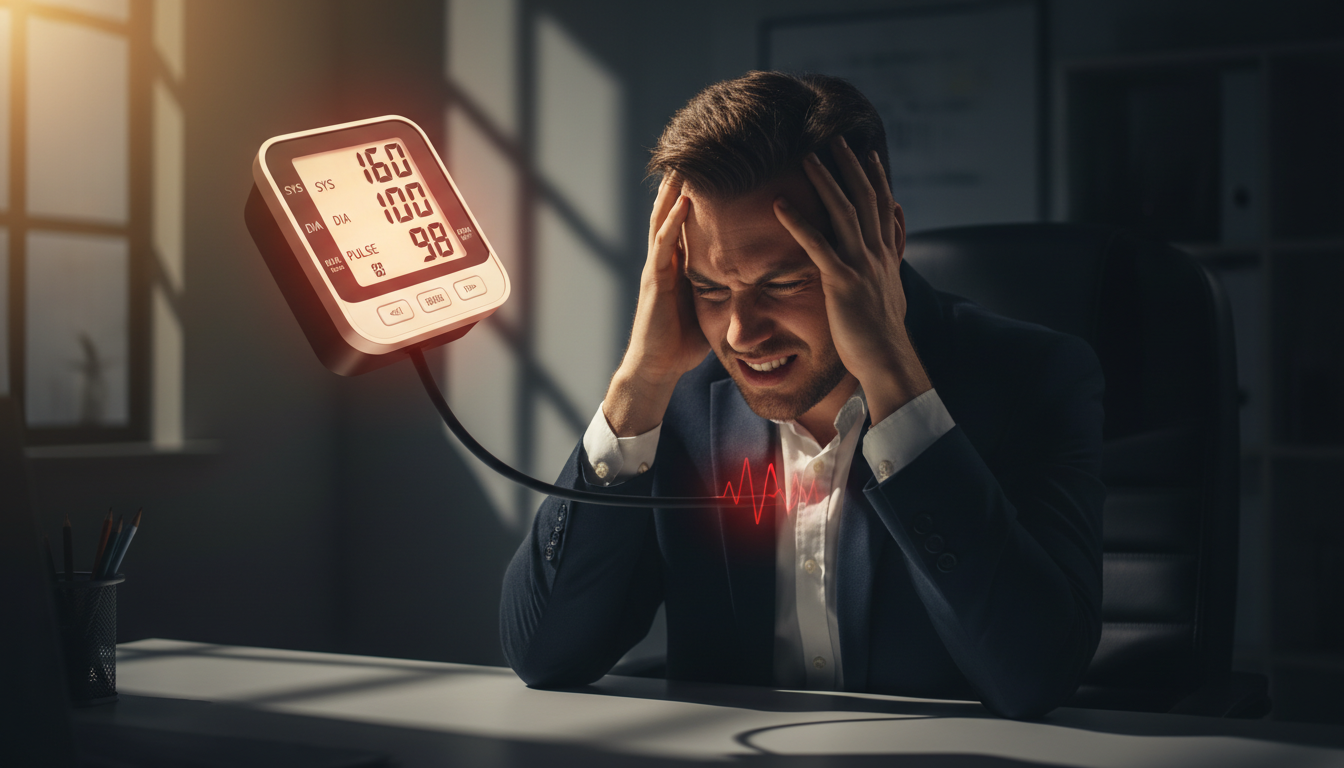
What if your everyday worries were quietly shaping your heart’s health? This question haunts millions of Americans who navigate the complex interplay between their mental and physical well-being.
We often feel stress in our minds, but its impact echoes throughout the body. When faced with worry or fear, our system releases powerful hormones like cortisol and adrenaline. This natural response prepares us for action, but it also causes a temporary surge in cardiovascular activity.
For many, these spikes are short-lived. However, when anxious moments become frequent, the repeated strain on the heart and vessels can be significant. It’s crucial to understand this link, not because one condition directly causes the other, but because they often fuel each other.
This guide explores the powerful association between these two common health challenges. We will look at the science behind how they interact and share practical steps for managing both. Our goal is to help you protect your long-term cardiovascular health.
Key Takeaways
- Anxiety activates the body’s stress response, leading to temporary rises in blood pressure.
- Frequent episodes of intense worry may contribute to sustained cardiovascular strain over time.
- Hypertension and anxiety share a bidirectional relationship, where each can worsen the other.
- Early recognition of symptoms for both conditions is vital for effective intervention.
- Integrated management strategies that address mental and physical health together yield the best outcomes.
- This connection is highly relevant, affecting a large portion of the U.S. population.
- Proactive steps can be taken to break the cycle and support overall well-being.
Introduction to Anxiety and Blood Pressure
In the United States, two prevalent health issues often walk hand in hand, influencing millions of lives. They are distinct yet deeply interconnected conditions. Each carries significant weight for overall wellness.
Setting the Context
Research from the National Institutes of Health shows a startling overlap. About 31% of American adults will experience an anxiety disorder in their lifetime. Meanwhile, nearly 47% live with hypertension.
This means many individuals face both challenges simultaneously. Nervousness is more than occasional worry. It involves persistent concern and physical symptoms that can temporarily elevate cardiovascular readings.
Why This Topic Matters
The association between these conditions creates a concerning cycle. One can potentially worsen the other. Unmanaged, this duo increases the risk for serious heart events.
It also diminishes daily quality of life. Recognizing this link is crucial. It enables treatment that addresses mental and physical well-being together.
Proactive management strategies can break the cycle. This leads to better long-term outcomes for people.
Understanding Anxiety and Its Symptoms
When your mind races with worry, your body often joins in with its own set of alarming signals. We define this condition as a complex interplay of psychological distress and tangible physical reactions.
Physical and Emotional Manifestations
The body’s stress response creates noticeable signs. These include a faster heart rate, chest tightness, and shortness of breath.
Muscle tension, headaches, and dizziness are also common. These physical manifestations can temporarily elevate blood pressure during episodes.
Emotionally, people may experience persistent worry and restlessness. Feelings of impending doom or irrational fears can take over.

| Symptom Type | Common Examples | Potential Impact |
|---|---|---|
| Physical | Increased heart rate, chest tightness, dizziness | Temporary rise in cardiovascular readings |
| Emotional | Persistent worry, restlessness, irrational fears | Interference with daily tasks and relationships |
| Behavioral | Sleep disturbances, avoidance of situations | Reduced quality of life and social isolation |
When Anxiety Becomes a Health Concern
Occasional worry is normal. However, clinical disorders involve intense, lasting symptoms.
If they persist for weeks and disrupt work or relationships, professional help is needed. Notably, about half of those with depression also face an anxiety condition.
Managing both depression and anxiety is often necessary for mental health. Untreated, these feelings can lead to isolation.
They may contribute to long-term cardiovascular strain. Recognizing this threshold is vital for well-being.
Defining Hypertension and High Blood Pressure
Millions live with a hidden health challenge that shows few signs until damage is done. This condition involves a persistent, excessive force within the circulatory system.
What Hypertension Means in America
We define hypertension as a state where blood consistently pushes too hard against artery walls. It’s measured by two numbers: systolic (heartbeat force) and diastolic (resting force).
According to the American Heart Association, a reading consistently at or above 130/80 mmHg indicates this condition. Normal blood pressure is below 120/80 mmHg.
The CDC reports nearly half of U.S. adults have high blood pressure. This makes it one of the nation’s most common chronic conditions.
Risk Factors and Early Warning Signs
Hypertension is often called the “silent killer.” It rarely causes clear symptoms until harm occurs to blood vessels or organs.
Major risk factors include family history, age over 65, obesity, and a sedentary lifestyle. A diet high in sodium, smoking, and high stress also contribute.
Patients cannot rely on how they feel for a diagnosis. Healthcare professionals need multiple readings over time to confirm high blood pressure.
Left untreated, it raises the chance of heart disease, stroke, and kidney damage. Regular monitoring is vital for early action and better health outcomes.
The Anxiety Effect on Blood Pressure: What Research Reveals
Large-scale population studies offer powerful insights into how our mental state influences cardiovascular health. Recent scientific reviews provide strong evidence for a meaningful link.

Insights from Epidemiological Studies
A major meta-analysis examined 13 studies with over 150,000 participants. It found a significant association between psychological distress and hypertension, with a pooled odds ratio of 1.18.
More tellingly, prospective research followed 80,146 individuals. People with anxiety faced a 55% higher risk of developing high blood pressure.
This anxiety hypertension link proved consistent across diverse groups. Location, age, and study quality did not change the core finding.
The relationship is bidirectional. Not only does distress elevate blood pressure risk, but those with hypertension also report higher rates of anxious disorders.
These results show the association is independent of other factors like diet or smoking. They strongly support integrated screening and care for both conditions.
Lifestyle Changes to Reduce Anxiety and Lower Blood Pressure
Simple, consistent lifestyle adjustments can simultaneously calm the mind and support a healthier heart. We focus on modifications that target the common roots of both conditions.
These changes work together to improve your overall well-being. They are most effective when adopted gradually and sustained over time.
Incorporating Exercise and Healthy Eating
Regular physical activity is a cornerstone. Aim for 150 minutes of moderate exercise like brisk walking each week.
This activity releases endorphins, easing worry and directly helping your heart. Pair movement with a balanced diet rich in fruits and vegetables.
The DASH eating plan is excellent for high blood pressure. It limits sodium and boosts potassium. Quitting smoking and moderating alcohol are also crucial steps for health.
Improving Sleep and Daily Routines
Prioritize 7-8 hours of quality sleep nightly. Consistent rest keeps blood vessels healthy and stabilizes mood.
Even modest weight loss of 5-10% can significantly reduce pressure. A stable daily routine reduces uncertainty, which can lessen feelings of anxiety.
Stress Reduction Practices
Build relaxation into your day, not as a luxury. Set clear boundaries and make time for enjoyable activity.
Spending time with supportive people is key. For more structured guidance, the American Heart Association offers great tips on managing stress to control high blood.
| Lifestyle Area | Key Action | Primary Benefit |
|---|---|---|
| Physical Activity | 150 mins moderate exercise weekly | Lowers blood pressure & improves mood |
| Nutrition | Follow DASH diet, limit sodium | Reduces hypertension risk factors |
| Substance Use | Quit smoking, limit alcohol | Protects blood vessels & reduces stress |
| Sleep Hygiene | 7-8 hours nightly, consistent schedule | Regulates body hormones & supports heart health |
Small, sustainable steps create lasting change. Focus on one or two areas to start. This integrated approach is your path to better life.
Medical Interventions and Treatment Strategies
When lifestyle changes aren’t enough, clinical interventions offer a path to better manage both psychological distress and hypertension.
A combined approach often yields the best results for long-term wellness.
Therapy Options and Medication Considerations
Psychotherapy, like Cognitive Behavioral Therapy (CBT), helps people change unhelpful thought patterns. This can reduce worry without using drugs.
Exposure therapy is another option for facing specific fears. These methods can lower stress on the cardiovascular system.
For medication, doctors often start with SSRIs like sertraline. These treat anxious feelings and are usually safe for your heart.
Beta-blockers, such as propranolol, have a dual benefit. They ease physical symptoms and can help lower high readings.
Some drugs require careful watch. Venlafaxine may increase pressure in some individuals.
The Role of Regular Blood Pressure Monitoring
Frequent checks are vital for patients on these treatments. This allows a healthcare provider to spot any changes early.
Open communication with your provider about all symptoms is key. It ensures your plan remains effective and safe.
| Treatment Type | Common Examples | Primary Benefit | Monitoring Need |
|---|---|---|---|
| Psychotherapy | CBT, Exposure Therapy | Reduces anxiety without medication | Session follow-ups |
| SSRI Medications | Sertraline, Escitalopram | Treats anxiety, heart-safe | Regular blood pressure checks |
| Beta-Blockers | Propranolol | Lowers both anxiety symptoms & blood pressure | Cardiovascular monitoring |
| Caution Medications | Venlafaxine, Duloxetine | Effective for anxiety | Frequent pressure readings required |
Practical Steps for Self-Monitoring Your Health
Accurate tracking transforms guesswork into clear health insights. The data you collect at home is a powerful tool. It should always work alongside your doctor’s evaluations.
How to Perform At-Home Blood Pressure Checks
Start with a validated, upper arm cuff monitor. Wrist or finger devices are often less reliable. A proper fit is crucial for correct readings.
Sit quietly for five minutes before you begin. Keep your feet flat and support your arm at heart level. Avoid caffeine or exercise for thirty minutes prior.
Take two or three readings, one minute apart. Consistency is key—measure at the same time daily. Readings averaging 130/80 mmHg or higher need a discussion with your provider.
Maintaining a Health Log for Progress
A good log tracks more than just numbers. Note your stress levels, sleep quality, and diet. This reveals how daily life affects your cardiovascular readings.
Use a simple notebook or a dedicated smartphone app. Consistent records over time show important patterns. This information helps patients and doctors make the best choices.
Home monitoring can uncover “white coat” or “masked” hypertension. It provides a fuller picture for managing high blood pressure. Seek immediate care for readings above 180/120 mmHg or with severe symptoms.
Integrating Mental and Physical Health Management
True wellness emerges when we stop treating the mind and body as separate entities. This integrated approach is key for managing interconnected conditions like anxiety hypertension.
It leads to better health outcomes and a higher quality of life. We focus on techniques that soothe the nervous system and strengthen social bonds.
Mindfulness and Relaxation Techniques
Daily mindfulness practice can make a significant difference. Just 5-10 minutes of focused breathing may lower systolic blood pressure by 5-8 mmHg.
It also reduces feelings of stress. Try the 4-2-6 breathing method: inhale for four counts, hold for two, exhale for six.
This pattern calms the body‘s fight-or-flight response. Progressive muscle relaxation is another powerful tool.
Systematically tense and release muscles from your toes to your head. This releases physical tension linked to high pressure.
Building a Reliable Support Network
Strong social connections are a buffer against stress. Friends, family, or support groups provide essential emotional resources.
They reduce isolation and improve mental health. This support is vital for managing chronic conditions.
Open communication with your healthcare provider is equally crucial. Discuss both your emotional and cardiovascular concerns together.
Recent research confirms that integrated care approaches yield the best results. Treating the whole person breaks the cycle between stress anxiety and hypertension.
| Self-Management Technique | How It Helps | Best For |
|---|---|---|
| Mindfulness Meditation | Lowers stress hormones & systolic blood pressure | Daily routine, building focus |
| Deep Breathing (4-2-6) | Counters acute anxiety spikes, calms the heart rate | Moments of acute worry or tension |
| Progressive Muscle Relaxation | Reduces physical tension, promotes overall relaxation | Evenings, before sleep |
| Social Connection | Improves emotional resilience & quality of life | Long-term support and motivation |
Combining these strategies creates a robust toolkit. It protects both your heart and your peace of mind.
Conclusion
Protecting your future starts with breaking the cycle that links emotional distress to cardiovascular risk. Research confirms a strong, bidirectional link between these two common health challenges.
While frequent worry triggers temporary spikes, sustained strain can harm your heart and vessels over time. This makes early recognition vital.
Effective management combines lifestyle changes with professional guidance. We encourage you to consult a doctor if you notice symptoms.
Proactive treatment and regular monitoring can significantly improve your long-term well-being. You have the power to support both your mind and body.