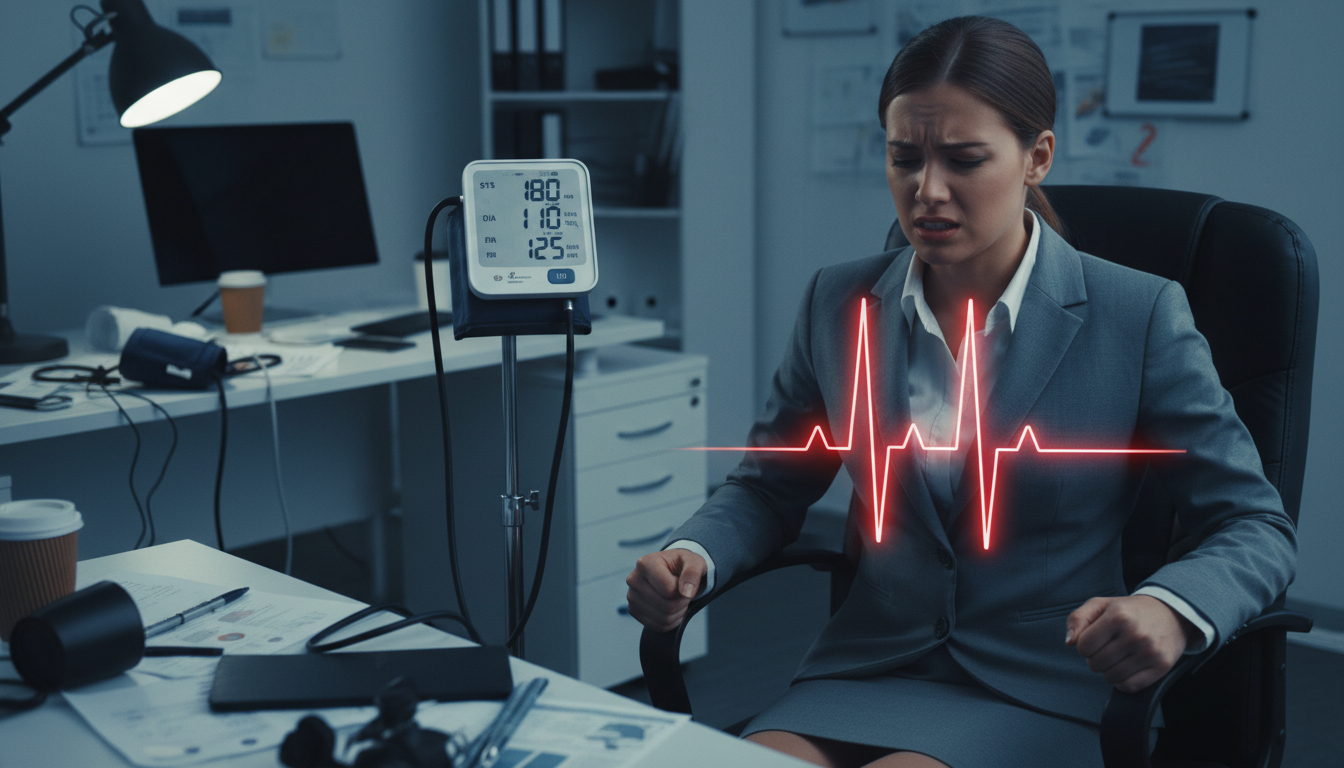
What if the key to managing your blood pressure isn’t just about diet and exercise, but also about calming your mind?
This question lies at the heart of a critical health connection affecting millions. According to the National Institutes of Health, nearly one-third of American adults will experience an anxiety disorder in their lifetime. At the same time, the CDC reports high blood pressure affects as many as half of all adults.
We begin this guide by exploring this powerful link. While daily stress can cause temporary spikes, ongoing worry may pose a longer-term cardiovascular risk. Understanding this relationship is vital for our overall wellbeing.
Our focus is on practical, evidence-based strategies. We will cover how these conditions interact, including the bidirectional link between anxiety and high blood. You’ll learn to recognize symptoms and implement daily practices.
This guide empowers you with knowledge. We provide actionable steps for monitoring and improving your health. Taking control starts with understanding the facts.
Key Takeaways
- Anxiety disorders and high blood pressure are very common, affecting tens of millions of American adults.
- There is a significant and complex connection between mental stress and cardiovascular health.
- Temporary spikes in blood pressure due to stress are normal, but chronic issues require attention.
- Managing both conditions often requires a comprehensive approach involving lifestyle and medical strategies.
- Early recognition of symptoms and consistent monitoring are key steps for better health.
- Evidence shows that treating one condition can positively influence the other.
- This guide will provide practical, actionable advice you can start using today.
Understanding Anxiety and High Blood Pressure
Millions navigate daily life while coping with persistent worry and elevated cardiovascular strain. To manage our wellbeing effectively, we need clear definitions of these common challenges.
Defining Anxiety and High Blood Pressure
Clinical anxiety disorders involve more than daily stress. They are marked by intense, persistent feelings of fear and dread that can disrupt our ability to function.
Similarly, high blood pressure, or hypertension, is a physical condition. It means blood pushes against artery walls with excessive force over time, often without any obvious signs.
The Impact on Our Overall Wellbeing
These conditions affect a huge portion of adults. Anxiety disorders impact about 31% of Americans. Hypertension affects up to half of all adults.
Research shows a bidirectional link. People with chronic anxiety face a higher risk of developing high blood pressure. Those with hypertension also have a greater risk for anxiety.
This overlap creates a significant impact on our quality of life. Untreated, it can hinder daily tasks and strain relationships. That’s why an integrated approach to mental and physical health is so powerful.
Chronic stress can contribute to both chronic anxiety and depression, according to the American Heart Association.
Understanding this connection helps us see why proactive management is essential for long-term wellness.
Recognizing Symptoms of Anxiety and Hypertension
Learning to identify the body’s distress signals is a crucial skill for safeguarding our long-term wellness. We can often feel when something is off, but knowing the specific signs helps us respond effectively.
Physical and Emotional Signs
Worry and nervousness manifest in clear ways. Our body may show symptoms like restlessness, muscle tension, or a racing heart rate.
We might also experience trembling, sweating, or rapid breathing. Emotionally, persistent irrational fears or a sense of impending doom are common.
It’s vital to know that elevated blood pressure usually has no such warnings. This high blood pressure is often called a silent condition.
| Symptom Type | What We Might Feel | Associated Condition |
|---|---|---|
| Physical Signs | Restlessness, trembling, fast heartbeat | Anxiety |
| Emotional Signs | Irrational worry, feeling of panic | Anxiety |
| Silent Indicator | Typically no noticeable feelings | Hypertension |
When to Seek Medical Evaluation
Certain warning signs demand prompt attention. These include severe headaches, chest discomfort, vision problems, or difficulty breathing.
If worry severely interferes with daily life, it’s time for a diagnosis. Tracking our symptoms helps patients and doctors see patterns.
Bringing this record to an appointment leads to better health outcomes. Acting on these signs is a powerful step forward.
The Role of Chronic Stress in Blood Pressure
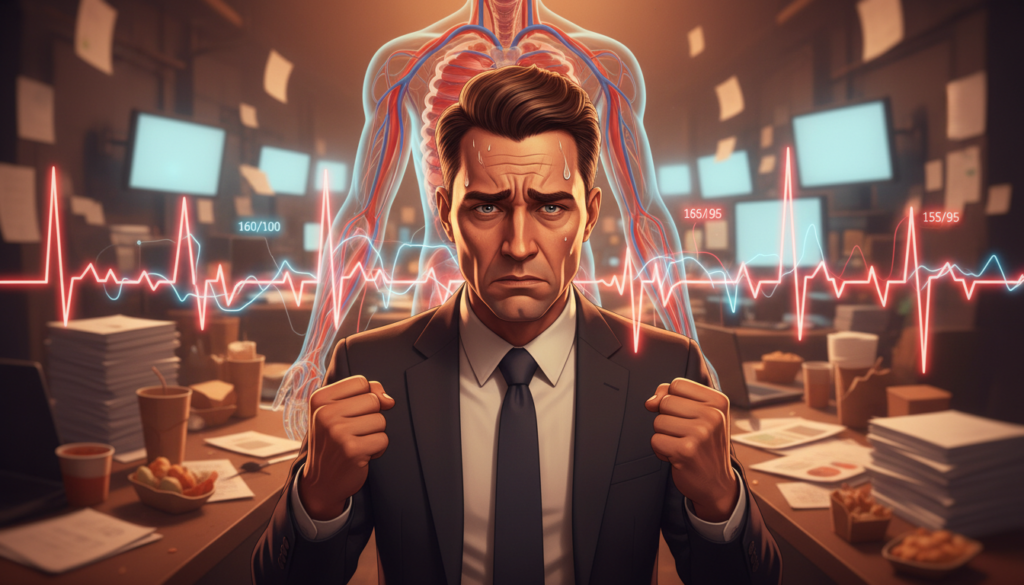
Chronic stress does more than just weigh on our minds. It initiates a precise physiological cascade that directly impacts our cardiovascular health.
Chronic Stress and Cortisol Levels
Our body reacts to perceived threats with a fight-or-flight response. This activates the sympathetic nervous system, releasing hormones like adrenaline.
Adrenaline increases heart rate and narrows blood vessels. This temporarily raises blood pressure to deliver oxygen quickly.
Cortisol, another stress hormone, raises blood sugar. When chronic stress keeps levels high, it can elevate pressure and body weight over time.
| Stress Type | Body’s Response | Impact on Blood Pressure |
|---|---|---|
| Acute Stress | Short-term hormone surge for immediate danger. | Temporary, healthy increase that subsides. |
| Chronic Stress | Constant, low-grade activation of the stress system. | Can lead to sustained high blood pressure (hypertension). |
| Outcome | Frequent fight-or-flight episodes. | Increases long-term risk for heart disease and stroke. |
Managing this stress is not just for mental calm. It’s a crucial step in protecting our physical heart health from long-term risk.
The Connection Between Anxiety and Heart Disease
Scientific evidence continues to build a clear link between our emotional wellbeing and the risk of serious heart conditions. People with chronic anxiety face a significantly elevated risk for cardiovascular disease.
This connection works through two main pathways. The first is direct physiological wear on our heart and blood vessels from constant stress hormones.
The second involves indirect behavioral factors. Untreated worry can lead to poor diet, smoking, or alcohol use. These habits further increase cardiovascular disease risk.
| Pathway to Increased Risk | How It Affects Our Heart | Long-Term Outcome |
|---|---|---|
| Physiological | Stress hormones cause repeated spikes in blood pressure, straining vessel walls. | Damage similar to long-term hypertension, raising heart disease risk. |
| Behavioral | Unhealthy coping mechanisms like smoking or overeating develop. | Additional strain on the heart and vessels, compounding the original risk. |
Managing our emotional health is a powerful form of prevention. Effective strategies protect both our mind and our physical heart from future disease.
Practical Strategies for Managing Anxiety Hypertension
Our daily routines hold the key to simultaneously calming our nerves and supporting our cardiovascular system. A successful plan integrates actions for both mental health and physical health.
This approach creates a powerful synergy. What helps one condition often benefits the other directly.
Key Tips for Daily Management
Effective treatment is built on consistent habits, not one-time fixes. Sustainable lifestyle changes form the foundation.
We must schedule regular time for activities that lower stress. Establishing supportive routines provides structure that eases worry and helps control blood pressure.
- Prioritize Self-Care: Dedicate moments daily for relaxation, like deep breathing or a quiet walk.
- Monitor Progress: Track your mood and blood pressure readings to see what works best for you.
- Seek Professional Support: Talking to a therapist or doctor is a proactive step in any treatment plan.
- Focus on Nutrition and Sleep: A heart-healthy diet and good sleep hygiene support both body and mind.
Managing these conditions is an ongoing process. Patience and consistency are vital. Even small adjustments to our daily habits can lead to meaningful improvements over time.
Incorporating Exercise into Our Daily Routine
One of the most accessible tools for improving our overall health doesn’t require a prescription—it’s regular movement. Making physical activity a consistent habit serves as a powerful, dual-purpose strategy.

Benefits of Regular Physical Activity
Exercise improves our mood by releasing endorphins. It also provides a healthy distraction from daily worries and reduces muscle tension.
This helps our brain cope better with stress. For some, regular activity works as well as medication for reducing symptoms.
It also directly supports cardiovascular function. This can help manage blood pressure and prevent weight gain.
For some people, exercise works as well as medication to reduce symptoms of anxiety or depression.
Simple Workouts to Get Started
We don’t need intense gym sessions. Even 15 to 30 minutes of moderate activity on most days offers significant benefits.
Simple ideas include a daily brisk walk, following an at-home aerobics video, or joining a dance class. Biking, jogging, and basic calisthenics are also excellent.
Household tasks count too. Gardening, cleaning, or raking leaves contribute to our daily movement goals.
The key is to start with an exercise we enjoy. Building consistency creates cumulative benefits for both mood and blood pressure over time.
Dietary Approaches for Better Blood Pressure Control
Our plates hold more power than we might think, directly influencing the numbers on our blood pressure monitor. The foods we choose each day are a cornerstone of our cardiovascular health.
What we eat affects the force inside our blood vessels. A balanced diet can help manage this pressure effectively.
Embracing the DASH Diet
The DASH eating plan is a science-backed choice. DASH stands for Dietary Approaches to Stop Hypertension.
It focuses on whole, nutrient-rich foods. The plan emphasizes vegetables, fruits, and whole grains.
It includes low-fat dairy, lean poultry, and fish. It also limits saturated fats and added sugars.
Following this pattern helps lower high blood pressure. It also supports stable mood and energy levels.
Nutritional Advice for a Healthy Heart
Practical steps make a big difference. We should reduce sodium by reading labels and cooking at home.
Choosing whole foods over processed items is key. We must limit sugar-sweetened drinks and snacks.
This approach helps prevent related conditions like diabetes. Good nutrition protects our heart and blood vessels.
Small, consistent changes to our diet yield lasting benefits. There’s no need for perfection, just steady progress for better health.
The Importance of Regular Health Monitoring
Tracking our health numbers is a proactive step that puts us in control of our wellbeing. Since high blood pressure often has no symptoms, regular measurement is the only way to uncover it.
This silent condition requires our attention. Consistent checks help us and our doctors spot trends early.
Home Blood Pressure Checks
Monitoring at home provides reliable data between office visits. It is especially useful for patients who experience the “white-coat effect,” where anxiety at the clinic causes a temporary spike.
Accurate home readings require proper technique. Follow these key steps for the best results:
- Sit quietly for five minutes before checking your blood pressure.
- Rest your arm on a table so the cuff is level with your heart.
- Take two or three readings, about a minute apart, and record all results.
- Share your log with your healthcare provider to assess your pressure patterns.
Our physician will guide us on how often to check based on our personal health status. This consistent monitoring shows if our lifestyle or treatment plan is working.
Seeing stable numbers over time can also reduce worry about our cardiovascular rate. Home tracking turns uncertainty into actionable knowledge.
Stress Reduction Through Mindfulness and Meditation
Simple daily pauses to reconnect with the present moment hold surprising power for our physical and mental wellbeing. Mindfulness and meditation are powerful tools for stress reduction. They help us manage both emotional strain and cardiovascular pressure without medication.
Mindfulness means taking just a few time minutes from our day. We focus on the here and now, relaxing both body and mind from accumulated tension.
Specific exercises activate our relaxation response. Deep, conscious breathing directly counteracts the fight-or-flight reaction that elevates blood pressure.
Regular practice teaches us to observe worried thoughts without becoming overwhelmed. This reduces the intensity and frequency of difficult episodes, improving our overall mental health.
Even brief daily meditation produces measurable improvements. The American Heart Association recognizes these techniques as legitimate for controlling high blood pressure.
Starting is simple. Consistency matters more than duration when building this healthy habit for lasting stress reduction and a better mood.
Therapeutic Approaches: Psychotherapy and Medication
Beyond lifestyle adjustments, clinical interventions provide targeted support for coexisting mental and physical conditions. When worry and elevated pressure persist, structured treatment plans become essential.
These plans often combine psychological therapy with pharmacological support. This dual approach addresses the root causes and symptoms effectively.
Exploring Cognitive Behavioral Therapy (CBT)
Cognitive Behavioral Therapy is a highly effective form of talk therapy. It teaches patients to identify and change unhelpful thought patterns.
These patterns often fuel anxiety disorders. A therapist may also use exposure therapy to help people face fears in a controlled way.
This builds resilience and practical coping skills. It’s a powerful tool for managing depression and worry without relying only on medication.
Medication Options for Anxiety and Hypertension
Several medication classes can help control symptoms. These include certain antidepressants, anti-anxiety drugs, and beta blockers.
It’s crucial to understand that drugs manage symptoms but don’t cure the underlying conditions. They work best alongside therapy and lifestyle changes.
An important complexity exists. Some drugs for mental health conditions, like SNRIs, can potentially raise blood pressure.
Therefore, treating both hypertension and emotional distress often requires separate, appropriate medications. Close collaboration with a doctor is vital to find the right balance, as supported by recent clinical research.
Lifestyle Modifications to Lower Health Risks
Two of the most modifiable factors in our daily routine—what we inhale and how we rest—hold immense power over our wellbeing. Targeted lifestyle changes can directly lower our risk for serious cardiovascular and mental health issues.
Smoking Cessation and Improved Sleep
Quitting smoking is one of the most impactful steps we can take. It directly increases the risk of heart attack and stroke. Many people use cigarettes to cope with stress, creating a harmful cycle.
Quality sleep is equally vital for our blood pressure and mood. Getting seven to nine hours nightly helps keep blood vessels healthy. A consistent bedtime routine signals our body to wind down.
We must also be mindful of alcohol. Even small amounts can worsen feelings of worry. Larger doses contribute to high blood pressure and heart disease.
Small Changes, Big Impact
These adjustments, while simple, create a powerful cumulative effect. Addressing risk factors like poor sleep and substance use significantly improves our long-term life and health.
For some, joining a support group is a crucial part of this lifestyle shift. Combining several small, positive changes builds a strong foundation for managing overall risk.
Overcoming Anxiety Through Self-Care and Mental Health Techniques
Reclaiming our peace from persistent worry involves more than willpower. It demands a commitment to consistent self-nurturing. When left unaddressed, these feelings can make us feel trapped or isolated.
Dedicating time to activities that solely benefit us is not selfish. It’s a necessary foundation for good mental health. This practice looks different for everyone.
Daily Self-Care Practices
Effective self-care might mean moving our body to lift our mood. It could be reading a book or sitting quietly. The goal is to reduce stress and recharge.
These small acts build resilience against daily pressures. They help prevent feelings from becoming overwhelming. Making them a regular part of our life is key.
Building a Support Network
We are not meant to face challenges alone. Connecting with people who love and support us provides immense strength. A strong network includes family, friends, and professionals.
Working with a psychologist or therapist offers specialized guidance. These experts help us reframe thoughts and develop coping strategies. This therapy is vital for managing conditions like depression.
Support groups connect us with people who understand our struggles. This reduces isolation and provides practical hope. Seeking help is a courageous step toward better mental health.
Seeking Professional Help for Anxiety and Hypertension
A collaborative relationship with a medical provider forms the cornerstone of effective, long-term management for interconnected health issues.
We should seek help when anxiety is difficult to control or disrupts daily tasks. Family medicine physicians offer comprehensive care for chronic conditions like hypertension.
During a consultation, doctors monitor blood pressure and evaluate symptoms. This leads to a clear diagnosis and a personalized treatment plan.
Being completely honest about all symptoms helps doctors identify relevant factors. This honesty is crucial for our health.
| Care Aspect | What Providers Do | Patient Benefit |
|---|---|---|
| Symptom Evaluation | Assess mental and physical signs, review history. | Clear understanding of all contributing factors. |
| Treatment Planning | Develop a plan that may include medicine and lifestyle changes. | Personalized roadmap based on current research. |
| Education & Referrals | Teach self-care and refer to specialists like therapists. | Empowerment and access to specialized treatment. |
| Long-Term Coordination | Manage multiple conditions within the health system. | Integrated care that addresses all factors. |
Doctors provide vital education on prevention and self-care. They can also refer patients to psychotherapy based on the latest research.
Family physicians coordinate care for related issues like high cholesterol or diabetes. This ensures our entire system is supported.
Finding a provider we trust improves long-term outcomes. Strong relationships help people adhere to medicine and lifestyle plans.
Conclusion
A proactive stance on health integrates care for both emotional balance and cardiovascular strength. Understanding this powerful link empowers us to take control.
With proper treatment, we can significantly lower our risk of serious complications like heart disease. These conditions affect millions of adults, but they are manageable.
Addressing key risk factors—from stress to sleep—reduces our overall health dangers. A holistic approach works best, as steps for one issue often help the other.
The strategies we’ve shared work together synergistically for better blood pressure and mood. Prevention through proactive management is far more effective than waiting.
We encourage taking that first step. Managing anxiety and hypertension is an ongoing journey. With evidence-based tools, we can protect our long-term vitality and well-being.