
What if the worry you feel isn’t just everyday stress, but a sign of something more? This question is at the heart of understanding a very common challenge.
We begin by exploring a crucial aspect of mental health. Nearly one in three adults will face an anxiety disorder during their lifetime. This makes it one of the most widespread conditions people encounter.
Feeling uneasy in risky or uncertain situations is a normal human response. However, when that distress doesn’t fade and begins to disrupt daily life, it may point to a more persistent condition.
Our goal is to provide clear, evidence-based information. We will help you recognize the signs, understand their impact on your physical and emotional health, and learn about effective management strategies. We offer a supportive guide through this complex topic.
Key Takeaways
- Anxiety disorders are highly common, affecting nearly one in three adults.
- Distinguishing between normal worry and a clinical condition is vital.
- Persistent signs can disrupt daily life and overall well-being.
- Early recognition of indicators leads to better health outcomes.
- Effective management strategies and treatments are available.
- This guide provides evidence-based information for understanding these challenges.
Understanding Anxiety and Neurosis: Definitions and Overview
Let’s start by clarifying what we mean when we talk about feeling fearful or uneasy. This emotion is a natural human response. It can actually serve a protective purpose, helping us focus and cope with real stress or danger.
However, when this worry doesn’t fade and becomes excessive, it may signal a clinical condition. We differentiate normal nervousness from persistent anxiety disorders. These are mental health conditions where fear disrupts daily life.
The five most common types include generalized anxiety disorder, which involves constant worry about everyday tasks. Panic disorder brings sudden, intense episodes of fear. Social anxiety causes overwhelming self-consciousness.
Other types are phobias, with intense fear of specific things, and PTSD following trauma. These various disorders affect millions of people. They are legitimate health conditions, not personal flaws.
Understanding this foundation is crucial. It helps us see these challenges as treatable aspects of mental health. This sets the stage for recognizing specific signs and finding effective help.
Identifying Anxiety Neurosis Symptoms
Spotting the signs of excessive worry involves looking at changes in your body, thoughts, and actions. These signals can appear in many forms. They often affect your physical health, mental state, and daily behavior.
It is not always easy to see when these feelings are linked to a disorder. Some people notice physical signs first. Others struggle more with persistent, racing thoughts.

Early recognition is key, especially for conditions like generalized anxiety disorder. Tracking your experiences provides crucial information. This helps distinguish everyday stress from a clinical anxiety disorder.
| Category | Common Signs | Notes |
|---|---|---|
| Physical | Racing heart, shortness of breath, dizziness | These can mimic other health conditions. |
| Cognitive | Constant worry, trouble concentrating, unwanted thoughts | Mental fog can disrupt work and daily tasks. |
| Behavioral | Avoidance of places or situations, restlessness | These patterns can limit a person’s life. |
We encourage honesty about these experiences. Acknowledging them is the first step toward improving your mental health. Effective help is available for everyone.
Exploring Physical and Emotional Signs of Anxiety
Physical sensations like a racing heart or shaky hands can be your body’s way of sounding an alarm. These bodily changes are often the first noticeable signs of prolonged stress.
We explore the common physical manifestations that affect various systems.
Common Physical Symptoms
Your cardiovascular system may react with an increased heart rate or a pounding sensation. Breathing can become rapid or shallow, leading to shortness of breath.
Other physical signs include cold, sweaty, or tingling hands and feet. Dizziness, dry mouth, and nausea are also common. These are all part of the body’s natural stress response.
A panic attack is an intense episode where these symptoms surge suddenly. It often includes a racing heart, trembling, and a feeling of losing control.
These attacks typically last 5 to 30 minutes. While frightening, they are not dangerous. Repeated episodes, however, should be evaluated by a professional.
Emotional and Behavioral Indicators
Emotionally, persistent feelings of dread or excessive worry dominate. Intrusive thoughts and irrational fear can be hard to dismiss.
Behavior often changes as a result. People may start avoiding specific places or situations. Restlessness, irritability, and sleep changes are also key indicators.
| Sign Type | Examples | Key Insight |
|---|---|---|
| Physical | Racing heart, shortness of breath, dizziness, tingling | Direct result of the body’s activated stress system. |
| Emotional | Persistent worry, fear, sense of impending doom | Thoughts feel excessive and difficult to control. |
| Behavioral | Avoidance, restlessness, changes in routine | Actions aimed at reducing discomfort can limit life. |
Recognizing how these physical, emotional, and behavioral signs connect is vital. It shows the condition affects the whole person. Paying attention to these patterns is a crucial step. For more detailed information on anxiety symptoms and causes, reputable medical resources can help.
Distinguishing Normal Anxiety from an Anxiety Disorder
Three simple questions can help you understand if your worry is normal or a sign of a deeper issue. Does it interfere with your daily life? How severe and constant is it? Is your fear proportionate to the actual situation?
Normal worry is temporary. It ties to specific stressful events like a job interview. Once the event passes, the feeling fades. A clinical anxiety disorder is different. It involves persistent, excessive fear that continues without obvious triggers.
| Aspect | Normal Worry | Anxiety Disorder |
|---|---|---|
| Duration | Temporary, linked to a stressor | Persistent, lasting months |
| Interference | Minimal impact on daily life | Significantly disrupts work, relationships |
| Proportionality | Fear matches the real level of risk | Reaction is exaggerated compared to actual danger |
| Control | Manageable with effort | Feels uncontrollable despite recognition |
Many people have these experiences. The table above highlights key contrasts.
To better understand, let’s look at common triggers for normal worry.
Recognizing Situational Triggers
Common triggers include public speaking, financial concerns, or major life changes. Feeling nervous in these situations is a natural human response. It prepares us to face challenges.
This type of worry has a clear cause. It resolves when the situation ends. If your reaction feels overwhelming and out of proportion, it may signal a disorder.
Knowing when to seek support is crucial.
When to Reach Out for Professional Help
Consult a professional if your worry is severe, exhausting, and persists over time. If it interferes with important activities, it’s time to act.
Repeated panic attacks without a clear reason also warrant evaluation. Sometimes, persistent fear can indicate other health conditions.
A proper professional evaluation can rule out underlying physical causes. Early support leads to better health outcomes.
Self-Care and Practical Steps to Manage Anxiety
Building a toolkit of calming strategies can transform how you handle daily stress. Taking an active role in your mental health care is a powerful step. Research shows many activities can reduce the body’s stress response.
We introduce practical ways to build this toolkit. Start with a simple, personal plan. Focus on small, achievable targets.
Mindfulness and Relaxation Techniques
Calming the mind is a core skill. Techniques like focused breathing and meditation help quiet racing thoughts.
Guided audio programs for mental wellbeing are excellent tools. They teach progressive muscle relaxation. These practices create moments of peace in a busy day.
Integrating Exercise and Healthy Habits
Regular movement is a natural mood booster. Exercise like walking, swimming, or yoga releases feel-good chemicals.
Pair this with stable energy from regular meals. Good sleep is also vital. Talking about your feelings with someone you trust strengthens your support system.
| Helpful Strategy | Why It Works | Unhelpful Habit to Avoid |
|---|---|---|
| Daily 10-minute walk | Reduces stress hormones, clears the mind | Using alcohol to relax |
| Evening breathing exercise | Signals the body to calm down before sleep | Complete avoidance of challenging situations |
| Weekly peer support chat | Reduces isolation, shares coping ideas | Focusing only on problems you cannot change |
“Self-care is not selfish. It is a necessary discipline for building a resilient life.”
Remember, progress takes time. Be patient with yourself. Each small step builds better health.
Exploring Effective Treatments and Therapies
Today’s treatment landscape provides real hope for regaining control over disruptive thoughts. We explore the most effective, evidence-based treatments for various anxiety disorders.
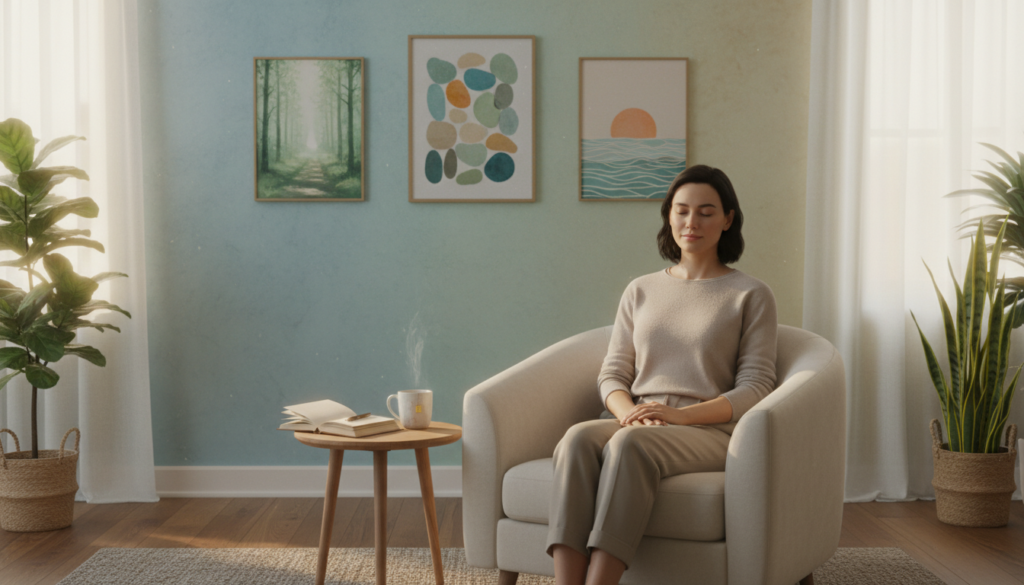
Both medication and cognitive behavioral therapy have proven highly successful. Combination approaches often yield the best results.
Medication and Its Role in Treatment
The most commonly used medications are antidepressants. Despite their name, they work very well for anxiety disorders.
They help regulate brain chemistry and lessen symptoms over time. For specific conditions like panic disorder, benzodiazepines may address acute attacks.
These are typically short-term solutions. They are not recommended for generalized anxiety disorder due to dependency risk.
The Benefits of Cognitive Behavioral Therapy (CBT)
CBT is a type of psychotherapy focusing on current symptoms. It teaches practical ways to change thinking and behavior patterns.
This therapy helps people develop concrete skills. They learn to challenge anxious beliefs and face feared situations gradually.
Treatment is tailored to the specific disorder. Most people experience significant improvement with proper treatment.
Combining medications and therapy often produces even better results. This collaborative process offers real hope for better health.
Lifestyle Modifications and Stress Management Strategies
Transforming how you respond to triggers involves a combination of lifestyle changes and practiced techniques. Sustainable habits address the root causes of daily pressures and stress. We focus on building a resilient foundation for your mental health.
Common sources of stress include work pressure, family dynamics, and financial worries. Health concerns and major life events like moving also contribute. A structured plan helps you identify these specific things.
Adopting Relaxation Practices
Regular relaxation techniques are vital. They actively reduce the stress response by lowering hormones like cortisol. This promotes calm and builds resilience against future challenges.
Gradual exposure is another key strategy. Avoiding anxiety-provoking situations might give short-term relief. However, facing them slowly teaches your brain not to react with fear.
This can reduce anxiety over time. Your personalized plan should include these practices. Balance them with other daily activities.
| Helpful Coping Strategy | Why It Supports Health | Habit to Avoid |
|---|---|---|
| Scheduled deep breathing breaks | Counters the body’s alarm system, lowers heart rate | Using alcohol to unwind |
| Identifying specific triggers (e.g., work, events) | Creates targeted solutions, increases sense of control | Complete social isolation |
| Prioritizing self-care time weekly | Prevents burnout, maintains emotional resources | Neglecting sleep and nutrition |
Unhelpful habits like poor sleep or alcohol use can risk worsening your state. Focus on things within your control. Setting boundaries around work and significant events is part of effective care.
View these changes as a long-term investment. Consistent practice builds a strong foundation for managing life‘s various challenges.
Finding Support: Resources for Mental Health Care
Knowing where to turn for help is a crucial part of your wellness journey. A strong network of support can make a real difference in your mental health.
We guide you through the main avenues for care. Both professional services and community connections are valuable.
Professional Guidance and Peer Support
Accessing professional health services is a key step. In many areas, you can refer yourself directly to a therapy service.
You do not always need a doctor’s referral. Speaking with a primary care provider is also a great option. They can offer a diagnosis and discuss treatment plans.
Early action is important. Getting help soon can prevent other health complications.
Peer support is another powerful resource. Here, people use their own experiences to help each other.
These groups create a community of understanding. They remind you that you are not alone.
Consider reaching out for professional help if:
- You’re struggling to cope with fear or panic.
- The things you try yourself are not helping.
- You would prefer to get a formal referral.
For immediate support, confidential hotlines are available. In the United States, you can call or text 988.
Specialized mental health services exist for adults and children. Family involvement can also provide crucial support.
Seeking this information and help is a proactive step toward better mental health.
Our Journey to Overcome Anxiety Together
Our shared path toward well-being begins with a single, brave decision. You do not need to live with constant worry. Effective help is available to guide you toward better mental health and a more fulfilling life.
Overcoming these challenges is a journey. It requires time and patience. With proper treatment and strong support systems, people can experience significant improvement. They regain control over their lives.
Have courage and be compassionate with your feelings. Reach out for support. With the right tools and ways to cope, you can build a life defined by calm. This creates lasting positive changes for your overall health.