

What if the most common mental health struggle is also the most misunderstood, especially for half the population?
We begin with a startling fact. Nearly half of all U.S. adults will experience signs of an anxiety disorder. These conditions affect women at more than double the rate compared to men.
This makes it a critical health issue. Yet, it is frequently overlooked or misdiagnosed.
If you feel this way, you are not alone. Almost one in three people will face this challenge at some point in their life.
Our guide aims to change that. We provide clear information on recognizing patterns unique to women. You will learn about potential triggers and effective treatment paths.
Our goal is to empower you with knowledge. Taking control of your mental well-being is a sign of strength. Finding relief is possible.
Key Takeaways
- Anxiety disorders are the most prevalent mental health conditions in the United States.
- Women experience these disorders at more than twice the rate of men.
- Nearly 50% of U.S. adults will encounter symptoms of anxiety.
- Despite being common, these conditions are often misunderstood or missed.
- Recognizing personal triggers and patterns is the first step toward management.
- Effective treatment options and self-care strategies are available.
- Seeking help is a courageous act and a path to reclaiming your daily life.
What is Anxiety? Understanding the Basics
Understanding anxiety begins with recognizing it as a universal experience, not a sign of weakness. Everyone feels worry or unease from time to time. It is a normal reaction to life’s challenges.
Defining Anxiety and Its Significance
This feeling is a natural human response. It can motivate us to prepare for a big test or focus at work. In risky situations, it helps keep us alert and safe.
However, there is a key difference between this common stress and an anxiety disorder. For some people, the worry becomes overwhelming. It does not go away, even without a clear threat.
Fear is a direct response to an immediate danger we can see or hear. Anxiety often stems from our emotions or past experiences. It is a reaction to perceived, not always real, challenges.
How Anxiety Manifests Physically and Emotionally
The body and mind are deeply connected during these episodes. Physical signs can include a racing heart, rapid breathing, or muscle tension. Some people also experience sweating or an upset stomach.
Emotionally, it may bring persistent nervousness, irritability, or trouble concentrating. These are common symptoms of the body’s heightened alert system.
When these feelings are intense, last a long time, or disrupt daily life, it may signal a clinical condition. Seeking professional guidance is a strong and positive step for managing one’s health.
Types of Anxiety Disorders: An Overview
The landscape of anxiety disorders includes several major types, from generalized worry to intense phobias. Recognizing these categories is a vital step toward proper care.
Generalized Anxiety Disorder and Other Common Types
Generalized anxiety disorder involves excessive, hard-to-control worry about everyday issues. This concern often persists without an obvious reason.
People with this condition may feel constantly tense. It stands as one of the most common anxiety disorders.
Social Anxiety, Panic Disorder, and Specific Phobias
Social anxiety disorder creates overwhelming nervousness in ordinary social situations. Individuals often fear being watched or judged by others.
Panic disorder is marked by sudden, intense panic attacks. These episodes bring physical distress that can feel like a medical emergency.
Specific phobias trigger an irrational fear of particular objects or scenarios. Heights, flying, or enclosed spaces are typical examples.
Post-traumatic stress disorder (PTSD) also belongs to this group. Each of these disorders may need a distinct treatment approach.
Recognizing Triggers and Patterns in Women’s Anxiety
Many factors can trigger worry, but for women, specific biological and social patterns play a key role.
Understanding these unique causes of worry is the first step toward personalized management.
Hormonal Changes and Life Transitions
Biological shifts profoundly affect mental well-being. Hormone levels change throughout a woman’s life.
These fluctuations directly influence brain chemistry and mood.
Pregnancy can bring both joy and worry, sometimes heightening anxiety, while the postpartum period can be a vulnerable time for new or stronger anxious feelings.
Societal expectations add another layer of pressure. Women often bear the weight of caregiving duties.
This can leave little time for personal health priorities.
| Life Stage | Hormonal Shift | Potential Impact |
|---|---|---|
| Menstrual Cycle | Monthly fluctuations | Mood changes, increased tension |
| Pregnancy | Rising hormone levels | Mixed joy and heightened worry |
| Postpartum | Rapid decrease after birth | Vulnerability to new anxious feelings |
| Perimenopause & Menopause | Declining estrogen | Mood swings, triggered anxiety |
The push to “do it all” perfectly at home and work is a common stressor. This often leads to internalizing pressure.
Recognizing these patterns allows for better support strategies. It moves beyond a one-size-fits-all approach.
Managing Anxiety Symptoms in Women
You don’t have to wait for a crisis to start feeling better. Small changes can make a big difference. Seeking support early is a sign of strength.
Self-Care Strategies for Everyday Relief
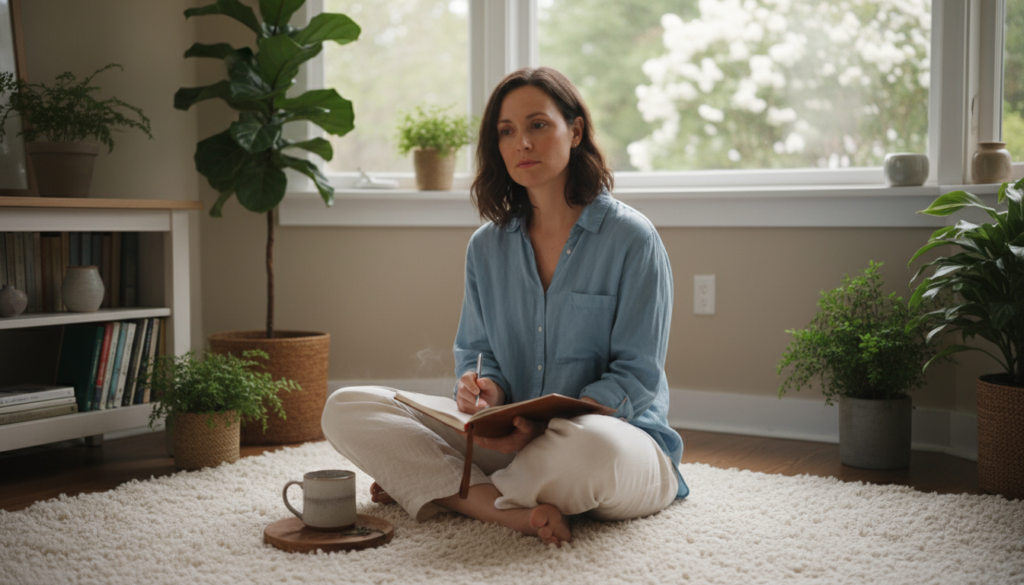
Begin by noting what you experience and when. This helps spot personal patterns. Identify specific triggers that heighten distress.
Physical movement is a powerful tool. Even five minutes of walking can ease tension. These actions help manage daily pressures.
Sleep is crucial. Worry often disrupts rest. A calming bedtime routine helps break this cycle.
Lifestyle Modifications and Proven Techniques
Nutrition matters. A balanced diet supports overall well-being. Limit caffeine and alcohol to reduce unease.
Practice deep breathing or mindfulness. Digital apps offer guided exercises for quieting the mind.
Remember, asking for help is essential. Accepting support is a proactive step for your care.
The Impact of Misdiagnosis on Women’s Health
Navigating the healthcare system with persistent physical complaints can be a confusing and isolating journey. One of the most frustrating hurdles is receiving an incorrect diagnosis.
Distinguishing Between Physical Conditions and Anxiety
The root of this problem lies in how closely the signs of an anxiety disorder can mirror common physical health conditions. Gastrointestinal distress may look like IBS. Chest tightness can mimic cardiac issues.
It makes sense for doctors to investigate these physical causes first. However, they must not overlook psychological factors when symptoms overlap.
The reverse is equally problematic. Legitimate physical problems are sometimes dismissed as “just anxiety.” This can delay crucial treatment. It also leaves individuals feeling unheard and invalidated.
“When a woman comes in with physical symptoms that may indicate anxiety, of course we want to rule out underlying medical issues. But we really need to consider all possible causes. That’s why having mental health embedded in primary care is so important. We can treat the whole person.”
The relationship is often bidirectional. A physical condition can worsen unease, while distress can manifest with very real bodily signals. Comprehensive evaluation is key. Trust your instincts and seek a second opinion if needed.
Holistic Treatment Options for Anxiety
A holistic approach to care integrates professional guidance with daily practices for lasting relief.
Because everyone experiences worry differently, there is no universal solution. The most effective plans are tailored to your specific needs.
Cognitive Behavioral Therapy and Behavioral Approaches
Cognitive behavioral therapy is a highly effective treatment. It helps you understand connections between thoughts, moods, and actions.
“Things like cognitive behavioral therapy can help women understand their thoughts, moods, and behaviors. It can help build coping skills and foster resilience.”
This practical therapy focuses on current patterns. It teaches skills to change thinking and behavior that contribute to distress.
Medication, Complementary Therapies, and Lifestyle Support
Medication is another primary option. Antidepressants are commonly prescribed for various anxiety disorders.
They work to lessen unease and restore brain chemistry balance. For panic attacks, fast-acting benzodiazepines may be used cautiously.
Combining therapy and medication often yields the best results. This approach addresses both biological and psychological aspects.
| Treatment Type | Primary Function | Considerations |
|---|---|---|
| Cognitive Behavioral Therapy | Changes thought & behavior patterns | Builds long-term coping skills |
| Antidepressants | Balances brain chemistry | Effective for long-term management |
| Benzodiazepines | Provides rapid relief | Risk of dependence; short-term use |
| Combination Therapy | Addresses multiple factors | Often produces superior outcomes |
A complete plan may also include lifestyle changes and support groups. This supports overall mental health and well-being.
Most people find great benefit from these treatments. With the right support, you can manage your condition effectively.
Daily Self-Care Practices to Reduce Anxiety
Research confirms that dedicating even a few minutes daily to specific techniques can significantly lower stress. Consistent practice builds resilience against life’s pressures.
Mindfulness, Meditation, and Relaxation Techniques
Mindfulness teaches us to observe the present moment without judgment. This simple act interrupts racing thoughts.
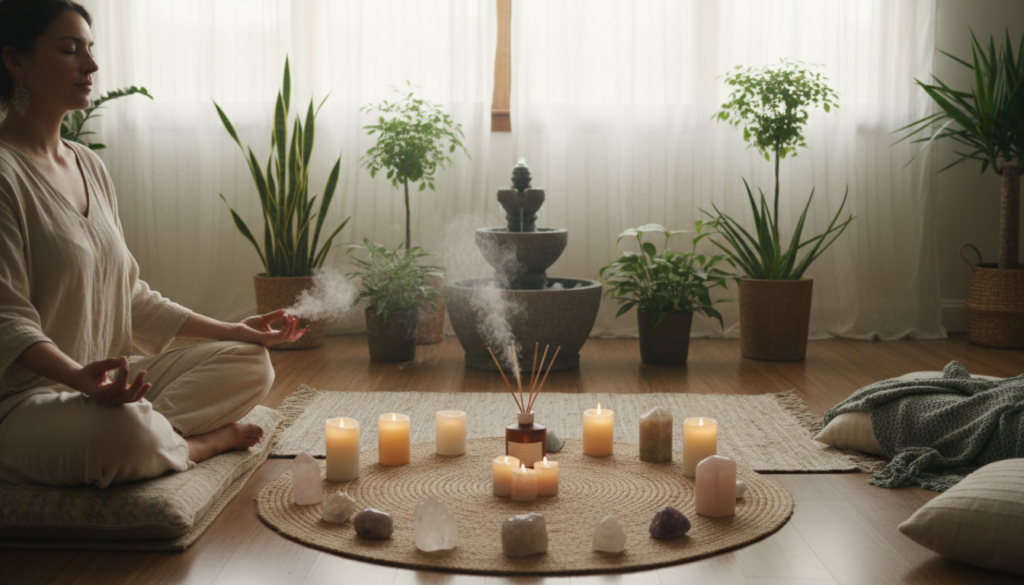
Meditation quiets the mind and reduces stress hormones. Just five minutes each day creates lasting calm.
Relaxation methods like deep breathing offer immediate relief. They activate the body’s natural relaxation response.
“Daily self-care isn’t selfish; it’s essential maintenance for your mental well-being.”
Movement practices like yoga combine physical activity with breath work. They address both body and mind.
| Practice | Time Needed | Primary Benefit |
|---|---|---|
| Mindfulness | 1-5 minutes | Present-moment awareness |
| Meditation | 5-20 minutes | Mental quieting |
| Deep Breathing | 1-3 minutes | Immediate calm |
| Yoga/Tai Chi | 15-30 minutes | Holistic stress relief |
Facing fears gradually, rather than avoiding them, is crucial. Avoidance can make things worse over time.
Slow exposure teaches your brain new, calmer responses. Experiment to find what works best for you.
Your personalized toolkit empowers you throughout daily life. Many people find great relief in these simple practices.
The Role of Professional Support in Managing Anxiety
Professional guidance transforms the journey of managing anxiety from a solitary struggle into a supported path. You do not need to wait until you feel overwhelmed.
Reaching out for help is a sign of strength. Your doctor or mental health specialist is a key partner in your care.
Effective Communication with Healthcare Providers
Prepare for your appointment to make the most of it. Keep a simple log of your experiences.
Note what happens and when. This helps your health provider spot patterns.
Think about your specific triggers beforehand. Share events or thoughts that worsen your unease.
Ask direct questions during your visit. It is okay to inquire if your symptoms could be related to an anxiety disorder.
Your care team is there to listen and help.
Diagnosis involves discussing your history and current patterns. There is no single lab test for this condition.
Your provider may check for other health issues first. Be open about how these feelings impact your daily life.
Honest communication leads to the best treatment plan. You might be referred to a specialist, like a psychologist.
These people have advanced tools for diagnosis and therapy. This step is a positive move toward comprehensive mental health support.
Always feel safe talking with your doctor. If you do not feel heard, seeking a second opinion is your right. Effective treatment often starts with a trusting partnership.
Integrating Mental Health into Our Daily Lives
Think of your psychological well-being as another vital sign. It needs regular checking, just like blood pressure or heart rate.
True wellness blends physical and emotional care seamlessly. We must make mental health awareness part of our everyday routine.
This means having honest talks with friends or doctors without shame. It helps everyone feel safe seeking help when needed.
Our physical state, stress levels, and relationships all affect our inner balance. Small, consistent habits build strong resilience over time.
This proactive approach can prevent many issues. Professional support is effective and widely available.
Reaching out early limits the impact these disorders can have on your life. You deserve to live free from constant fear.
Empowering Ourselves: Tips to Overcome Anxiety Challenges
Building a life free from constant worry begins with two powerful tools: self-awareness and community. These strategies help us move from just coping to truly thriving.
Building Resilience Through Self-Awareness
Resilience starts with paying close attention to our inner world. Notice your thoughts, emotions, and physical sensations.
This helps you spot personal triggers in different situations. Journaling or regular self-reflection are excellent practices.
They build the foundation for managing anxiety disorders. You learn to take proactive steps instead of just reacting.
Utilizing Community Resources and Support Networks
No one should manage these challenges alone. Support groups and community centers offer vital connections.
They provide affordable treatment options and shared understanding. Remember, the people in your life want to help.
“There’s no badge of honor for being Superwoman. I encourage my patients to let go of the idea that they need to ‘do it all.’ It only leads to burnout. Accepting help is an important form of self-care.”
Give others permission to assist with daily work or emotional support. This unloads stress and strengthens your mental health.
Combining self-awareness with community creates a strong path forward. Women can successfully manage these disorders and live fulfilling lives.
Wrapping Up: Embracing a Healthier Mindset Together
The path to managing your well-being is built on knowledge, support, and actionable steps. This guide has explored how these conditions are shaped by stress, biology, and life experiences.
Remember, these disorders are common and highly treatable. Many adults experience them, with types ranging from generalized anxiety to panic attacks.
Effective treatment often combines therapy and medication. It addresses both mind and body. Seeking care early can prevent more serious problems.
You deserve compassionate support. With the right tools, you can manage these challenges and live a full life. Prioritizing your mental health is a sign of strength.